
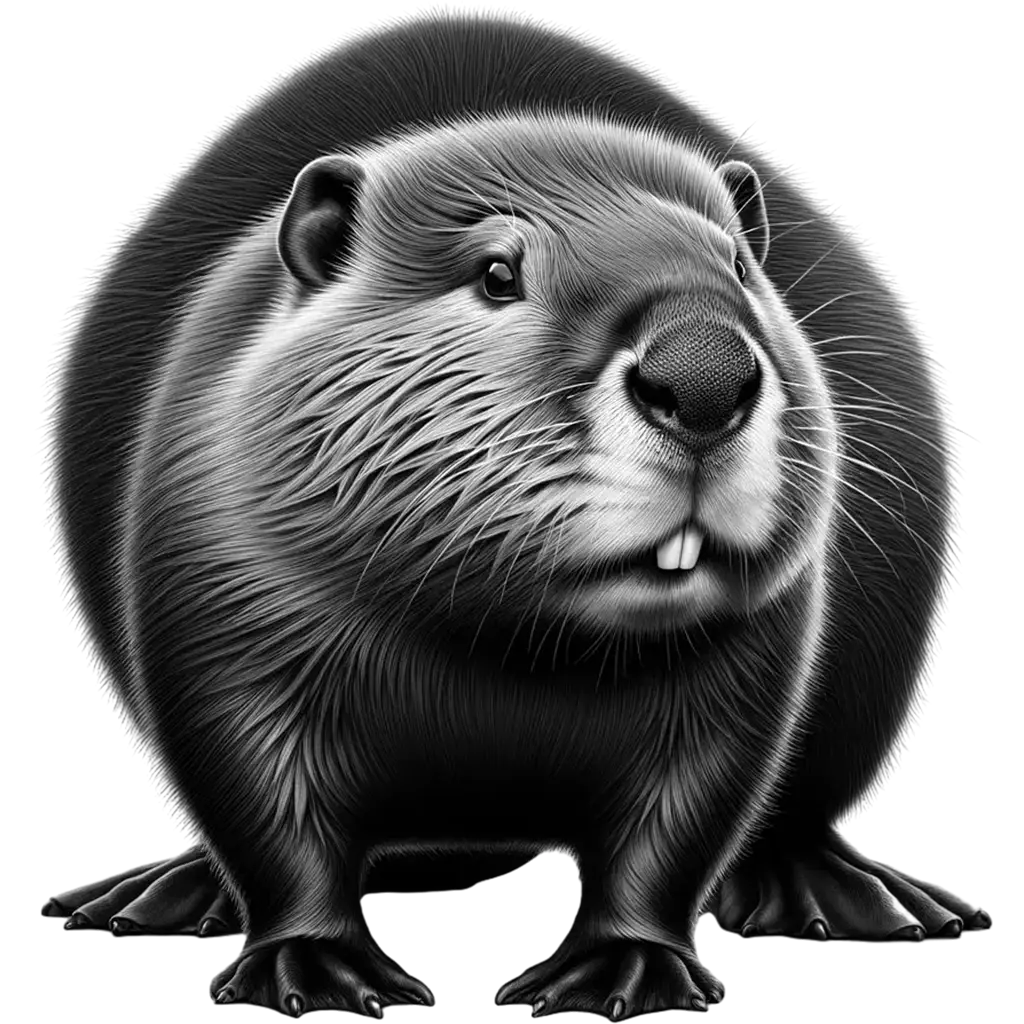
Castor Fiber
Eurasian Beaver
Rivers, streams, lakes, and ponds
The Eurasian Beaver, castor fiber, is a large, primarily nocturnal, semi-aquatic mammal native to Europe and parts of Asia. This species is one of the two extant beaver species, alongside the North American beaver (Castor canadensis). Eurasian Beavers typically weigh between 11 to 30 kilograms (24 to 66 pounds), with a distinctive flat, scaly tail, and webbed hind feet adapted for their aquatic lifestyle. Their fur is dense and waterproof, ranging in color from dark brown to reddish-brown, providing insulation as well as camouflage within their riparian habitats.
| Population: | Recovering; estimated to be over 1 million individuals after reintroduction efforts |
| Generation Length: | 10-12 years |
| Average Weight: | 11-30 kg |
| Average Length: | 80-100 cm, not including tail |
| Lifespan: | 10-15 years in the wild, up to 20 years in captivity |
| Diet: | Woody and aquatic vegetation |
| Conservation Status: | Least Concern (LC) |
Historically, Eurasian Beavers faced near-extinction due to extensive hunting for their fur, meat, and castoreum—a secretion used in perfumes and medicines. Through conservation efforts, including legal protection and reintroduction programs, their populations have begun to recover in parts of their historical range. They are known for their remarkable ability to modify landscapes to suit their needs by building dams and lodges, which in turn create wetlands—biodiverse ecosystems that benefit a wide array of species.
The diet of the Eurasian Beaver is exclusively herbivorous, consisting of tree bark, aquatic plants, branches, and leaves. This diet changes with the seasons, with a preference for softer, green vegetation in the spring and summer, and bark and twigs in the winter. Their ability to fell large trees with their strong, continuously growing incisors plays a crucial role in the maintenance of their environment, promoting regrowth and diversification of plant life.
Reproduction in Eurasian Beavers is monogamous, with pairs forming long-term bonds. Breeding typically occurs once a year, with females giving birth to one to four kits in the spring. The family unit, or colony, works together to maintain the dam and lodge, providing a safe, warm environment for the young. Beavers are known for their complex social structures and behaviors, including the use of vocalizations and scent markings for communication within the colony.
The Eurasian Beaver is currently classified as Least Concern by the IUCN Red List, reflecting successful conservation and reintroduction efforts that have stabilized and increased populations in several regions. However, challenges remain, including habitat loss due to human development, pollution, and conflicts arising from their landscape-altering activities. Continued conservation efforts are essential to ensure the long-term survival and expansion of Eurasian Beaver populations, highlighting the importance of this keystone species in freshwater ecosystems.
Classifications
The Key Attributes
Features
- Movement:
Quadrupedal, swimming
- Territorial Behavior:
Highly territorial, live in family groups
- Speed:
Adept swimmers but speed not specifically quantified
- Diet:
Herbivore
- Physical Features:
- Large, flat tail
- Webbed hind feet
- Sharp, continuously growing teeth for gnawing on wood
- Primary Senses:
- Sight
- Hearing
- Smell
- Touch
Understanding Habitat and Range
Geography
- Habitat:
Rivers, streams, lakes, and ponds
- Migration Patterns:
Non-migratory, but may relocate to establish new territories or due to habitat fragmentation
- Geographical Range:
Widespread across much of Eurasia, from Great Britain and Scandinavia to northeast China and Mongolia
- Climate Preferences:
Temperate and boreal regions
Navigating the Wilderness
In the wild
- Predators:
Wolves, lynx, and bears in some areas
- Prey:
Not applicable
- Feeding Behavior:
Feeds on bark, leaves, and aquatic vegetation
- Diet:
Woody and aquatic vegetation
- Defensive Mechanisms:
- Lodge construction as refuge
- Slapping water with tail as an alarm signal
- Preferred Food Sources:
- Willow
- Aspen
- Birch
- Aquatic plants
Insights Into Reproduction
Mating
- Mating System:
Monogamous
- Number of Offspring:
1-4 kits
- Gestation Period:
About 105-107 days
- Parental Involvement:
- Both parents care for the young, teaching them to build and forage
Youngsters Section
Eurasian Beaver
Fun Fact
Eurasian Beavers are skilled engineers, building intricate dams and lodges using branches and mud.
These structures create wetland habitats that benefit numerous species, improving water quality and reducing erosion. Beavers have strong teeth that continuously grow, enabling them to efficiently cut through wood. Their flat tails help in swimming and carrying materials for construction.

Download word search puzzles
Word Search Puzzles


Check Out Other Mammals
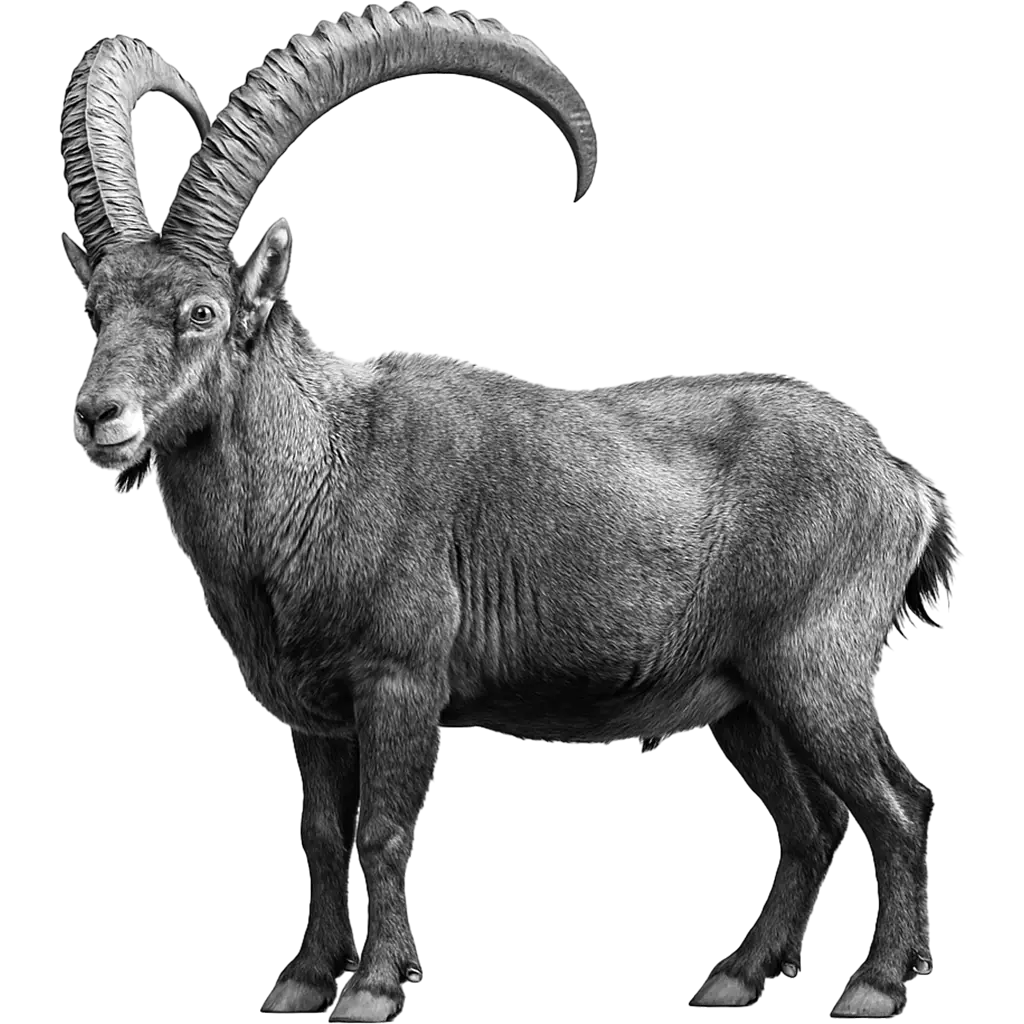
The Alpine Ibex is a majestic mountain goat with a robust, muscular body and impressive, curved horns that can span over one meter, serving both as a defense mechanism and a symbol of its regal presence. Its coarse coat, ranging from light brown to gray, and powerful legs with cloven
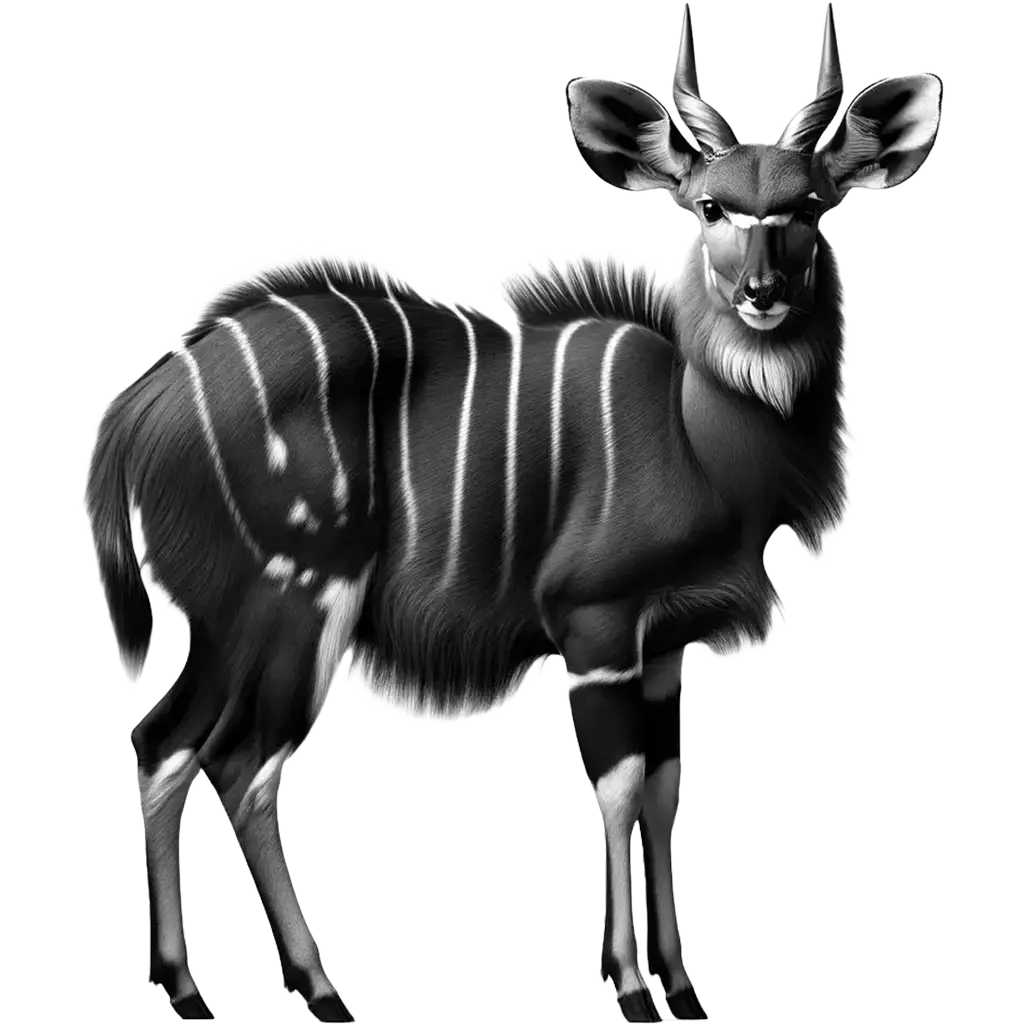
The Nyala, tragelaphus angasii, is a graceful and medium-sized antelope native to the southern regions of Africa. Characterized by its striking sexual dimorphism, males and females exhibit significantly different appearances. Males are larger, with a dark grey-brown coat adorned with faint vertical white stripes and a long, shaggy mane on
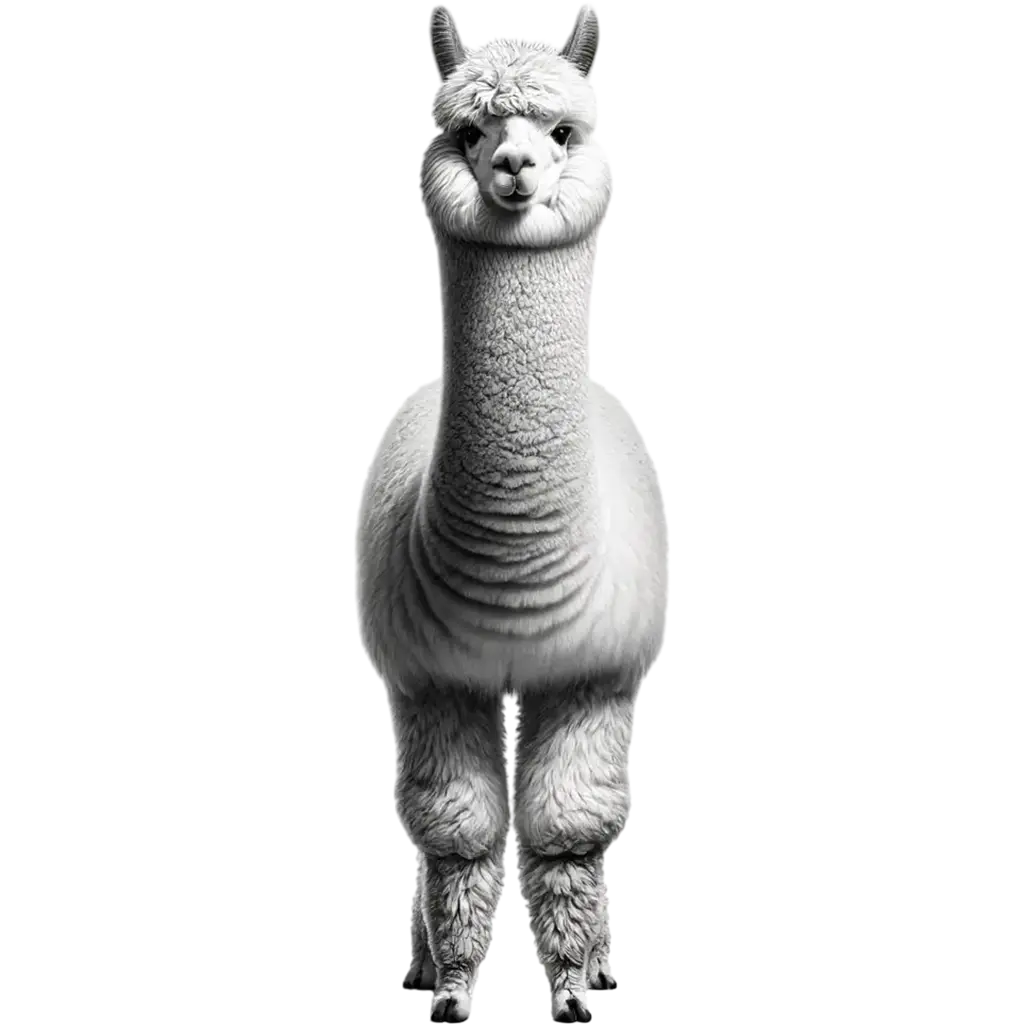
The Alpaca, lama pacos, is a domesticated species of South American camelid, closely related to the llama. Alpacas are renowned for their soft, luxurious fleece, which comes in a variety of shades, including white, black, brown, and gray, allowing for over 22 recognized colors in total. Standing at an average
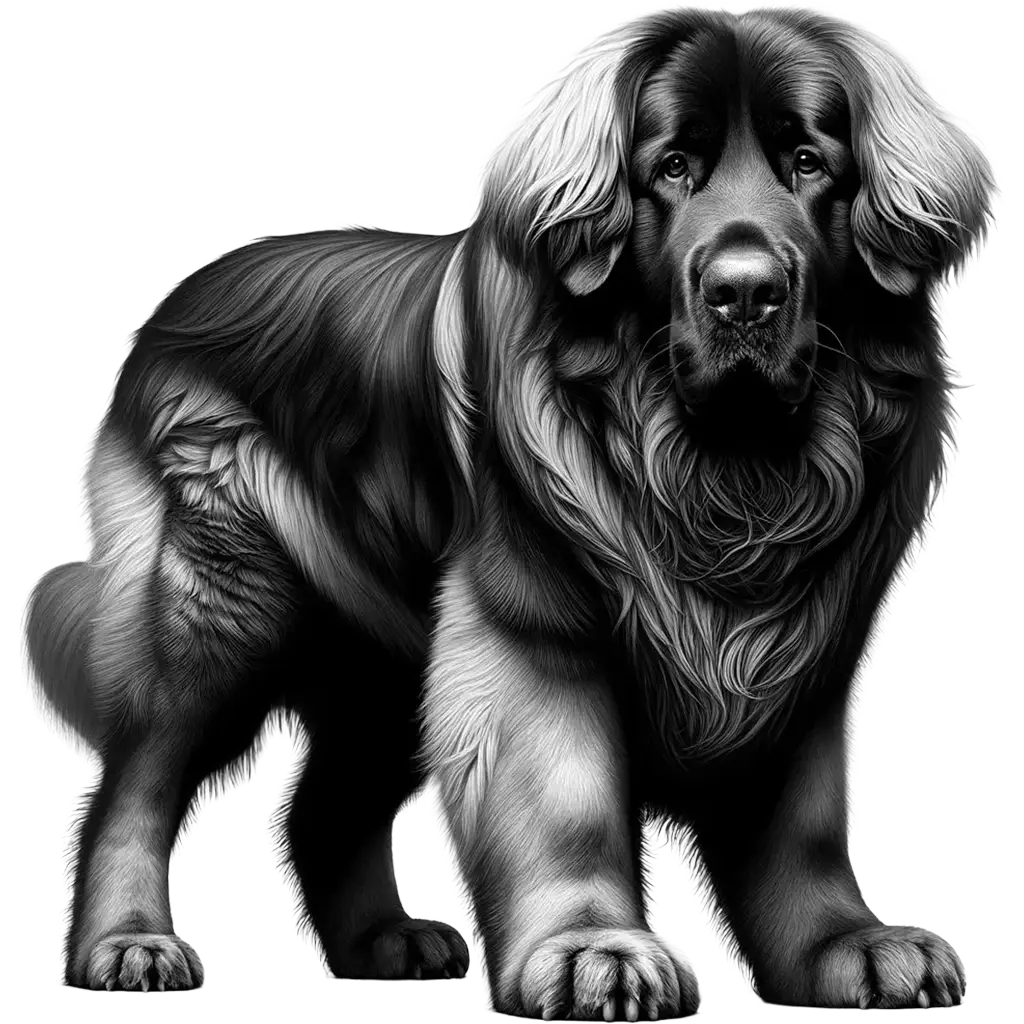
The Leonberger, a giant breed of dog, combines the muscular build of a mountain dog with the elegance of a lion, to which its name alludes. Originating from Leonberg, Germany, in the 19th century, it was bred to resemble the lion on the town's crest. Adult Leonbergers can stand 65