
Capra Ibex
Alpine Ibex
Inhabits open, rocky alpine meadows and steep mountainous regions within protected areas.
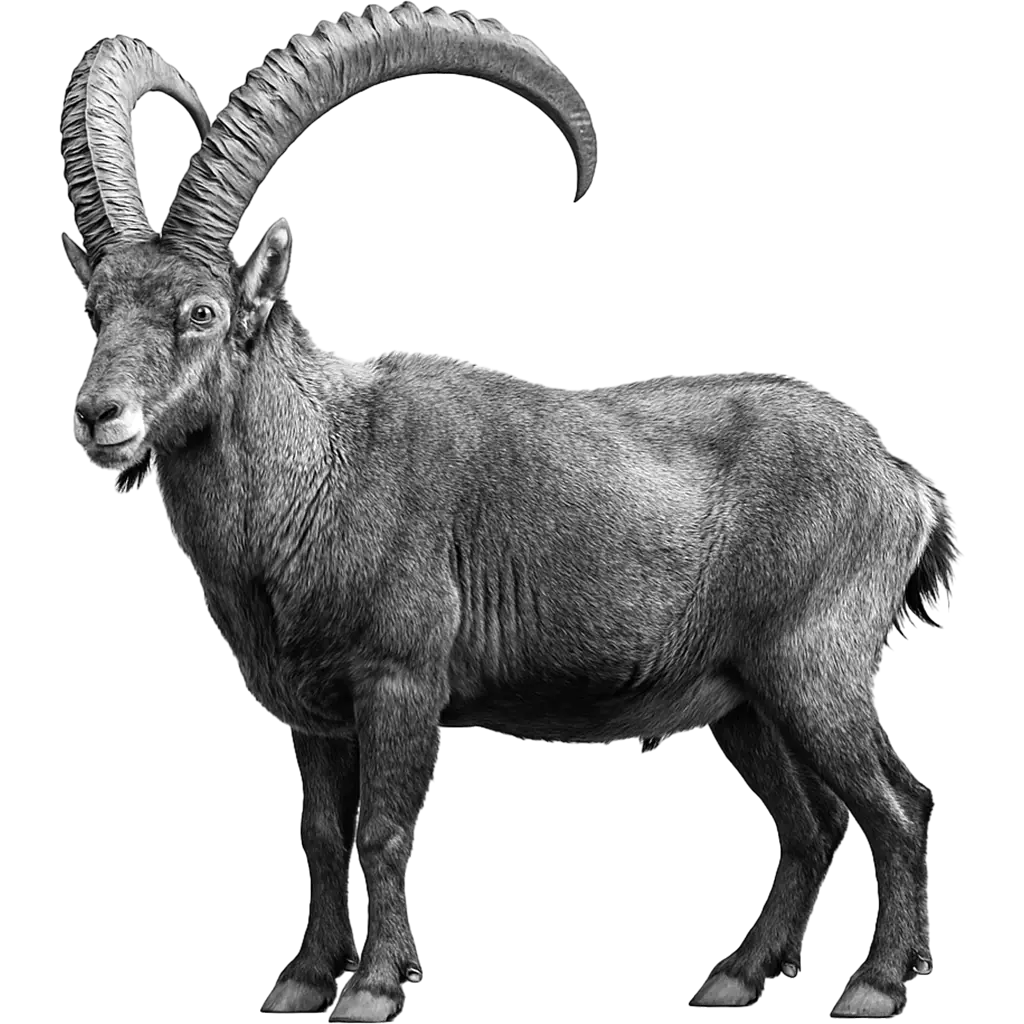
The Alpine Ibex is a majestic mountain goat with a robust, muscular body and impressive, curved horns that can span over one meter, serving both as a defense mechanism and a symbol of its regal presence. Its coarse coat, ranging from light brown to gray, and powerful legs with cloven hooves are perfectly adapted for life on steep, rocky slopes, creating a striking silhouette against the rugged alpine backdrop.
| Population: | Stable in protected alpine regions; vulnerable to poaching, habitat loss, and climate shifts |
| Generation Length: | Approximately 8-10 years |
| Average Weight: | Males: 700-1,000 kg; Females: 500-700 kg |
| Average Length: | 2.7-3.0 meters (body length) |
| Lifespan: | 15-20 years in the wild; up to 25 years in captivity |
| Diet: | Mainly grasses, herbs, and sedges |
| Conservation Status: | Least Concern (LC) |
Living in high-altitude environments, Alpine Ibexes spend their days grazing on sparse alpine grasses and sedges while skillfully navigating narrow ledges and precipitous cliffs. Social animals by nature, they form loose herds where dominant males assert their presence through subtle displays and scent marking. Their daily routines involve careful foraging in areas where forage is limited, interspersed with short, local movements to track seasonal vegetation changes. They rest in sheltered alcoves, which provide refuge from harsh weather, and maintain vigilance against potential predators in their expansive, rugged domain.
Primarily herbivorous, the Alpine Ibex feeds on hardy alpine grasses, sedges, and low-lying herbs that flourish in nutrient-poor mountain soils. During the brief alpine summer, they gorge on fresh, nutrient-rich forage to build fat reserves essential for survival during long, harsh winters. Occasionally, they supplement their diet with woody browse and even lichens, providing vital minerals and extra fiber. This specialized grazing supports not only their own nutritional needs but also contributes to the ecological balance by promoting seed dispersal and vegetation renewal in rocky habitats.
During the breeding season, Alpine Ibexes exhibit a polygynous mating system where dominant males vie for females with vigorous displays of strength and agility. These contests often involve horn clashes and spirited chases, after which a female mates and later gives birth to a single, well-cared-for offspring. This reproductive strategy ensures the careful nurturing of the young and the continuation of the species in an unpredictable mountainous environment.
Reintroduced populations in protected areas have helped stabilize numbers, yet the Alpine Ibex remains vulnerable to poaching, habitat loss, and climate shifts. Local populations fluctuate naturally with food availability and weather, emphasizing the need for continued conservation and habitat preservation to secure the future of this iconic mountain species.
Classifications
The Key Attributes
Features
- Movement:
The Alpine Ibex moves with a powerful, deliberate gait across rugged terrain, adept at navigating steep, rocky slopes with remarkable balance.
- Territorial Behavior:
Ibexes are social animals that form loose herds, with dominant males influencing herd movements through displays and scent marking.
- Speed:
While generally slow and steady, it can burst into rapid sprints when startled or escaping predators.
- Diet:
Herbivorous; primarily grazing on alpine grasses, sedges, and low-growing herbs.
- Physical Features:
- Impressive, curved horns often exceeding one meter in span
- Robust, muscular body covered in a coarse, light brown to gray coat
- Sturdy, cloven hooves and powerful, agile legs
- A broad, expressive face with alert eyes
- Primary Senses:
- Sight
- Hearing
- Smell
Understanding Habitat and Range
Geography
- Habitat:
Inhabits open, rocky alpine meadows and steep mountainous regions within protected areas.
- Migration Patterns:
Non-migratory; local seasonal movements occur as ibexes track emerging forage.
- Geographical Range:
Restricted to the European Alps, with reintroduced populations across suitable high-altitude habitats.
- Climate Preferences:
Thrives in cold, temperate climates with distinct seasons and abundant snowfall.
Navigating the Wilderness
In the wild
- Predators:
Historically targeted by large carnivores; adult ibexes have few natural predators now.
- Prey:
Not applicable; they consume only plant material.
- Feeding Behavior:
Graze methodically on alpine vegetation, often foraging in small groups on exposed ridges.
- Diet:
Mainly grasses, herbs, and sedges
- Defensive Mechanisms:
- Use of agile, zigzagging runs and steep climbs to evade predators
- Powerful horns for defense during combat
- Preferred Food Sources:
- Alpine grasses
- Herbs, and sedges
Insights Into Reproduction
Mating
- Mating System:
Polygynous; dominant males compete for access to multiple females during the breeding season.
- Number of Offspring:
Typically one calf per year, with occasional twins in optimal conditions.
- Incubation Period:
Gestation lasts approximately 9-10 months.
- Parental Involvement:
- Females rear the single offspring independently after birth.
Youngsters Section
Alpine Ibex
Fun Fact
Ibexes are famous for their curved horns and remarkable climbing skills.
Their ability to scale nearly vertical cliffs with agile, zigzag movements has fascinated observers for centuries, symbolizing the resilience and beauty of mountain life.

Download word search puzzles
Word Search Puzzles


Check Out Other Mammals
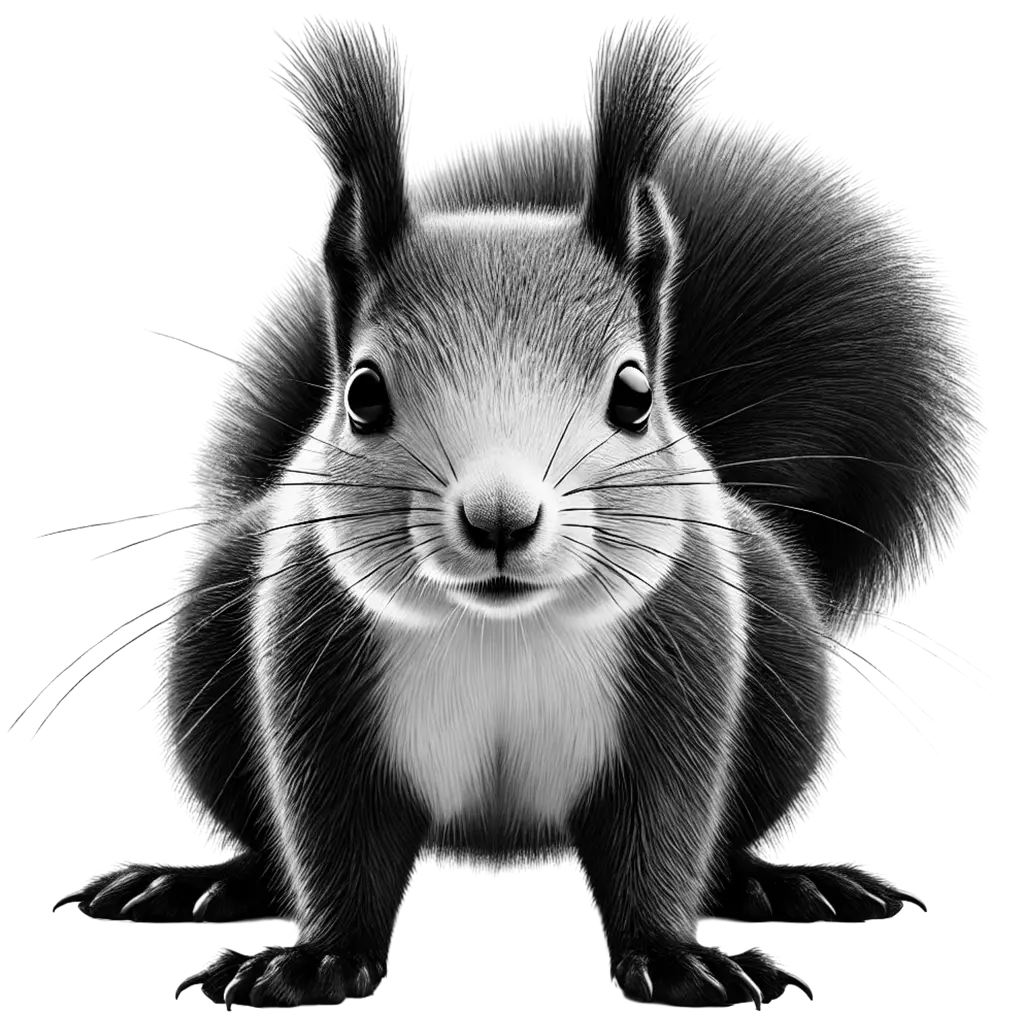
The red-hipped squirrel is a medium-sized, agile rodent distinguished by its soft, dense fur in shades of gray and brown, accented with bright red patches on its hips. Its bushy tail, slender limbs, and sharp, alert eyes contribute to its graceful appearance. The vivid red markings serve as a unique
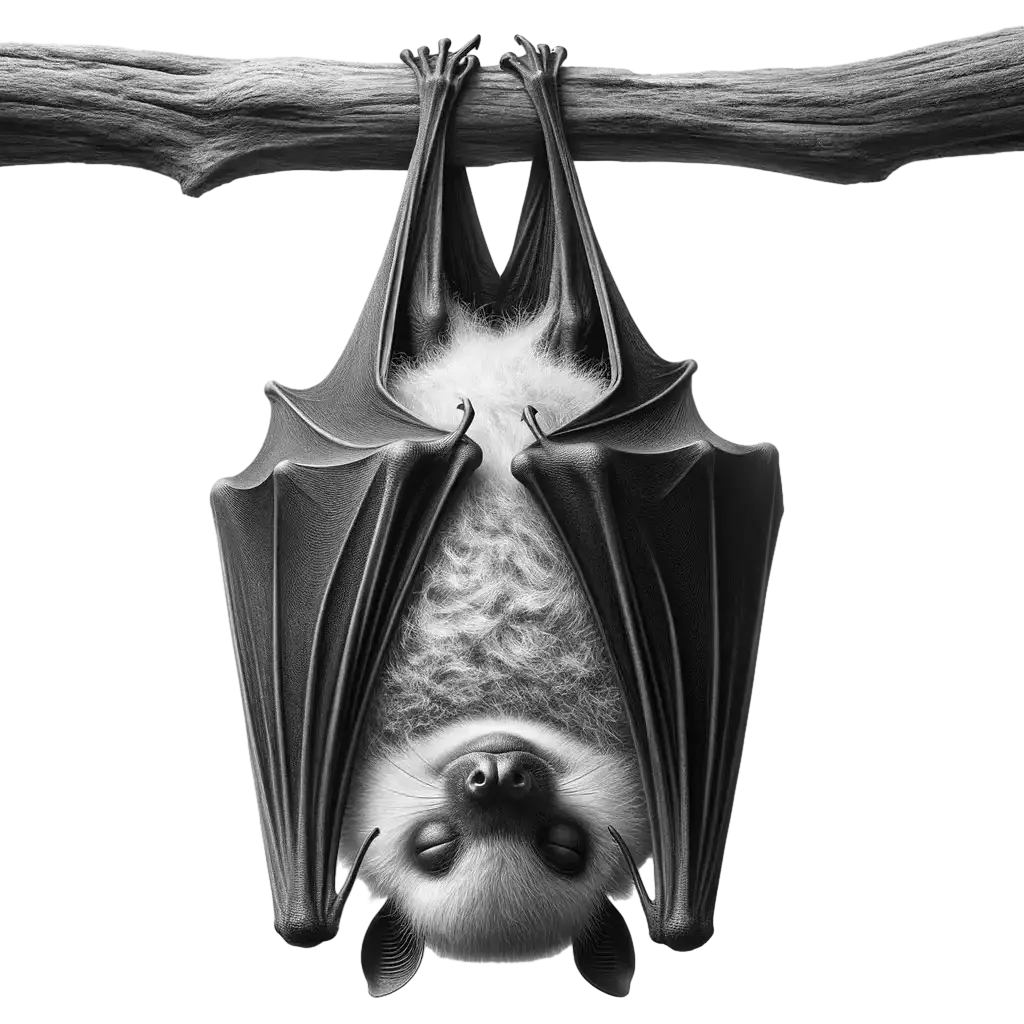
The Japanese House Bat, pipistrellus abramus, is a small, agile bat species prevalent across East Asia, including Japan, Korea, China, and parts of Russia. This species is characterized by its diminutive size, with a body length ranging from 4.5 to 5.5 cm and a wingspan of approximately 22 to 25
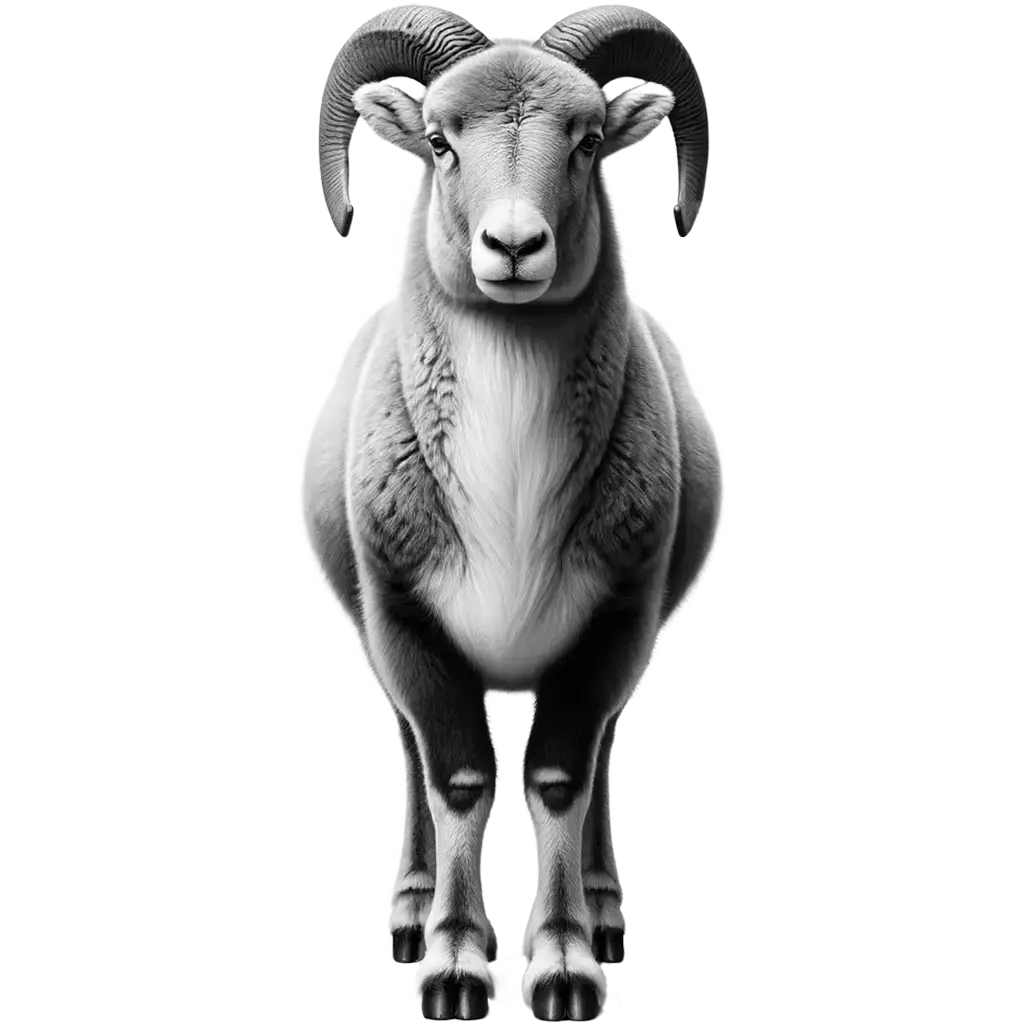
The Barbary Sheep, ammotragus lervia, also known as the Aoudad, is a rugged, mountain-dwelling ungulate native to the rocky mountains and desert landscapes of North Africa. This species is characterized by its sandy to reddish-brown coat, which helps it blend into its arid surroundings, and a distinctive mane that runs
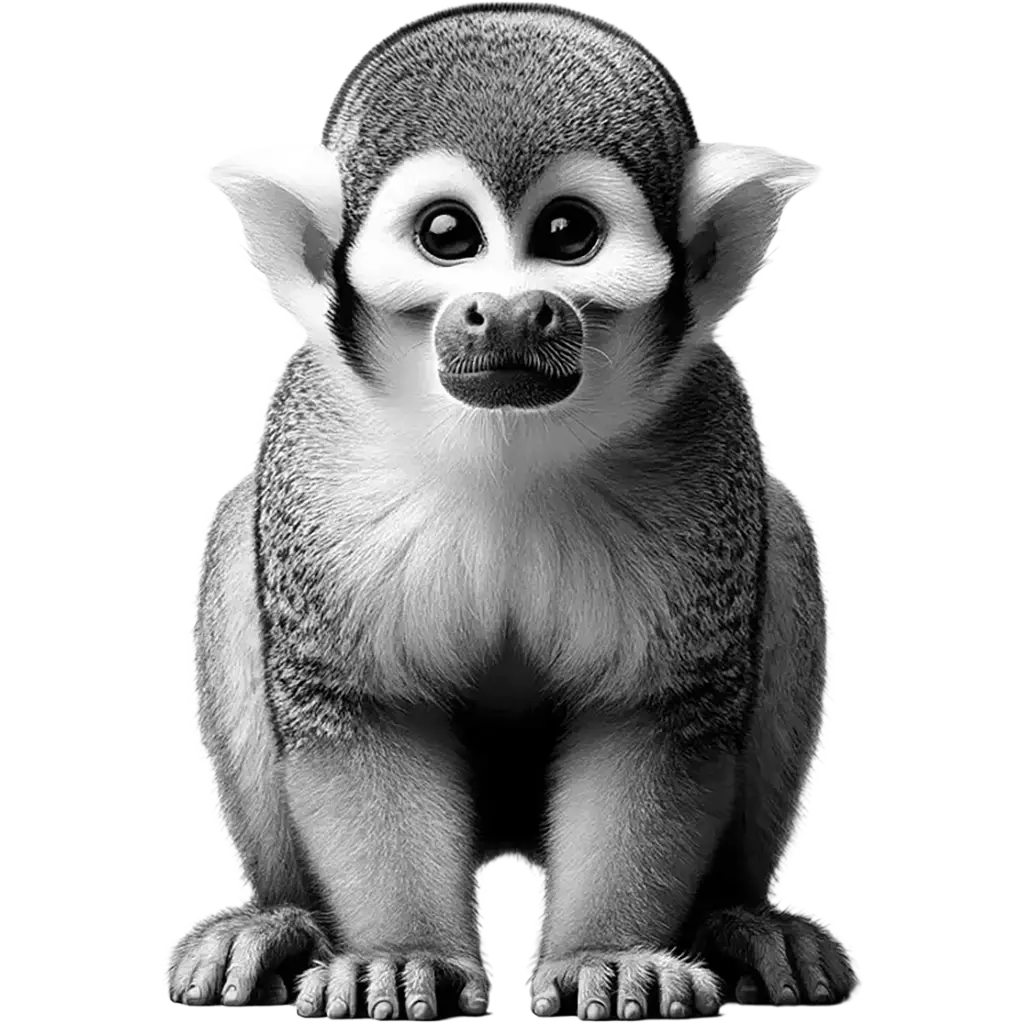
The Central American Squirrel Monkey, saimiri oerstedii, is a small and vibrant primate native to the tropical forests of Costa Rica and Panama. This species is distinguished by its bright fur, with a back of olive or yellowish-green and a white or yellowish belly, creating a striking contrast. Adults weigh