
Canis Lupus
Spanish Water Dog
Adaptable to various environments, including rural, suburban, and urban areas
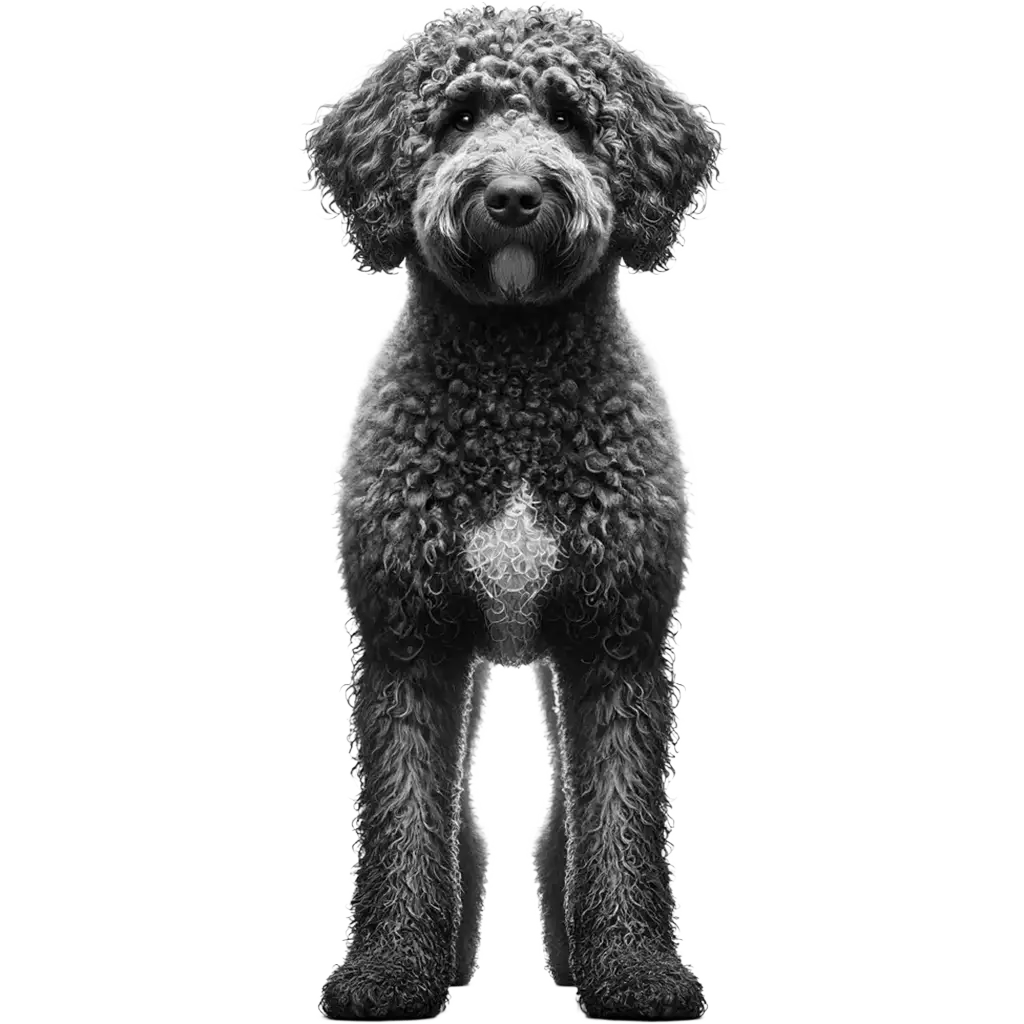
The Spanish Water Dog, a versatile and ancient breed, is known for its distinctive curly coat which is woolly in texture and forms tight curls. Originating from Spain, this medium-sized dog typically weighs between 18 to 22 kg for males and 14 to 18 kg for females, with a height ranging from 40 to 50 cm at the shoulder. Their coat comes in a variety of colors, including black, beige, brown, and white, and is hypoallergenic, making them a good choice for allergy sufferers. One of the breed's hallmark features is its minimal shedding, although the coat requires regular maintenance to prevent matting.
| Population: | Not listed as endangered; a breed maintained through breeding programs |
| Generation Length: | 3-5 years |
| Average Weight: | 14-22 kg |
| Average Length: | 40-50 cm at the shoulder |
| Lifespan: | 10-14 years |
| Diet: | Domestic diet often includes a mix of protein, vegetables, and grains |
| Conservation Status: | Not Evaluated (NE) |
Historically bred as a working dog for herding and assisting fishermen, the Spanish Water Dog is highly intelligent, energetic, and eager to please, making it well-suited for various activities beyond its traditional roles, such as agility, obedience, and even search and rescue. This breed is known for its strong swimming ability, love for water, and agility, reflecting its herding and aquatic origins. They thrive on mental and physical stimulation, displaying a strong work ethic and loyalty to their family.
The diet of the Spanish Water Dog should be tailored to its size, activity level, and age. High-quality dog food that provides balanced nutrition is essential for maintaining their health, energy, and the quality of their unique coat. Like all breeds, access to fresh water at all times is crucial.
Reproduction in Spanish Water Dogs follows typical canine patterns, with females coming into heat approximately every six months. A healthy litter size can range from four to six puppies. Responsible breeding practices are important to maintain the health and genetic diversity of the breed, with attention to hereditary conditions such as hip dysplasia and eye abnormalities.
The population of Spanish Water Dogs is stable, with the breed gaining popularity outside of Spain in recent years. They are recognized by major kennel clubs and appreciated for their versatility, temperament, and hypoallergenic coat. Ongoing efforts by breed enthusiasts and clubs aim to preserve the breed's characteristics and promote responsible ownership and breeding practices.
Classifications
The Key Attributes
Features
- Movement:
Walking, running, swimming
- Territorial Behavior:
Can be protective of family and territory
- Speed:
Capable of agile movement on land and proficient swimming
- Diet:
Omnivore
- Physical Features:
- Medium size with a strong, athletic build
- Curly, woolly coat that is waterproof
- Webbed paws for swimming
- Expressive eyes and a keen sense of smell
- Primary Senses:
- Sight
- Hearing
- Smell
Understanding Habitat and Range
Geography
- Habitat:
Adaptable to various environments, including rural, suburban, and urban areas
- Migration Patterns:
Non-migratory, but may relocate with owners
- Geographical Range:
Originated in Spain; now found worldwide due to breeding and adoption
- Climate Preferences:
Adaptable to various climates, from wet and coastal to dry and inland regions
Navigating the Wilderness
In the wild
- Predators:
Not applicable in domestic settings
- Prey:
Not applicable
- Feeding Behavior:
Fed a controlled diet typically consisting of commercial dog food, tailored to activity levels and health needs
- Diet:
Domestic diet often includes a mix of protein, vegetables, and grains
- Defensive Mechanisms:
- Barking to alert of intruders
- Natural wariness around strangers or perceived threats
- Preferred Food Sources:
- Dependent on human-provided meals and treats
Insights Into Reproduction
Mating
- Mating System:
Managed breeding in domestication
- Number of Offspring:
4-8 puppies
- Gestation Period:
Approximately 60-63 days
- Parental Involvement:
- Care largely managed by human breeders and owners, with mother nursing the puppies
Youngsters Section
Spanish Water Dog
Fun Fact
The Spanish Water Dog is a versatile, athletic breed known for its curly, wooly coat.
Historically, they were used as herding and water rescue dogs in Spain. Their intelligence and agility make them excellent working dogs, excelling in various canine sports. Spanish Water Dogs are known for developing strong bonds with their families and require regular mental and physical stimulation to thrive.

Download word search puzzles
Word Search Puzzles


Check Out Other Mammals

The Canada lynx, lynx canadensis, is a medium-sized wildcat native to North America, primarily found in the boreal forests of Canada and Alaska, with smaller populations extending into the northern United States. Characterized by its thick fur, prominent ear tufts, and large, padded paws that act as natural snowshoes, the

The European Pine Marten, martes martes, is a medium-sized carnivore distinguished by its slender body, bushy tail, and luxurious fur. This species has a rich brown coat with a distinctive creamy-yellow bib on its throat, extending down its chest. Adult pine martens have a body length ranging from 45 to

The American Bison, bison bison, is a majestic symbol of the North American plains, standing up to 2 meters tall at the shoulder and weighing over a ton. These massive animals are characterized by their long, shaggy brown coats, massive heads, and distinctive hump over their shoulders, designed to help
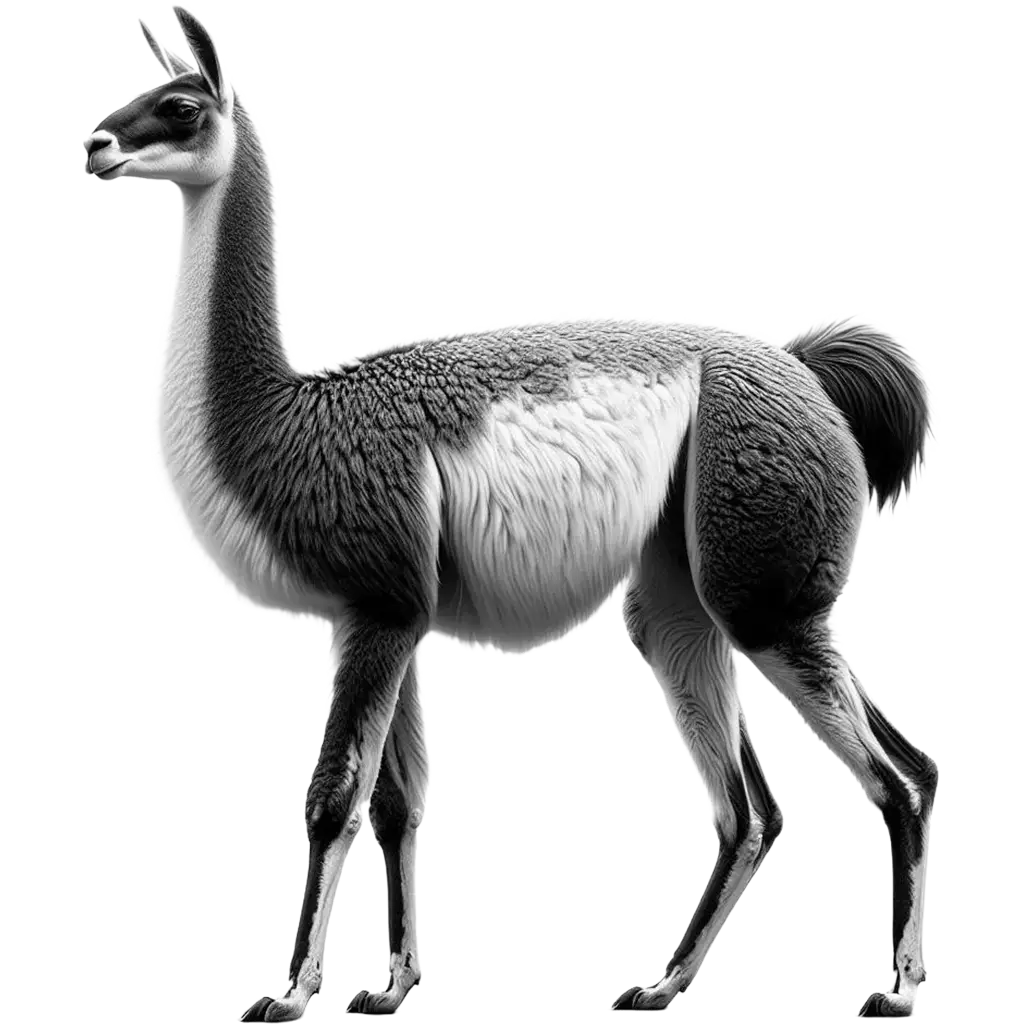
The Guanaco, lama guanicoe, is a camelid native to South America, closely related to the domesticated llama and a wild ancestor to the alpaca. Adult Guanacos stand about 1 to 1.2 meters (3.3 to 3.9 feet) at the shoulder and weigh between 90 to 140 kilograms (200 to 310 pounds).