
Top ten fascinating facts about
Wild Boar
Sus Scrofa
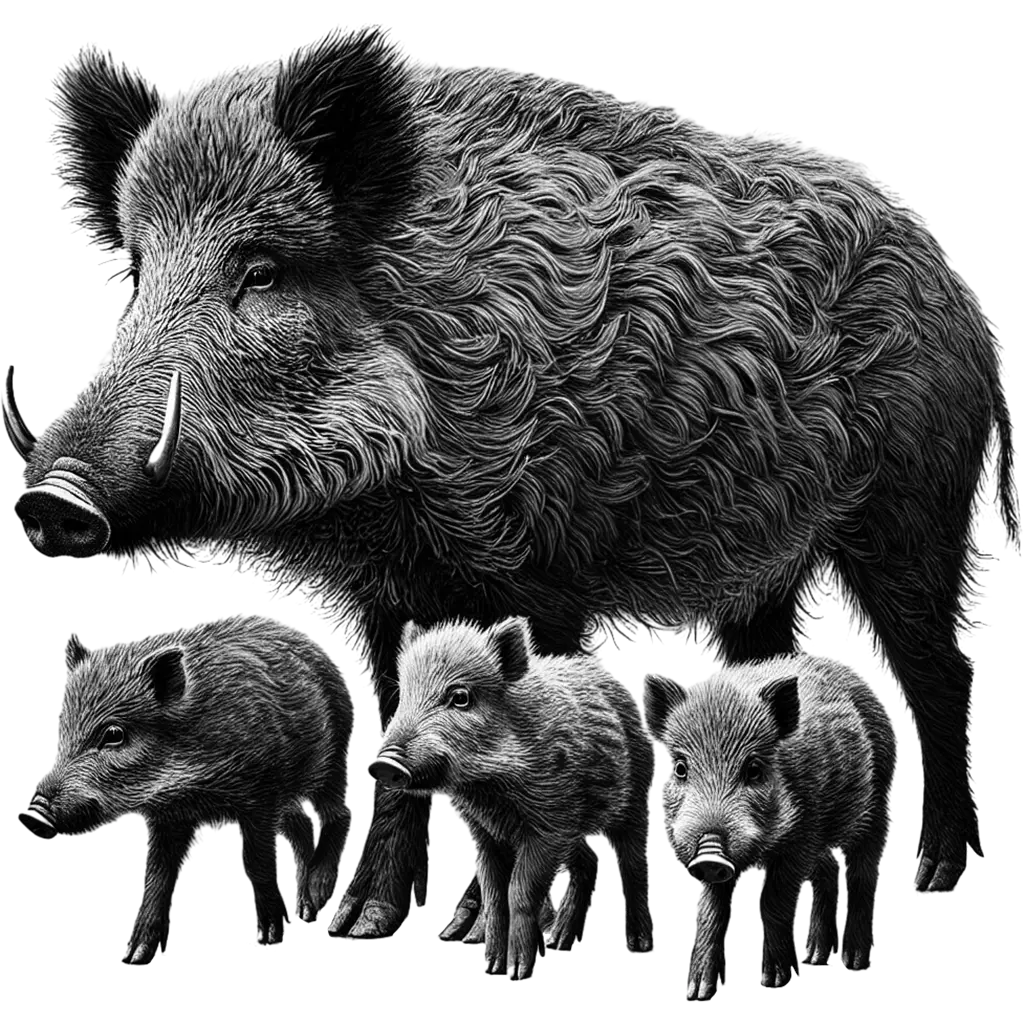
Wild boars are highly adaptable animals found across Europe, Asia, and parts of Africa. They can thrive in diverse habitats, from dense forests to grasslands. Known for their intelligence, wild boars are skilled foragers, using their snouts to dig for roots, bulbs, and insects. This adaptability contributes to their widespread presence and success in various environments.
Wild boars are the wild ancestors of all domestic pigs
Wild boars are the original species from which all domestic pigs (Sus scrofa domesticus) are descended. Domestication began around 9,000 years ago in multiple regions, including Asia and the Near East. Despite thousands of years of domestication, wild boars and domestic pigs remain so closely related that they can interbreed and produce fertile offspring. This genetic closeness highlights the minimal changes between wild and domestic pigs over millennia.
They are highly adaptable omnivores with a varied diet
Wild boars have an incredibly diverse diet, making them one of the most adaptable mammals. They consume roots, tubers, acorns, berries, grasses, insects, small mammals, and even carrion. Their opportunistic feeding habits allow them to thrive in various habitats, from forests and grasslands to agricultural areas. This adaptability contributes to their success as a species and their ability to become invasive in non-native environments.
Wild boars have an exceptional sense of smell, among the best in the animal kingdom
Their keen olfactory abilities enable them to detect food sources underground, such as truffles and tubers buried deep beneath the soil. This acute sense of smell also helps them sense predators and communicate with other boars through scent markings. In some regions, people train domestic pigs (their descendants) to hunt for truffles, capitalizing on this remarkable trait.
Adult males develop impressive tusks that grow throughout their lives
Male wild boars, known as boars, have upper and lower canine teeth that develop into continuously growing tusks. The lower tusks, called 'cutters,' and the upper tusks, known as 'whetters,' self-sharpen as they rub against each other. These tusks are used for foraging, defense against predators, and during fights with other males over territory or mates. Females, called sows, have smaller tusks that are less prominent.
They have thick fur with seasonal coat changes and distinctive piglet striping
Wild boars possess a coarse coat that varies from dark grey to black or brown, providing effective camouflage in their natural habitats. During winter, they develop a thicker undercoat to insulate against cold temperatures. Piglets are born with light-colored stripes running along their bodies, which help them blend into the forest floor and protect them from predators. These stripes fade as they mature.
Wild boars are highly social animals with complex group dynamics
They live in matriarchal groups called sounders, typically consisting of females and their offspring. These groups work together to forage and protect each other from predators. Adult males are more solitary, joining sounders only during the breeding season. Communication within the group is maintained through vocalizations, scent markings, and physical interactions, reflecting their complex social structures.
They are excellent swimmers and can cross wide rivers and even swim between islands
Wild boars are strong swimmers, which allows them to navigate rivers, lakes, and even coastal waters. This ability enables them to access new feeding grounds, escape predators, and expand their habitat range. In some cases, their swimming skills have facilitated their spread to islands and regions where they were previously absent, impacting local ecosystems.
Wild boars wallow in mud to regulate body temperature and protect against parasites
Mud wallowing is a common behavior that serves multiple purposes. By coating themselves in mud, wild boars cool down during hot weather, as the mud evaporates slowly, providing a cooling effect. Additionally, the mud acts as a barrier against insects and parasites, improving skin health. After wallowing, they often rub against trees or rocks to remove dried mud and parasites, which also helps mark their territory.
They can run at speeds of up to 30 miles per hour (48 kilometers per hour)
Despite their stocky build, wild boars are surprisingly fast and agile. Their speed aids in escaping predators and allows them to cover large distances in search of food. They are also capable of making sudden directional changes while running, which can help them evade threats in dense vegetation or challenging terrains.
Wild boars have a gestation period of about 115 days and can have large litters
Sows give birth to litters typically ranging from 4 to 6 piglets, but in favorable conditions, they can have up to 10 or more. The high reproductive rate contributes to their population growth and potential to become overabundant or invasive in certain areas. Piglets are well-developed at birth and can follow their mother shortly after being born, increasing their chances of survival.
Check Out Other Mammals
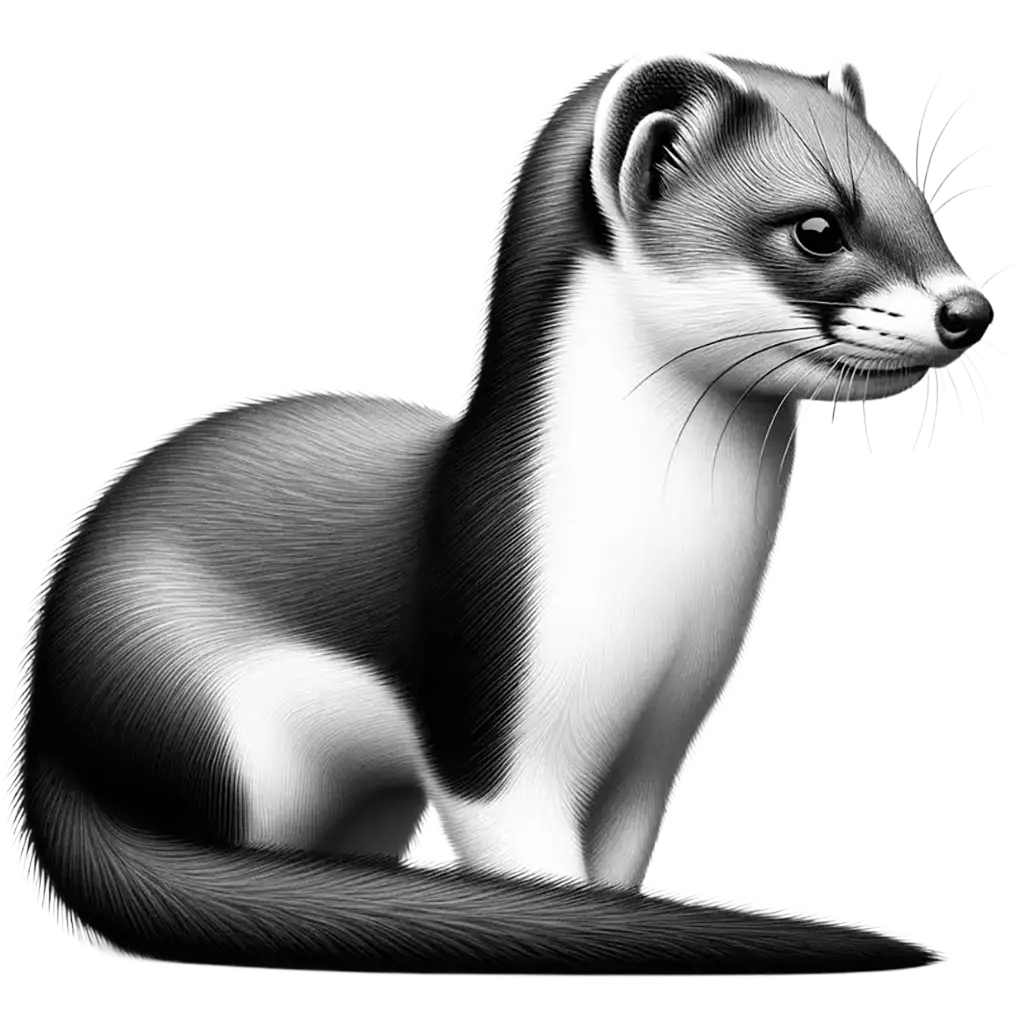
The Stoat, mustela erminea, also known as the ermine in its winter coat, is a small yet fierce carnivorous mammal known for its agility and hunting prowess. Adults can reach lengths of 17 to 32 cm, excluding a tail of 7 to 12 cm, and weigh between 90 to 350
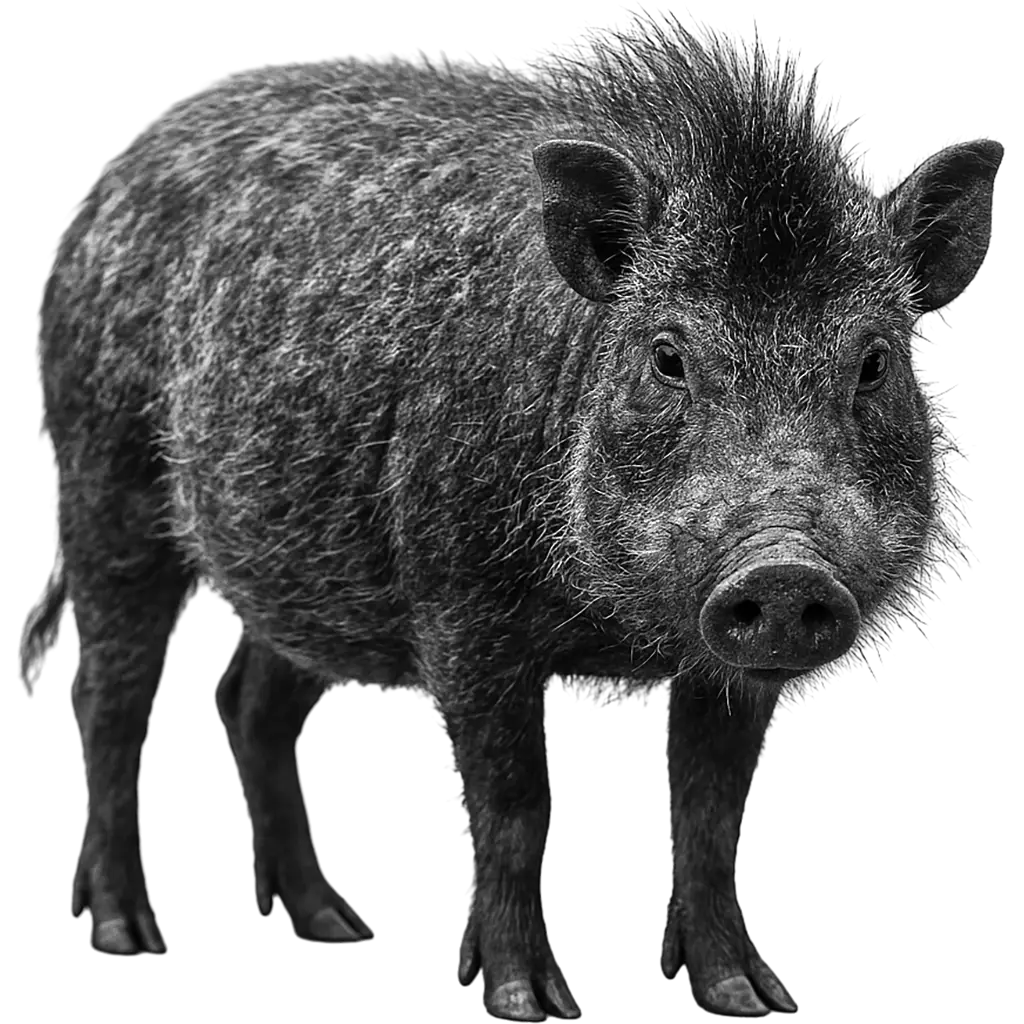
The Flores Warty Pig possesses a distinctive rugged appearance with pronounced warty facial features, a short snout, and curved tusks that give it a formidable look. Its robust body is covered in coarse, bristly hair ranging from dark brown to grey, perfectly camouflaged in forest understories. Compact and muscular, its

The Fossa, cryptoprocta ferox, is a unique and elusive carnivore native to Madagascar, often described as a 'cat-like' predator despite its closer genetic ties to mongooses and civets. This apex predator of the Malagasy forests stands as the largest mammalian carnivore on the island, with adults measuring up to 80

The Eurasian Beaver, castor fiber, is a large, primarily nocturnal, semi-aquatic mammal native to Europe and parts of Asia. This species is one of the two extant beaver species, alongside the North American beaver (Castor canadensis). Eurasian Beavers typically weigh between 11 to 30 kilograms (24 to 66 pounds), with