
Sus Celebensis Floresianus
Flores Warty Pig
Tropical forests and scrublands on Flores Island
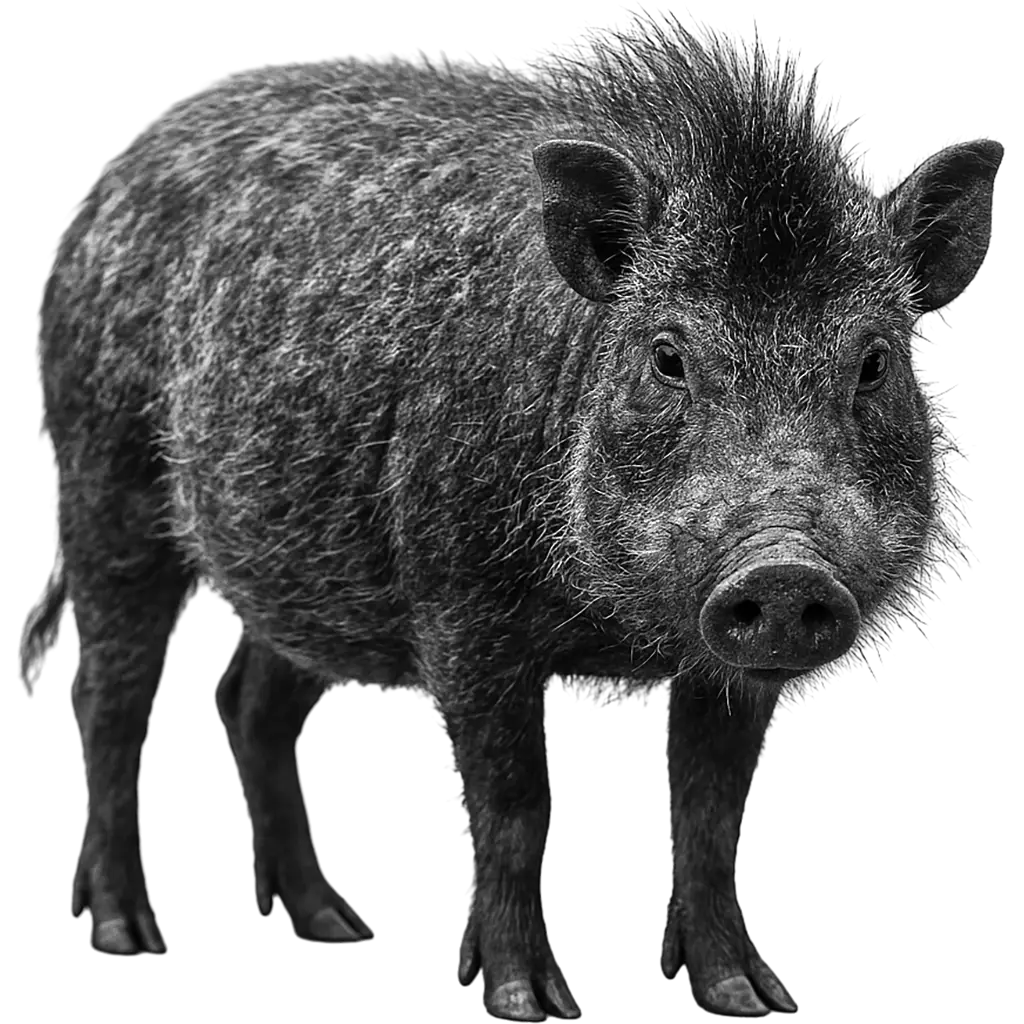
The Flores Warty Pig possesses a distinctive rugged appearance with pronounced warty facial features, a short snout, and curved tusks that give it a formidable look. Its robust body is covered in coarse, bristly hair ranging from dark brown to grey, perfectly camouflaged in forest understories. Compact and muscular, its sturdy legs and broad shoulders underscore a build engineered for endurance and agility in tropical terrains.
| Population: | Population data is limited; considered locally rare on Flores due to habitat loss |
| Generation Length: | 1-2 years |
| Average Weight: | 50-100 kg |
| Average Length: | 100-150 cm |
| Lifespan: | 8-10 years in the wild, up to 12-15 years in captivity |
| Diet: | Omnivorous, feeding on vegetation and carrion |
| Conservation Status: | Vulnerable (VU) |
The Flores Warty Pig is an active, ground-dwelling mammal that roams the dense forests and scrublands of Flores Island in small, loosely-knit groups. It is primarily crepuscular, exhibiting peak activity during early mornings and late afternoons when temperatures are milder. These pigs use established trails and natural clearings to navigate, frequently wallowing in mud to regulate body temperature and deter parasites. Their alertness to predators is enhanced by collective vigilance, and cooperative behavior reinforces social bonds within the group, ensuring enhanced survival in a challenging habitat.
The Flores Warty Pig has an omnivorous diet that is both varied and opportunistic. It feeds on an abundance of plant materials including fruits, roots, leaves, and tubers, providing essential vitamins and minerals. Additionally, it supplements its diet with small animals and insects, adding vital protein. Its strong snout is ideal for rooting through the forest floor to unearth hidden food sources. This versatile foraging strategy aids in seed dispersal and enables the pig to adjust to seasonal food fluctuations, ensuring proper nutrition even during lean periods.
During the mating season, the Flores Warty Pig exhibits energetic, polygynous courtship displays. Males engage in competitive behaviors such as wallowing and vocalizing to attract females, while brief physical contests determine mating opportunities. Once paired, females conceive and prepare to rear their young with minimal male involvement.
Current research indicates that the Flores Warty Pig is facing significant challenges from habitat loss and hunting pressures. The species is now restricted to fragmented areas of Flores Island, resulting in localized declines. Despite conservation efforts, ongoing environmental and human impacts continue to threaten its numbers, making targeted preservation initiatives essential for its future survival.
Classifications
The Key Attributes
Features
- Movement:
Quadrupedal
- Territorial Behavior:
Social, often found in small groups
- Speed:
Moderate
- Diet:
Omnivorous
- Physical Features:
- Warty facial structures
- Robust body build
- Coarse, bristly hair
- Short snout
- Curved tusks
- Primary Senses:
- Smell
- Hearing
Understanding Habitat and Range
Geography
- Habitat:
Tropical forests and scrublands on Flores Island
- Migration Patterns:
Non-migratory; primarily sedentary
- Geographical Range:
Endemic to Flores Island, Indonesia
- Climate Preferences:
Tropical, with distinct wet and dry seasons
Navigating the Wilderness
In the wild
- Predators:
Large carnivores and humans
- Prey:
Plant matter, occasionally small invertebrates
- Feeding Behavior:
Forages on a variety of plant material, roots, fruits, and small animals
- Diet:
Omnivorous, feeding on vegetation and carrion
- Defensive Mechanisms:
- Camouflage
- Group defense
- Aggressive charge when threatened
- Preferred Food Sources:
- Fruits
- Roots
- Small animals
Insights Into Reproduction
Mating
- Mating System:
Polygynous
- Number of Offspring:
3-6 per litter
- Incubation Period:
115-120 days
- Parental Involvement:
- Female raises young with minimal male involvement
Youngsters Section
Flores Warty Pig
Fun Fact
Flores Warty Pigs exhibit distinctive warty facial features and robust builds.
They play a crucial role in forest ecosystems, aiding in seed dispersal and nutrient cycling. Their agile foraging and social behaviors continue to intrigue conservationists, highlighting the importance of protecting their dwindling habitat.

Download word search puzzles
Word Search Puzzles


Check Out Other Mammals
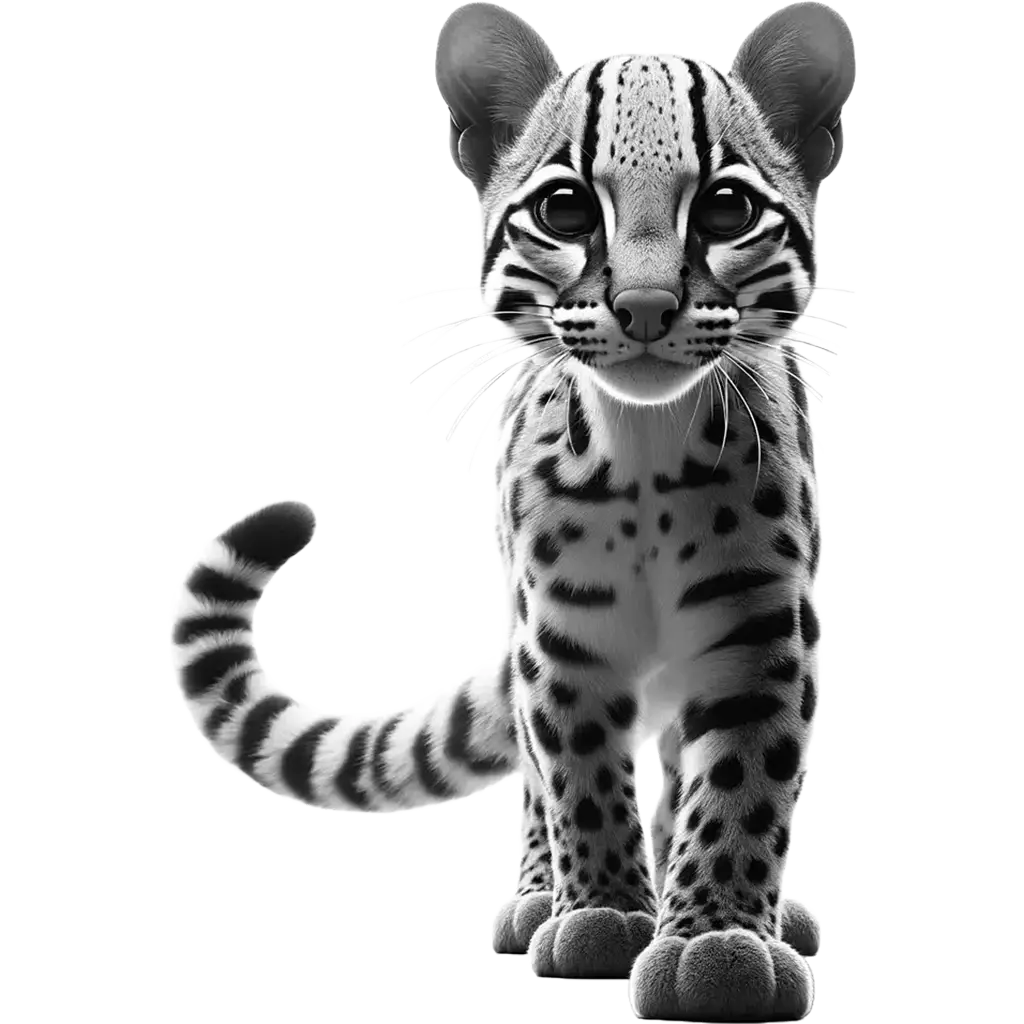
The Ocelot, leopardus pardalis, is a medium-sized wild cat native to the Americas, with a range that extends from the southern United States through Central and South America to northern Argentina. Adults typically weigh between 8 to 15 kg and measure about 55 to 100 cm in length, with a

The Bonobo is a slender, graceful great ape with a fine, dark coat of hair that covers its lithe body, contrasting with a distinctly pinkish face and expressive, soft features. Its long arms and agile hands speak to its arboreal past, while its gentle eyes and unique facial expressions reflect
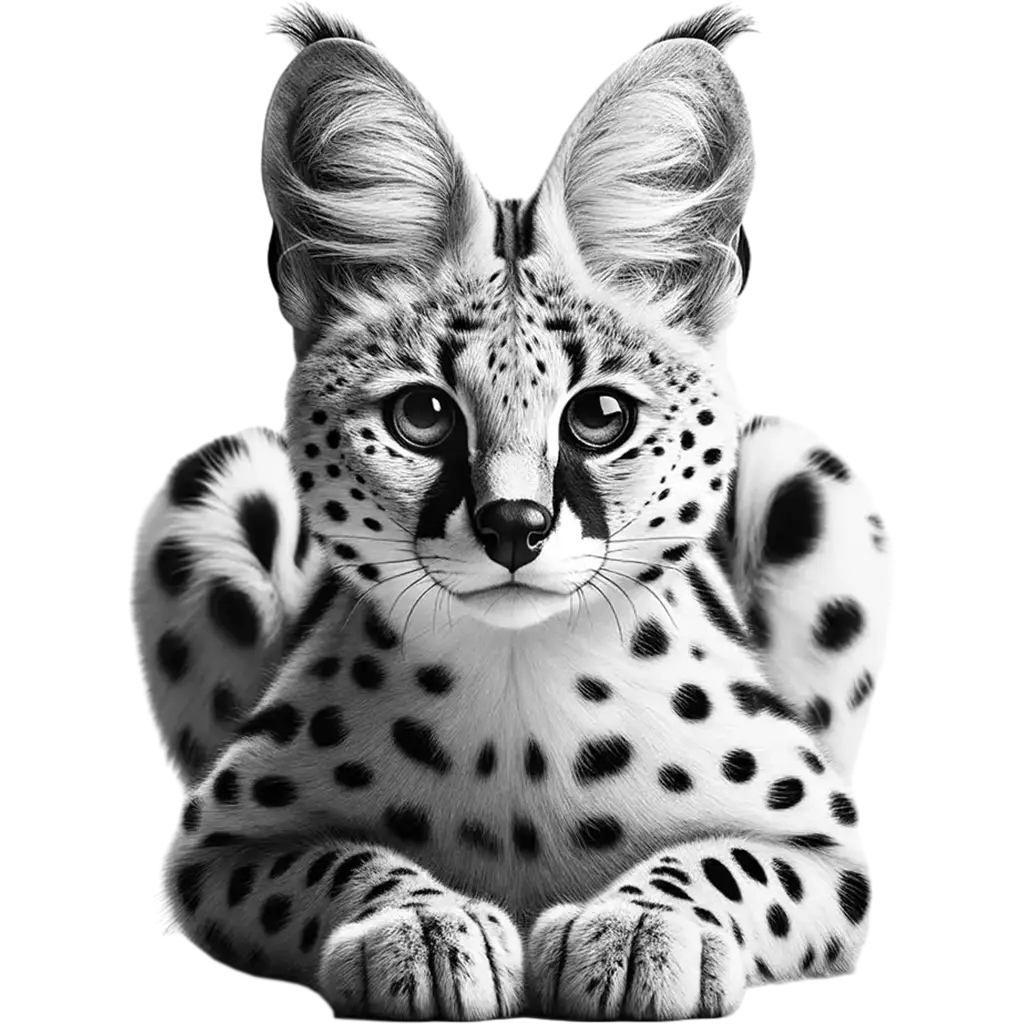
The Serval, leptailurus Serval, is a medium-sized African wild cat known for its distinctive physical characteristics and hunting prowess. Adults can stand up to 60 cm at the shoulder and weigh between 9 to 18 kg. The Serval is characterized by its slender build, long legs, and large ears, which
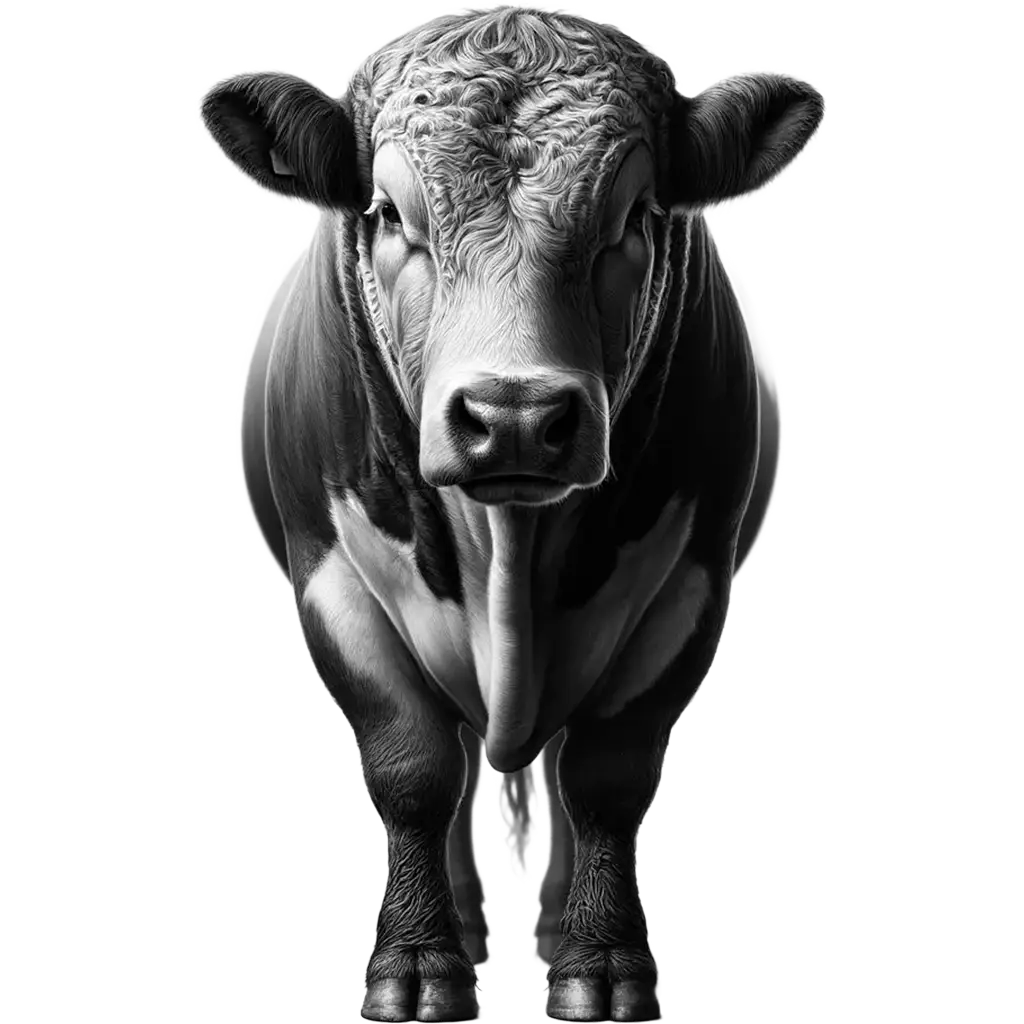
The Shorthorn breed of cattle, known for its diverse utility in both dairy and beef production, showcases a variety of coat colors including red, white, and the distinctive roan, which is a mix of the two. This medium to large-sized breed features a broad and deep body, strong legs, and