
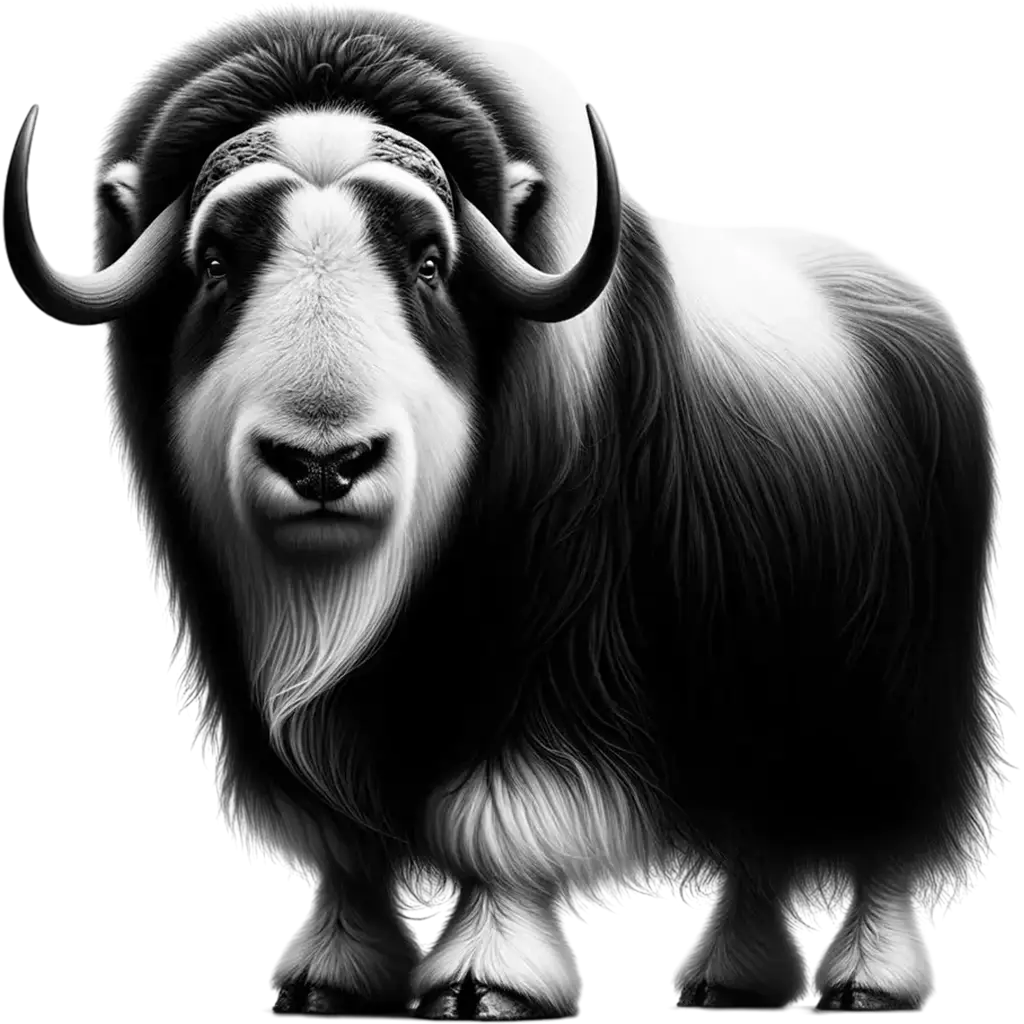
Ovibos Moschatus
Muskox
Arctic tundra and boreal forest regions
The Muskox, ovibos moschatus, is a robust, Arctic mammal known for its thick coat and strong, musky odor from which it derives its name. Adult Muskoxen can weigh between 200 to 400 kg and stand up to 1.5 meters tall at the shoulder. They exhibit a distinctive appearance with a broad head, short legs, and a large, humped back covered in long, shaggy fur that reaches almost to the ground. This fur includes a woolly underlayer called qiviut, which is among the warmest fibers in the animal kingdom. Both males and females possess curved horns that frame their face, providing defense against predators.
| Population: | Listed as Least Concern, with stable populations in some areas and reintroduction efforts in others |
| Generation Length: | 8-10 years |
| Average Weight: | 200-400 kg |
| Average Length: | 1.4-2.1 meters in body length, with a height of about 1.2 meters at the shoulder |
| Lifespan: | 12-20 years in the wild |
| Diet: | Herbivorous, adapted to grazing on sparse tundra vegetation |
| Conservation Status: | Least Concern (LC) |
Muskoxen inhabit the Arctic tundra regions of North America and Greenland, where they are well adapted to extreme cold temperatures. They are social animals, forming herds that can range from a few individuals to over 20, depending on the season and environmental conditions. These herds are structured around a dominant male, and during the rut, males compete for dominance and the right to mate with females within the group.
The diet of the Muskox is herbivorous, consisting primarily of Arctic grasses, mosses, and lichens. In the winter, they use their strong hooves to dig through snow to reach vegetation. This diet changes seasonally, with Muskoxen consuming more flowering plants, willows, and shrubs during the brief Arctic summer when these resources are more abundant.
Reproduction in Muskoxen involves a gestation period of about 8 to 9 months, with most births occurring in April or May when the snow begins to melt. Females typically give birth to a single calf, which can stand and follow its mother within hours. The calves are then raised within the safety of the herd, where they are protected from predators like wolves.
The population of the Muskox was once threatened by overhunting, but conservation efforts, including hunting regulations and reintroduction programs, have helped stabilize their numbers. While not currently considered endangered, Muskoxen face new challenges from climate change, which threatens to alter their habitat and food sources. Conservation efforts continue to focus on habitat protection and monitoring of population dynamics to ensure the long-term survival of this iconic Arctic species.
Classifications
The Key Attributes
Features
- Movement:
Walking, running
- Territorial Behavior:
Herding, with strong social bonds
- Speed:
Not particularly fast but can charge if threatened
- Diet:
Herbivore
- Physical Features:
- Thick, shaggy fur with a woolly undercoat for insulation
- Long curved horns used for defense and dominance displays
- Sturdy body with short legs
- Beard and mane of longer hair
- Primary Senses:
- Sight
- Hearing
- Smell
Understanding Habitat and Range
Geography
- Habitat:
Arctic tundra and boreal forest regions
- Migration Patterns:
Non-migratory, but seasonal movements within home ranges
- Geographical Range:
Native to Arctic regions of North America and Greenland
- Climate Preferences:
Cold, Arctic conditions
Navigating the Wilderness
In the wild
- Predators:
Wolves, bears, and humans
- Prey:
Not applicable
- Feeding Behavior:
Grazes on grasses, mosses, and arctic willows
- Diet:
Herbivorous, adapted to grazing on sparse tundra vegetation
- Defensive Mechanisms:
- Forming defensive circles with horns outwards to protect against predators
- Thick fur and skin to withstand cold and deter predators
- Preferred Food Sources:
- Tundra regions rich in grasses, mosses, and willows
Insights Into Reproduction
Mating
- Mating System:
Polygynous, with dominant males controlling access to females
- Number of Offspring:
Usually one calf
- Gestation Period:
8-9 months
- Parental Involvement:
- Females care for the calves, with the herd offering protection
Youngsters Section
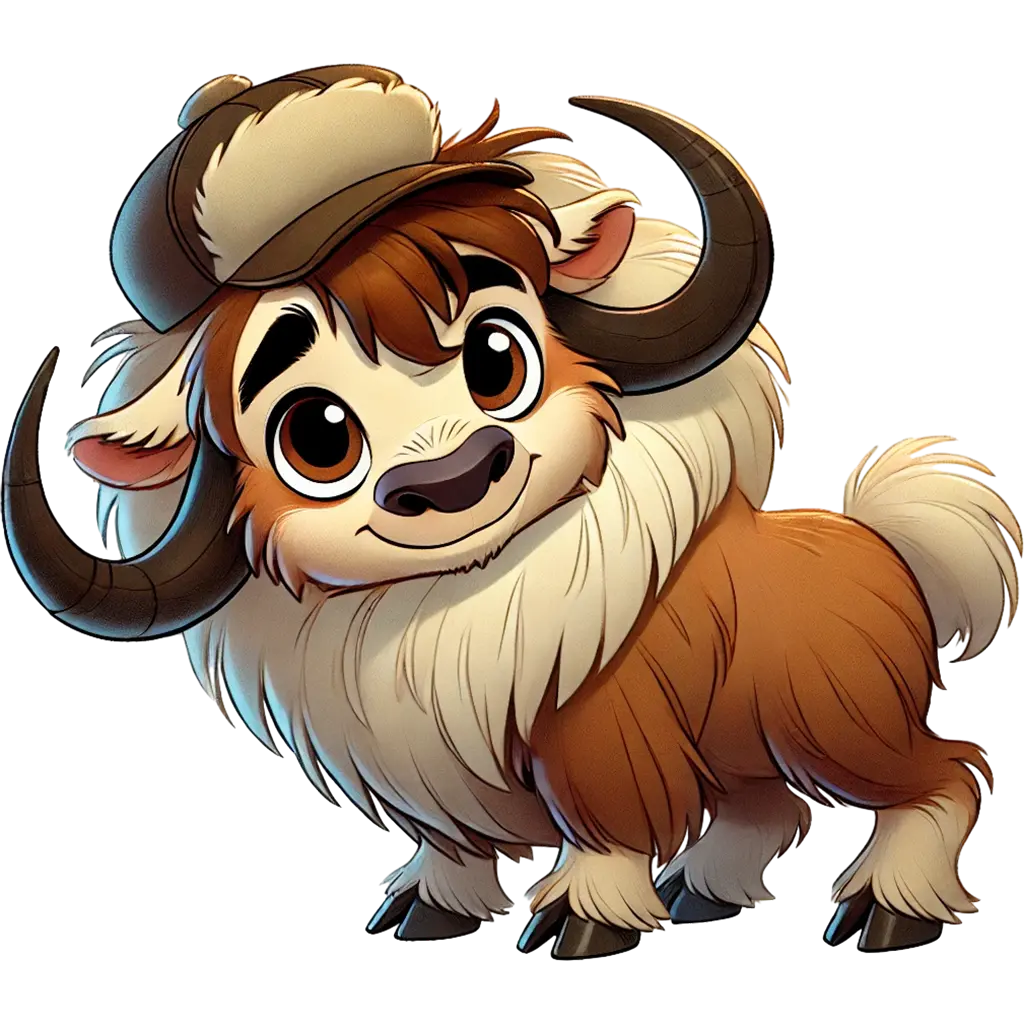
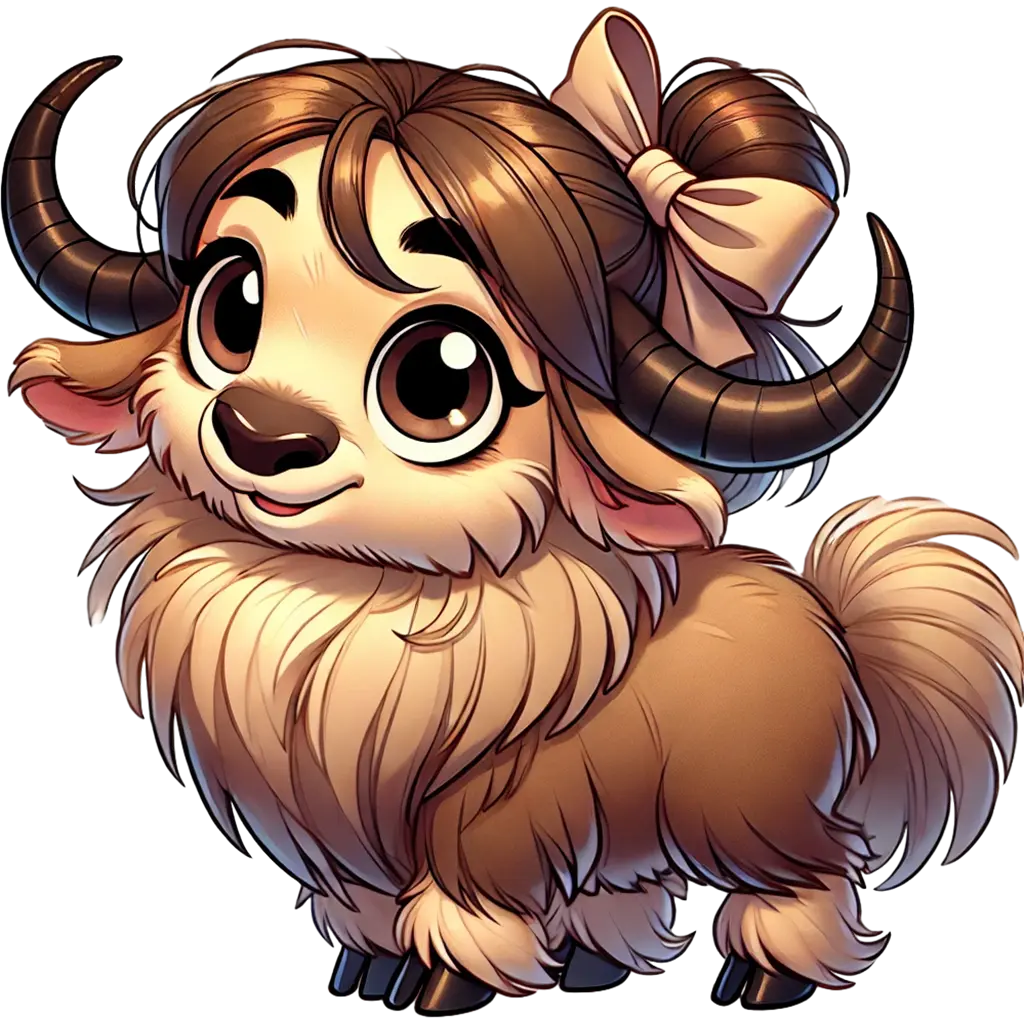
Muskox
Fun Fact
Muskoxen have a unique defense strategy where they form a protective circle around their young.
This circle formation, known as a "muskox circle," is effective against predators like wolves. Adult muskoxen face outward, presenting their formidable horns to deter threats. This strategy showcases their strong social bonds and teamwork, vital for survival in Arctic conditions.

Download word search puzzles
Word Search Puzzles
Check Out Other Mammals
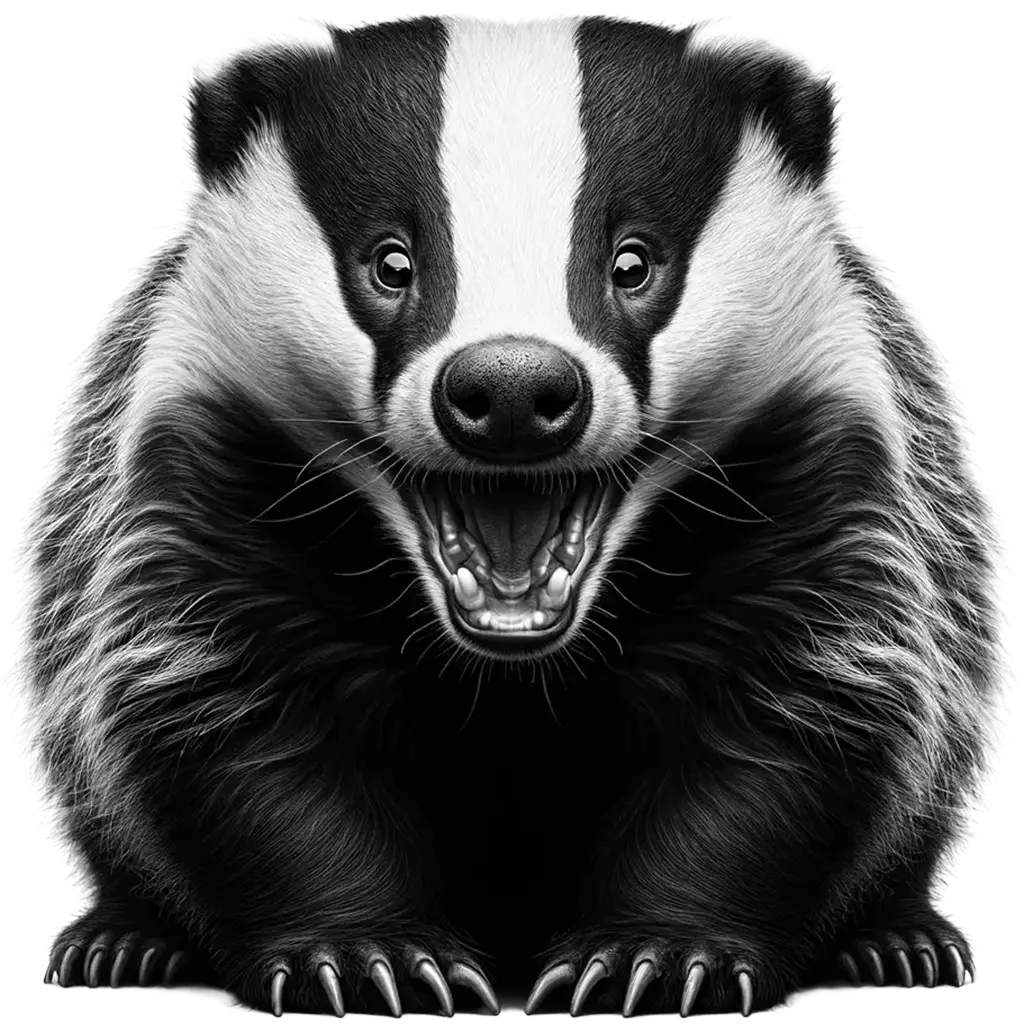
The American Badger, taxidea taxus, is a robust, low-slung mammal known for its powerful digging abilities, which are facilitated by its strong forelimbs and long claws. This creature sports a distinctive appearance with a broad, flat body, short legs, and a short, bushy tail. Adults typically measure around 60 to
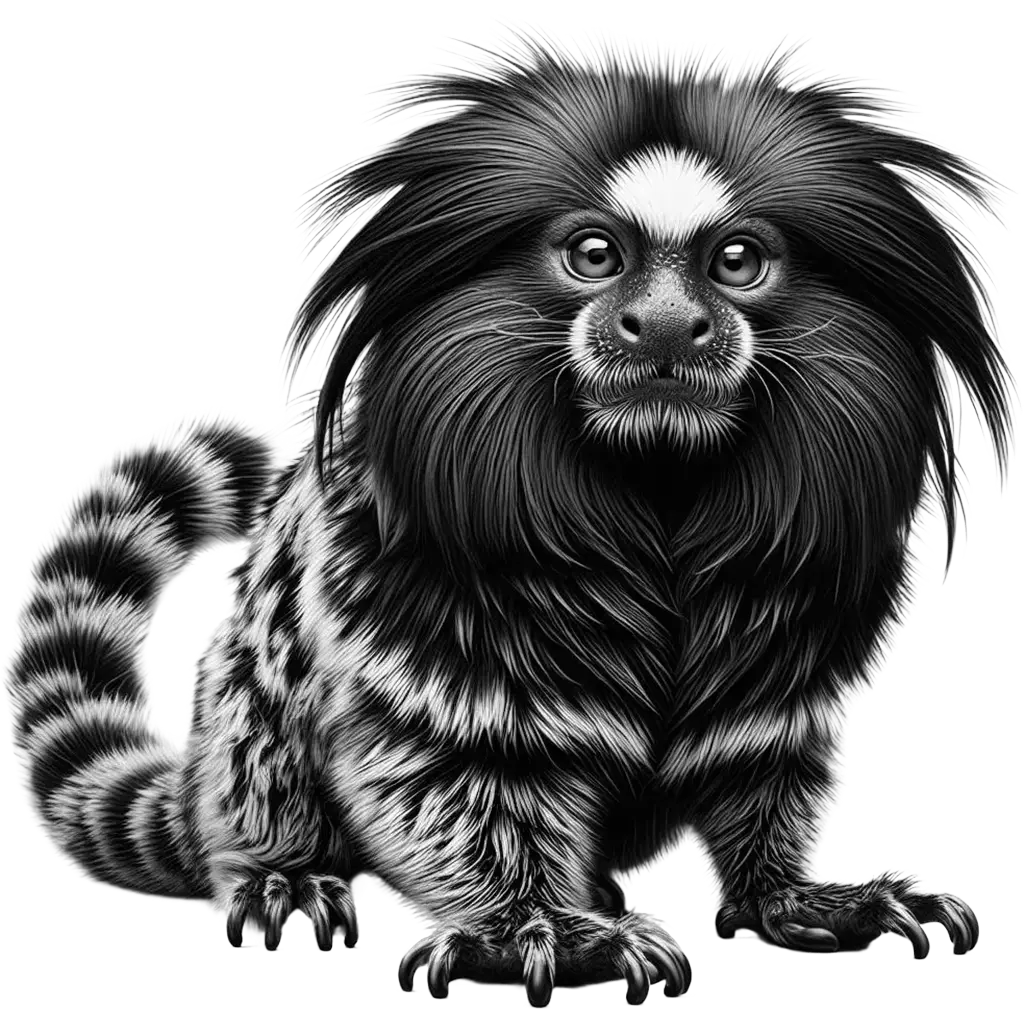
The Common Marmoset, callithrix jacchus, is a small, vivacious primate native to the northeastern regions of Brazil. Characterized by its diminutive size, adults typically weigh between 150 to 400 grams and measure around 18 to 28 centimeters in body length, with a tail that can extend up to 25 to
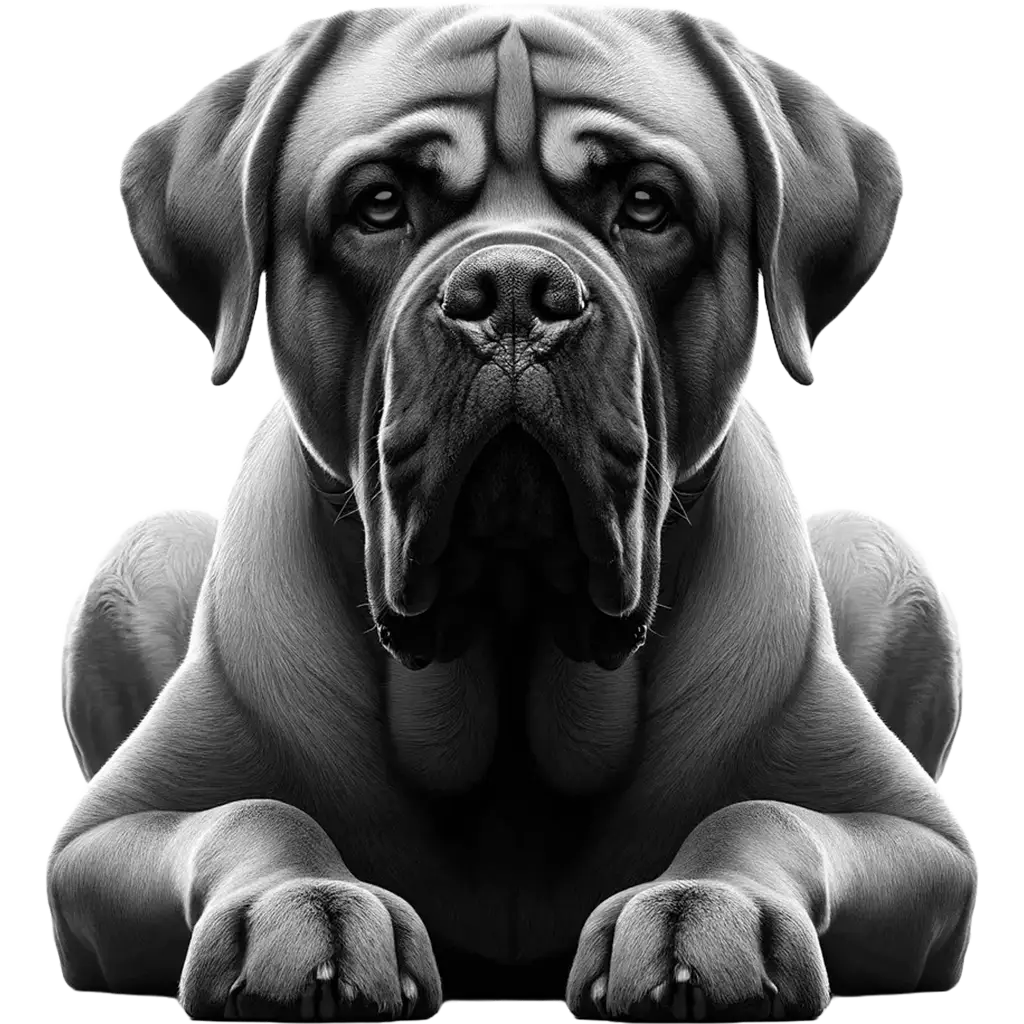
The Mastiff, known for its immense size and gentle demeanor, is one of the oldest and most majestic breeds of dogs. Characterized by a massive head, broad skull, and a well-defined stop, the Mastiff's appearance exudes power and nobility. Their coat, which can be fawn, apricot, or brindle, is complemented
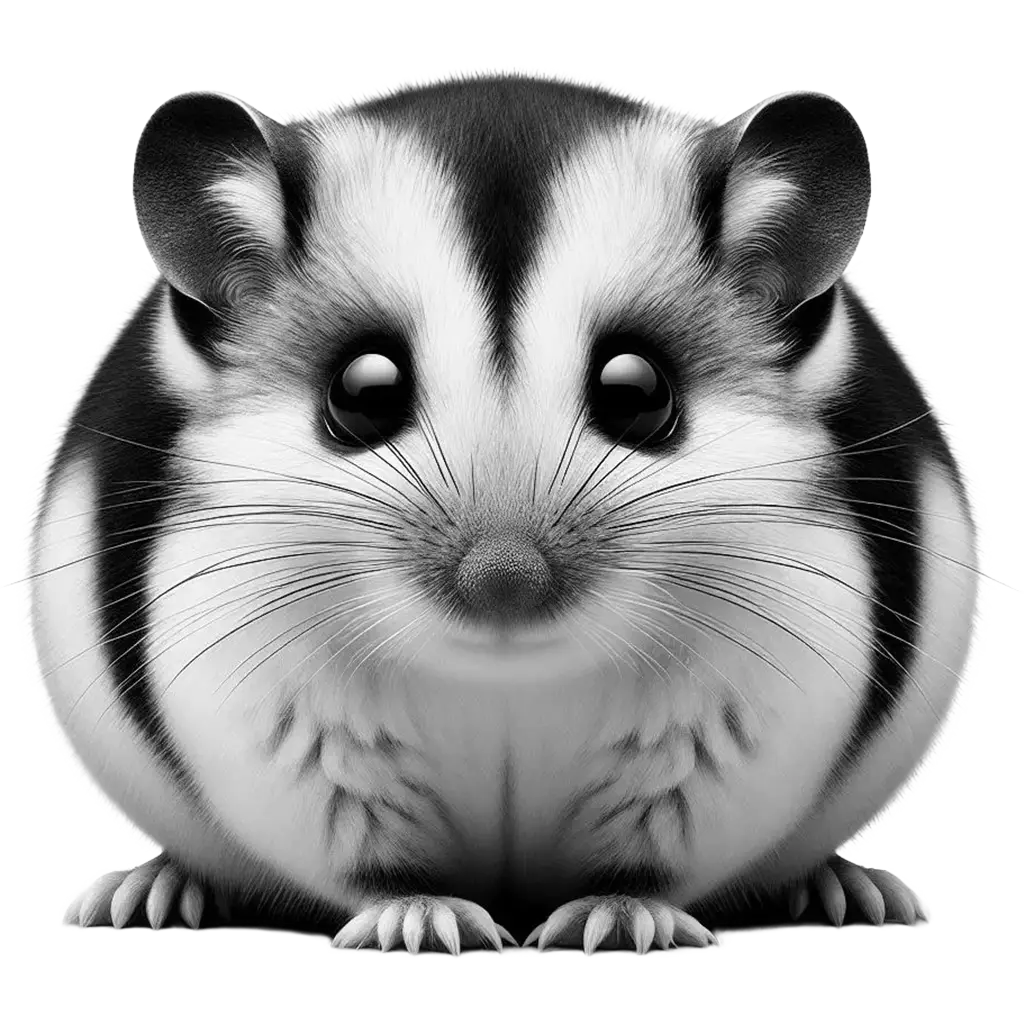
The Forest Dormouse, dryomys nitedula, is a small, nocturnal rodent found across much of Europe and parts of Asia, from Spain and Poland eastward to Mongolia and northern Iran. This species is characterized by its large, dark eyes, rounded ears, and a bushy tail with a white tip, which contributes