
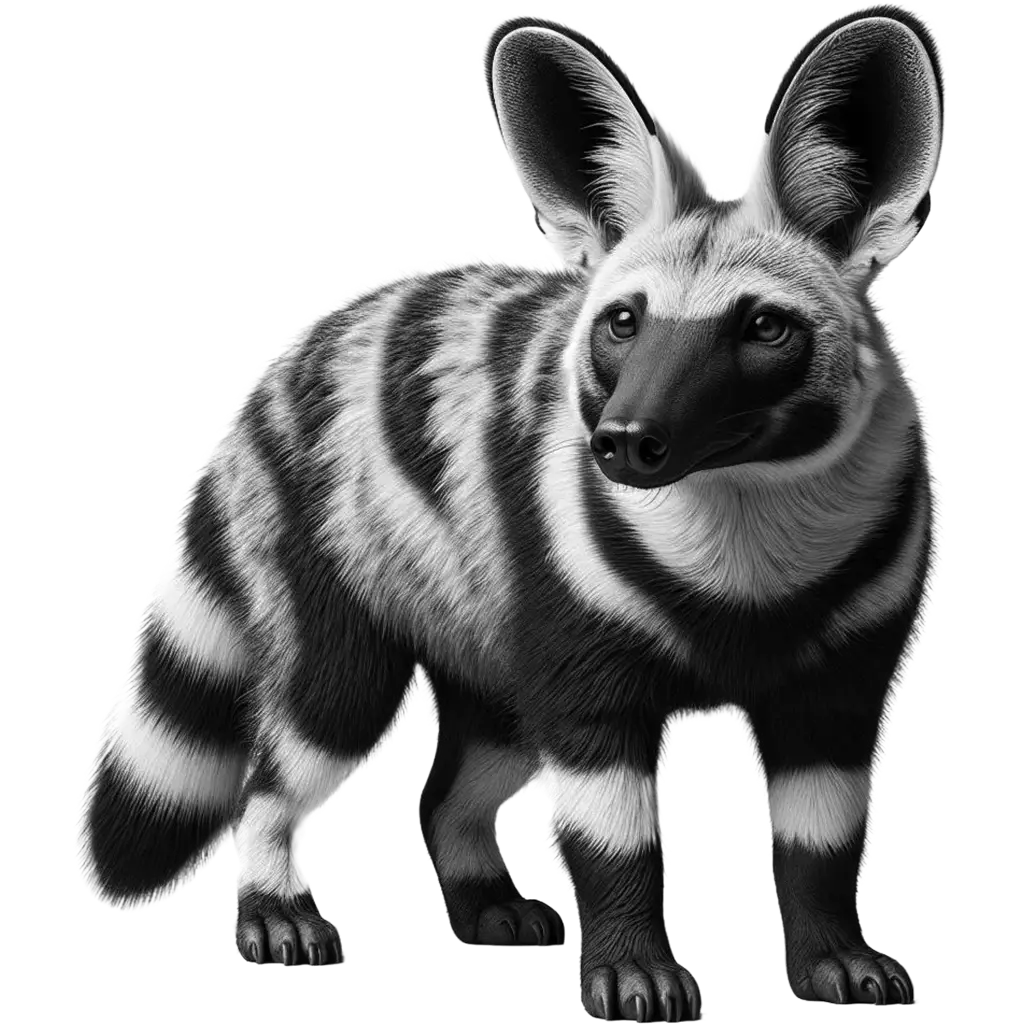
Proteles Cristatus
Aardwolf
Grasslands, savannas, open forests
The Aardwolf, proteles cristatus, is a small, insectivorous mammal, distinct from its larger carnivorous relatives in the Hyaenidae family, such as hyenas. With a shoulder height of about 40 to 50 cm and weighing between 8 to 14 kg, the Aardwolf possesses a slender frame, covered in a coarse yellow-brown to white coat, marked with distinct black stripes along its body and legs. Its long, bushy tail and pointed ears add to its unique appearance, while its mane, which can be erected in response to threats, gives it a larger and more intimidating look.
| Population: | Unknown, but not considered endangered |
| Generation Length: | 3-4 years |
| Average Weight: | 8-14 kg |
| Average Length: | 55-80 cm (body), 20-25 cm (tail) |
| Lifespan: | 10-12 years in the wild, up to 15 years in captivity |
| Diet: | Almost exclusively termites |
| Conservation Status: | Least Concern (LC) |
Primarily nocturnal, the Aardwolf inhabits the open, dry plains and bushland of Eastern and Southern Africa. Unlike other hyenas, it is not a scavenger but specializes in feeding on termites, particularly those of the genus Trinervitermes. It uses its keen sense of hearing to detect termites and a long, sticky tongue to consume them. This specialized diet means the Aardwolf plays a crucial role in controlling termite populations, benefiting its ecosystem.
The Aardwolf's diet is almost exclusively composed of termites, capable of consuming up to 200,000 termites in a single night. It has adapted to this diet with a reduced dentition, as it does not need strong jaws to crush bone or tear flesh. During the rainy season, when termite activity is high, the Aardwolf can be seen foraging alone, using its acute hearing and sense of smell to locate termite mounds.
Reproduction in the Aardwolf involves monogamous pairs that share a territory, which they defend against other pairs. Females give birth to two to four cubs after a gestation period of about 90 days. Cubs are raised in underground dens, emerging at about two months old to accompany their parents on foraging trips. This family structure is vital for the survival of the young, providing them protection and teaching them how to forage.
The population of the Aardwolf is considered stable, though it faces threats from habitat loss and occasional poisoning, often due to mistaken identity as a livestock predator. Conservation efforts for the Aardwolf include habitat protection and raising awareness to prevent accidental poisoning. Their role as termite controllers highlights the importance of the Aardwolf in maintaining the balance of their natural habitats.
Classifications
The Key Attributes
Features
- Movement:
Quadrupedal
- Territorial Behavior:
Solitary or pairs within territories
- Speed:
Moderate
- Diet:
Insectivore
- Physical Features:
- Striped fur
- Mane that erects when threatened
- Elongated muzzle
- Sharp claws
- Primary Senses:
- Smell
- Hearing
- Sight
Understanding Habitat and Range
Geography
- Habitat:
Grasslands, savannas, open forests
- Migration Patterns:
Non-migratory
- Geographical Range:
Eastern and Southern Africa
- Climate Preferences:
Prefers arid to semi-arid climates
Navigating the Wilderness
In the wild
- Predators:
Lions, leopards, hyenas
- Prey:
Termites, particularly harvester termites
- Feeding Behavior:
Nocturnal forager
- Diet:
Almost exclusively termites
- Defensive Mechanisms:
- Erecting mane
- Vocalizations
- Secretion of a foul-smelling substance from its anal gland
- Preferred Food Sources:
- Harvester termites
Insights Into Reproduction
Mating
- Mating System:
Monogamous
- Number of Offspring:
2-4
- Gestation Period:
90-110 days
- Parental Involvement:
- Both parents involved in rearing young
- Male guards the den
Youngsters Section
Aardwolf
Fun Fact
Aardwolves are nocturnal animals that primarily feed on termites and have a specialized diet.
They use their long, sticky tongues to lap up termites, consuming up to 300,000 in one night. Unlike other hyenas, aardwolves do not hunt large prey, relying instead on their keen sense of smell to locate termite mounds.

Download word search puzzles
Word Search Puzzles

Check Out Other Mammals
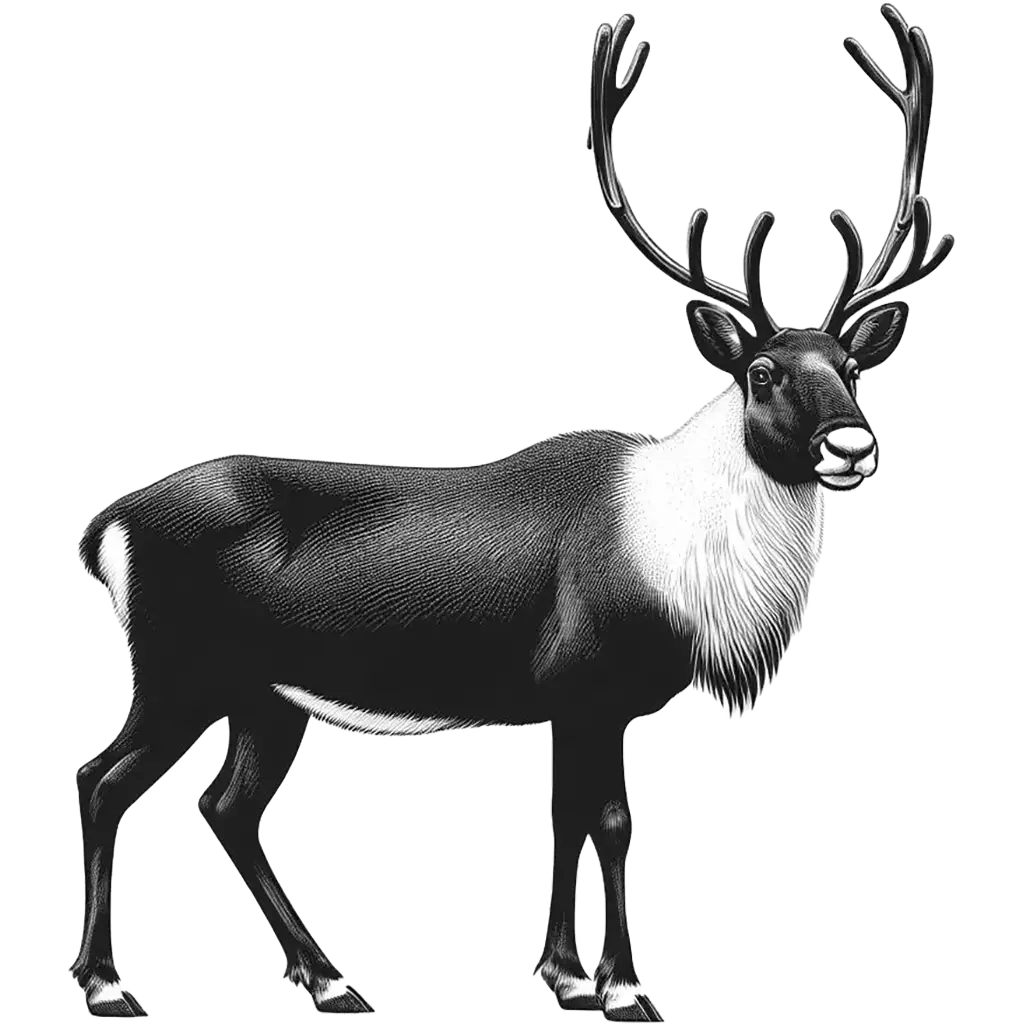
The Reindeer, rangifer tarandus, also known as the caribou in North America, is a species of deer native to Arctic, sub-Arctic, tundra, boreal, and mountainous regions of northern Europe, Siberia, and North America. This species is unique among deer for its adaptations to cold environments, including a thick coat of
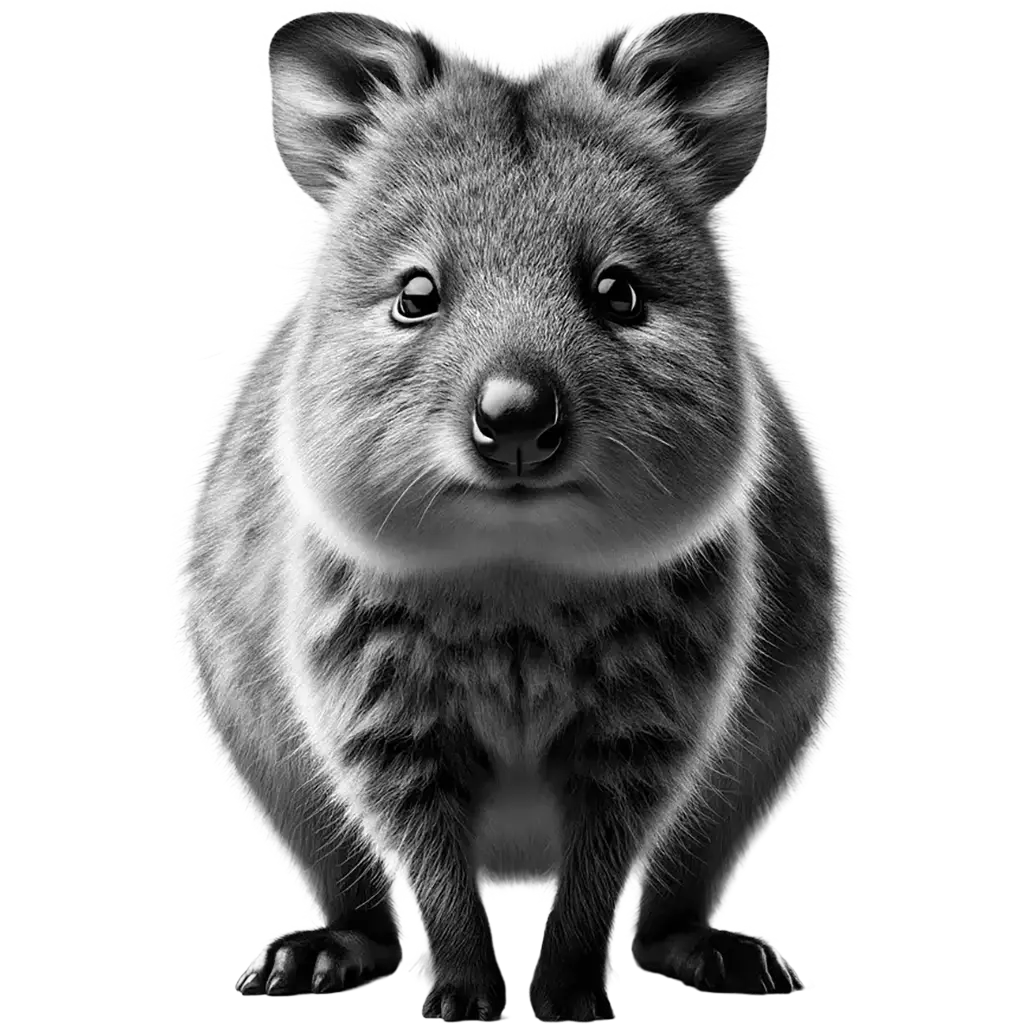
The Quokka, setonix brachyurus, is a small marsupial native to small islands off the coast of Western Australia, most notably Rottnest Island, as well as some areas in the mainland's southwestern part. Recognizable by its compact, rounded body, the Quokka is roughly the size of a domestic cat, with adults
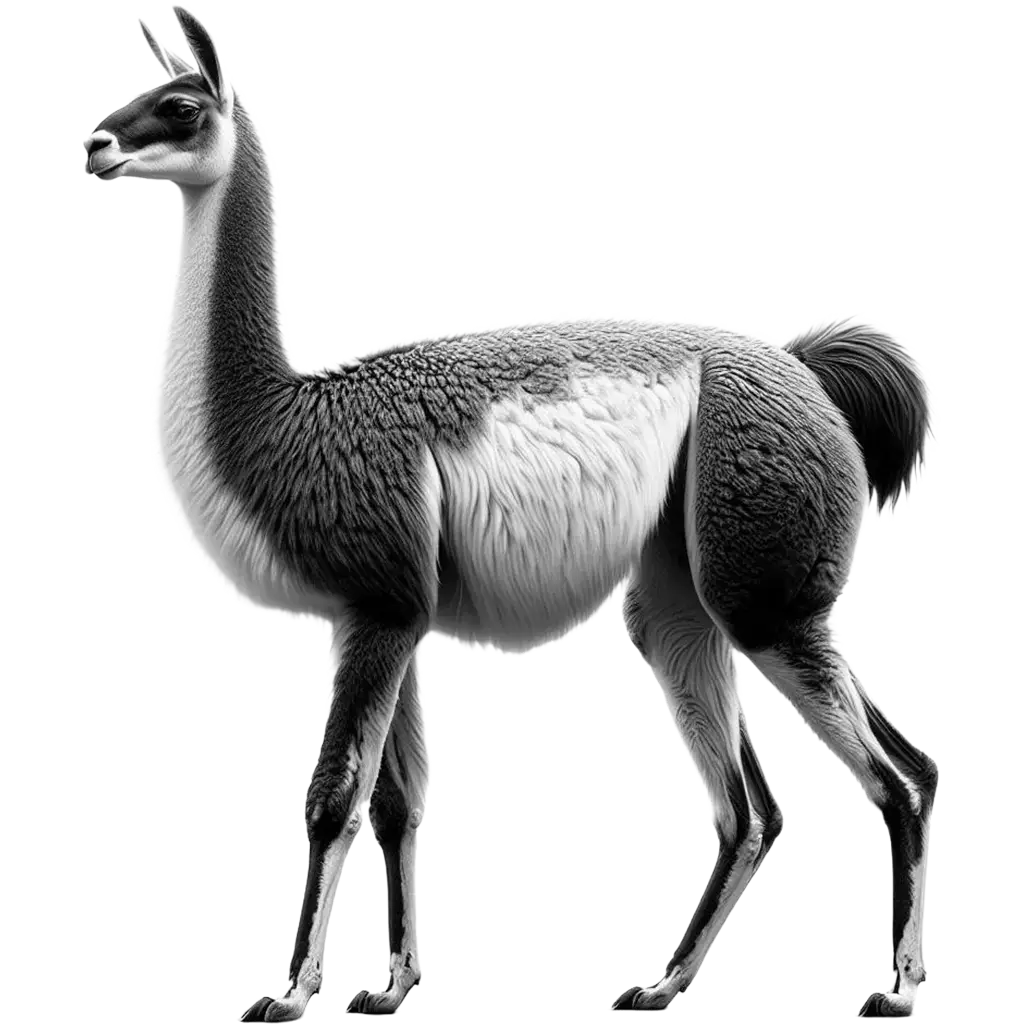
The Guanaco, lama guanicoe, is a camelid native to South America, closely related to the domesticated llama and a wild ancestor to the alpaca. Adult Guanacos stand about 1 to 1.2 meters (3.3 to 3.9 feet) at the shoulder and weigh between 90 to 140 kilograms (200 to 310 pounds).
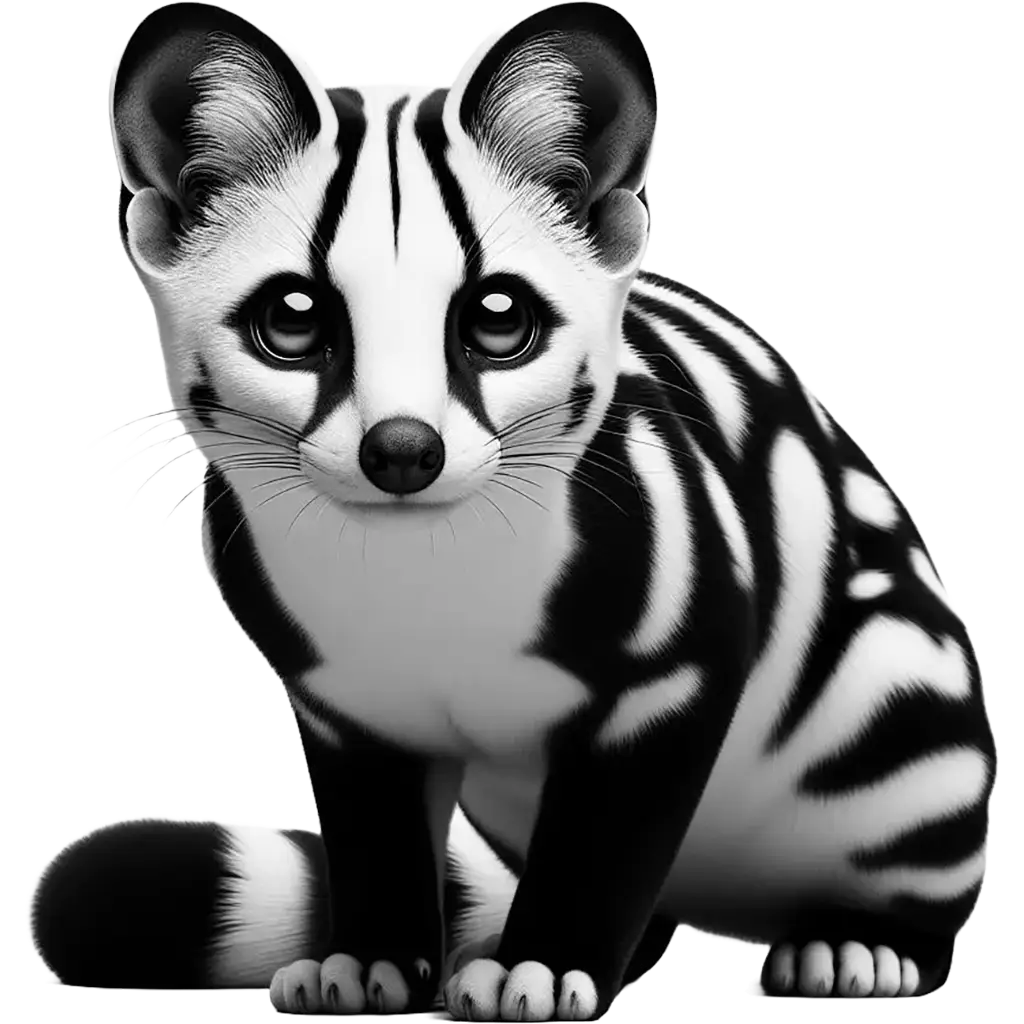
The Hausa Genet, Genetta thierryi, is a small, elusive carnivore native to West Africa, with its range extending from Senegal to Nigeria. This species is one of the lesser-known members of the Viverridae family, which includes genets and civets. Adult Hausa Genets typically measure between 40 to 46 centimeters (15.7