
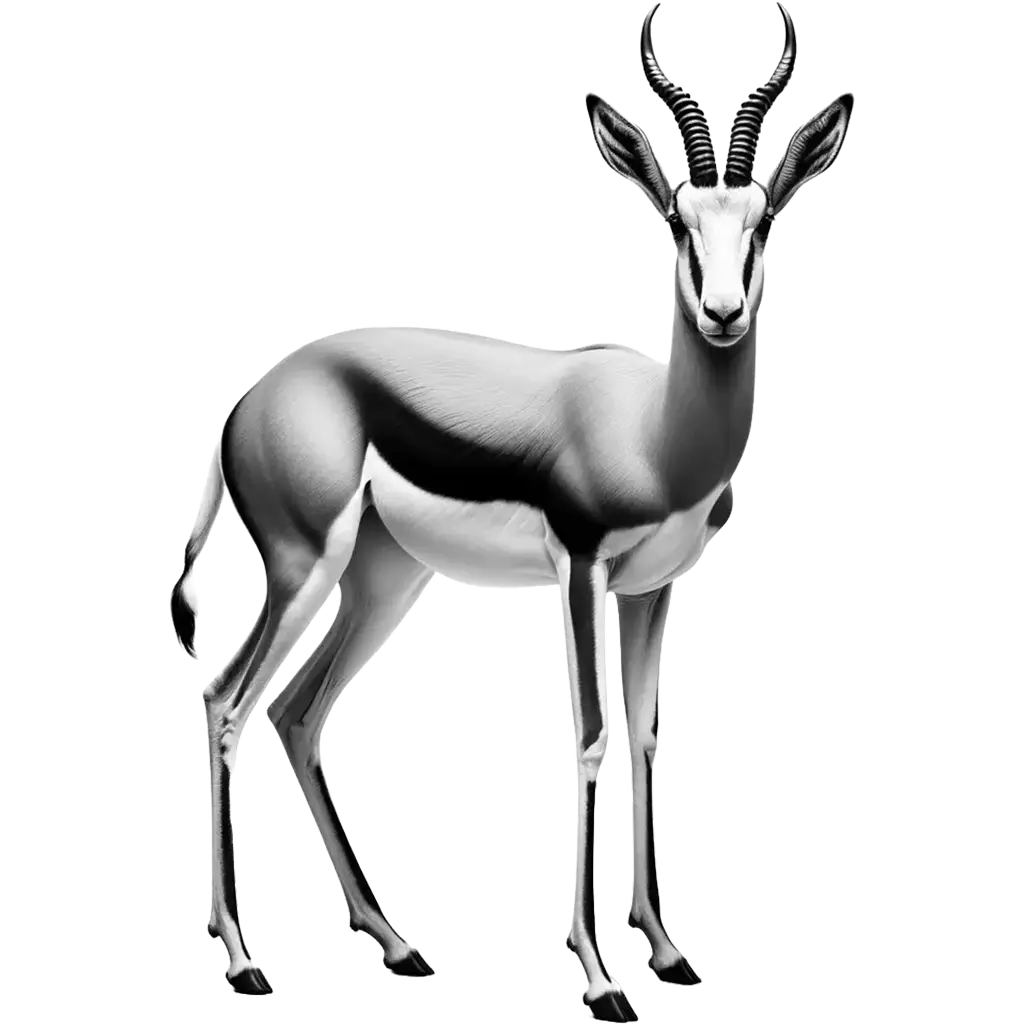
Antidorcas Marsupialis
Springbok
Open plains, savannas, and shrublands
The Springbok, antidorcas marsupialis, is a medium-sized antelope renowned for its remarkable agility and distinctive appearance. Adults stand about 75 cm tall at the shoulder and weigh between 30 to 50 kg. Their coat is primarily a glossy tan, with a unique pattern featuring a dark brown stripe running laterally along their sides, separating the white underbelly from the rest of their body. They also have a distinctive white face with dark stripes running from the eyes to the mouth, and long, pointed horns that curve backwards, present in both males and females, though males' horns are thicker and longer.
| Population: | Listed as Least Concern, with stable populations |
| Generation Length: | 5-6 years |
| Average Weight: | 27-40 kg |
| Average Length: | 120-150 cm in body length, with a height of 75 cm at the shoulder |
| Lifespan: | 7-10 years in the wild |
| Diet: | Primarily herbivorous, consuming a variety of grasses and shrubs |
| Conservation Status: | Least Concern (LC) |
Native to the arid regions of southern Africa, Springboks inhabit the savannahs, grasslands, and semi-desert areas where they can find their preferred grasses and shrubs. They are highly adaptable and can survive in harsh environments by deriving moisture from the food they eat, reducing their dependence on direct water sources. Springboks are known for their herding behavior, forming large groups that migrate seasonally in response to rainfall and grazing availability.
The diet of the Springbok primarily consists of grasses, leaves, and shoots. During the rainy season, they feed extensively on fresh grasses, while in dryer periods, they turn to shrubs and succulents that retain moisture. This adaptability in feeding habits allows them to thrive in the variable climates of their habitat.
Reproduction in Springboks is characterized by a unique phenomenon known as 'pronking' or 'stotting,' where individuals leap into the air with an arched back and folded legs, often as part of their mating rituals. Females give birth to a single calf after a gestation period of about five to six months. The young are hidden in vegetation for a few weeks before joining the herd, a strategy that helps protect them from predators.
The population of the Springbok is considered stable and is not currently at risk, thanks to their wide distribution and adaptability. However, they continue to face threats from habitat loss due to agriculture and fencing, which disrupts their natural migration patterns. Conservation efforts are focused on habitat preservation and the maintenance of migration corridors to ensure the long-term survival of this iconic African antelope.
Classifications
The Key Attributes
Features
- Movement:
Walking, running, pronking (jumping)
- Territorial Behavior:
Gregarious, forms large herds
- Speed:
Can reach speeds of up to 90 km/h
- Diet:
Herbivore
- Physical Features:
- Sleek, gazelle-like build
- Distinctive dark stripe along the side of the body
- Long, pointed horns in both sexes
- Known for 'pronking', a unique leaping behavior
- Primary Senses:
- Sight
- Hearing
- Smell
Understanding Habitat and Range
Geography
- Habitat:
Open plains, savannas, and shrublands
- Migration Patterns:
Partial migrations depending on rainfall and food availability
- Geographical Range:
Southern Africa, predominantly found in Namibia, Botswana, South Africa, and parts of Angola
- Climate Preferences:
Prefers arid to semi-arid climates
Navigating the Wilderness
In the wild
- Predators:
Lions, cheetahs, leopards, and hyenas
- Prey:
Not applicable
- Feeding Behavior:
Grazes on grasses and browses on shrubs and succulents
- Diet:
Primarily herbivorous, consuming a variety of grasses and shrubs
- Defensive Mechanisms:
- Fast running speed
- 'Pronking' or leaping to show fitness and possibly deter predators
- Herd behavior to increase vigilance and protect against predators
- Preferred Food Sources:
- Grasslands and open savannas rich in vegetation
Insights Into Reproduction
Mating
- Mating System:
Polygynous
- Number of Offspring:
Usually one calf
- Gestation Period:
About 5-6 months
- Parental Involvement:
- Females care for the young, with weaning occurring at a few months old
Youngsters Section
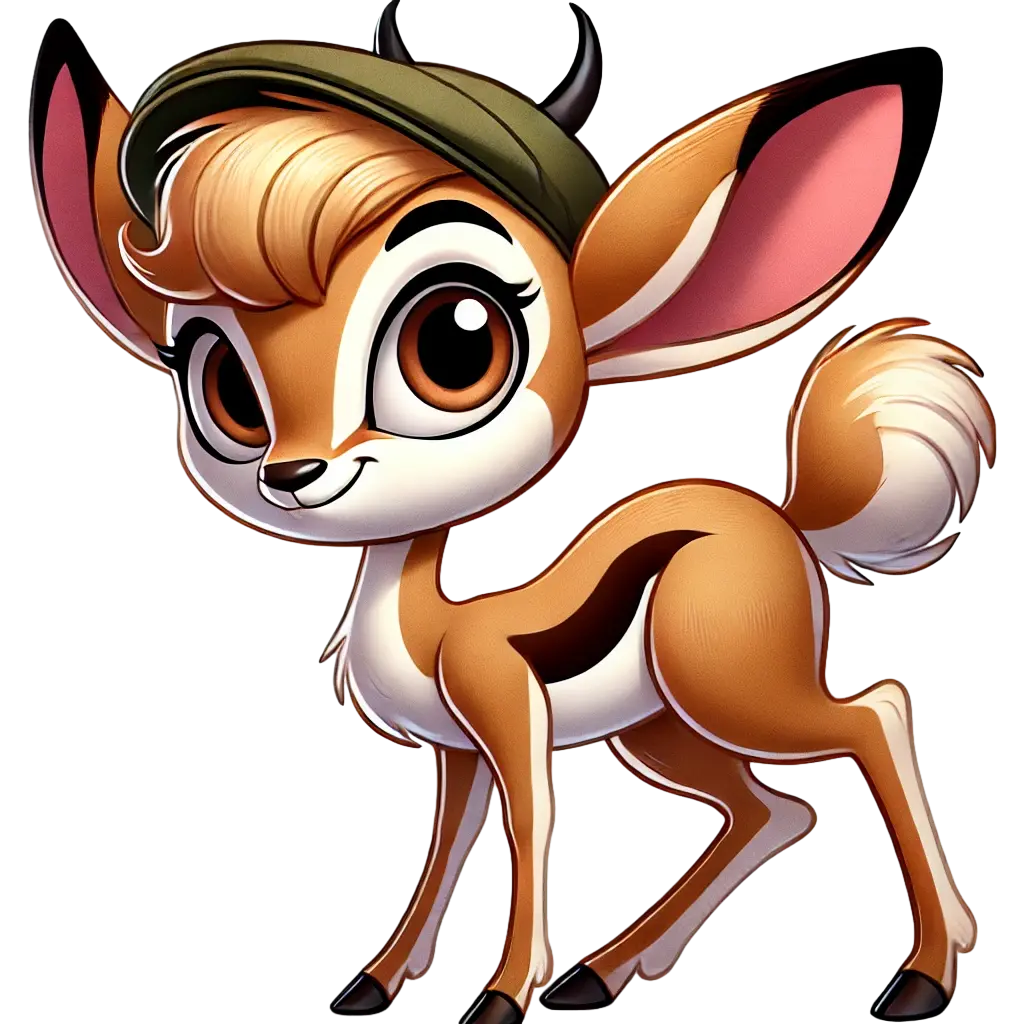
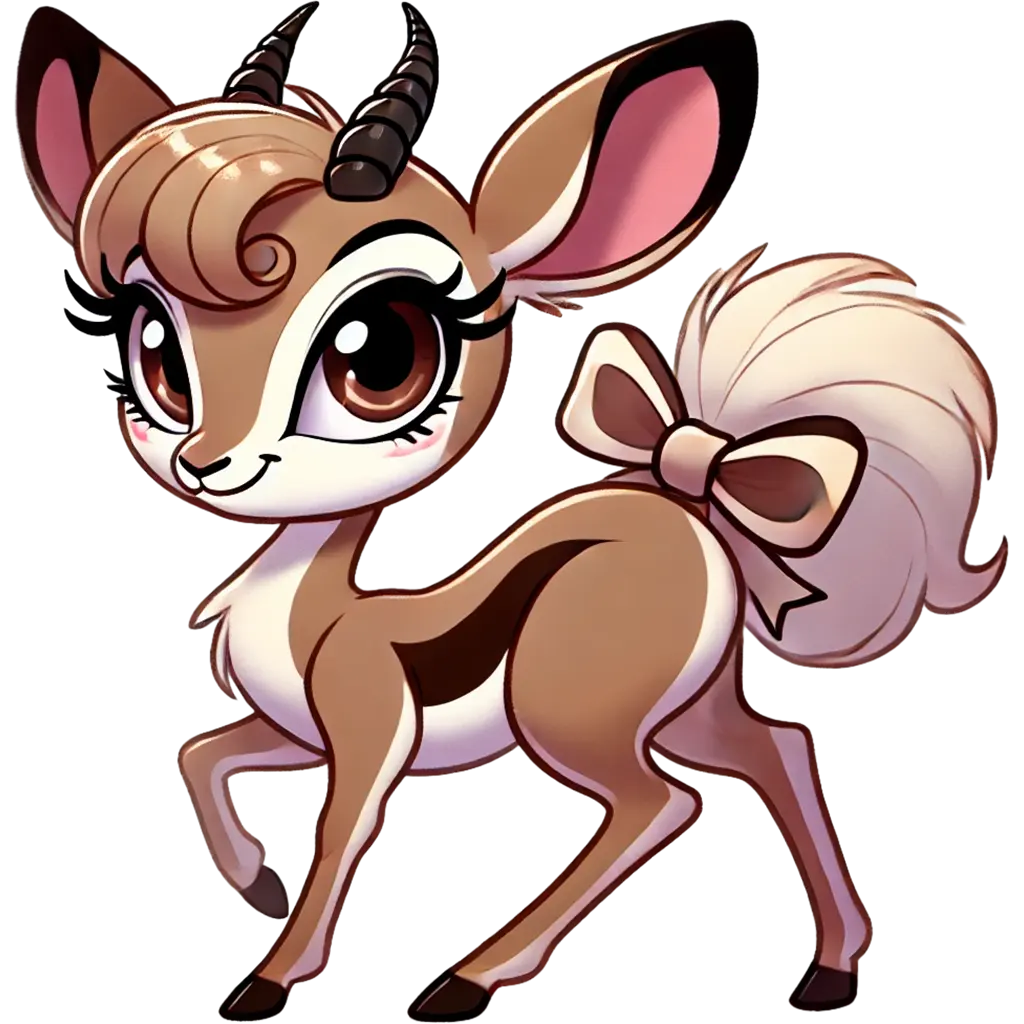
Springbok
Fun Fact
Springboks are known for their unique behavior called "pronking" or "stotting."
This involves leaping into the air with their backs arched and legs stiff, often reaching heights of up to 2 meters. Pronking is believed to confuse predators, display strength, or even communicate excitement. Springboks inhabit the arid regions of southern Africa.

Download word search puzzles
Word Search Puzzles
Check Out Other Mammals

The Common dolphin, delphinus delphis, is a highly social and widely distributed species of dolphin known for its striking coloration and slender body. Adults typically range from 1.9 to 2.5 meters in length and weigh between 70 to 110 kg. They are characterized by their distinctive crisscross or hourglass color
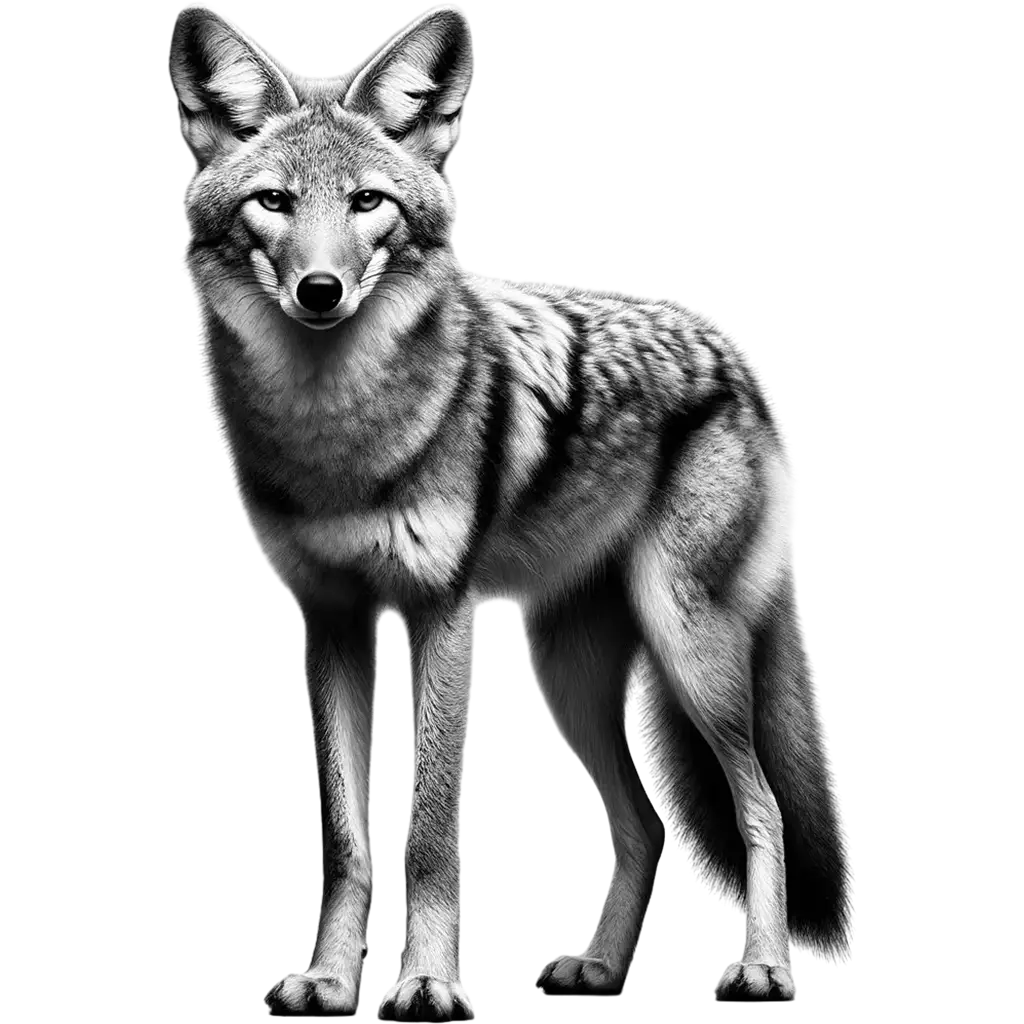
The Coyote, canis latrans, is a highly adaptable and versatile canid native to North America. Adults typically measure between 1.0 to 1.35 meters in length, including the tail, and weigh between 15 to 46 kg, with males generally larger than females. Their fur color can vary widely from grayish-brown to

The Sumatran Tiger, Panthera tigris ssp. sumatrae, is the smallest of the surviving tiger subspecies, native exclusively to the Indonesian island of Sumatra. Adults typically weigh between 100 to 140 kilograms (220 to 310 pounds) for males and 75 to 110 kilograms (165 to 243 pounds) for females, with a
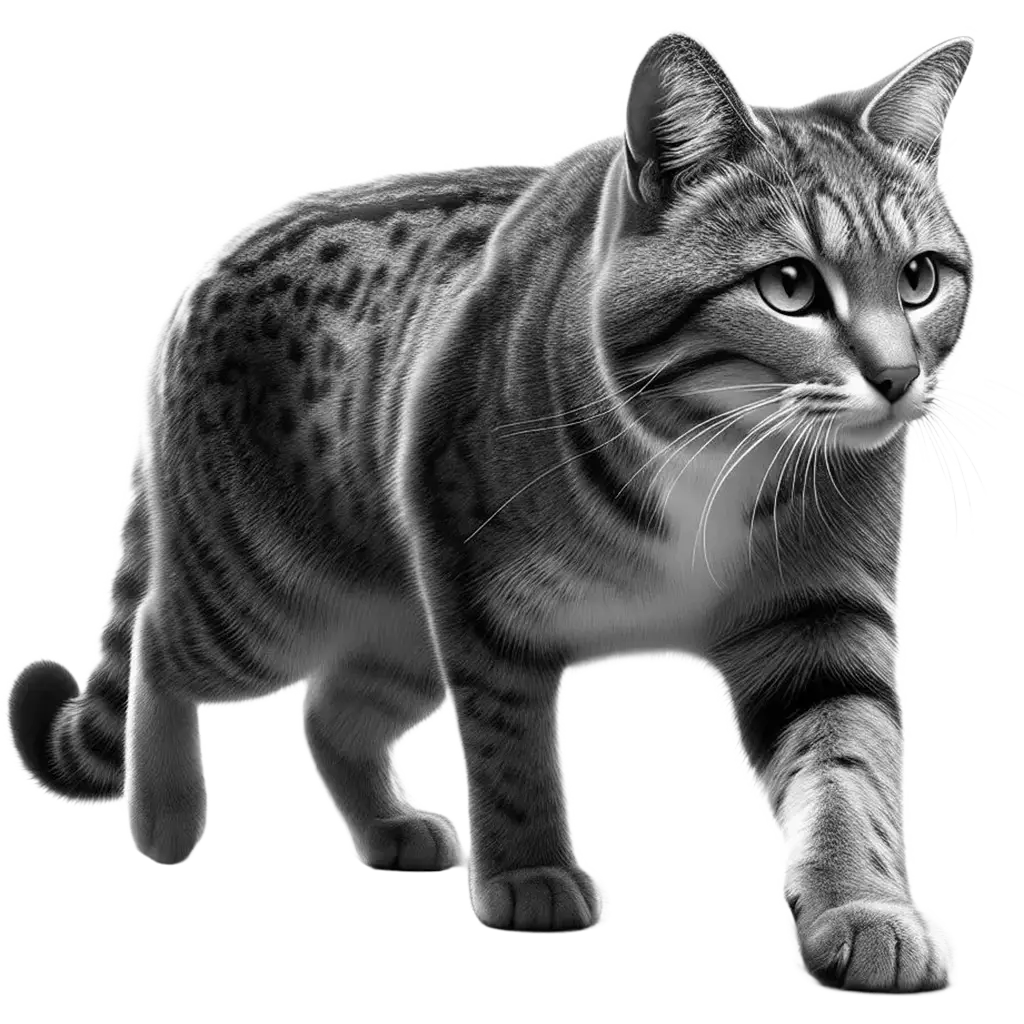
The Domestic Cat, felis catus, is a small, carnivorous mammal that has lived alongside humans for thousands of years, evolving into a diverse array of breeds, colors, and patterns. Typically, these animals have a lithe and agile body, sharp retractable claws, and keen senses, especially their vision and hearing. Domestic