
Top ten fascinating facts about
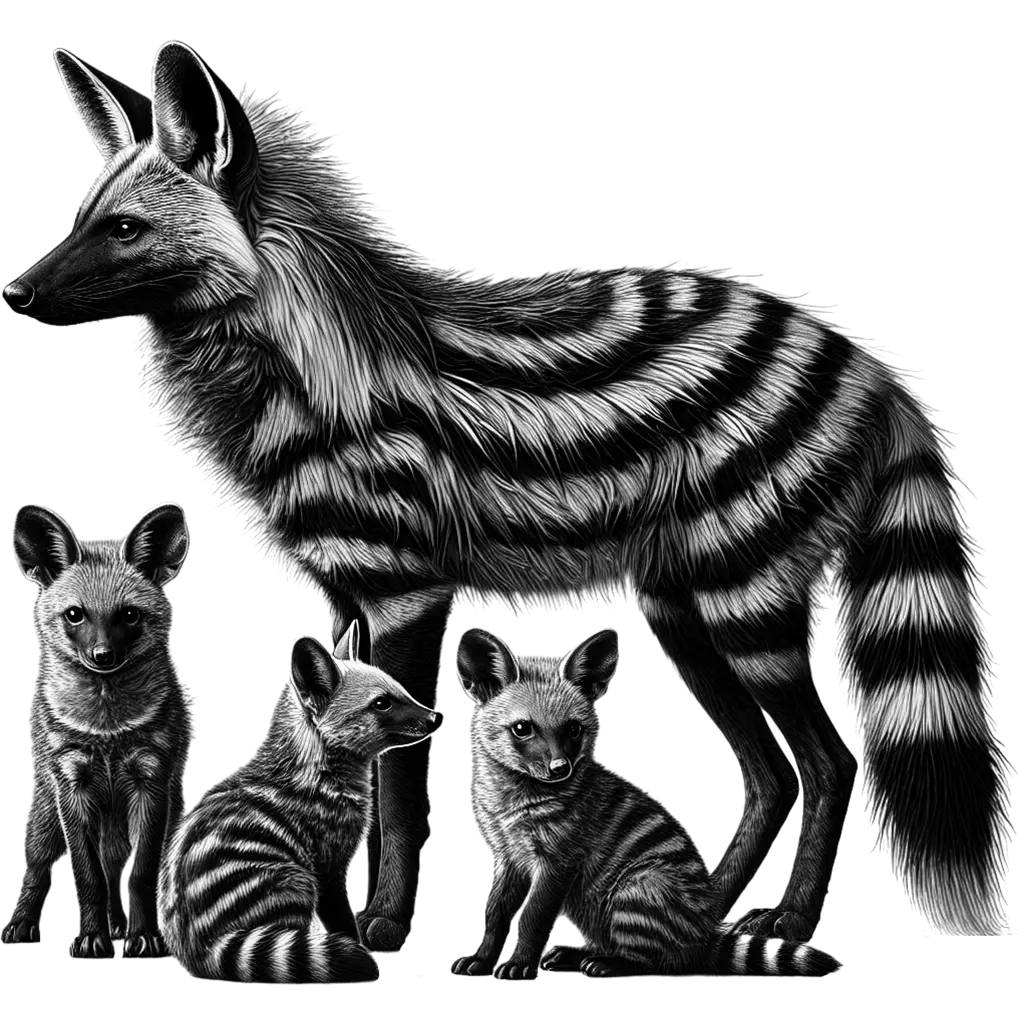
Aardwolf
Proteles Cristatus
Aardwolves are nocturnal animals that primarily feed on termites and have a specialized diet. They use their long, sticky tongues to lap up termites, consuming up to 300,000 in one night. Unlike other hyenas, aardwolves do not hunt large prey, relying instead on their keen sense of smell to locate termite mounds.
The aardwolf is a hyena that feeds almost exclusively on termites
Despite belonging to the hyena family (Hyaenidae), the aardwolf is unique for its insectivorous diet, primarily feasting on termites. Unlike its carnivorous relatives that hunt large prey or scavenge carrion, the aardwolf uses its long, sticky tongue to lap up termites directly from the ground or termite mounds. It can consume up to 300,000 termites in a single night, showcasing a specialized feeding habit that sets it apart within its family.
Its name means 'earth wolf' in Afrikaans due to its burrowing habits
The name 'aardwolf' comes from the Afrikaans words 'aard' meaning 'earth' and 'wolf,' reflecting its habit of living in underground burrows and its superficial resemblance to a small wolf. These burrows provide shelter from predators and extreme weather conditions. The aardwolf often occupies abandoned dens of aardvarks or porcupines but can also dig its own if necessary.
Aardwolves have specialized teeth suited for their termite diet
Unlike other hyenas known for their powerful jaws and bone-crushing teeth, the aardwolf has reduced cheek teeth that are not suitable for chewing meat. Its molars are small, widely spaced, and worn down, ideal for lapping up soft-bodied insects. However, it retains sharp canines, which are likely used for defense rather than feeding.
They are primarily nocturnal and spend the day in underground dens
Aardwolves are nocturnal animals, meaning they are active at night and rest during the day. They retreat to their burrows at sunrise to avoid the heat and potential predators. This nocturnal lifestyle aligns with the activity patterns of their termite prey, which are more accessible during cooler nighttime temperatures.
Aardwolves have a mane that stands erect when threatened to appear larger
One of the aardwolf's most distinctive features is the mane running along its back. When threatened or trying to intimidate rivals, it raises this mane to appear larger and more formidable. This display is a common defense mechanism intended to deter predators or competitors without resorting to physical confrontation.
They live in monogamous pairs but forage alone to reduce competition
Aardwolves are generally monogamous, forming long-term pair bonds with a mate. They share and defend a territory together but typically forage alone to minimize competition for food resources. This solitary foraging ensures that each individual has sufficient access to the termites within their shared territory.
Aardwolves communicate and mark their territory using scent glands
They possess well-developed anal scent glands that produce a strong-smelling secretion. Aardwolves use this to mark their territory by depositing the scent on grass stalks and other surfaces. This scent marking plays a crucial role in communication, signaling territorial boundaries and reproductive status to other aardwolves.
Despite their hyena lineage, aardwolves are shy and avoid confrontation
Unlike their more aggressive hyena relatives, aardwolves are timid and non-confrontational. When faced with danger, they prefer to flee or use intimidation displays like raising their mane. If cornered, they can emit a foul-smelling fluid from their anal glands as a deterrent. Their shy nature means they are rarely a threat to other animals.
Their long, sticky tongue is perfectly adapted for eating termites
The aardwolf's tongue is specially adapted to its termite-based diet. It is long, sticky, and can rapidly lap up termites from the ground or termite mounds. This adaptation allows the aardwolf to efficiently consume large quantities of termites without damaging the mounds extensively, ensuring a sustainable food source.
Aardwolves can consume certain termites that are toxic to other predators
Aardwolves primarily feed on termites of the genus Trinervitermes, which produce toxic chemicals as a defense mechanism. While these termites are avoided by other insectivores, the aardwolf has evolved to tolerate their toxins. This dietary specialization reduces competition for food and highlights the aardwolf's unique ecological niche.
Check Out Other Mammals

The Greyhound, canis lupus familiaris, is a breed of dog distinguished by its slender, elegant build and remarkable speed, making it one of the fastest dog breeds, capable of reaching speeds up to 45 miles per hour (72 kilometers per hour). This breed typically weighs between 27 to 40 kilograms
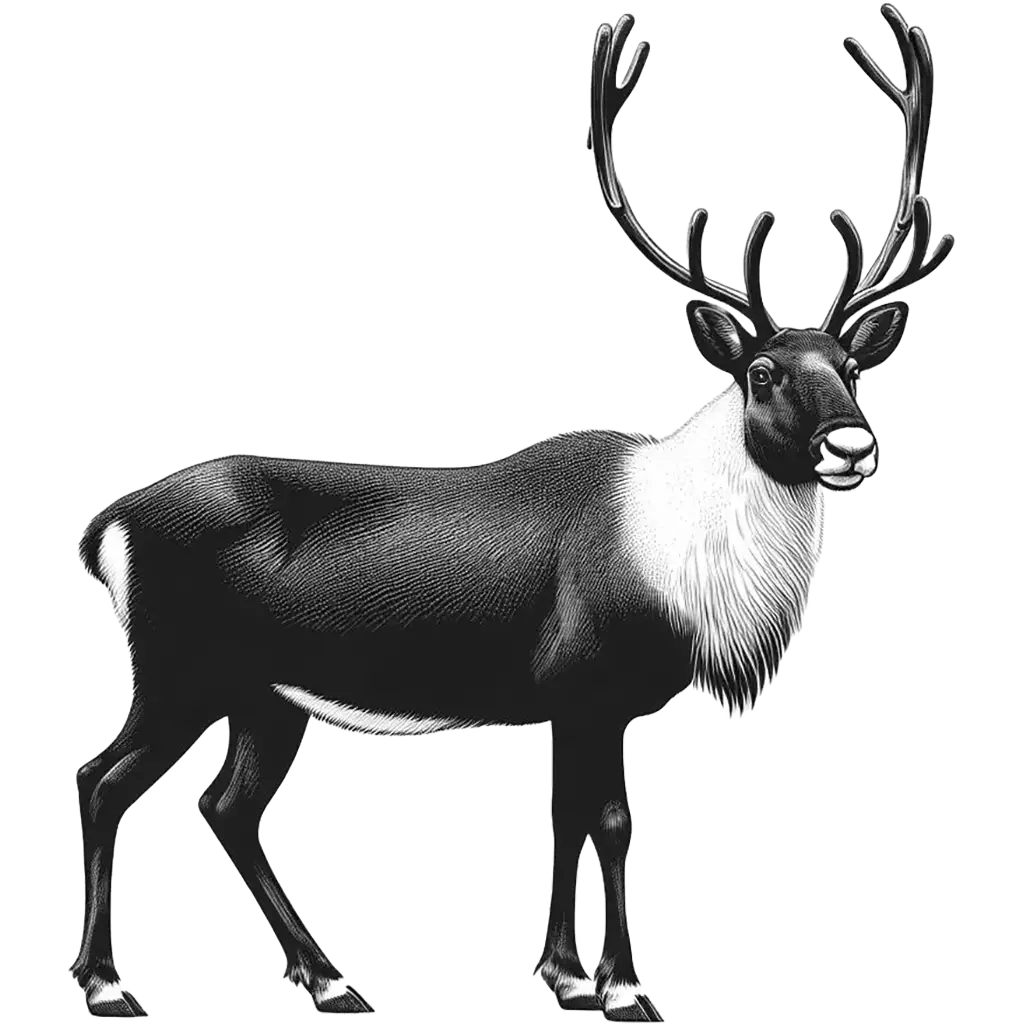
The Reindeer, rangifer tarandus, also known as the caribou in North America, is a species of deer native to Arctic, sub-Arctic, tundra, boreal, and mountainous regions of northern Europe, Siberia, and North America. This species is unique among deer for its adaptations to cold environments, including a thick coat of

The Otter Civet, cynogale bennettii, is a rare and elusive mammal native to the tropical forests of Southeast Asia, including Borneo, Sumatra, and the Malay Peninsula. This semi-aquatic species is distinctive for its otter-like body, with a long, slender build, dense waterproof fur, and a flattened tail that aids in

The Asian Palm Civet is a small, nocturnal mammal found throughout South and Southeast Asia. It has a slender body covered in coarse fur, typically dark brown to gray with lighter markings. Its long, bushy tail and sharp claws make it an excellent climber, allowing it to navigate through dense