

Dryomys Nitedula
Forest Dormouse
Forests, woodland areas, shrublands, and gardens
The Forest Dormouse, dryomys nitedula, is a small, nocturnal rodent found across much of Europe and parts of Asia, from Spain and Poland eastward to Mongolia and northern Iran. This species is characterized by its large, dark eyes, rounded ears, and a bushy tail with a white tip, which contributes to its distinctive and endearing appearance. Adults typically measure between 7 to 9 centimeters in body length, with a tail length almost equal to that of the body, and weigh around 20 to 40 grams. The Forest Dormouse's fur is soft and dense, with upper parts that are gray to reddish-brown and a white underside, providing it with excellent camouflage in its woodland habitat.
| Population: | Not precisely quantified; considered to have a stable population overall |
| Generation Length: | 1-2 years |
| Average Weight: | 15-40 grams |
| Average Length: | Head and body: 6-9.5 cm, Tail: 5.5-8 cm |
| Lifespan: | Up to 5 years in the wild |
| Diet: | Varied diet including plant material and animal protein |
| Conservation Status: | Least Concern (LC) |
The Forest Dormouse inhabits a variety of forested environments, including deciduous, mixed, and coniferous forests, as well as bushy areas and gardens. They are adept climbers, spending much of their time in trees where they nest, forage, and seek refuge from predators. These dormice are known for their ability to enter a state of torpor during cold or dry periods, conserving energy by significantly lowering their metabolic rate and body temperature.
The diet of the Forest Dormouse primarily consists of insects, fruit, nuts, and occasionally small birds and eggs. This varied diet reflects their opportunistic feeding habits and their role in forest ecosystems as both predator and prey. During the autumn, they accumulate fat reserves to survive the winter months, either in hibernation or in a state of torpor.
Reproduction in Forest Dormice typically occurs once a year, with females giving birth to litters of 3 to 6 young in the late spring or early summer. The young are born blind and hairless, but they develop rapidly, becoming fully furred and capable of climbing within a few weeks. The ability to reproduce and raise offspring successfully is closely tied to the availability of food resources.
The Forest Dormouse is considered to be of Least Concern by the IUCN, although it faces threats from habitat destruction and fragmentation, predation by domestic animals, and human disturbances. Conservation efforts for the Forest Dormouse include habitat preservation and management, as well as research to better understand their ecology and behavior. Despite their widespread distribution, the secretive nature of the Forest Dormouse means that much about their lifestyle and population dynamics remains to be discovered.
Classifications
The Key Attributes
Features
- Movement:
Climbing, jumping
- Territorial Behavior:
Solitary or small family groups
- Speed:
Agile in climbing and quick in escaping predators
- Diet:
Omnivore
- Physical Features:
- Greyish to reddish-brown fur
- Large eyes and ears
- Bushy tail
- Sharp claws for climbing
- Primary Senses:
- Sight
- Hearing
- Smell
Understanding Habitat and Range
Geography
- Habitat:
Forests, woodland areas, shrublands, and gardens
- Migration Patterns:
Non-migratory, but may have seasonal shifts within their territory
- Geographical Range:
Widespread across Eastern Europe, Western Asia, and parts of the Middle East and China
- Climate Preferences:
Temperate to subtropical climates
Navigating the Wilderness
In the wild
- Predators:
Owls, snakes, and carnivorous mammals
- Prey:
Insects, fruits, seeds, small vertebrates
- Feeding Behavior:
Nocturnal, feeding on a variety of foods including fruits, nuts, insects, and occasionally small vertebrates
- Diet:
Varied diet including plant material and animal protein
- Defensive Mechanisms:
- Climbing and jumping to escape predators
- Camouflage in their natural habitat
- Preferred Food Sources:
- Fruits
- Nuts
- Insects
Insights Into Reproduction
Mating
- Mating System:
Polygynous
- Number of Offspring:
2-7 offspring per litter
- Gestation Period:
About 20-30 days
- Parental Involvement:
- Female cares for the young until they are independent
Youngsters Section
Forest Dormouse
Fun Fact
Forest dormice can hibernate for up to seven months a year, conserving energy during winter.
These small rodents are nocturnal and have a lifespan of about five years. They're excellent climbers, using their bushy tails for balance. They feed on seeds, fruits, and insects. Forest dormice communicate with a range of vocalizations to alert others of danger.

Download word search puzzles
Word Search Puzzles


Check Out Other Mammals
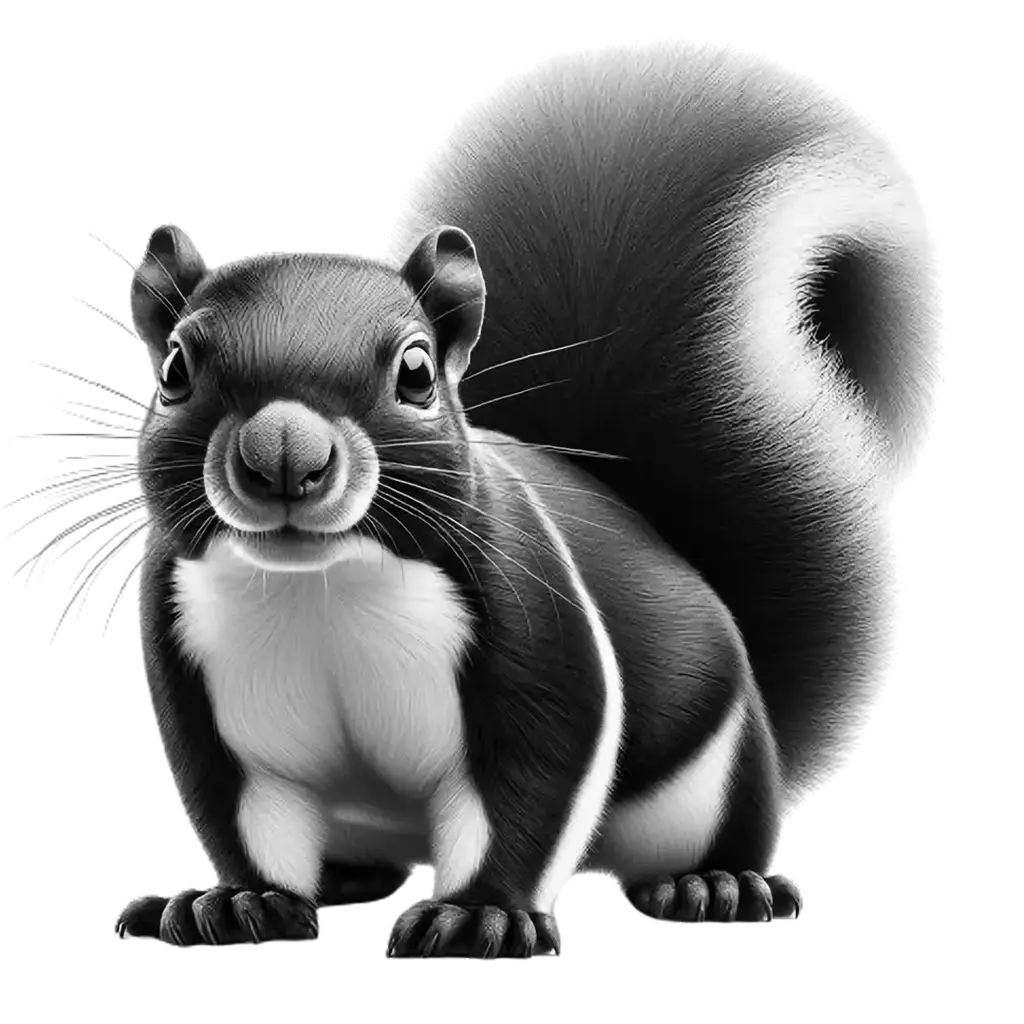
The Indian Giant Squirrel, ratufa indica, also known as the Malabar Giant Squirrel, is a large, arboreal rodent native to India. This species is renowned for its impressive size, with a body length of 25 to 45 cm and an equally long tail, adding another 35 to 60 cm. Its

The Yak, bos grunniens, is a long-haired bovid native to the Himalayan region of South Central Asia, the Tibetan Plateau, and as far north as Mongolia and Russia. Adult Yaks can stand up to 2 meters at the shoulder and weigh between 300 to 1,200 kg, with males significantly larger

The Jaguar, panthera onca, is the largest cat in the Americas and the third-largest feline in the world, after tigers and lions. Known for its powerful build, the Jaguar has a broad head, muscular limbs, and a robust body that enables it to excel in climbing, swimming, and crawling through
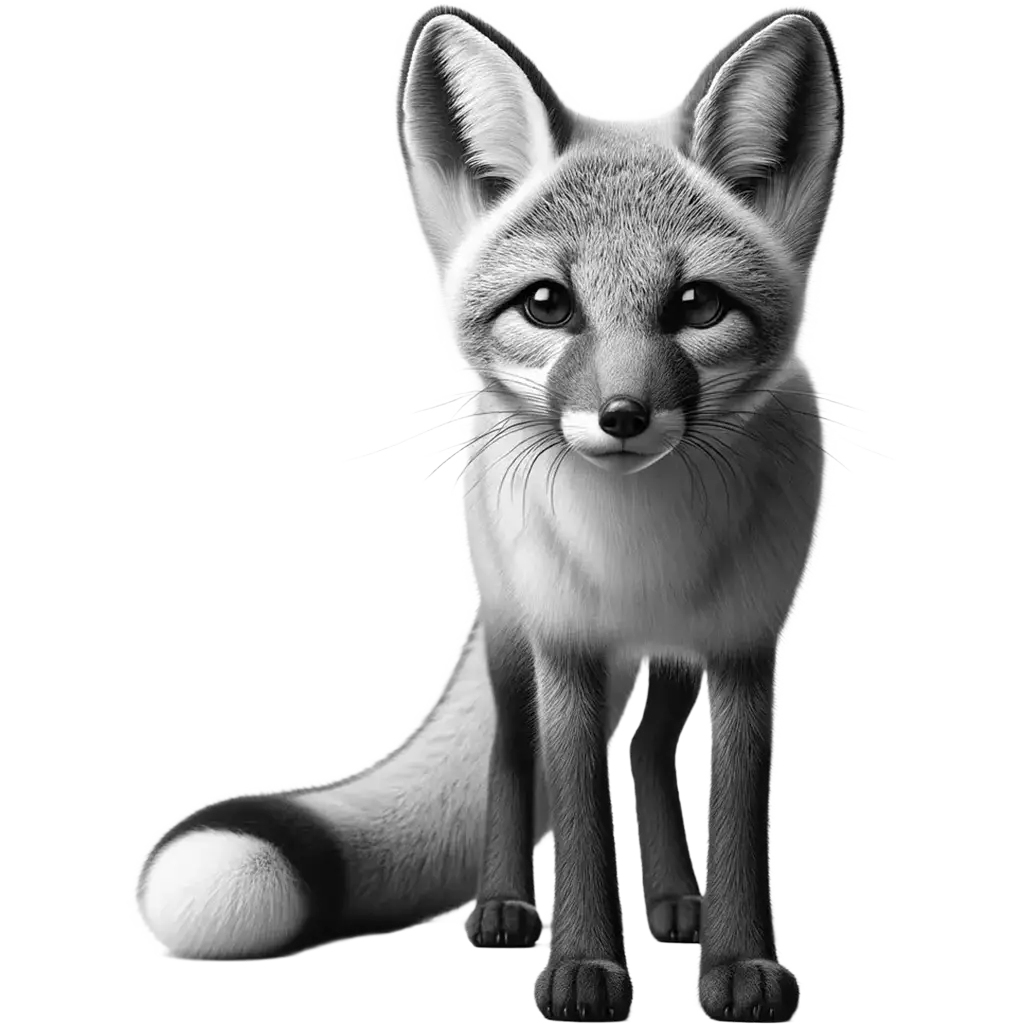
The Kit Fox, vulpes macrotis, is a small North American fox known for its slender build, large ears, and a bushy tail with a black tip. These adaptations not only contribute to its distinctive appearance but also play crucial roles in its survival within arid and semi-arid environments, including deserts,