Tragelaphus Scriptus
Harnessed Bushbuck
Dense forests, woodland edges, and savannas
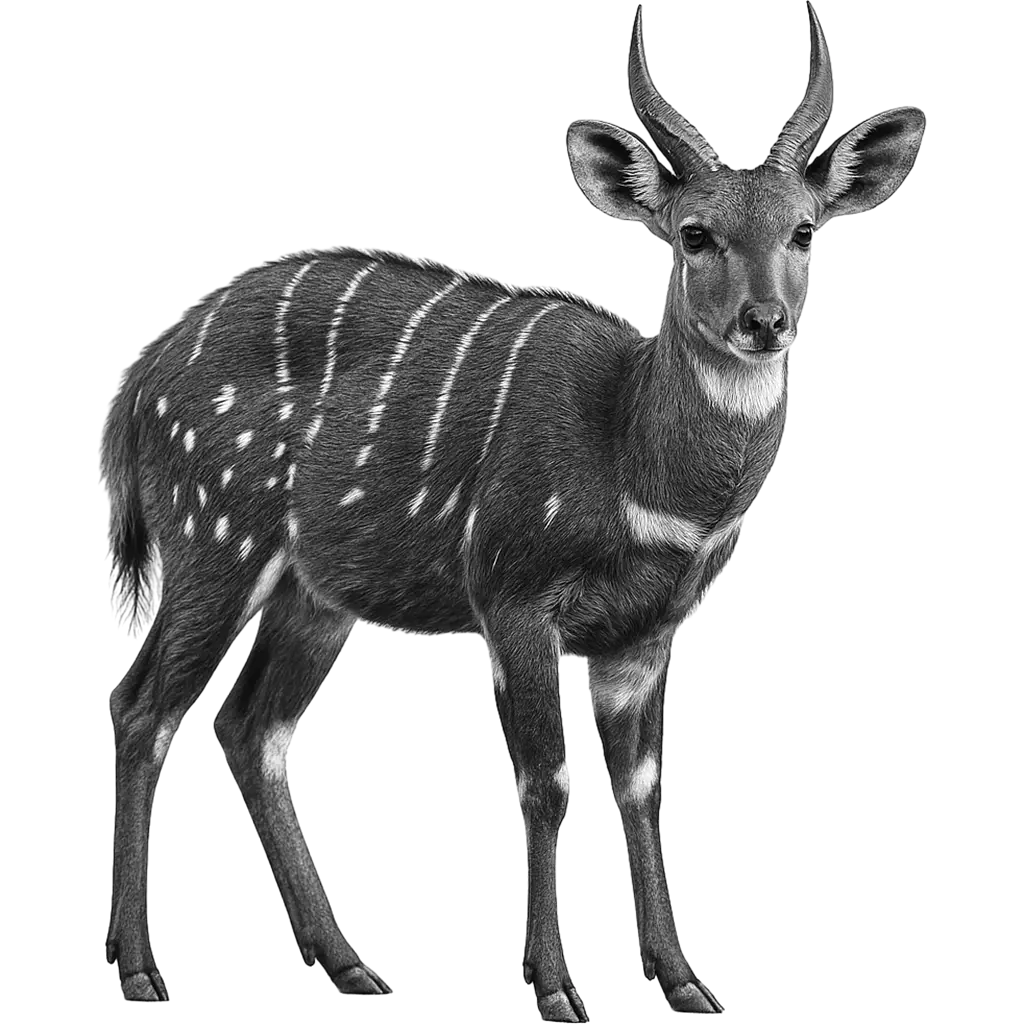
The Harnessed Bushbuck is a strikingly agile and graceful antelope, boasting a lean yet muscular body marked by a distinctive pattern of dark and light hues. Its coat is a complex tapestry of deep chocolate and subtle cream, with defined white stripes running along its sides. The animal's large, expressive eyes and elegantly curved horns add to its charismatic appearance, showcasing adaptations ideal for woodland camouflage and rapid, nimble movements.
| Population: | Stable across sub-Saharan woodlands with minor declines from habitat loss and local hunting |
| Generation Length: | 3-4 years |
| Average Weight: | 70-90 kg |
| Average Length: | 120-150 cm |
| Lifespan: | 10-12 years in the wild, up to 15 years in captivity |
| Diet: | Herbivorous, focusing on leaves, fruits, and shoots |
| Conservation Status: | Least Concern (LC) |
In its natural environment, the Harnessed Bushbuck leads a predominantly solitary life, though it may occasionally be seen in loose, non-permanent pairs. This antelope is highly active at dawn and dusk, when it carefully navigates dense woodlands and brushy savannas. It uses its excellent vision and acute hearing to detect potential dangers, often pausing to listen before moving with cautious yet deliberate steps. The bushbuck exhibits remarkable agility when evading predators, employing quick, darting movements along winding forest trails. Its behavior is influenced by seasonal changes as it seeks shade during hot days and moves toward water sources in dry periods, ensuring survival in challenging habitats.
The diet of the Harnessed Bushbuck is strictly herbivorous, consisting predominantly of a wide array of leaves, fruits, and tender shoots. It forages methodically along forest edges and clearings, selecting the freshest and most nutritious vegetation available. The animal utilizes its agile lips to delicately pluck foliage, ensuring minimal damage to its food sources. In addition, it supplements its diet with berries and fruits that provide essential vitamins and natural sugars, crucial for energy. Its digestive system is adept at extracting maximum nutrients from fibrous plant matter, supporting its energy needs and fostering healthy growth throughout its life.
During the mating season, the Harnessed Bushbuck displays distinct polygynous behavior. Males engage in territorial marking and competitive displays to attract females, frequently vocalizing and exhibiting prominent posturing. Once paired, the female gives birth to a single calf after a gestation period of approximately 7-8 months. This focused reproductive strategy ensures that the offspring receives substantial care and protection from the mother.
Current observations reveal that the Harnessed Bushbuck maintains modest populations in select protected areas despite significant pressures from habitat loss and poaching. While individuals are commonly spotted within secluded woodland pockets, habitat fragmentation has led to isolated herds and reduced genetic diversity. Ongoing conservation efforts and habitat restoration projects are essential to safeguard their future by preserving the ecosystems on which they rely.
Classifications
The Key Attributes
Features
- Movement:
Quadrupedal
- Territorial Behavior:
Largely solitary with defined home ranges, though males mark territories during rut
- Speed:
Moderate, with swift bursts when evading predators
- Diet:
Herbivorous
- Physical Features:
- Lean, muscular build with a distinctive pattern of dark and light coat hues
- Long, slender, gracefully curved horns in males
- Expressive eyes and finely patterned markings along the flanks
- Elegant, agile stature adapted for woodland camouflage
- Primary Senses:
- Sight
- Hearing
- Smell
Understanding Habitat and Range
Geography
- Habitat:
Dense forests, woodland edges, and savannas
- Migration Patterns:
Non-migratory; exhibits localized movements in search of food and water
- Geographical Range:
Widespread across sub-Saharan Africa
- Climate Preferences:
Prefers warm, tropical to subtropical climates
Navigating the Wilderness
In the wild
- Predators:
Large carnivores such as lions, leopards, and hyenas
- Prey:
N/A
- Feeding Behavior:
Browses selectively on leaves, fruits, and tender shoots with deliberate, cautious foraging
- Diet:
Herbivorous, focusing on leaves, fruits, and shoots
- Defensive Mechanisms:
- Rapid, agile flight into dense cover
- Cryptic coat patterns that blend into woodland settings
- Preferred Food Sources:
- Fresh foliage
- Fallen fruits
- Young shoots
Insights Into Reproduction
Mating
- Mating System:
Polygynous
- Number of Offspring:
1 calf
- Incubation Period:
Gestation of approximately 7-8 months
- Parental Involvement:
- The mother exclusively cares for the calf after birth
Youngsters Section
Harnessed Bushbuck
Fun Fact
Harnessed Bushbucks are admired for their striking coat patterns and graceful agility in dense woodlands.
Their solitary yet competitive behavior during the breeding season results in only the fittest males securing mates. Observers are captivated by their swift, stealthy movements and refined foraging techniques, which highlight nature's evolutionary mastery in adapting to challenging environments.

Download word search puzzles
Word Search Puzzles
Check Out Other Mammals
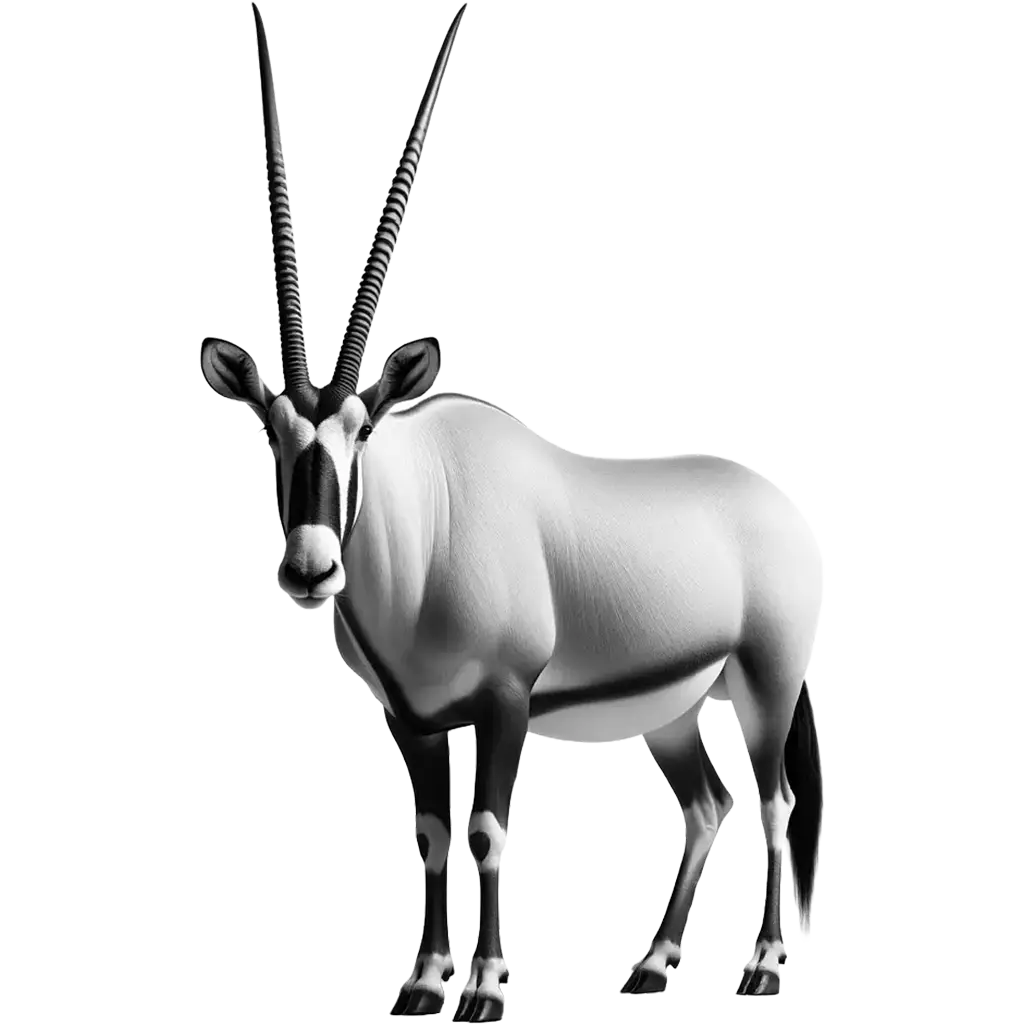
The Arabian Oryx, oryx leucoryx, is a striking antelope renowned for its elegant beauty and resilience, adapted to survive in the harsh desert environments of the Arabian Peninsula. Adults stand about 1 meter at the shoulder and weigh between 60 to 100 kg. Their coat is predominantly white with contrasting
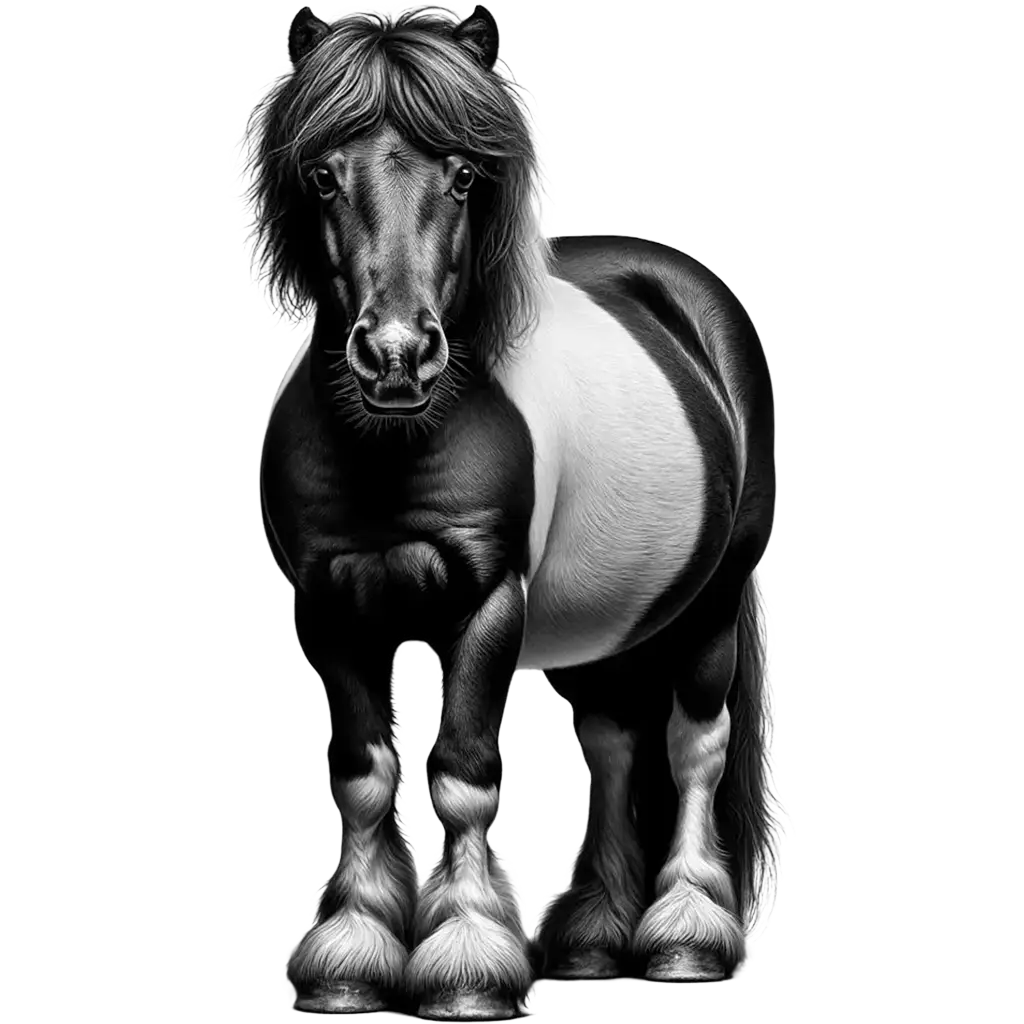
The Shetland Pony, native to the Shetland Isles located northeast of mainland Scotland, is one of the smallest pony breeds in the world. Despite their small stature, typically standing no more than 102 cm (40 inches) at the withers, Shetland Ponies are known for their strength, hardiness, and friendly disposition.
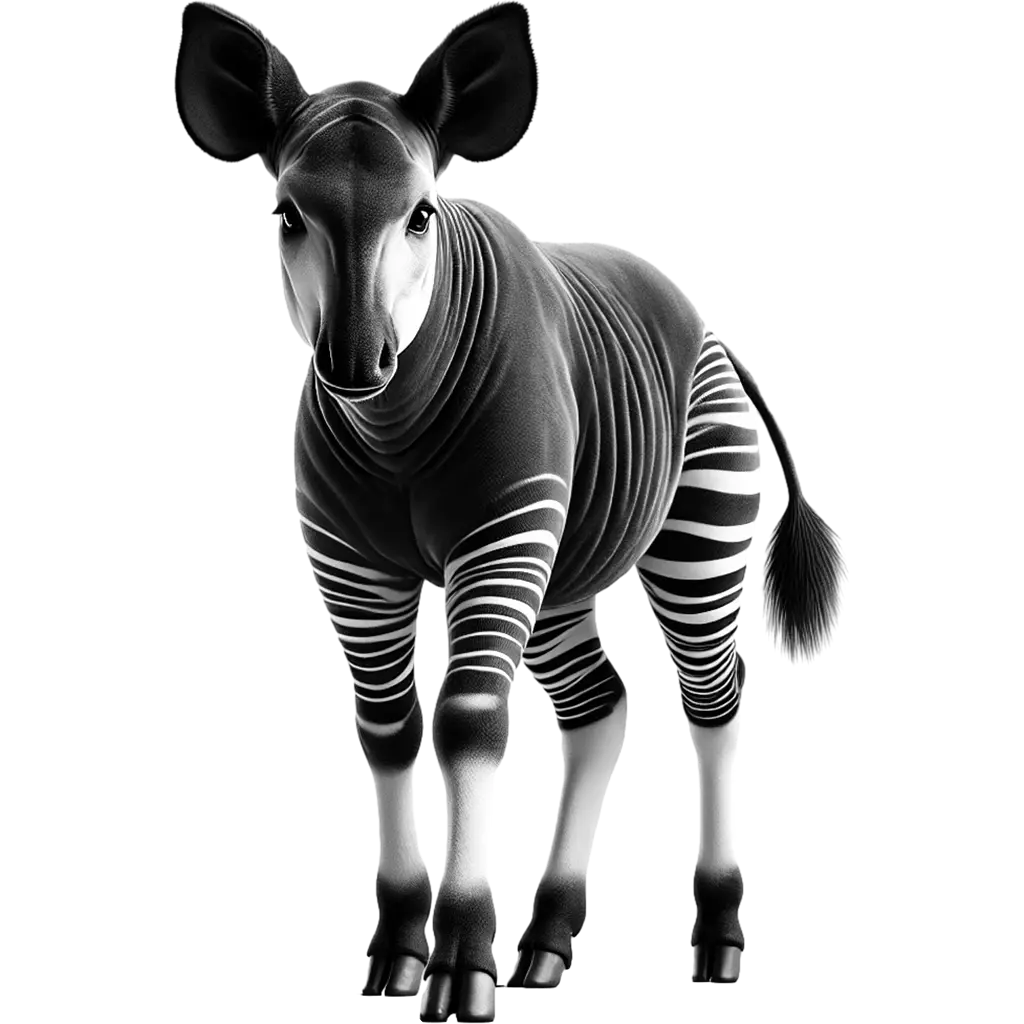
The Okapi, Okapia johnstoni, is a unique mammal endemic to the dense tropical rainforests of the northeastern Democratic Republic of the Congo. Resembling a cross between a giraffe and a zebra, the okapi stands about 1.5 meters tall at the shoulder and measures approximately 2.5 meters in body length. Weighing
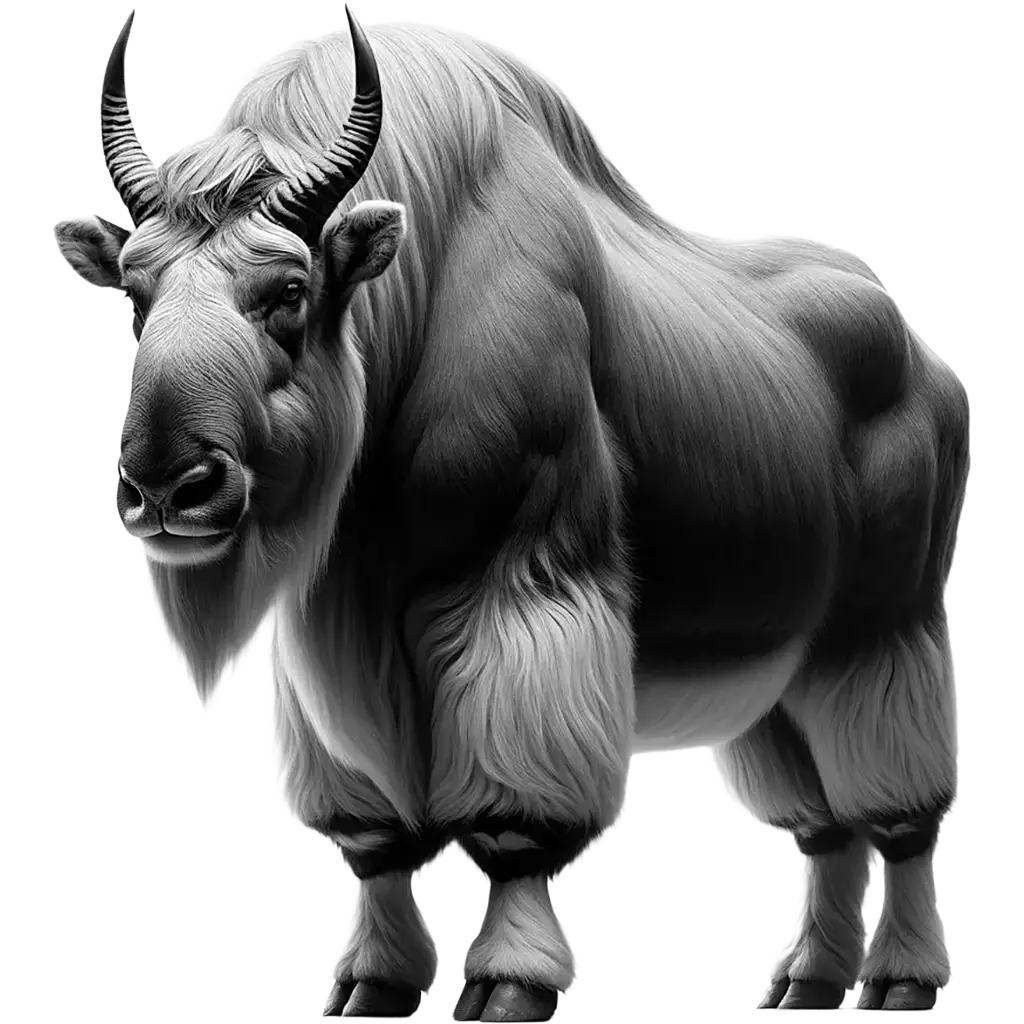
The Bhutan Takin, budorcas taxicolor whitei, is a subspecies of takin, a large, hoofed mammal native to the eastern Himalayas, particularly Bhutan. This unique animal is characterized by its bulky body, short, sturdy legs, and a large head with a pronounced Roman nose, making it appear somewhat like a cross