
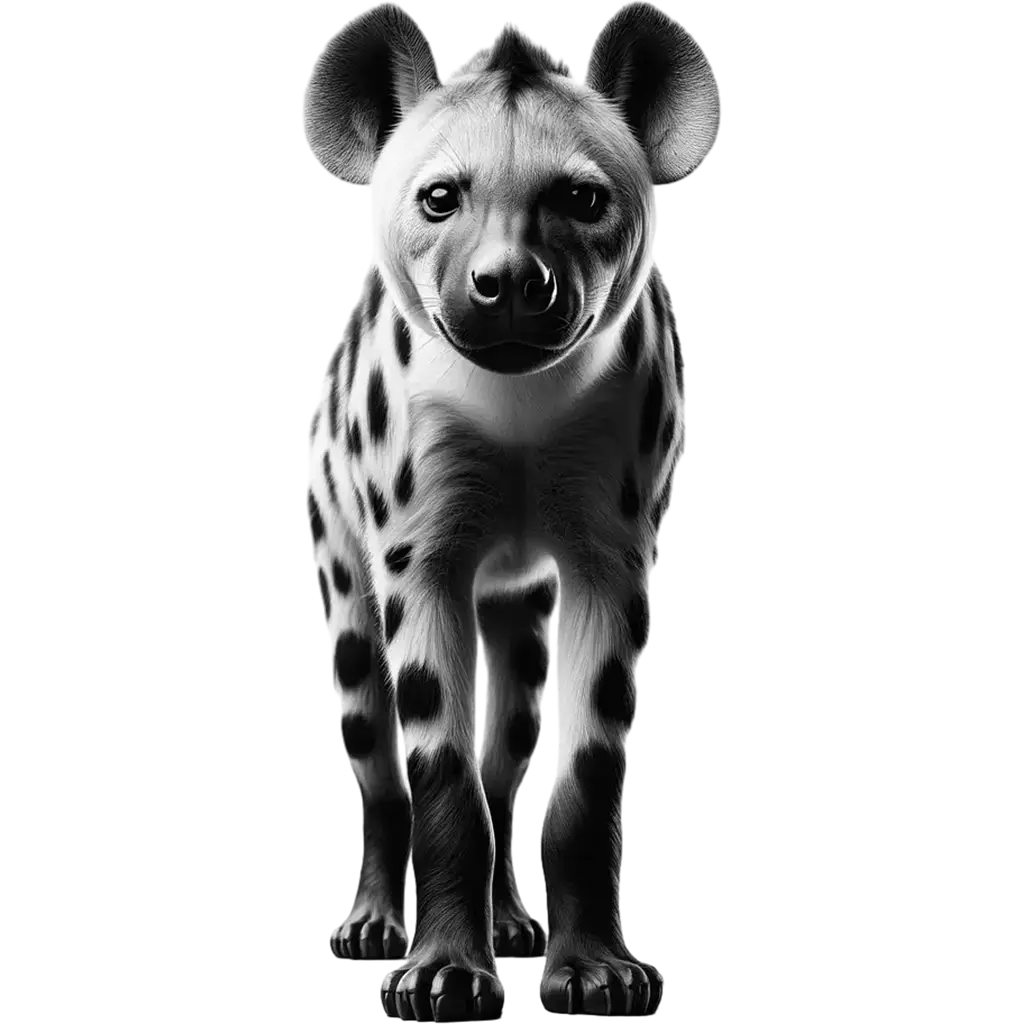
Crocuta Crocuta
Spotted Hyena
Savannas, grasslands, woodlands, and forest edges
The Spotted Hyena, crocuta crocuta, often misunderstood as solely a scavenger, is in fact a skilled hunter and the most social of the hyena species. Adults can weigh between 40 to 80 kg and measure up to 1.5 meters in length, with females generally larger and more dominant than males. Their distinctive coat is sandy, yellowish, or gray, with dark brown spots covering the body, aiding camouflage in their natural habitat. Spotted Hyenas are recognized by their powerful build, short rear legs, and a strong jaw capable of crushing bones, showcasing their role as apex predators and scavengers.
| Population: | Listed as Least Concern, but certain populations are in decline |
| Generation Length: | 8 years |
| Average Weight: | 40-86 kg |
| Average Length: | 95-165 cm in body length, with a height of 70-92 cm at the shoulder |
| Lifespan: | Up to 25 years in the wild |
| Diet: | Scavenging makes up a large part of its diet, but it is also an effective hunter |
| Conservation Status: | Least Concern (LC) |
Native to Sub-Saharan Africa, Spotted Hyenas inhabit a range of environments from grasslands and woodlands to mountainous terrains and semi-deserts. They are highly adaptable, able to thrive in areas affected by human activities, provided there is sufficient food and water. These hyenas are known for their complex social structures, living in large clans that can number over 100 individuals, with intricate social hierarchies and strong bonds between clan members.
The diet of the Spotted Hyena is exceptionally varied, consisting primarily of large ungulates which they hunt in packs, but also includes birds, reptiles, fish, and insects. They are also known to scavenge, consuming carcasses left by other predators. This opportunistic feeding behavior, combined with their strong jaws and digestive system capable of processing bones, ensures they play a crucial role in the ecosystem by preventing the spread of diseases through the consumption of carcass remains.
Reproduction in Spotted Hyenas is notable for the female's possession of a pseudo-penis, a trait unique among the mammalian world. Females give birth through this elongated clitoral structure, which can make birthing difficult and dangerous. They typically bear 2 to 4 cubs in a private den, with offspring exhibiting aggressive behaviors from an early age, reflecting their competitive social environment.
The population of Spotted Hyenas, while currently stable across much of their range, faces threats from habitat loss, human-wildlife conflict, and persecution due to their negative portrayal in folklore and media. Conservation efforts are focused on habitat protection, reducing human-hyena conflicts, and educational programs to shift perceptions and highlight their ecological importance.
Classifications
The Key Attributes
Features
- Movement:
Walking, running
- Territorial Behavior:
Social, living in large, matriarchal clans
- Speed:
Can run at speeds up to 60 km/h (37 mph) for long distances
- Diet:
Carnivore and scavenger
- Physical Features:
- Strong build with a sloping back
- Distinctive rounded ears and a bushy tail
- Spotted fur
- Powerful jaws capable of crushing bones
- Primary Senses:
- Sight
- Hearing
- Smell
Understanding Habitat and Range
Geography
- Habitat:
Savannas, grasslands, woodlands, and forest edges
- Migration Patterns:
Non-migratory, but clans have large territories
- Geographical Range:
Sub-Saharan Africa
- Climate Preferences:
Prefers open landscapes with dry to moderate rainfall
Navigating the Wilderness
In the wild
- Predators:
Lions are the primary natural threat
- Prey:
Medium to large mammals, including wildebeest, antelope, and zebra
- Feeding Behavior:
Opportunistic feeder, preying on a wide range of animals and scavenging carcasses
- Diet:
Scavenging makes up a large part of its diet, but it is also an effective hunter
- Defensive Mechanisms:
- Powerful bite as a means of defense
- Group cooperation to defend territory and fight off predators
- Preferred Food Sources:
- Areas with abundant ungulate populations for hunting and scavenging
Insights Into Reproduction
Mating
- Mating System:
Polygynous, with females often being dominant and initiating mating
- Number of Offspring:
2 cubs, typically
- Gestation Period:
About 110 days
- Parental Involvement:
- Females are the primary caregivers, with communal care in the clan
Youngsters Section
Spotted Hyena
Fun Fact
Spotted hyenas are known for their unique social structure and complex vocalizations.
These animals live in large, matriarchal groups called clans, led by a dominant female. Their distinctive "laugh" is a communication tool, conveying information about age, status, and emotions. Hyenas are also skilled hunters, capable of taking down large prey, contrary to their scavenger reputation.

Download word search puzzles
Word Search Puzzles


Check Out Other Mammals
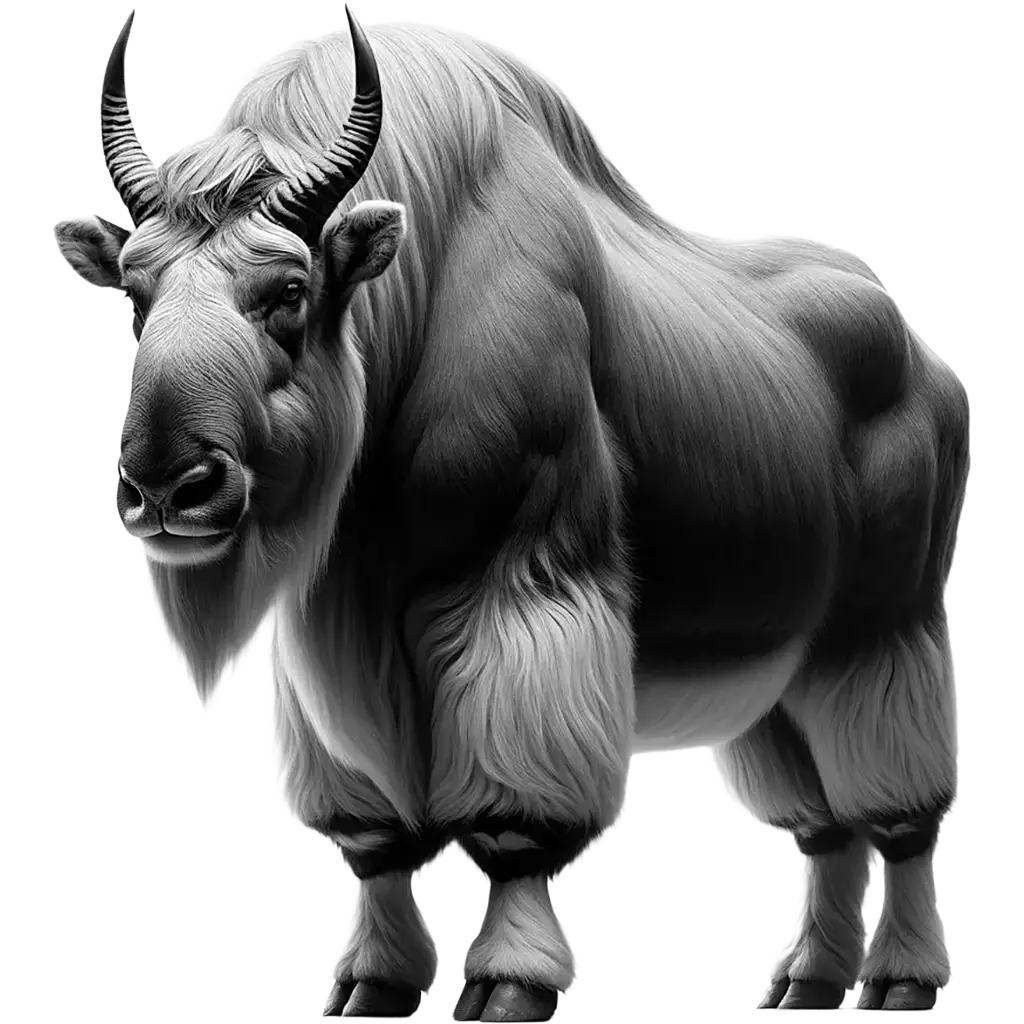
The Bhutan Takin, budorcas taxicolor whitei, is a subspecies of takin, a large, hoofed mammal native to the eastern Himalayas, particularly Bhutan. This unique animal is characterized by its bulky body, short, sturdy legs, and a large head with a pronounced Roman nose, making it appear somewhat like a cross

The Chimpanzee, pan troglodytes, is a highly intelligent primate that shares up to 98% of its DNA with humans, making it our closest living relative in the animal kingdom. Native to the forests and savannas of sub-Saharan Africa, Chimpanzees exhibit remarkable diversity across their range, with four recognized subspecies. Adult
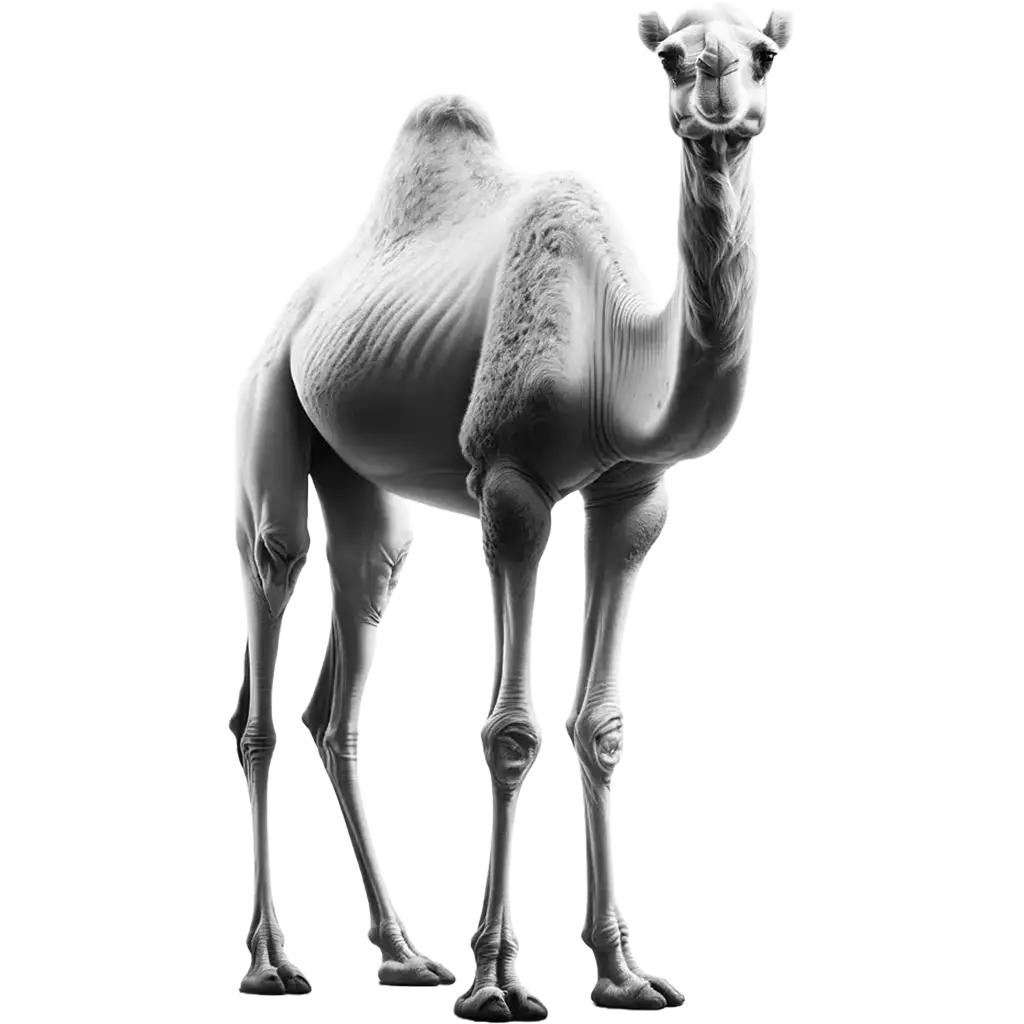
The Dromedary, camelus dromedarius, is an iconic animal of the desert, easily recognized by its single large hump on its back. This hump is a reservoir of fatty tissue, which the camel can convert into water and energy, enabling it to endure long periods without food or water. Adult dromedaries

The Harrier, a medium-sized breed of dog, is known for its prowess in hunting hares and foxes in packs, embodying a blend of stamina and agility. Adults typically stand between 48 to 53 centimeters (19 to 21 inches) at the shoulder and weigh between 18 to 27 kilograms (40 to