
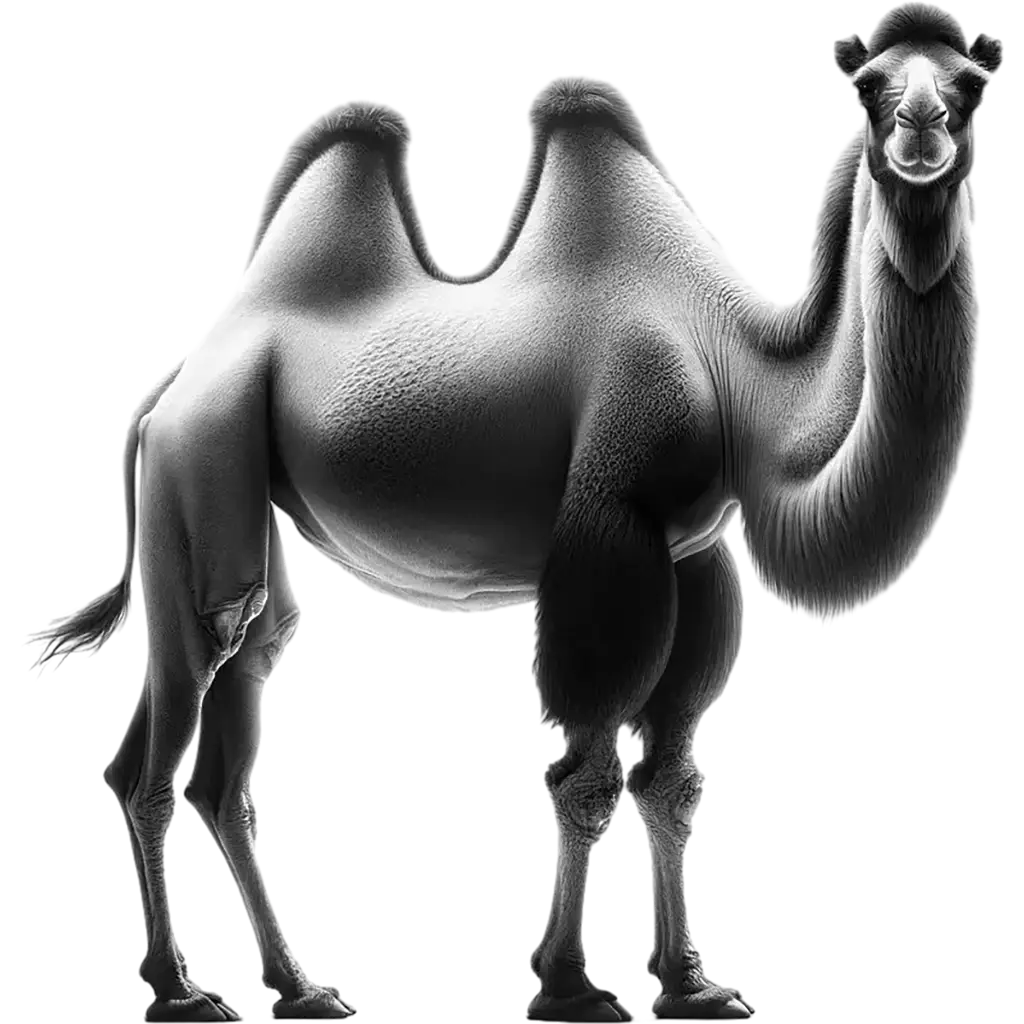
Camelus Bactrianus
Bactrian Camel
Arid desert, steppes, and mountainous regions
The Bactrian Camel, camelus bactrianus, is a large, even-toed ungulate native to the steppes of Central Asia. Distinguished by its two humps, in contrast to the single-humped dromedary camel, Bactrian Camels are well adapted to life in harsh desert and mountainous environments. Adults can weigh between 300 to 1,000 kg and stand up to 2 meters tall at the shoulder. Their thick, shaggy coat, which can range from dark brown to sandy beige, provides insulation against extreme temperatures, shedding in large clumps as the seasons change to help regulate body heat.
| Population: | The wild Bactrian camel is Critically Endangered, while the domesticated variety is numerous |
| Generation Length: | 8 years |
| Average Weight: | 300-1,000 kg |
| Average Length: | 3 meters in body length, with a height of 1.8-2.3 meters at the shoulder |
| Lifespan: | 40-50 years |
| Diet: | Herbivorous, with adaptations to consume sparse and tough vegetation |
| Conservation Status: | Not Evaluated (NE) |
Bactrian Camels inhabit arid regions, including the Gobi Desert and the steppes of Central Asia, where conditions can range from freezing cold in winter to scorching heat in summer. They have developed remarkable adaptations to survive in such environments, including the ability to go without water for months and to eat thorny plants that other animals avoid. Their two humps store fat, which can be converted to water and energy when resources are scarce, allowing them to endure long periods without food or water.
The diet of the Bactrian Camel primarily consists of dry grasses, grains, and desert vegetation, including plants that are too salty or spiny for other herbivores. Their ability to feed on a wide variety of vegetation is crucial for survival in their native habitats, where food sources are often sparse and scattered.
Reproduction in Bactrian Camels typically involves a breeding season in the fall or early winter. Females give birth to a single calf after a gestation period of approximately 13 months. Calves are born with a soft, woolly coat and can walk shortly after birth, quickly becoming an integral part of the camel herd.
The population of the Bactrian Camel includes both domesticated individuals, which are numerous, and a critically endangered wild population. Wild Bactrian Camels, Camelus bactrianus ferus, face threats from habitat loss, competition with livestock, and poaching. Conservation efforts for wild camels focus on habitat protection, research, and breeding programs aimed at increasing their numbers and preserving the genetic diversity of this iconic species.
Classifications
The Key Attributes
Features
- Movement:
Walking
- Territorial Behavior:
Domesticated camels are not territorial; wild camels have large home ranges
- Speed:
Can walk at a steady pace across desert landscapes
- Diet:
Herbivore
- Physical Features:
- Two large humps for fat storage
- Thick fur and underwool for insulation against extreme temperatures
- Long eyelashes, bushy eyebrows, and nostrils that can close to protect against sand
- Wide, tough feet to walk on soft sand and rocky terrain
- Primary Senses:
- Sight
- Hearing
- Smell
Understanding Habitat and Range
Geography
- Habitat:
Arid desert, steppes, and mountainous regions
- Migration Patterns:
Nomadic lifestyle following water and food sources
- Geographical Range:
Native to Central Asia, including Mongolia and China for wild populations; domesticated varieties are widespread in arid regions globally
- Climate Preferences:
Adapted to extreme temperature fluctuations of desert environments
Navigating the Wilderness
In the wild
- Predators:
Few natural predators due to size; wolves and snow leopards may prey on young or weak individuals
- Prey:
Not applicable
- Feeding Behavior:
Feeds on grasses, herbs, and shrubs; capable of consuming salty or thorny plants
- Diet:
Herbivorous, with adaptations to consume sparse and tough vegetation
- Defensive Mechanisms:
- Large size and strength
- Ability to go without water for days, conserving resources and outlasting predators
- Preferred Food Sources:
- Desert and steppe regions where they can find scattered vegetation
Insights Into Reproduction
Mating
- Mating System:
Polygynous
- Number of Offspring:
Usually one calf
- Gestation Period:
13-14 months
- Parental Involvement:
- Females provide all care for the young, with weaning occurring at 1-2 years of age
Youngsters Section
Bactrian Camel
Fun Fact
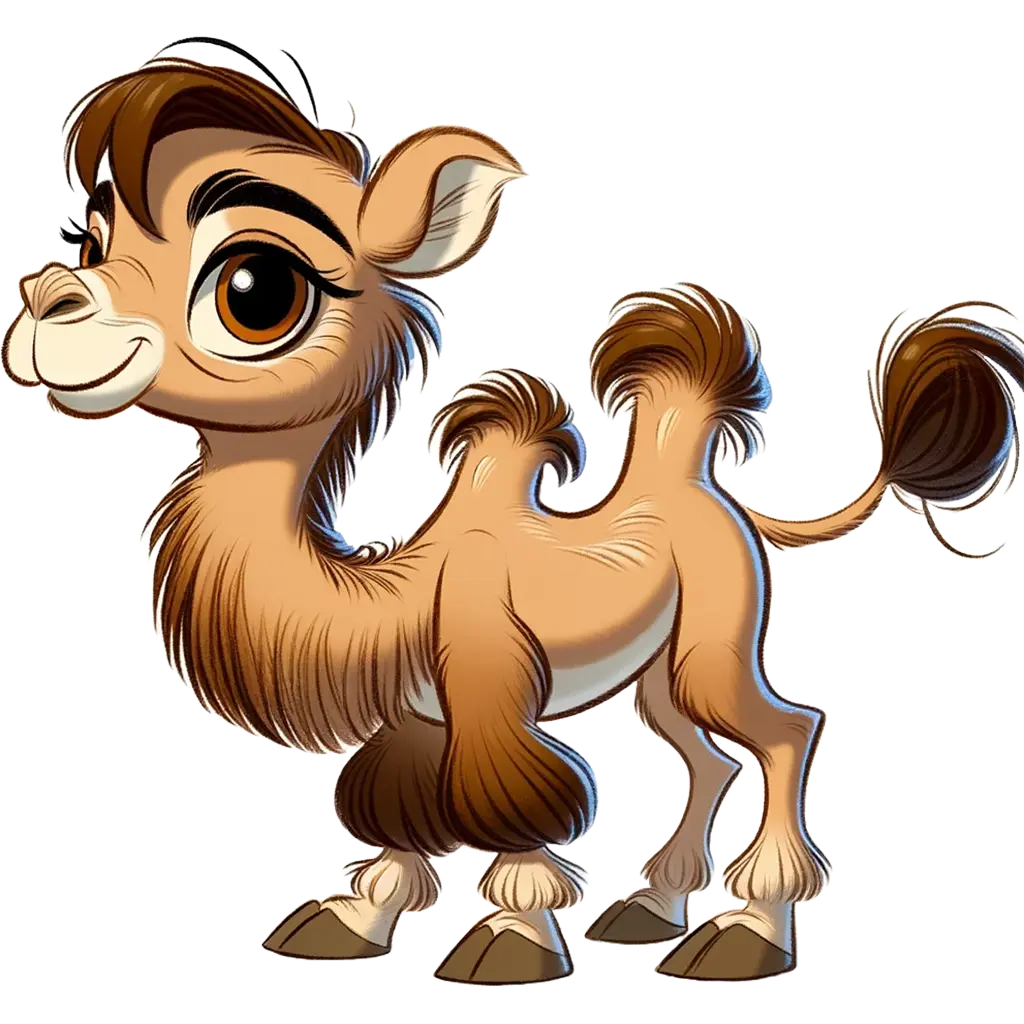
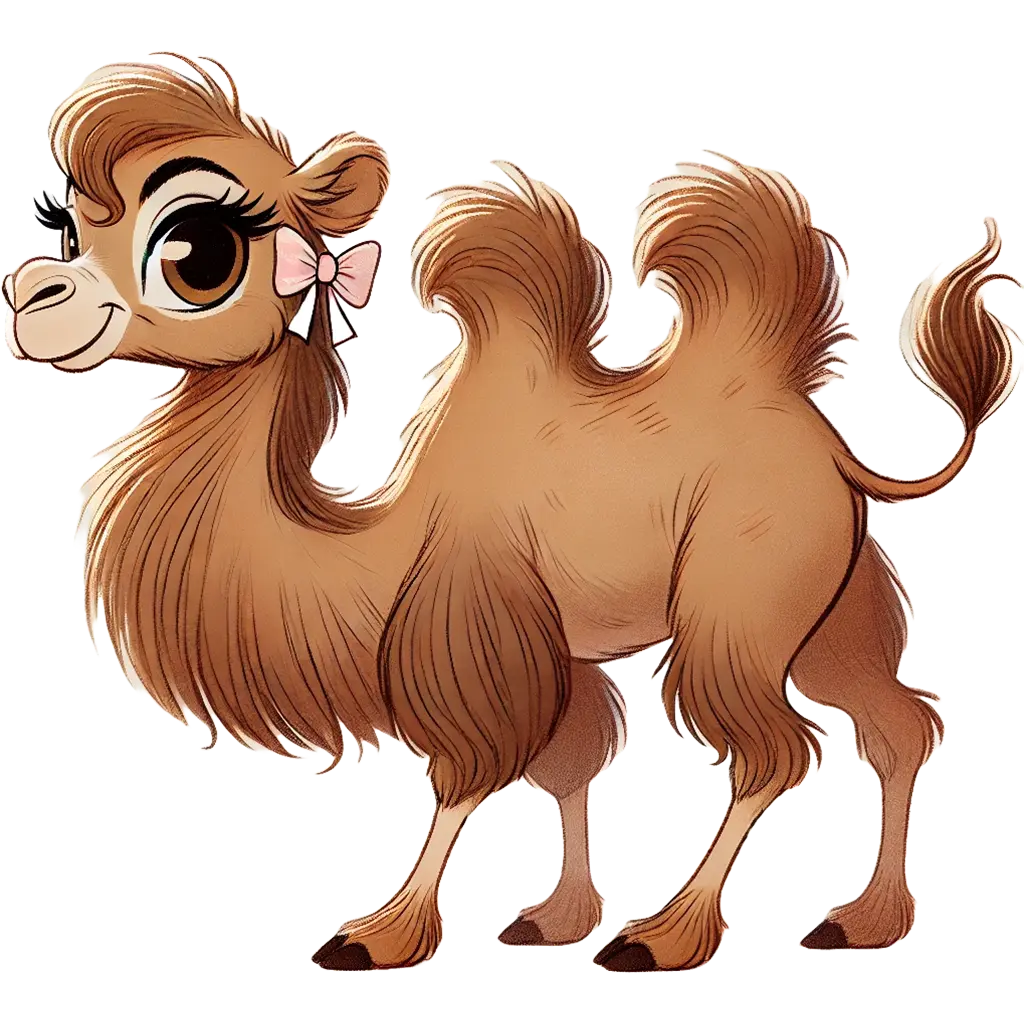
Bactrian camels have two humps, unlike their single-humped relatives, the dromedaries.
These humps store fat, not water, providing energy during food shortages. Bactrian camels are native to Central Asia's harsh environments, including the Gobi Desert. Their adaptations, such as thick coats and long eyelashes, protect them from extreme temperatures and sandstorms.

Download word search puzzles
Word Search Puzzles
Check Out Other Mammals
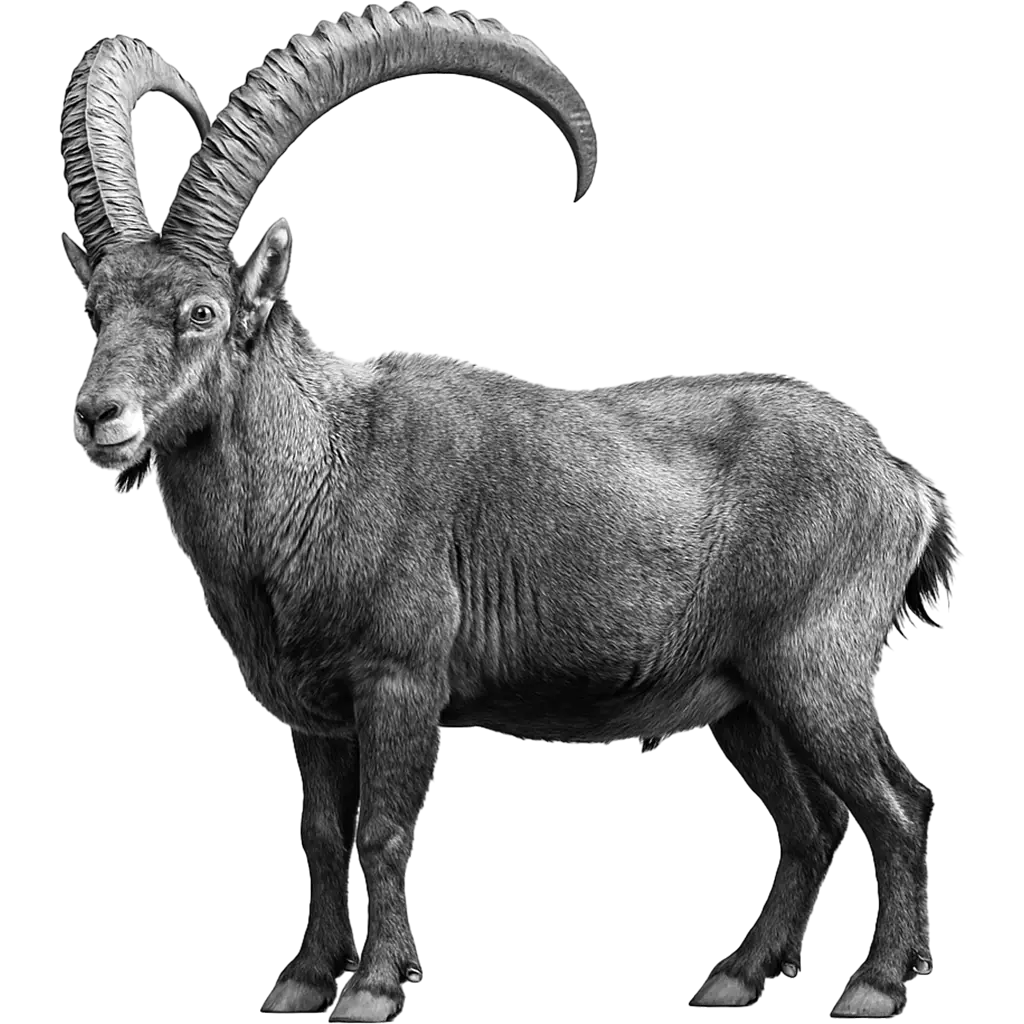
The Alpine Ibex is a majestic mountain goat with a robust, muscular body and impressive, curved horns that can span over one meter, serving both as a defense mechanism and a symbol of its regal presence. Its coarse coat, ranging from light brown to gray, and powerful legs with cloven

The Lion, panthera leo, stands as one of the most iconic species in the animal kingdom, symbolizing strength and majesty across various cultures. Recognized by their impressive mane, which is exclusive to males, Lions possess a muscular, deep-chested body, with a short, rounded head, round ears, and a hairy tuft

The Fossa, cryptoprocta ferox, is a unique and elusive carnivore native to Madagascar, often described as a 'cat-like' predator despite its closer genetic ties to mongooses and civets. This apex predator of the Malagasy forests stands as the largest mammalian carnivore on the island, with adults measuring up to 80
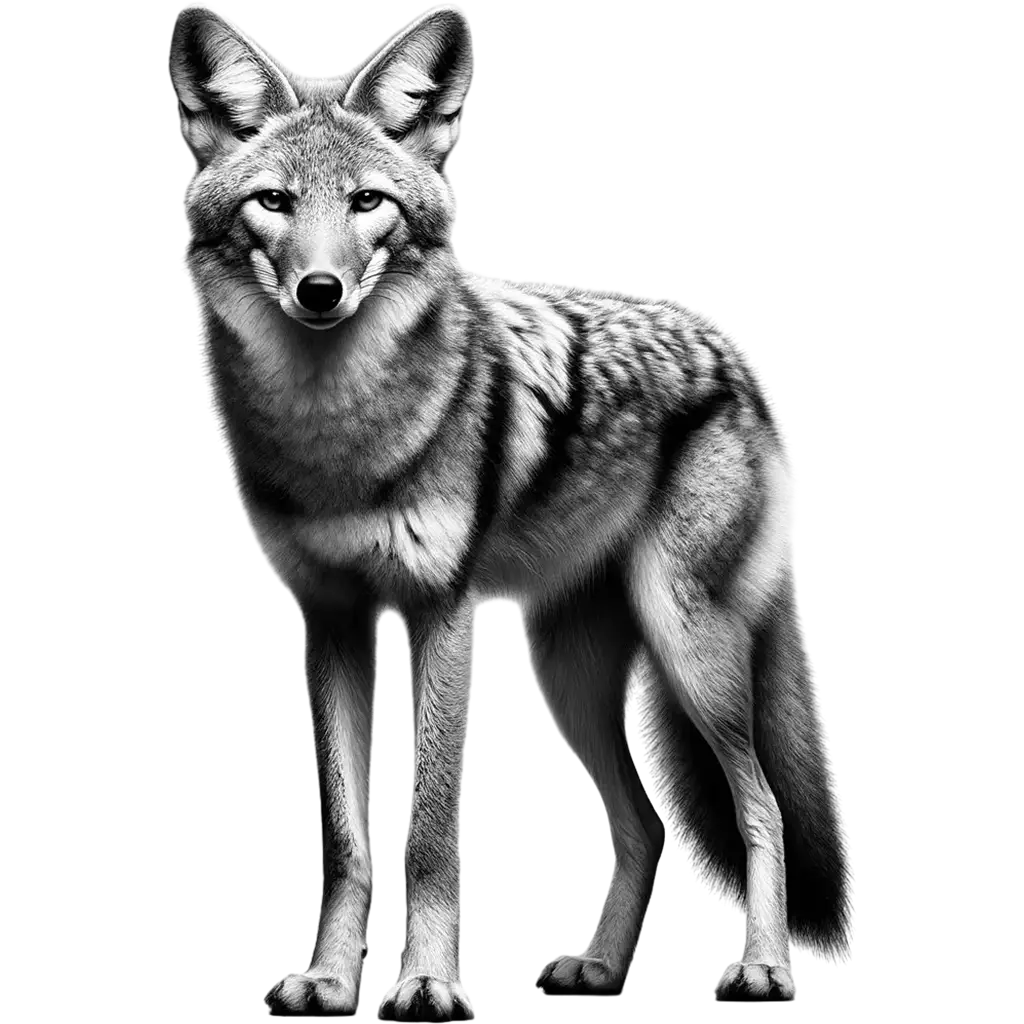
The Coyote, canis latrans, is a highly adaptable and versatile canid native to North America. Adults typically measure between 1.0 to 1.35 meters in length, including the tail, and weigh between 15 to 46 kg, with males generally larger than females. Their fur color can vary widely from grayish-brown to