
Budorcas Taxicolor Whitei
Bhutan Takin
Mountainous regions, including forested valleys and rocky slopes
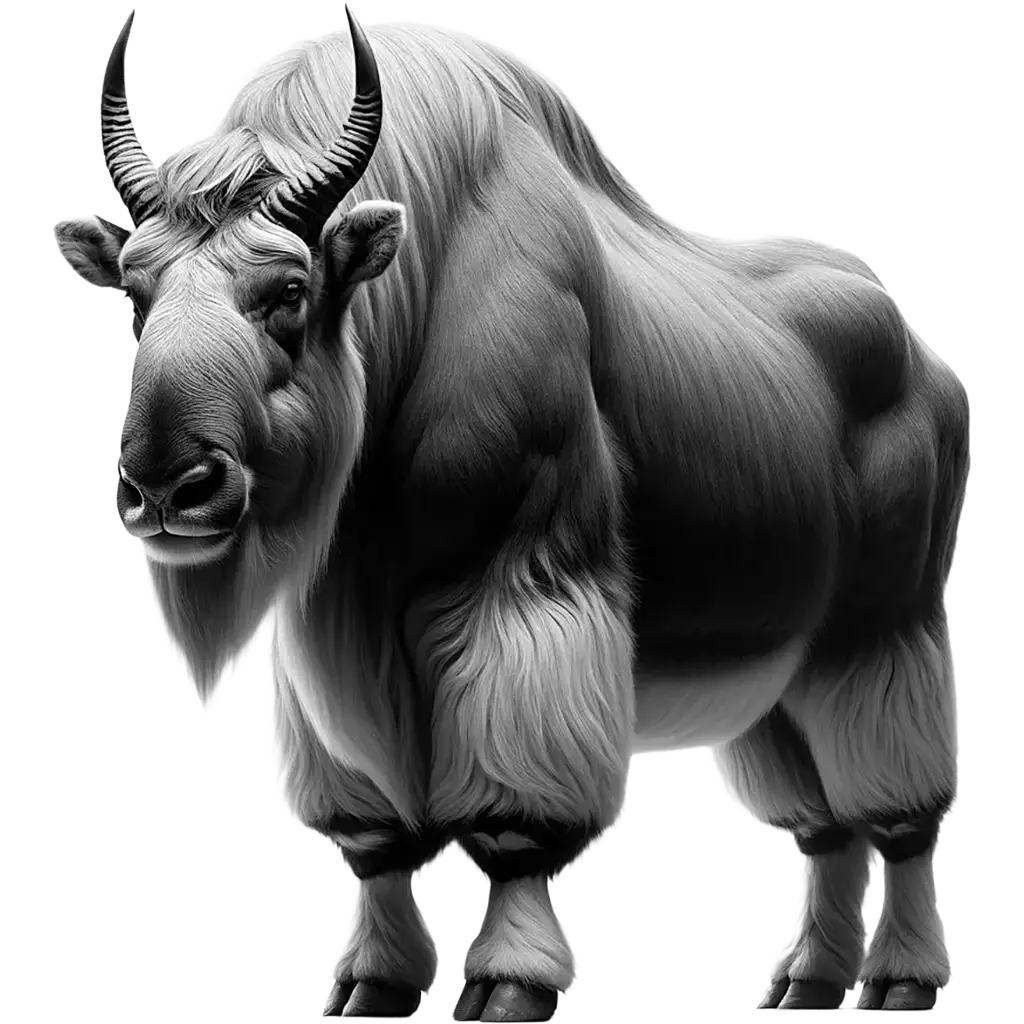
The Bhutan Takin, budorcas taxicolor whitei, is a subspecies of takin, a large, hoofed mammal native to the eastern Himalayas, particularly Bhutan. This unique animal is characterized by its bulky body, short, sturdy legs, and a large head with a pronounced Roman nose, making it appear somewhat like a cross between a cow and a goat. Adults can weigh between 200 to 350 kg, with males generally larger and more robust than females. Their thick, woolly coat varies from golden-yellow to brownish, providing insulation against the cold mountainous climate. Both males and females possess short, curved horns that sweep backwards from the crown.
| Population: | Listed as Vulnerable due to habitat loss and hunting |
| Generation Length: | 7-8 years |
| Average Weight: | 300-350 kg |
| Average Length: | 1.7-2.2 meters in body length, with a shoulder height of 1-1.3 meters |
| Lifespan: | 12-15 years in the wild |
| Diet: | Herbivorous, with a diet adapted to seasonal availability of vegetation |
| Conservation Status: | Vulnerable (VU) |
Bhutan Takins inhabit steep, forested valleys and alpine meadows where they can find a diverse diet of leaves, shoots, and grasses. They are well adapted to life in rugged terrain, able to navigate steep slopes and rocky outcrops with ease. Takins are social animals, often forming herds of up to 30 individuals, which offers protection from predators and facilitates foraging in their harsh environment.
The diet of the Bhutan Takin is herbivorous, focusing on the abundant vegetation available in their mountainous habitat. They play a significant role in their ecosystem by influencing the growth patterns of vegetation through their feeding habits, thus maintaining the health and diversity of their habitat.
Reproduction in Bhutan Takins typically occurs in late spring, with females giving birth to a single calf after a gestation period of about seven to eight months. Calves are born well-developed and are able to follow their mothers over rugged terrain within a few days of birth. This early mobility is crucial for their survival in the predator-rich environment of the Himalayas.
The population of the Bhutan Takin is considered vulnerable due to habitat loss, competition with livestock, and hunting. Conservation efforts are focused on habitat protection and sustainable management of their range. As a national symbol of Bhutan, the takin enjoys a degree of protection within the country, including the establishment of wildlife sanctuaries and national parks that encompass critical habitats for this and other Himalayan species.
Classifications
The Key Attributes
Features
- Movement:
Walking, climbing
- Territorial Behavior:
Social, forming herds
- Speed:
Not particularly fast but agile in mountainous terrain
- Diet:
Herbivore
- Physical Features:
- Stocky body with short, sturdy legs
- Thick neck and a large, moose-like nose
- Dense, woolly underfur with a longer, coarser outer coat
- Both males and females have thick, curved horns
- Primary Senses:
- Sight
- Hearing
- Smell
Understanding Habitat and Range
Geography
- Habitat:
Mountainous regions, including forested valleys and rocky slopes
- Migration Patterns:
Altitudinal migrations depending on the season
- Geographical Range:
Endemic to the Eastern Himalayas, primarily found in Bhutan, northern India, and parts of China
- Climate Preferences:
Prefers cooler mountainous climates, avoiding the extreme cold of high altitudes in winter
Navigating the Wilderness
In the wild
- Predators:
Leopards and wolves can be predators, though adult takins have few natural threats due to their size and strength
- Prey:
Not applicable
- Feeding Behavior:
Feeds on a variety of plants including leaves, shoots, and grasses
- Diet:
Herbivorous, with a diet adapted to seasonal availability of vegetation
- Defensive Mechanisms:
- Strong horns used for defense
- Herd behavior to protect against predators
- Agility in rocky terrain for escape
- Preferred Food Sources:
- Mountainous areas with abundant vegetation, often moving to lower altitudes in winter for food
Insights Into Reproduction
Mating
- Mating System:
Polygynous, with males competing for access to females
- Number of Offspring:
Usually one calf
- Gestation Period:
Around 7-8 months
- Parental Involvement:
- Females care for the young, with calves staying with their mothers for extended periods
Youngsters Section
Bhutan Takin
Fun Fact
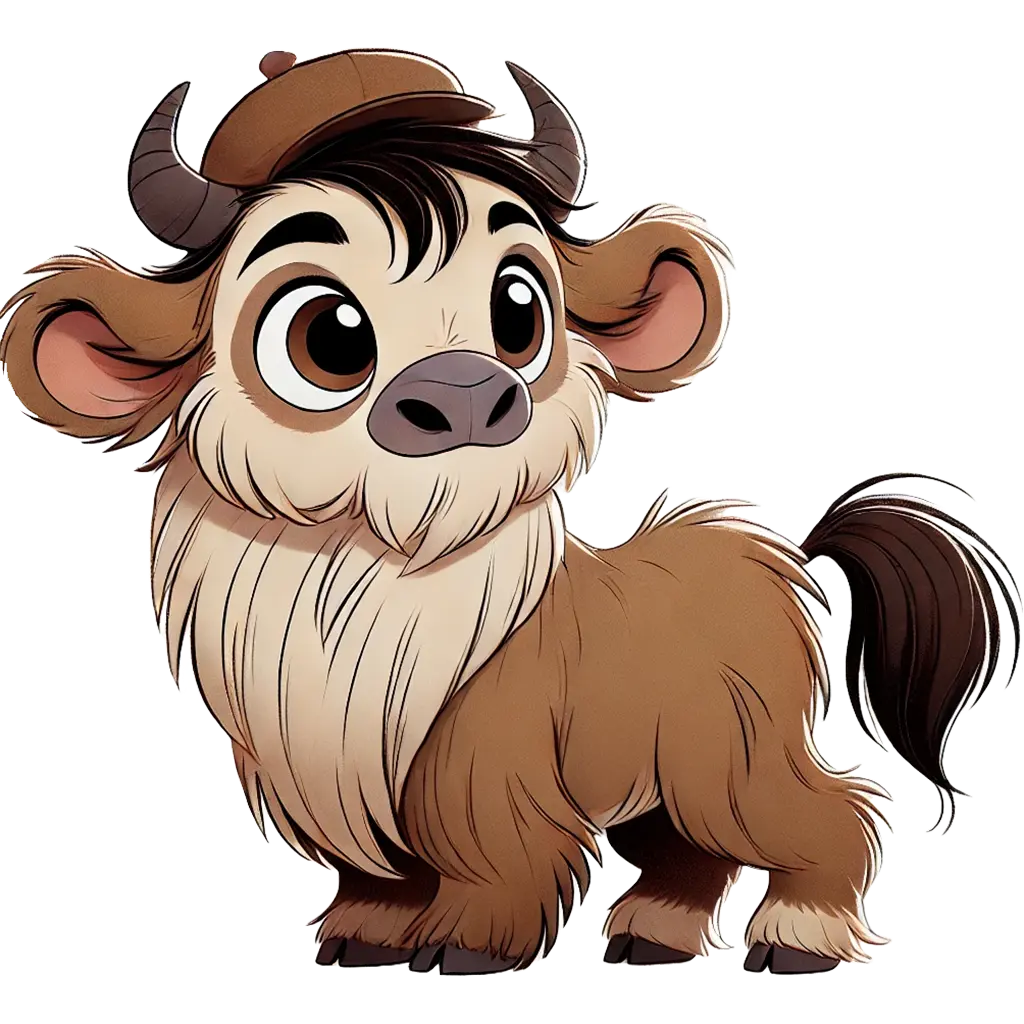
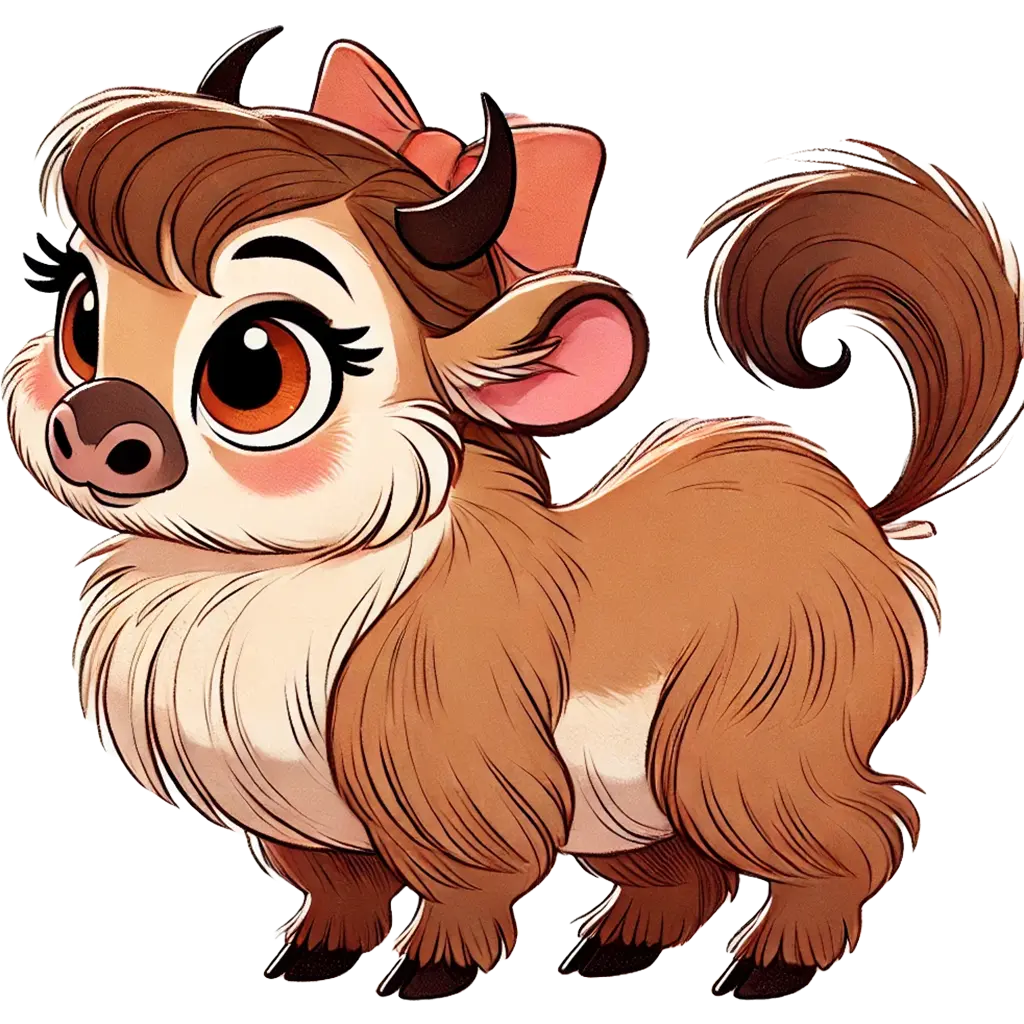
The Bhutan Takin is the national animal of Bhutan, known for its unique appearance and mythology.
This remarkable animal has adapted to high altitudes in the Eastern Himalayas. It has a sturdy build resembling a mix of a goat and an antelope, with a large snout and thick horns. Legend has it that the Bhutan Takin was created by a Tibetan saint, giving it a special place in Bhutanese culture.

Download word search puzzles
Word Search Puzzles
Check Out Other Mammals
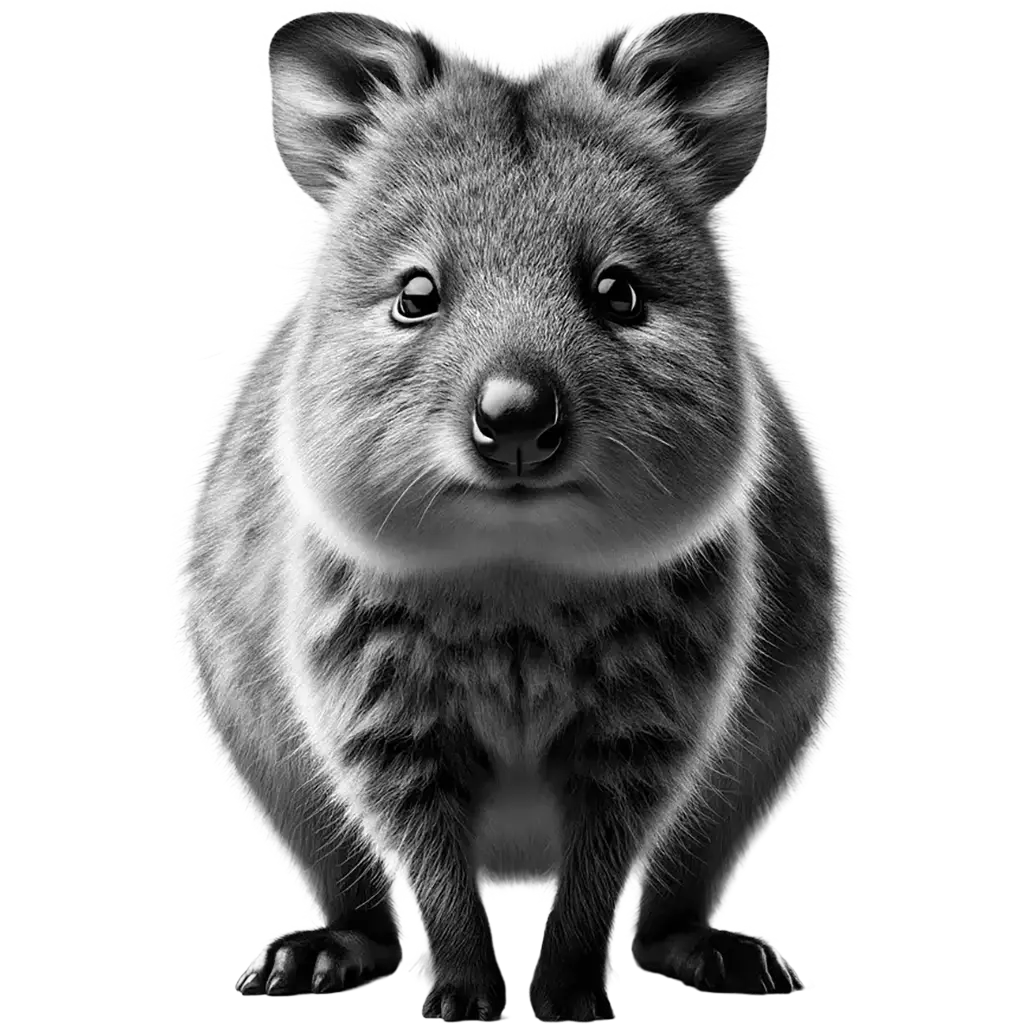
The Quokka, setonix brachyurus, is a small marsupial native to small islands off the coast of Western Australia, most notably Rottnest Island, as well as some areas in the mainland's southwestern part. Recognizable by its compact, rounded body, the Quokka is roughly the size of a domestic cat, with adults
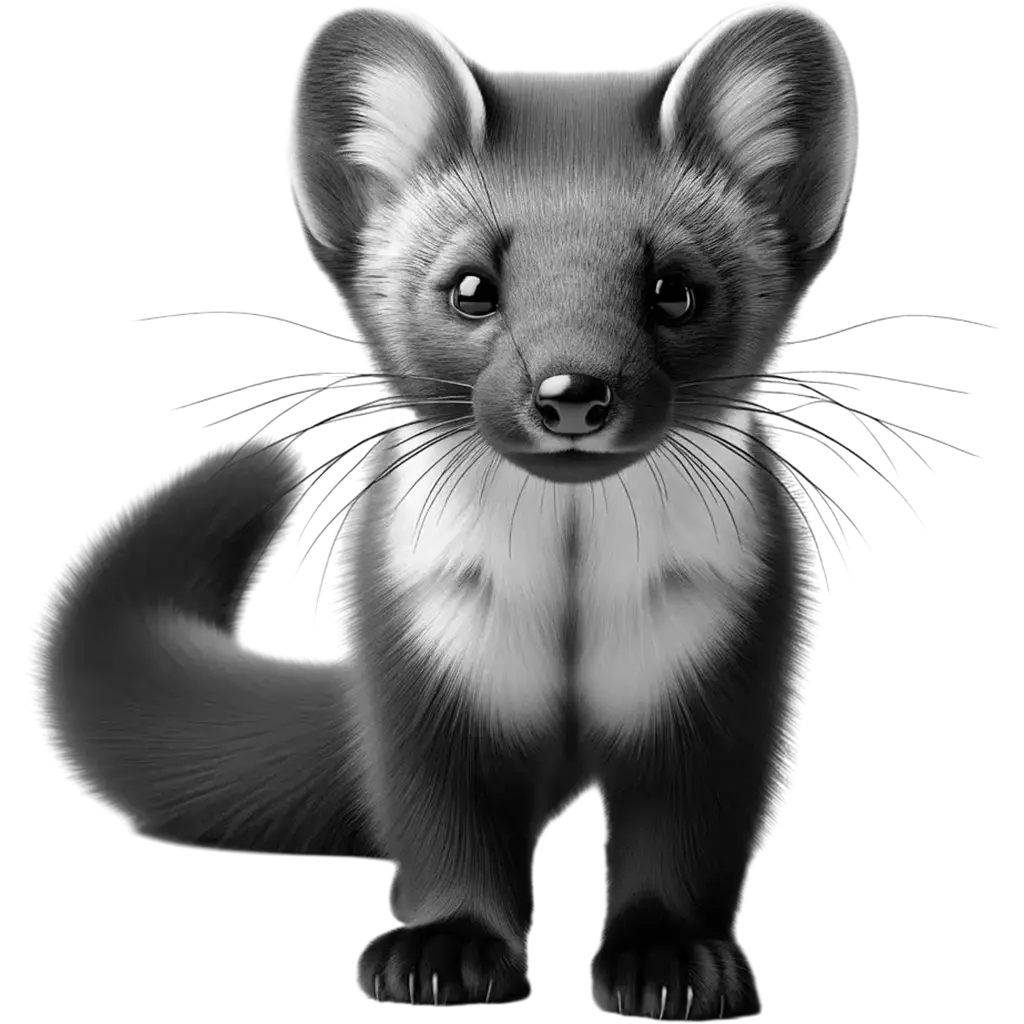
The European Pine Marten, martes martes, is a medium-sized carnivore distinguished by its slender body, bushy tail, and luxurious fur. This species has a rich brown coat with a distinctive creamy-yellow bib on its throat, extending down its chest. Adult pine martens have a body length ranging from 45 to
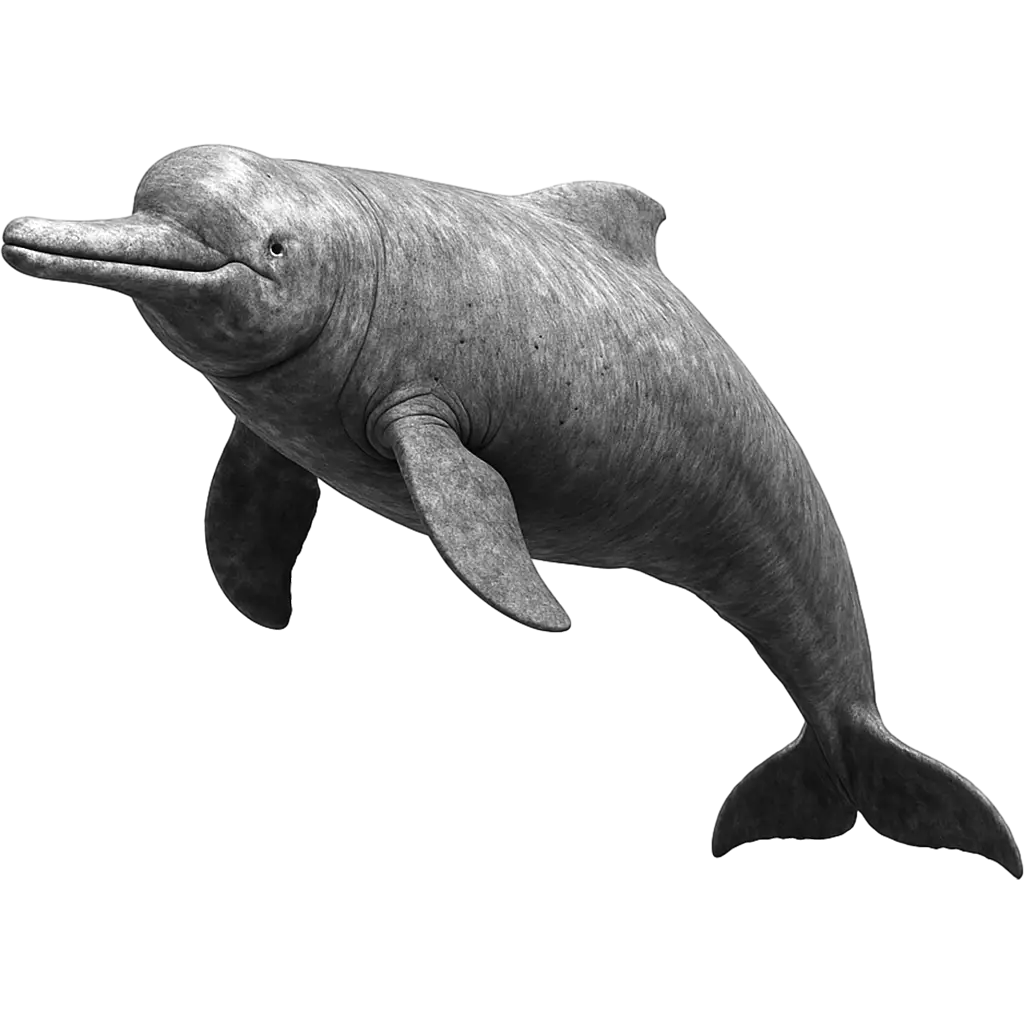
Amazon River Dolphins are remarkable cetaceans with smooth, rubbery skin that shifts in hues of delicate pink. Their slender, elongated bodies and long, pointed beaks give them a graceful, almost otherworldly look. Large, dark eyes and a broad forehead add to their expressive facial features. A flexible dorsal fin and

The Mastiff, known for its immense size and gentle demeanor, is one of the oldest and most majestic breeds of dogs. Characterized by a massive head, broad skull, and a well-defined stop, the Mastiff's appearance exudes power and nobility. Their coat, which can be fawn, apricot, or brindle, is complemented