
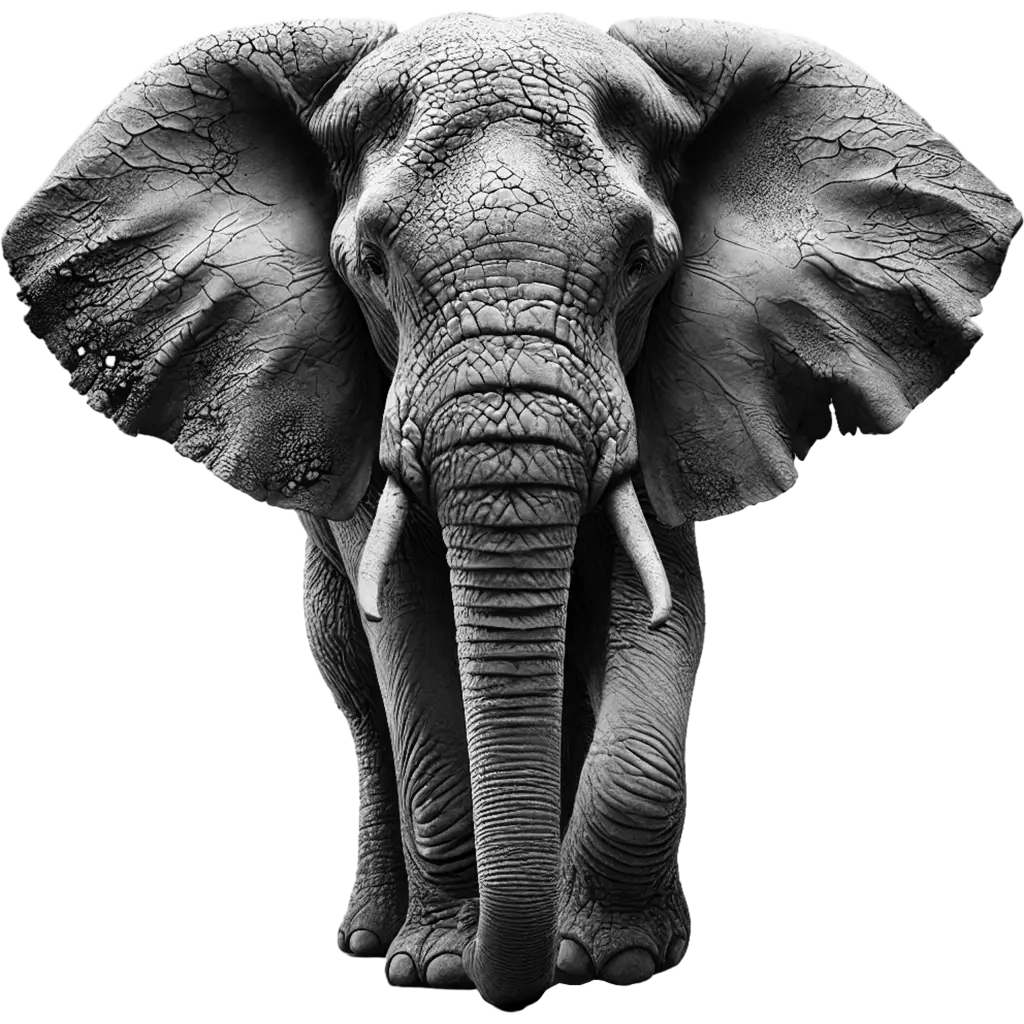
Elephas Maximus
Asian Elephant
Forests, grasslands, scrublands
The Asian Elephant is the largest land mammal in Asia, distinguished by its smaller ears, domed head, and a more rounded back compared to its African relatives. Males grow larger than females and may have long tusks, while many females lack tusks altogether. Their long, muscular trunk is used for grasping food, communication, and even self-defense. Adult males can weigh up to 5,500 kg and reach lengths of over 6 meters, making them one of the most powerful animals in the world.
| Population: | Estimated 40,000-50,000 individuals in the wild |
| Generation Length: | 22-25 years |
| Average Weight: | 2,700-5,500 kg |
| Average Length: | 5.5-6.5 meters (body), 1.2-1.5 meters (tail) |
| Lifespan: | 50-70 years in the wild |
| Diet: | Grasses, bark, leaves, fruits |
| Conservation Status: | Endangered (EN) |
Asian Elephants are highly social animals that live in matriarchal herds led by an experienced female. These herds consist of closely related females and their young, while males often leave the group upon reaching maturity. They communicate through vocalizations, body language, and infrasound, which allows them to detect distant herd members. They are known to migrate seasonally in search of food and water, often traveling long distances through forests and grasslands.
As herbivores, Asian Elephants consume a wide variety of plant material, including grasses, leaves, bark, and fruits. An adult elephant can eat up to 150 kg of vegetation per day. Their large size and high food intake make them essential for their ecosystems, as they help shape landscapes by dispersing seeds and clearing vegetation. Elephants require large amounts of water and are often seen bathing and drinking in rivers or waterholes.
Reproduction in Asian Elephants is a slow process due to their long gestation period, which lasts between 18 and 22 months—the longest of any land mammal. Females give birth to a single calf, which remains dependent on its mother for several years. The entire herd helps in raising and protecting the young. Mating occurs year-round, but male elephants experience a period called musth, where they become highly aggressive and compete for females.
The Asian Elephant population has been declining due to habitat destruction, human-wildlife conflicts, and poaching for ivory. Conservation efforts include habitat protection, anti-poaching measures, and captive breeding programs. Despite these efforts, they remain endangered, and continued conservation action is necessary to ensure their survival in the wild.
Classifications
The Key Attributes
Features
- Movement:
Quadrupedal
- Territorial Behavior:
Social, living in matriarchal herds
- Speed:
Up to 40 km/h in short bursts
- Diet:
Herbivore
- Physical Features:
- Smaller ears compared to African elephants
- Domed head with twin bumps
- Long, muscular trunk
- Tusks present mainly in males
- Primary Senses:
- Smell
- Hearing
- Touch
Understanding Habitat and Range
Geography
- Habitat:
Forests, grasslands, scrublands
- Migration Patterns:
Seasonal migrations for food and water
- Geographical Range:
South and Southeast Asia, including India, Sri Lanka, Thailand, and Indonesia
- Climate Preferences:
Tropical and subtropical climates
Navigating the Wilderness
In the wild
- Predators:
Adults have no natural predators, but calves may be preyed upon by tigers
- Prey:
None (herbivorous)
- Feeding Behavior:
Consumes up to 150 kg of vegetation daily
- Diet:
Grasses, bark, leaves, fruits
- Defensive Mechanisms:
- Trunk used for defense and communication
- Powerful tusks in males
- Group protection of young by herd members
- Preferred Food Sources:
- Bamboo
- Bananas
- Tree bark
- Grasses
Insights Into Reproduction
Mating
- Mating System:
Polygynous
- Number of Offspring:
Usually one calf per birth
- Gestation Period:
18-22 months
- Parental Involvement:
- Mother provides primary care
- Herd helps protect and nurture young
Youngsters Section
Asian Elephant
Fun Fact
Asian Elephants use infrasound to communicate over long distances, even when out of sight.
They are known for their intelligence and emotional depth, forming strong social bonds within their herds. Some elephants have even been observed using tools, such as branches to swat flies or scratch their backs.

Download word search puzzles
Word Search Puzzles


Check Out Other Mammals
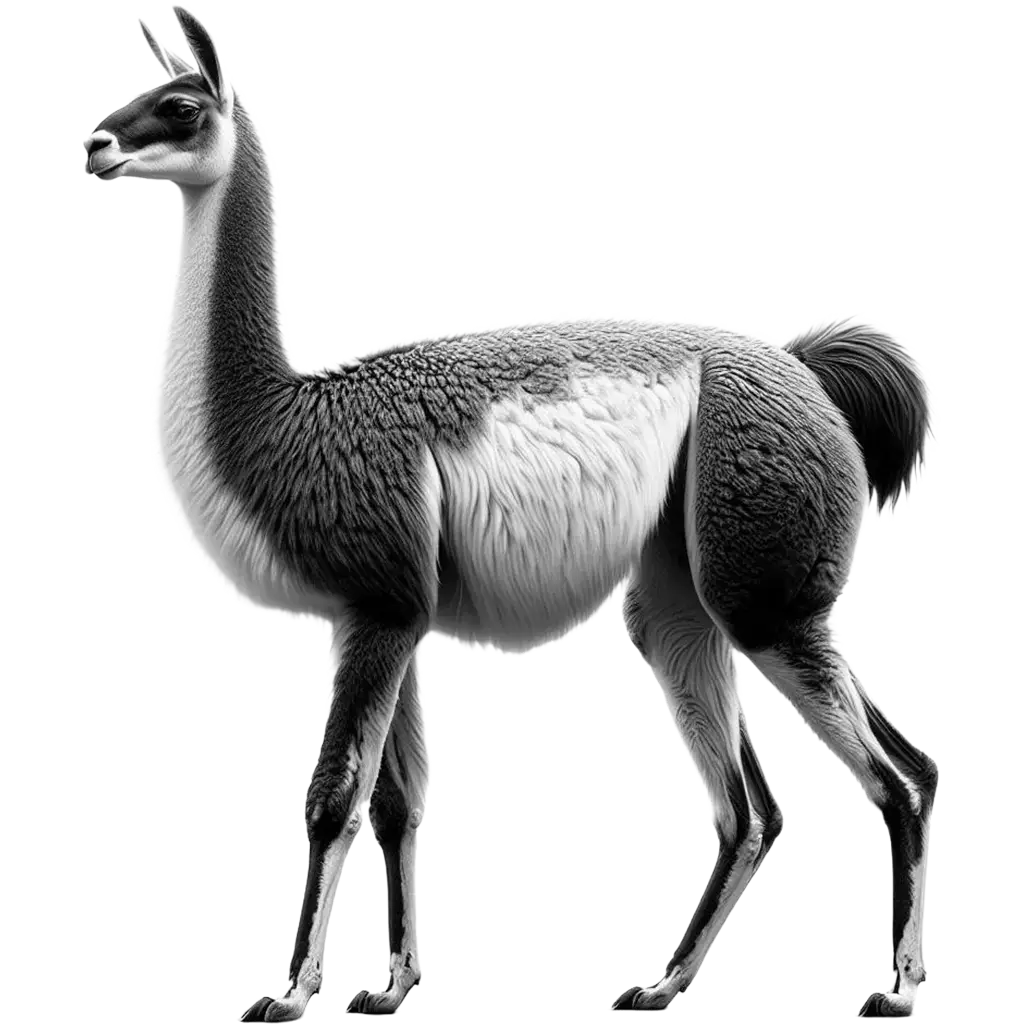
The Guanaco, lama guanicoe, is a camelid native to South America, closely related to the domesticated llama and a wild ancestor to the alpaca. Adult Guanacos stand about 1 to 1.2 meters (3.3 to 3.9 feet) at the shoulder and weigh between 90 to 140 kilograms (200 to 310 pounds).

The Pomeranian, known for its fluffy coat and lively personality, is a small breed of dog that belongs to the Spitz family. Adults typically weigh between 1.4 to 3.2 kg (3 to 7 pounds) and stand about 20 cm (7.9 inches) tall at the shoulder, making them one of the
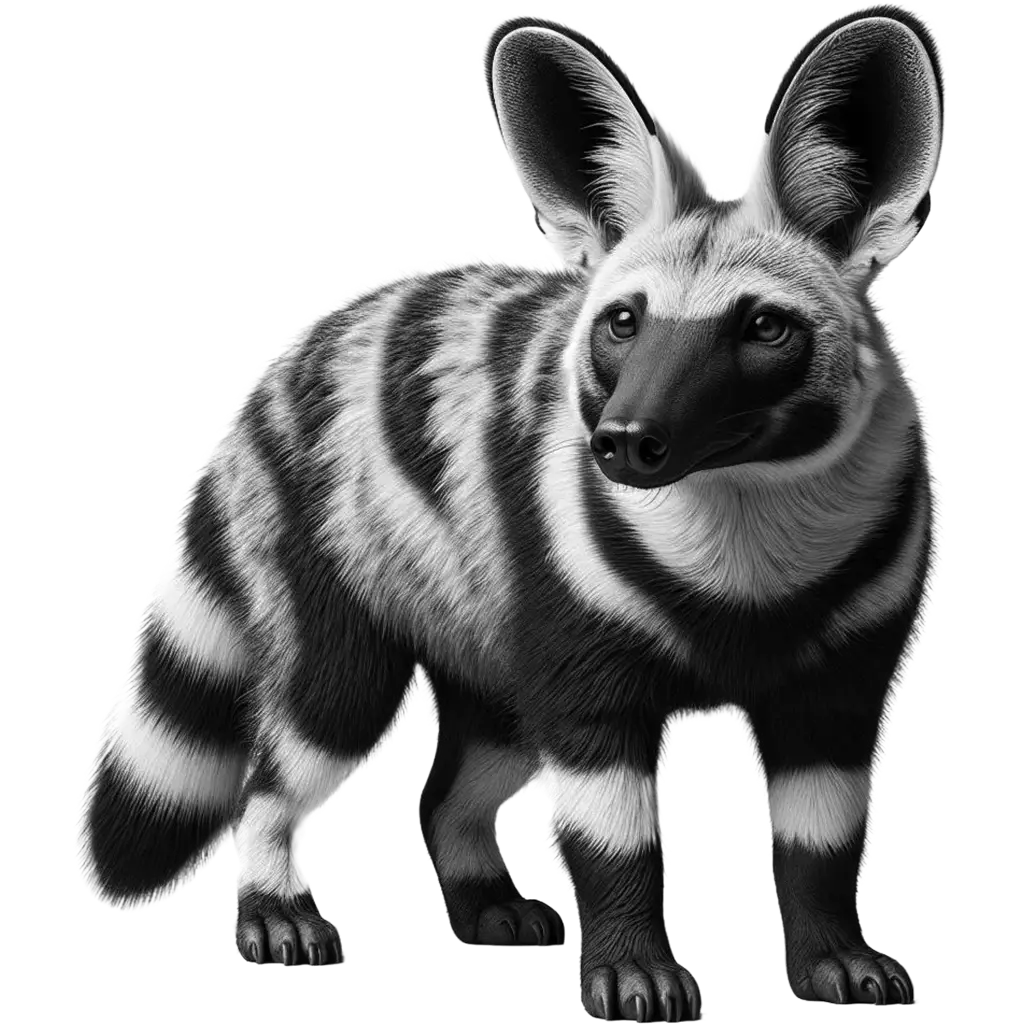
The Aardwolf, proteles cristatus, is a small, insectivorous mammal, distinct from its larger carnivorous relatives in the Hyaenidae family, such as hyenas. With a shoulder height of about 40 to 50 cm and weighing between 8 to 14 kg, the Aardwolf possesses a slender frame, covered in a coarse yellow-brown

The Greyhound, canis lupus familiaris, is a breed of dog distinguished by its slender, elegant build and remarkable speed, making it one of the fastest dog breeds, capable of reaching speeds up to 45 miles per hour (72 kilometers per hour). This breed typically weighs between 27 to 40 kilograms