

Canis Lupus
English Springer Spaniel
Adaptable to various living conditions, including homes, farms, and fields
The English Springer Spaniel is a medium-sized, energetic breed known for its friendly demeanor and distinctive appearance. Typically weighing between 18 to 25 kg and standing about 46 to 51 cm at the shoulder, this breed possesses a compact body with strong, muscular legs, ideal for strenuous activity. Their coat, which can be either liver and white, black and white, or tri-color, is of moderate length with feathering on the ears, chest, legs, and belly. The breed's expressive, almond-shaped eyes and long, pendant ears give the English Springer Spaniel a gentle and alert expression.
| Population: | Widely bred and not considered endangered |
| Generation Length: | 3-5 years |
| Average Weight: | 18-25 kg |
| Average Length: | 48-56 cm at the shoulder |
| Lifespan: | 12-14 years |
| Diet: | Domestic diet often includes a mix of protein, vegetables, and grains |
| Conservation Status: | Not Evaluated (NE) |
Originally bred for flushing and retrieving game in the English countryside, English Springer Spaniels thrive on physical activity and mental stimulation. They are versatile dogs, excelling in various dog sports and activities including hunting, tracking, agility, and obedience. This breed is known for its endurance and agility, capable of working tirelessly in the field for hours. Their keen sense of smell and trainability make them excellent hunting companions, yet they are equally content being part of a family, demonstrating adaptability to both active outdoor lifestyles and more sedate family settings.
The diet of the English Springer Spaniel should be well-balanced and appropriate for their age, size, and activity level. High-quality commercial dog food or a well-researched homemade diet can meet their nutritional needs, with the addition of regular exercise to maintain a healthy weight and muscle tone. Care should be taken to avoid overfeeding, as this breed can be prone to obesity.
Reproduction in English Springer Spaniels typically results in litters of 5 to 7 puppies. Responsible breeders will screen for genetic health conditions such as hip dysplasia, eye disorders, and PRA (Progressive Retinal Atrophy) to ensure the health and well-being of the puppies. Early socialization and training are crucial for developing well-adjusted and obedient adult dogs.
The population of English Springer Spaniels is stable, with the breed enjoying popularity both as a working dog and a family pet. They are recognized for their intelligence, affectionate nature, and willingness to please, making them a favored choice among dog enthusiasts. Ongoing efforts by breed clubs and organizations focus on promoting responsible breeding practices and preserving the breed's health and working capabilities.
Classifications
The Key Attributes
Features
- Movement:
Walking, running, swimming
- Territorial Behavior:
Social, often friendly and good with families
- Speed:
Capable of quick, agile movement
- Diet:
Omnivore
- Physical Features:
- Medium-sized with a compact body
- Pendulous ears and a moderately long coat
- Friendly and alert expression
- Strong legs and a well-balanced body suited for active work
- Primary Senses:
- Sight
- Hearing
- Smell
Understanding Habitat and Range
Geography
- Habitat:
Adaptable to various living conditions, including homes, farms, and fields
- Migration Patterns:
Non-migratory, but can be relocated by owners
- Geographical Range:
Originated in England; now found worldwide due to popularity as a pet and working dog
- Climate Preferences:
Adaptable to a range of climates, from cold to temperate environments
Navigating the Wilderness
In the wild
- Predators:
Not applicable in domestic settings
- Prey:
Not applicable
- Feeding Behavior:
Fed a controlled diet typically consisting of commercial dog food, tailored to activity levels and health needs
- Diet:
Domestic diet often includes a mix of protein, vegetables, and grains
- Defensive Mechanisms:
- Barking to alert of intruders
- Can be protective of family and territory
- Preferred Food Sources:
- Dependent on human-provided meals and treats
Insights Into Reproduction
Mating
- Mating System:
Managed breeding in domestication
- Number of Offspring:
3-6 puppies
- Gestation Period:
Approximately 63 days
- Parental Involvement:
- Care largely managed by human breeders and owners, with mother nursing the puppies
Youngsters Section
English Springer Spaniel
Fun Fact
The English Springer Spaniel is known for its boundless energy and friendly nature, making it a great family pet.
These dogs were originally bred for flushing game in the field. Their name "Springer" comes from their ability to "spring" birds into the air, aiding hunters. They're highly trainable, excelling in obedience and agility. With a keen sense of smell, they're also popular in search and rescue roles. Their loving disposition and playful spirit make them wonderful companions.

Download word search puzzles
Word Search Puzzles


Check Out Other Mammals

The Pomeranian, known for its fluffy coat and lively personality, is a small breed of dog that belongs to the Spitz family. Adults typically weigh between 1.4 to 3.2 kg (3 to 7 pounds) and stand about 20 cm (7.9 inches) tall at the shoulder, making them one of the
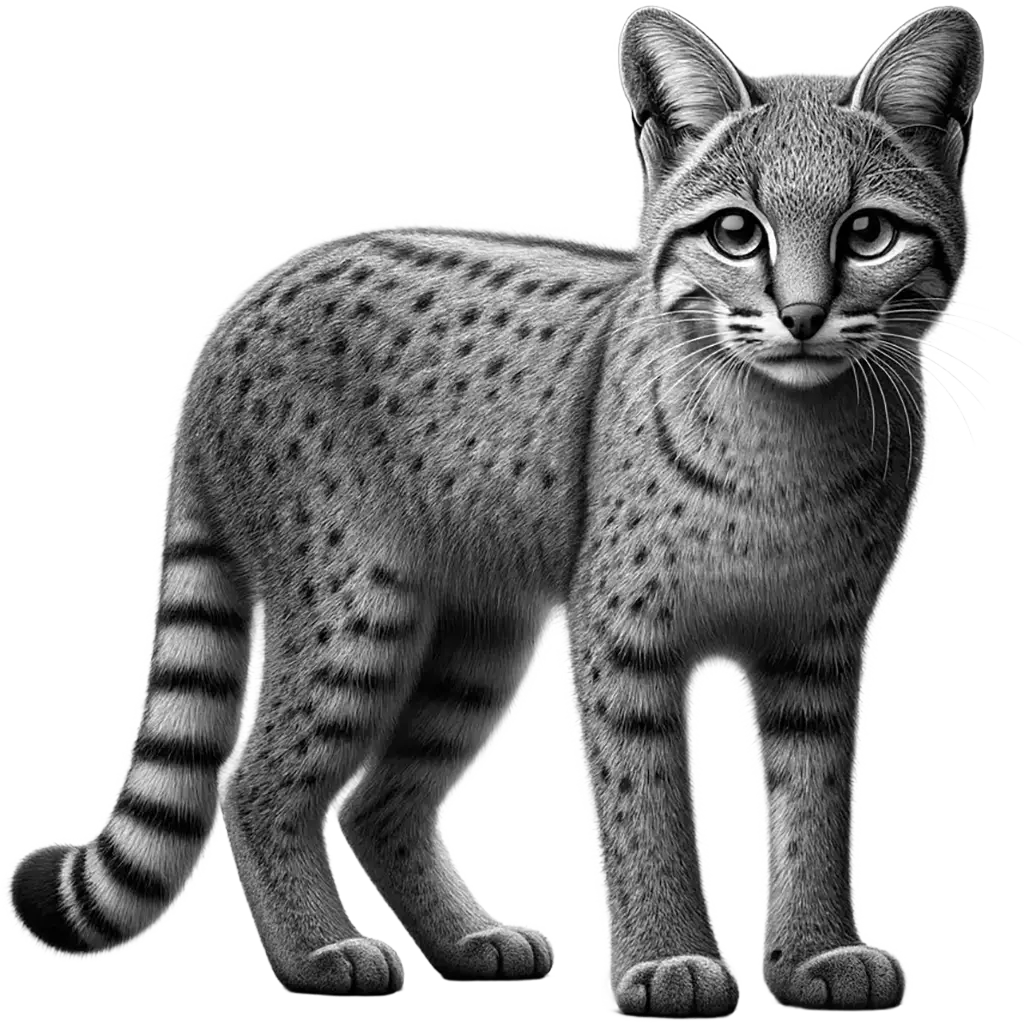
The African Wildcat, felis lybica, is a small, elusive feline that is considered the progenitor of the domestic cat. Measuring approximately 40 to 50 cm in length with a 20 to 30 cm tail, and weighing between 3 to 6.5 kg, it exhibits a slender build and long legs. The
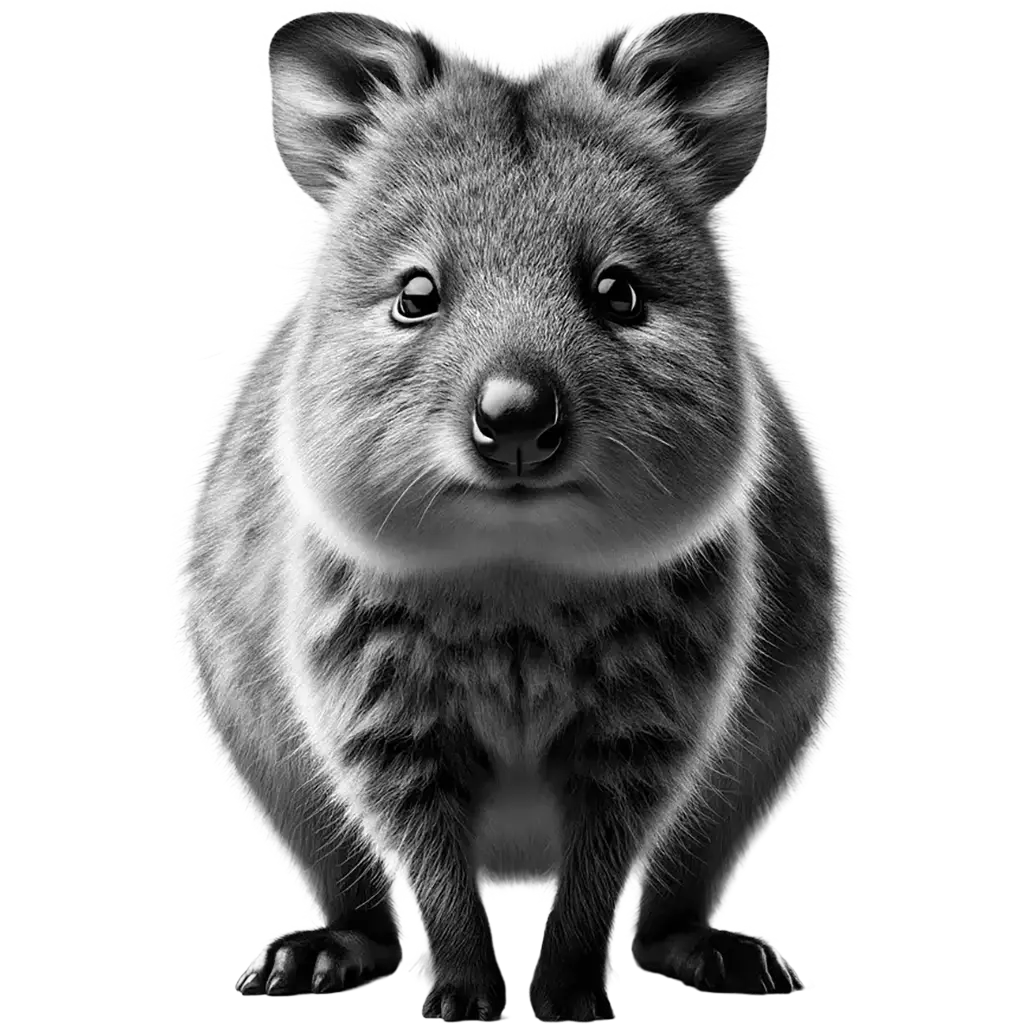
The Quokka, setonix brachyurus, is a small marsupial native to small islands off the coast of Western Australia, most notably Rottnest Island, as well as some areas in the mainland's southwestern part. Recognizable by its compact, rounded body, the Quokka is roughly the size of a domestic cat, with adults
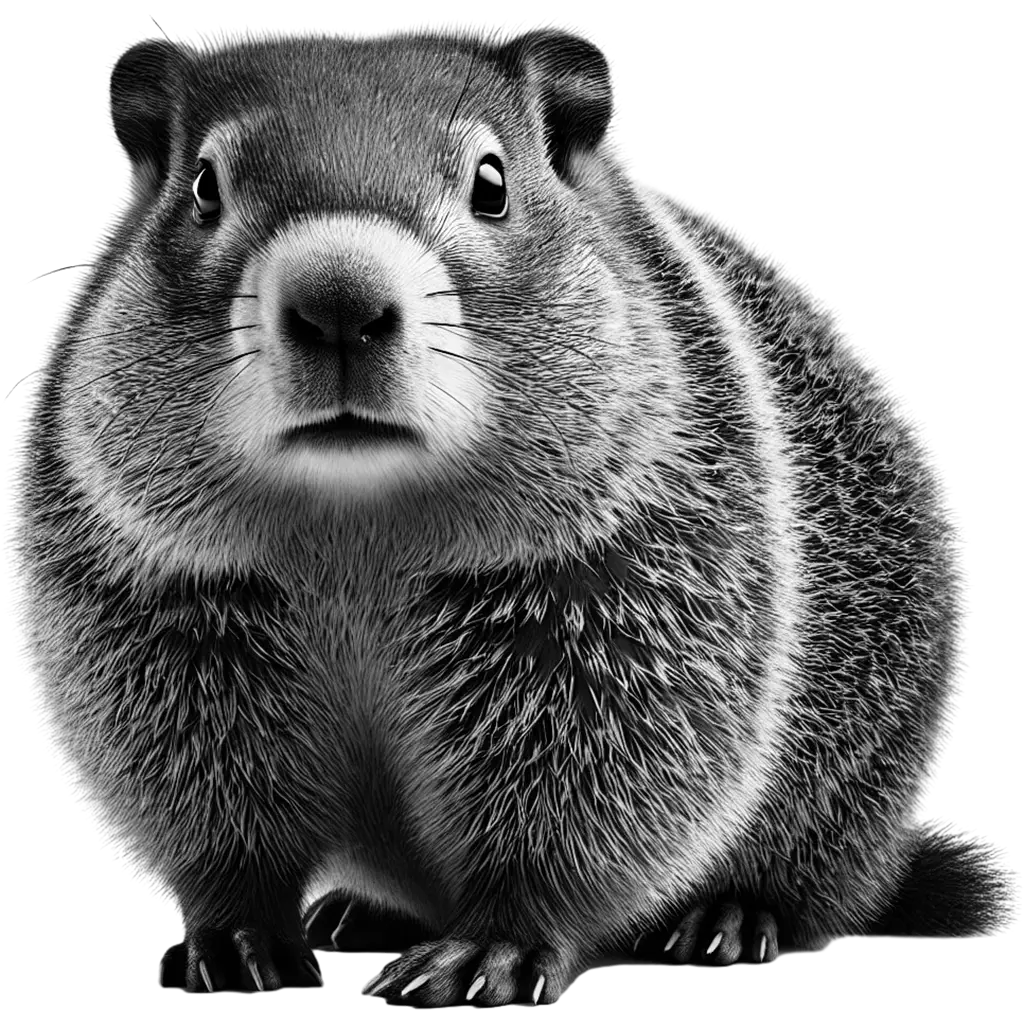
The groundhog is a stout, robust rodent characterized by its stocky body, short legs, and bushy tail. Its dense, coarse fur is typically a mix of brown and gray hues, which helps it blend into woodland and field environments. The broad, rounded head is complemented by prominent incisors and small,