
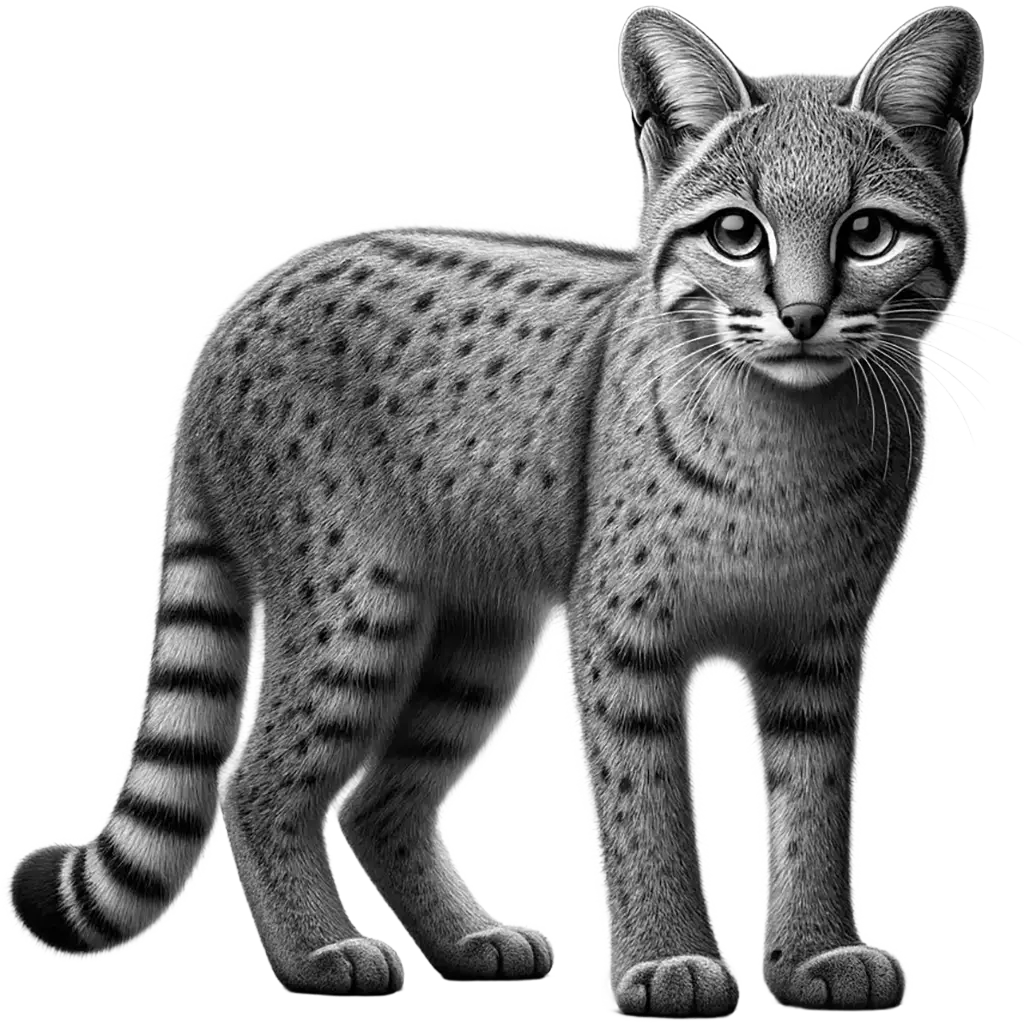
Felis Lybica
African Wildcat
Varied, including savannas, grasslands, and forests
The African Wildcat, felis lybica, is a small, elusive feline that is considered the progenitor of the domestic cat. Measuring approximately 40 to 50 cm in length with a 20 to 30 cm tail, and weighing between 3 to 6.5 kg, it exhibits a slender build and long legs. The coat is typically tawny, grey, or brown, adorned with faint stripes and a distinctive reddish hue on the ears and around the face. Its fur pattern provides excellent camouflage in its natural habitat, blending seamlessly with the surrounding environment.
| Population: | Listed as Least Concern, but populations are declining due to hybridization with domestic cats |
| Generation Length: | 3-4 years |
| Average Weight: | 3-6 kg |
| Average Length: | 45-75 cm including tail |
| Lifespan: | 12-15 years in the wild |
| Diet: | Predominantly carnivorous, with a preference for small vertebrates |
| Conservation Status: | Least Concern (LC) |
Native to Africa and parts of the Middle East and Central Asia, the African Wildcat inhabits a wide range of environments, from arid deserts to savannahs and bushlands. It is a solitary and nocturnal predator, relying on stealth and agility to hunt. The African Wildcat marks its territory with scent marks, vocalizations, and physical indicators such as scratch marks on trees.
The diet of the African Wildcat is primarily composed of small mammals, birds, insects, and other small prey. Its hunting strategy involves stalking and pouncing, a behavior that domestic cats mimic in play and hunting. This diet reflects the wildcat's role as a natural pest controller, contributing to the balance of ecosystems by regulating prey populations.
Reproduction in African Wildcats follows a seasonal pattern in some regions, with a peak in births occurring when prey is most abundant. Females typically give birth to 2 to 5 kittens after a gestation period of about 56 to 69 days. Kittens are born in secluded dens, and mothers invest significant care, teaching them to hunt and fend for themselves before they become independent at around 5 to 6 months of age.
The population of the African Wildcat is currently stable across much of its range, but it faces threats from habitat loss, human encroachment, and interbreeding with domestic cats, which dilutes the genetic pool. Conservation efforts are focused on habitat preservation, research, and awareness programs to ensure the survival of this species, highlighting the importance of maintaining the genetic and ecological diversity of wild felines.
Classifications
The Key Attributes
Features
- Movement:
Walking, running, climbing
- Territorial Behavior:
Solitary, with territories that are marked and defended against others
- Speed:
Capable of quick bursts of speed for catching prey
- Diet:
Carnivore
- Physical Features:
- Small to medium-sized cat with a slender build
- Striped and spotted coat that provides camouflage
- Sharp retractable claws for hunting and climbing
- Highly developed night vision and hearing for nocturnal hunting
- Primary Senses:
- Sight
- Hearing
- Smell
Understanding Habitat and Range
Geography
- Habitat:
Varied, including savannas, grasslands, and forests
- Migration Patterns:
Non-migratory, with established territories
- Geographical Range:
Throughout Africa, with some presence in the Middle East and Asia
- Climate Preferences:
Adaptable to various climates from arid to tropical
Navigating the Wilderness
In the wild
- Predators:
Large birds of prey, snakes, and larger carnivores
- Prey:
Rodents, small birds, insects, and occasionally small reptiles
- Feeding Behavior:
Hunts primarily small mammals, birds, and reptiles
- Diet:
Predominantly carnivorous, with a preference for small vertebrates
- Defensive Mechanisms:
- Stealth and camouflage for hunting and evasion
- Agility and speed to escape predators
- Climbing abilities to access trees for safety and vantage points
- Preferred Food Sources:
- Areas with abundant prey and cover for stalking
Insights Into Reproduction
Mating
- Mating System:
Polygynous
- Number of Offspring:
2-6 kittens
- Gestation Period:
56-63 days
- Parental Involvement:
- Females primarily responsible for rearing the young
Youngsters Section
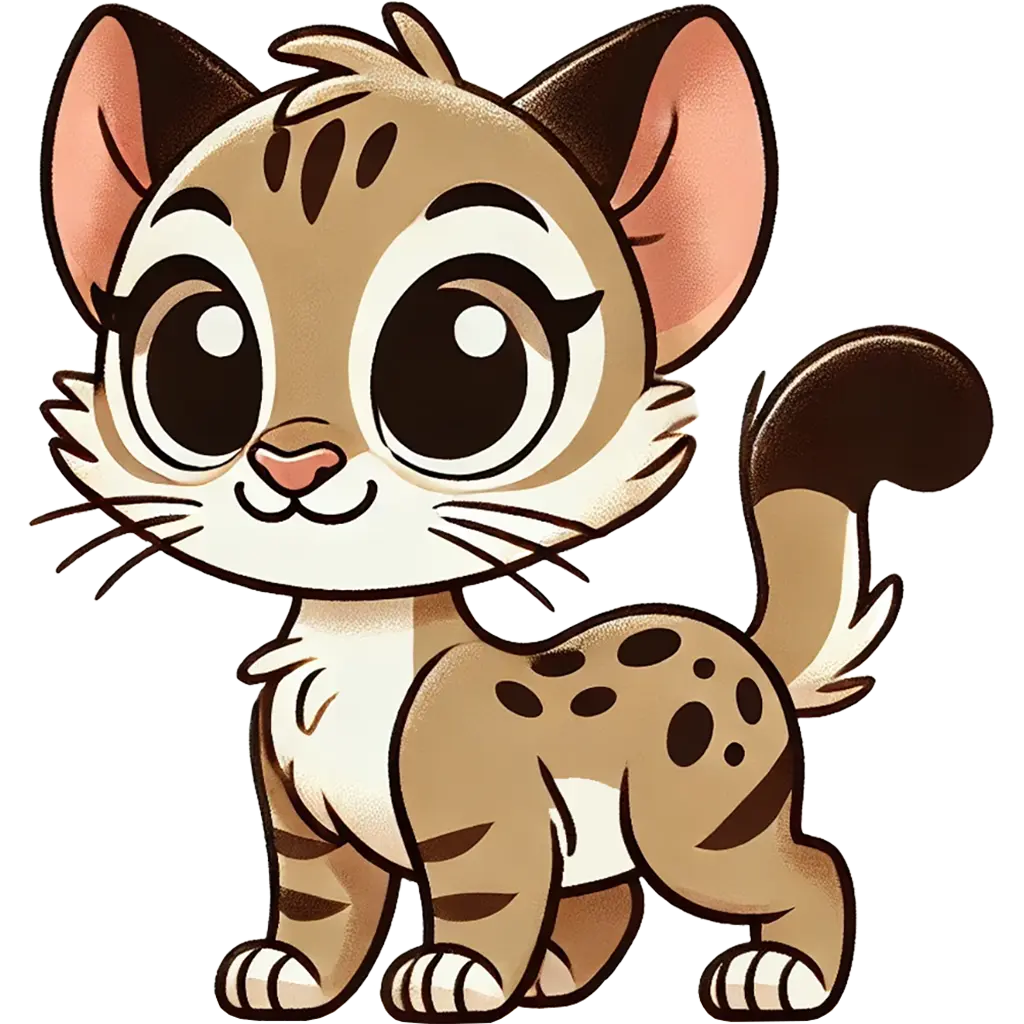
African Wildcat
Fun Fact
The African Wildcat is the ancestor of the domestic cat, dating back around 10,000 years.
These cats are skilled hunters, adapted to a variety of environments. Their keen senses and stealth allow them to catch prey efficiently. They exhibit behaviors like burying food, which show their survival instincts. This adaptability helped them thrive alongside early human settlements.

Download word search puzzles
Word Search Puzzles

Check Out Other Mammals

The African Forest Buffalo, syncerus caffer nanus, also known as the dwarf buffalo, is significantly smaller than its cousin, the African cape buffalo. It stands about 1 meter tall at the shoulder and weighs between 250 to 320 kilograms. Its body is compact and muscular, with a reddish or chocolate

The wisent is a majestic, massive bovine with a robust body, shaggy mane, and distinctive hump, displaying a rugged blend of dark brown and gray fur that offers camouflage in mixed woodlands. Its deep-set eyes and broad, muscular build emphasize both power and grace, making it a striking emblem of

The Chimpanzee, pan troglodytes, is a highly intelligent primate that shares up to 98% of its DNA with humans, making it our closest living relative in the animal kingdom. Native to the forests and savannas of sub-Saharan Africa, Chimpanzees exhibit remarkable diversity across their range, with four recognized subspecies. Adult
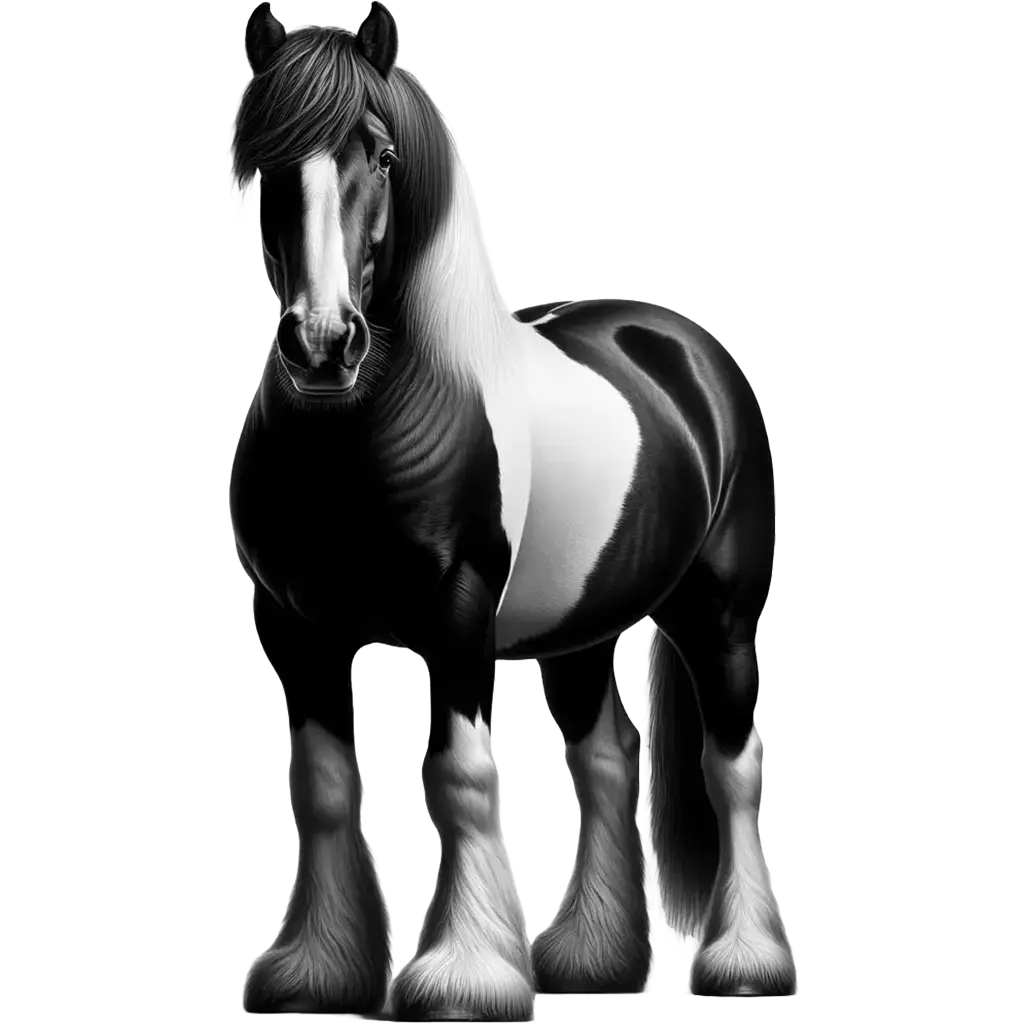
The Noriker, norico-pinzgauer, is a breed of draft horse that originated in the mountainous regions of Austria and northern Italy. Known for their large, muscular build and calm, cooperative temperament, Norikers are typically 15 to 16 hands high (60 to 64 inches at the shoulder) and weigh between 500 to