
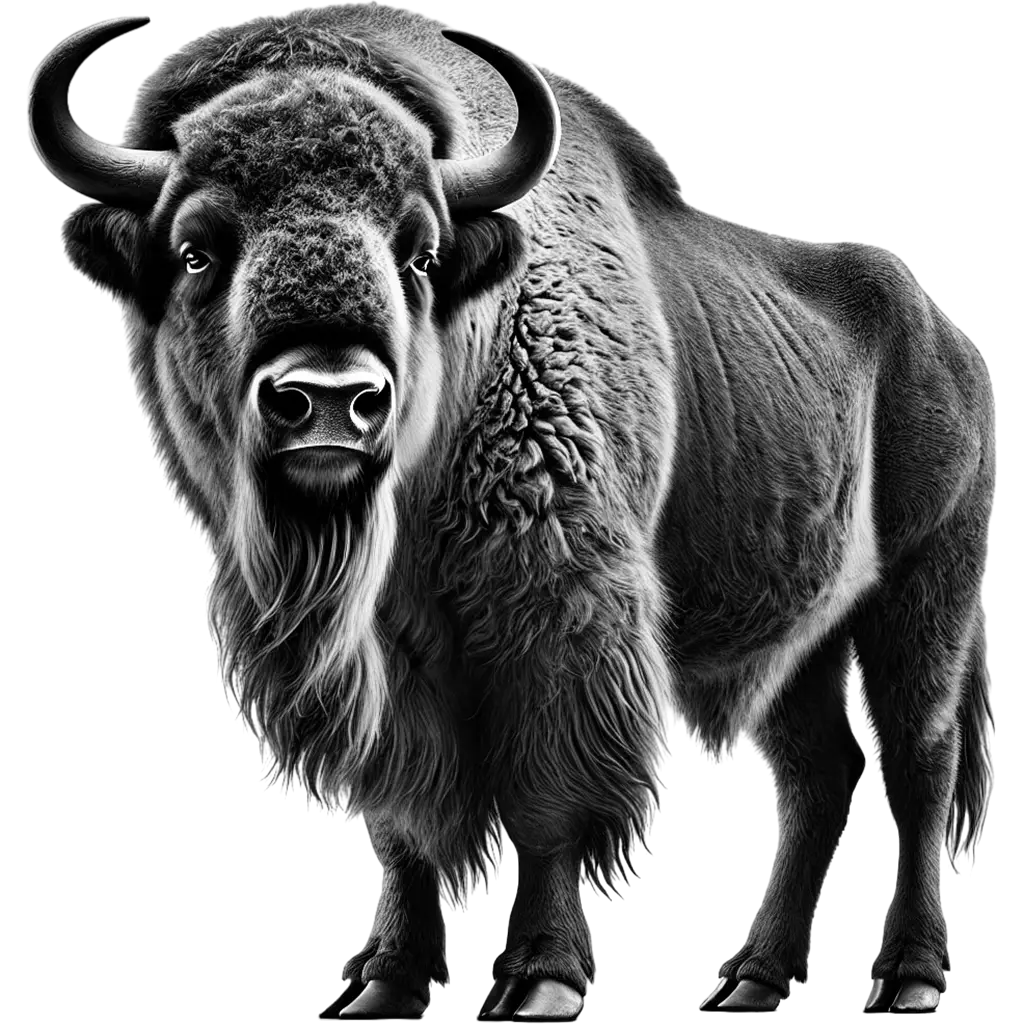
Bison Bonasus
Wisent
Open woodlands, grasslands, and forest clearings in temperate regions
The wisent is a majestic, massive bovine with a robust body, shaggy mane, and distinctive hump, displaying a rugged blend of dark brown and gray fur that offers camouflage in mixed woodlands. Its deep-set eyes and broad, muscular build emphasize both power and grace, making it a striking emblem of European wilderness.
| Population: | Reintroduced populations of around 9,000 remain stable but are nearly threatened due to genetic bottlenecks and habitat loss |
| Generation Length: | Approximately 8-10 years |
| Average Weight: | Males: 700-1,000 kg; Females: 500-700 kg |
| Average Length: | Approximately 2.7-3.0 meters (body length) |
| Lifespan: | Approximately 15-20 years in the wild; up to 25 years in captivity |
| Diet: | Herbivorous |
| Conservation Status: | Near Threatened (NT) |
Active primarily during daylight, wisents roam open meadows and forest clearings in large, cohesive herds. Their movements are deliberate and purposeful, as they graze on vast expanses of nutrient-rich grasses and herbs. Socially structured, these animals rely on herd cohesion for protection, with dominant bulls playing key roles in group dynamics. Their daily routine involves long periods of grazing interspersed with resting in the shade, all while maintaining vigilant awareness of their surroundings.
Feeding is a continuous, energy-intensive process for the wisent, as it grazes on a variety of grasses, forbs, and woody plants that change with the seasons. This herbivorous diet not only sustains their enormous body mass but also contributes to the ecosystem by promoting plant regrowth and seed dispersal. Their efficient digestion enables them to extract maximum nutrients from fibrous vegetation, which is crucial for survival during harsh winter months when food is scarce.
During the breeding season, wisents engage in a brief yet intense courtship, with dominant males competing for the attention of receptive females. Mating occurs once a year, followed by a gestation period of approximately 9-10 months. The solitary female then gives birth to a single calf, which is nurtured and protected until it can join the herd.
Today, reintroduced wisent populations in protected reserves have shown promising recovery, although the species remains near threatened due to its historical genetic bottleneck and ongoing habitat pressures. Conservation initiatives focused on habitat restoration and genetic management are essential to secure a sustainable future for these iconic mammals.
Classifications
The Key Attributes
Features
- Movement:
The wisent moves with a deliberate, powerful gait across open meadows and forest clearings, capable of sudden, swift movements when disturbed.
- Territorial Behavior:
Social animals that form herds; while they do not aggressively defend territories, dominant males influence herd dynamics.
- Speed:
Generally slow, but capable of rapid bursts when evading predators or during herd movement.
- Diet:
Herbivorous; primarily grazes on grasses, herbs, and woody browse, relying on seasonal vegetation for nutrition.
- Physical Features:
- Large, robust body with a shaggy mane and distinctive hump
- Deep-set, soulful eyes and a broad, muscular build
- Thick, coarse fur with color variations from dark brown to gray
- Primary Senses:
- Sight
- Hearing
- Smell
Understanding Habitat and Range
Geography
- Habitat:
Open woodlands, grasslands, and forest clearings in temperate regions
- Migration Patterns:
Non-migratory; herds move locally in response to seasonal forage availability.
- Geographical Range:
Native to Europe; once widespread, now restricted to reintroduced populations primarily in Eastern Europe.
- Climate Preferences:
Temperate climates with cold winters and warm summers, with ample seasonal variation.
Navigating the Wilderness
In the wild
- Predators:
Historically preyed on by large carnivores such as wolves; adult wisents face few natural predators today.
- Prey:
Not applicable; feeds exclusively on plant material.
- Feeding Behavior:
Grazes for extended periods on grasses and forbs, often in large herds which help detect and deter predators.
- Diet:
Herbivorous
- Defensive Mechanisms:
- Large size and herd behavior deter predators
- Powerful charge and sharp horns used as last-resort defense
- Preferred Food Sources:
- Grasses, herbs, and woody browse
Insights Into Reproduction
Mating
- Mating System:
Polygynous; dominant males gain access to multiple females during the breeding season.
- Number of Offspring:
Typically one calf per year, with occasional twins under optimal conditions.
- Incubation Period:
Gestation lasts about 9-10 months.
- Parental Involvement:
- Females rear the single calf on their own, providing care and protection until independence.
Youngsters Section
Wisent
Fun Fact
The wisent, also known as the European bison, is a massive, powerful animal with a thick coat and strong horns.
These majestic creatures roam forests and grasslands, using their strength to push through dense vegetation. Despite their size, wisents are gentle and social, often seen in small herds. Once close to extinction, they've made a remarkable comeback, symbolizing the resilience of nature!

Download word search puzzles
Word Search Puzzles
Check Out Other Mammals

The Dingo, canis lupus Dingo, stands as a distinctive member of the canine family, notable for its role in Australia's natural environment. Adult Dingoes typically exhibit a lean, athletic build, standing up to 60 cm at the shoulder and weighing around 13 to 20 kg. They possess a short coat
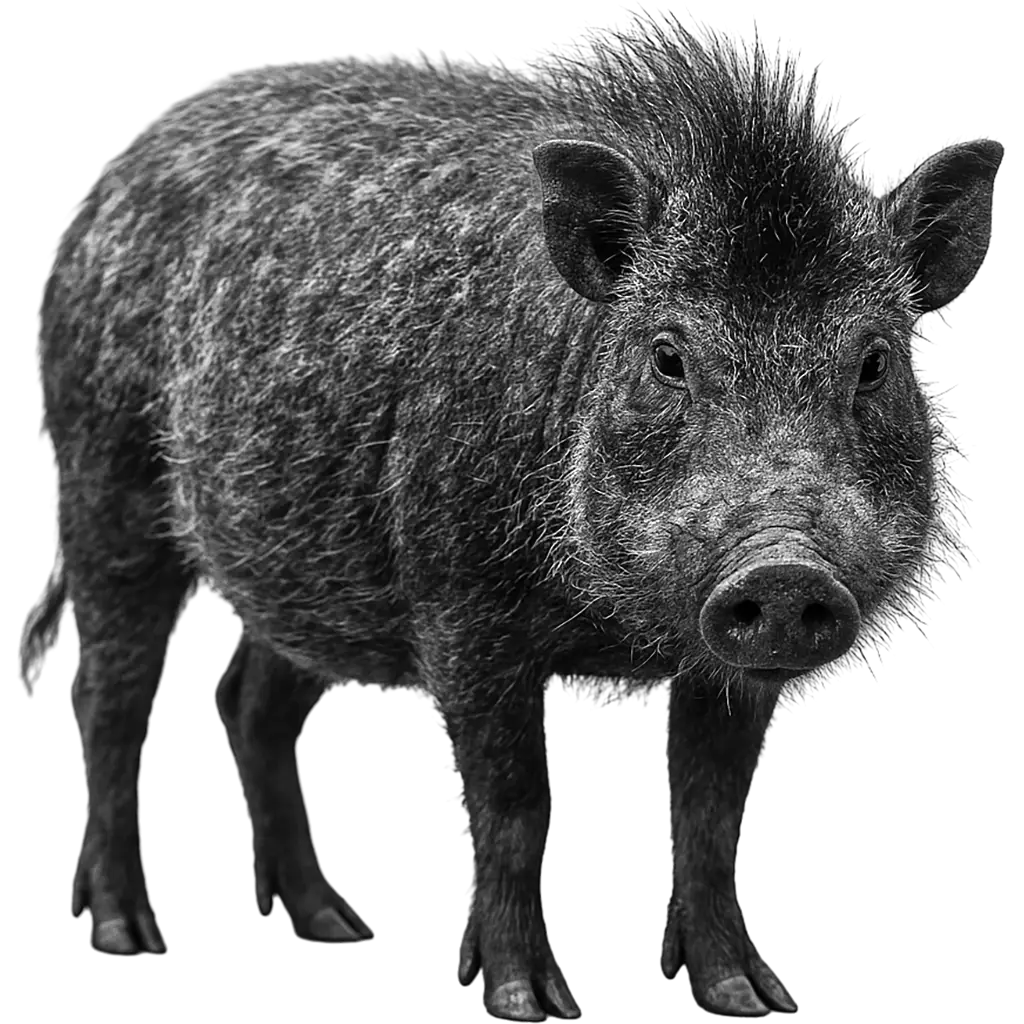
The Flores Warty Pig possesses a distinctive rugged appearance with pronounced warty facial features, a short snout, and curved tusks that give it a formidable look. Its robust body is covered in coarse, bristly hair ranging from dark brown to grey, perfectly camouflaged in forest understories. Compact and muscular, its
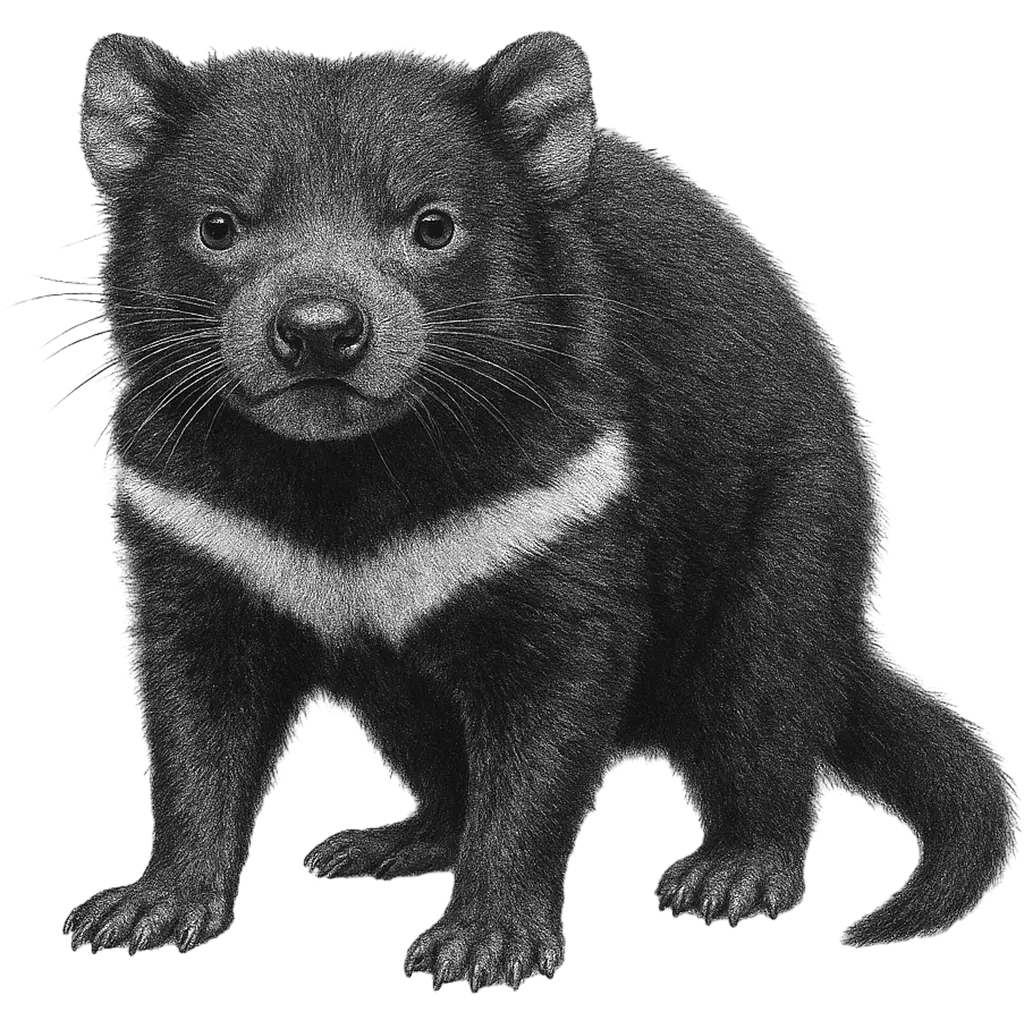
With a compact, muscular build, the Tasmanian Devil stands about thirty centimeters at the shoulder and measures sixty to eighty centimeters from nose to tail. Its dense black fur is punctuated by irregular white patches on the chest and rump. The broad head features powerful jaws and sharp premolars, while

The Asiatic Lion, also known as the Asiatic Lion, is a subspecies of lion native to India's Gir Forest and surrounding areas. Slightly smaller than its African counterpart, the Asiatic Lion has a shorter and sparser mane, making its ears more visible. A distinguishing feature is the fold of skin