
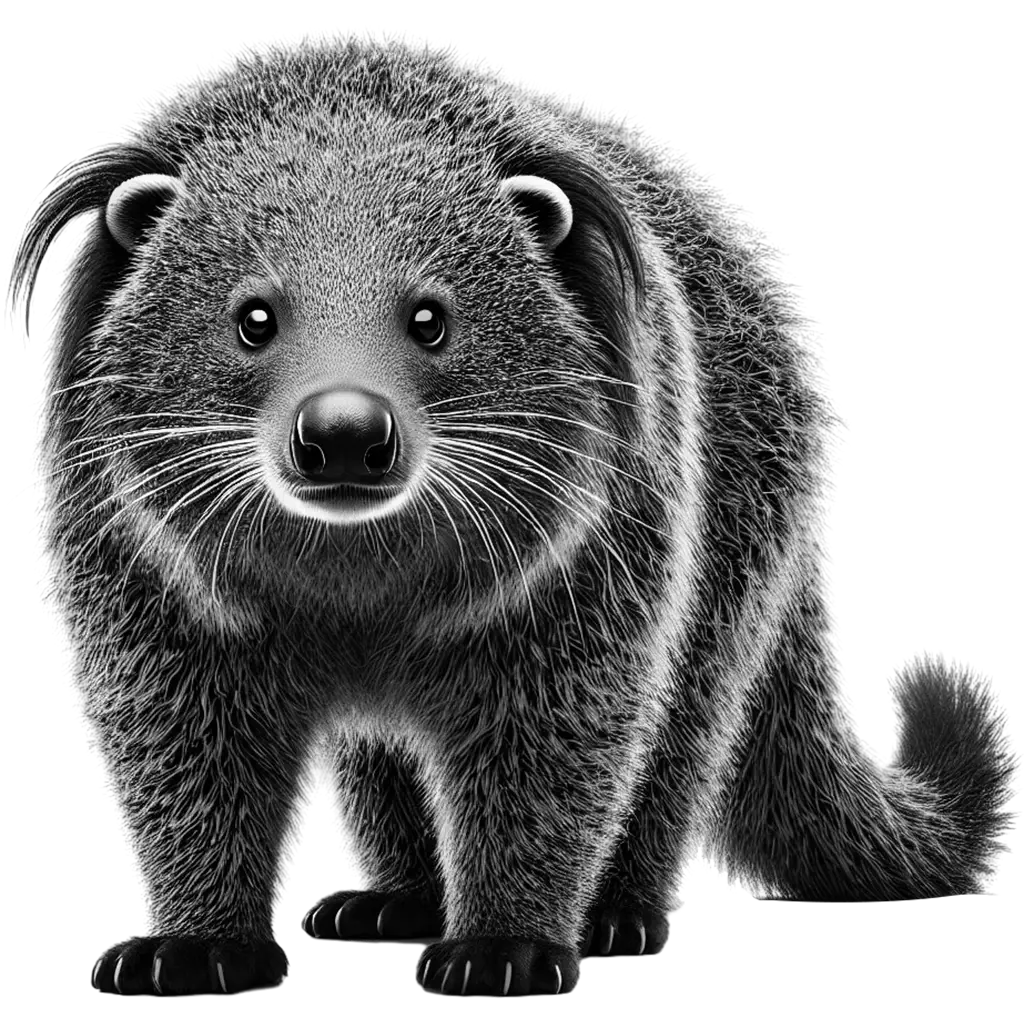
Arctictis Binturong
Binturong
Tropical rainforests, particularly lowland and montane forests in Southeast Asia
The binturong is a large, bearcat-like mammal with a shaggy, dark fur coat and a long, prehensile tail nearly as long as its body. Its robust build is complemented by expressive round ears and a broad, flat face accented by prominent whiskers. The animal's eyes are soulful and reflective, adding to its distinctive, almost mysterious appearance that blends elements of feline agility with a bear-like heft, exuding natural refined elegance.
| Population: | Vulnerable; decreasing due to habitat loss and poaching |
| Generation Length: | Approximately 6-7 years |
| Average Weight: | 9-20 kg |
| Average Length: | 55-80 cm (body), with a tail nearly as long |
| Lifespan: | 20-25 years in captivity; up to 15 years in the wild |
| Diet: | Mostly frugivorous with occasional omnivory, serving as a key seed disperser in tropical forests |
| Conservation Status: | Vulnerable (VU) |
In the wild, binturongs lead a predominantly nocturnal lifestyle, spending their days resting in the dense canopy and nights foraging slowly through the rainforest. They are excellent climbers, moving deliberately from branch to branch while using their prehensile tails for balance. Although largely solitary, their home ranges overlap, allowing for occasional interactions during feeding or mating. They communicate through a mix of soft vocalizations and scent markings, establishing a social network that minimizes conflict. Their careful, measured movements and patient foraging tactics exemplify their adaptation to complex forest ecosystems.
The diet of binturongs is primarily frugivorous, relying heavily on a wide variety of tropical fruits, berries, and figs that provide high levels of natural sugars and essential nutrients. They supplement this fruit-rich diet with leaves, flowers, and, occasionally, small animals or insects to ensure a balanced intake of proteins and fats. This nutritional strategy not only fuels their energy-intensive climbing and foraging behaviors but also contributes significantly to seed dispersal and forest regeneration. Their digestive system is adept at breaking down fibrous plant material, maximizing nutrient absorption from the diverse foods available in the rainforest.
During the mating season, binturongs engage in brief encounters where males and females come together primarily through subtle scent signals and soft vocalizations. These interactions are short-lived; after mating, the female undergoes a gestation period of about 90-110 days, eventually giving birth to a single cub. The solitary mother then provides full care, nurturing the young until it achieves independence.
Wild binturong populations are now confined to isolated rainforest fragments across Southeast Asia. Estimates suggest that fewer individuals remain compared to historical numbers due to extensive deforestation and poaching. Although some protected areas have helped stabilize local populations, the species remains vulnerable. Ongoing conservation efforts are critical to preserve their natural habitats and prevent further declines, ensuring their long-term survival in a rapidly changing environment.
Classifications
The Key Attributes
Features
- Movement:
Arboreal; moves slowly and deliberately through the forest canopy using its prehensile tail for balance.
- Territorial Behavior:
Generally solitary, with individuals maintaining overlapping home ranges and marking territory with subtle scent cues.
- Speed:
Not particularly fast on land, but capable of cautious climbing and agile maneuvering in trees.
- Diet:
Omnivorous; primarily frugivorous, consuming a variety of tropical fruits and berries, while opportunistically feeding on small animals and insects.
- Physical Features:
- Thick, shaggy fur ranging from black to dark brown
- Long, prehensile tail used for grasping branches
- Distinctive facial whiskers and large, round ears
- Robust, bear-like body structure
- Primary Senses:
- Sight
- Hearing
- Smell
Understanding Habitat and Range
Geography
- Habitat:
Tropical rainforests, particularly lowland and montane forests in Southeast Asia
- Migration Patterns:
Non-migratory; remains within a defined territory.
- Geographical Range:
Found throughout Southeast Asia, including Malaysia, Indonesia, and Thailand.
- Climate Preferences:
Tropical, humid environments with ample rainfall and dense forest cover.
Navigating the Wilderness
In the wild
- Predators:
Large felids and birds of prey; humans are the primary threat through poaching and habitat destruction.
- Prey:
Fruits and berries constitute the majority of its diet, with occasional invertebrates and small vertebrates supplementing its nutritional needs.
- Feeding Behavior:
Nocturnal forager that climbs among trees to access fruit and sometimes small prey; plays a key role in seed dispersal.
- Diet:
Mostly frugivorous with occasional omnivory, serving as a key seed disperser in tropical forests
- Defensive Mechanisms:
- Relies on slow, deliberate movements and camouflage among dense foliage to avoid predators
- May use its sharp claws to defend itself if necessary
- Preferred Food Sources:
- Figs, berries, and other tropical fruits
Insights Into Reproduction
Mating
- Mating System:
Solitary outside the breeding season; brief encounters occur during mating.
- Number of Offspring:
Typically one cub per reproductive cycle.
- Incubation Period:
Gestation lasts approximately 90-110 days.
- Parental Involvement:
- Females care for the single offspring, providing all parental care until independence.
Youngsters Section
Binturong
Fun Fact
The binturong, also known as the 'bearcat,' is a funny-looking animal that looks like a mix of a bear and a cat! It has a long, furry tail and a round face.
These cool creatures live high up in trees in Southeast Asia and are excellent climbers. They have a special tail that helps them balance and grab onto branches, just like an extra hand! And did you know they smell like popcorn? That's right - they have a sweet, popcorn-like scent!

Download word search puzzles
Word Search Puzzles


Check Out Other Mammals
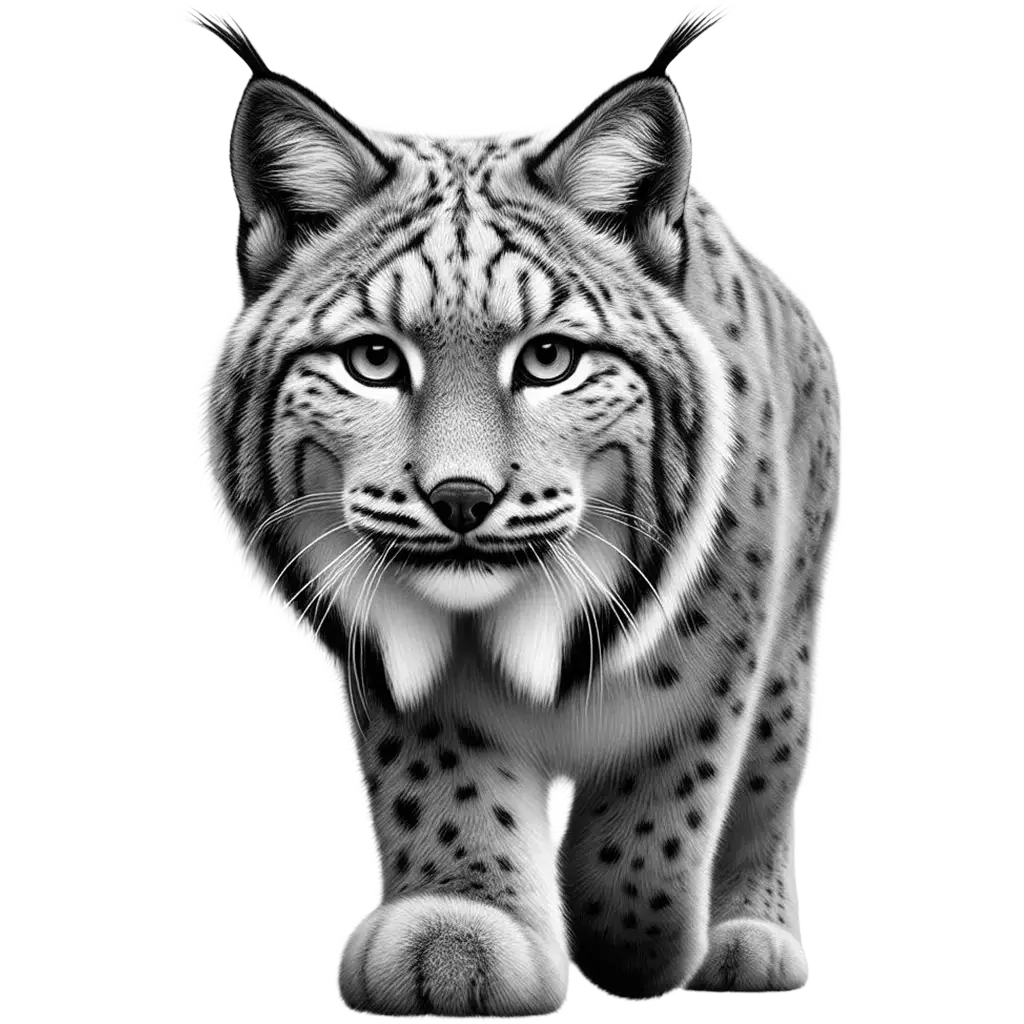
The Canada lynx, lynx canadensis, is a medium-sized wildcat native to North America, primarily found in the boreal forests of Canada and Alaska, with smaller populations extending into the northern United States. Characterized by its thick fur, prominent ear tufts, and large, padded paws that act as natural snowshoes, the
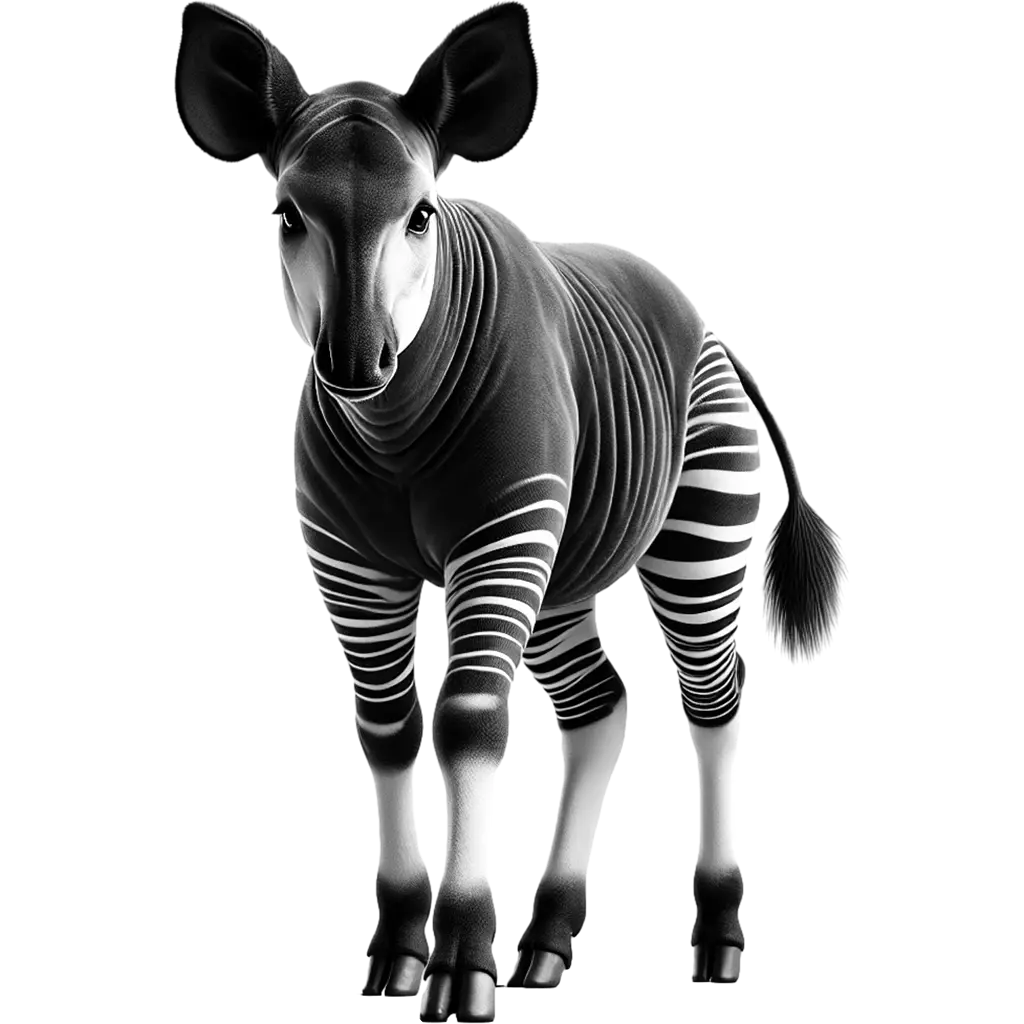
The Okapi, Okapia johnstoni, is a unique mammal endemic to the dense tropical rainforests of the northeastern Democratic Republic of the Congo. Resembling a cross between a giraffe and a zebra, the okapi stands about 1.5 meters tall at the shoulder and measures approximately 2.5 meters in body length. Weighing
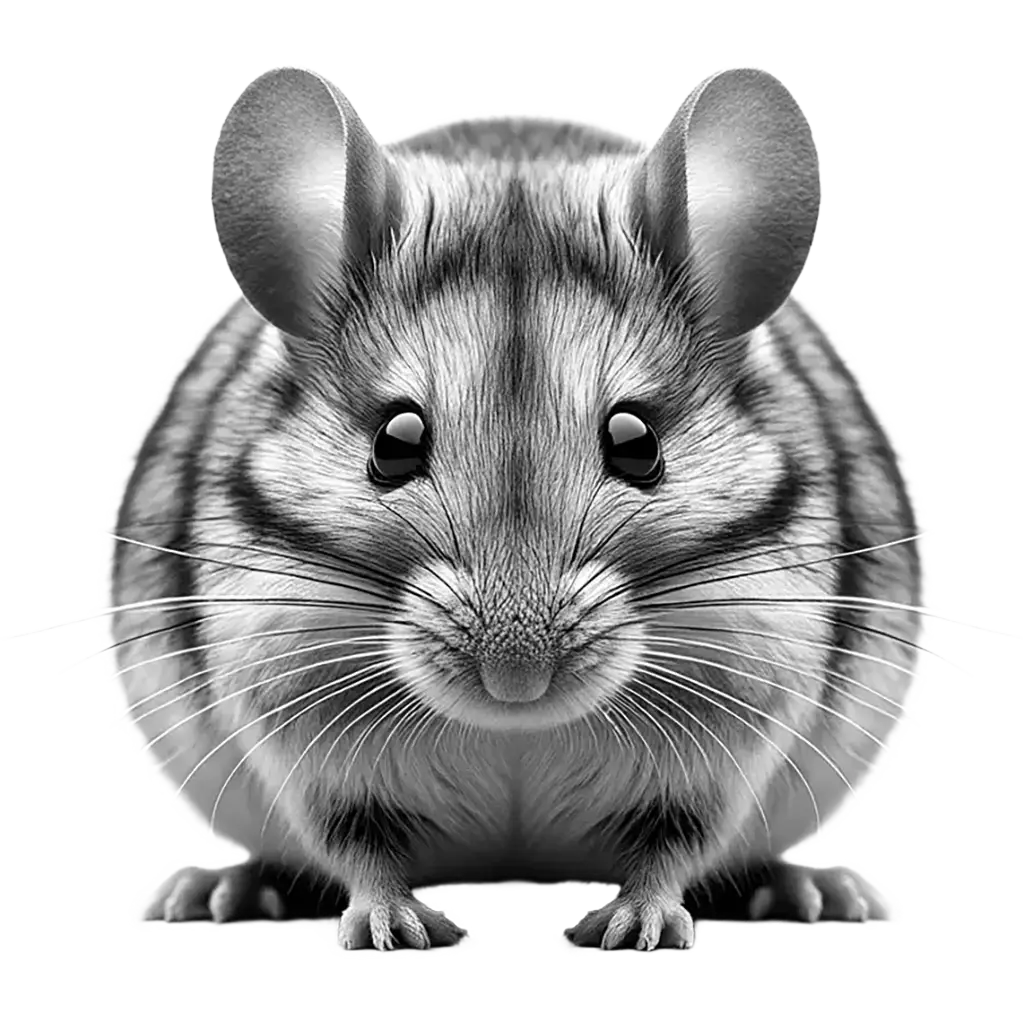
The Barbary Striped Grass Mouse, lemniscomys barbarus, is a small, distinctive rodent known for its unique striping pattern along its back. Adult individuals typically measure between 9 to 12 cm in body length, with a tail that can add an additional 8 to 10 cm. Their fur is soft and

The Harbor Seal, Phoca vitulina, is a widespread species of seal found in temperate coastal waters of the Northern Hemisphere, including the North Atlantic and Pacific Oceans. Adults typically measure between 1.5 to 1.9 meters (5 to 6.25 feet) in length and weigh between 55 to 168 kilograms (120 to