Bos Grunniens
Yak
High-altitude plateaus, mountainous regions, and alpine tundra
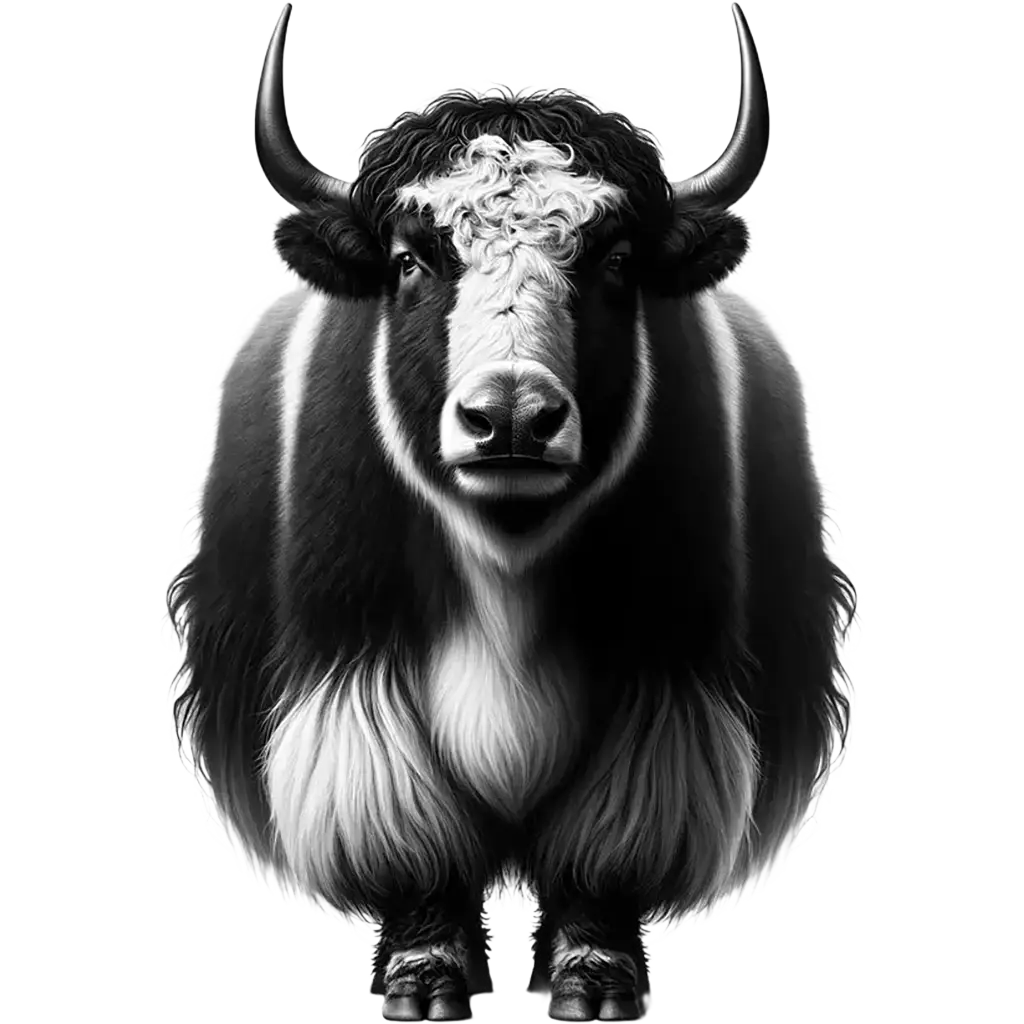
The Yak, bos grunniens, is a long-haired bovid native to the Himalayan region of South Central Asia, the Tibetan Plateau, and as far north as Mongolia and Russia. Adult Yaks can stand up to 2 meters at the shoulder and weigh between 300 to 1,200 kg, with males significantly larger than females. Their thick, woolly coat, which ranges in color from black to brown and occasionally white, provides insulation against the cold mountainous environment. Notably, Yaks have a pronounced hump over their shoulders, large horns that can extend up to 1 meter, and a dense undercoat known as 'down,' which is highly prized for making warm clothing and blankets.
| Population: | Domesticated widely; the wild population is listed as Vulnerable |
| Generation Length: | 8-9 years |
| Average Weight: | 300-1,200 kg, with males significantly larger than females |
| Average Length: | 2-3 meters in body length, with a height of 1.6-2 meters at the shoulder |
| Lifespan: | 20-25 years in the wild, can live longer in captivity |
| Diet: | Herbivorous, feeding on a variety of alpine vegetation |
| Conservation Status: | Not Evaluated (NE) |
Yaks are well-adapted to high-altitude environments, living at elevations of 2,000 to 5,000 meters where temperatures can plummet far below freezing. They are social animals, typically found in herds that can range from a few individuals to several hundred. These herds are often led by a dominant female and include animals of various ages. Yaks are known for their ability to traverse steep, rugged terrain, making them invaluable to the local communities for transport and agricultural work.
The diet of the Yak is herbivorous, consisting mainly of grasses, herbs, and other alpine vegetation. During the winter months, when snow covers much of the ground, Yaks use their large hooves to dig through snow to reach the grass beneath. This ability to forage in harsh conditions is crucial for their survival and the livelihoods of the people who depend on them.
Reproduction in Yaks is seasonal, with mating typically occurring in the fall. Females give birth to a single calf after a gestation period of about nine months. These calves are born with a thick coat of fur and are able to stand and walk shortly after birth, which is vital for their survival in the cold, high-altitude environment.
The population of domestic Yaks is stable and of great economic importance to Himalayan communities for their milk, meat, and wool, as well as for their role as pack animals. However, the wild Yak, a separate subspecies known as Bos grunniens mutus, is considered vulnerable due to habitat loss, competition with domestic livestock, and climate change. Conservation efforts are focused on protecting their natural habitats and promoting sustainable practices among the communities that rely on Yaks.
Classifications
The Key Attributes
Features
- Movement:
Walking, grazing
- Territorial Behavior:
Social, forming herds
- Speed:
Not known for speed, but can move steadily over difficult terrain
- Diet:
Herbivore
- Physical Features:
- Large size with a sturdy frame
- Thick, long fur and a dense undercoat to insulate against cold
- Horns on both males and females, used for defense and foraging through snow
- Broad hooves for walking on snow and soft ground
- Primary Senses:
- Sight
- Hearing
- Smell
Understanding Habitat and Range
Geography
- Habitat:
High-altitude plateaus, mountainous regions, and alpine tundra
- Migration Patterns:
Non-migratory, but may move to different altitudes seasonally
- Geographical Range:
Native to the Tibetan Plateau, found in the Himalayan regions of India, Nepal, Bhutan, and China
- Climate Preferences:
Adapted to cold, high-altitude environments
Navigating the Wilderness
In the wild
- Predators:
Snow leopards, wolves, and bears can prey on young or weak individuals
- Prey:
Not applicable
- Feeding Behavior:
Grazes on grasses, herbs, and other alpine vegetation
- Diet:
Herbivorous, feeding on a variety of alpine vegetation
- Defensive Mechanisms:
- Large size and horns for defense
- Herd behavior for protection against predators
- Preferred Food Sources:
- Alpine meadows rich in diverse vegetation
Insights Into Reproduction
Mating
- Mating System:
Polygynous
- Number of Offspring:
Usually one calf
- Gestation Period:
About 9 months
- Parental Involvement:
- Females (cows) care for the calves, with weaning occurring after one year
Youngsters Section
Yak
Fun Fact
Yaks are social animals, often found in herds of up to 200 individuals, thriving in cold climates.
Their thick, woolly coats and large lungs make them well-suited for high altitudes. Yaks are crucial for Himalayan communities, providing milk, meat, and fiber. Their ability to carry heavy loads across rugged terrain makes them essential for transportation in mountainous regions.

Download word search puzzles
Word Search Puzzles
Check Out Other Mammals
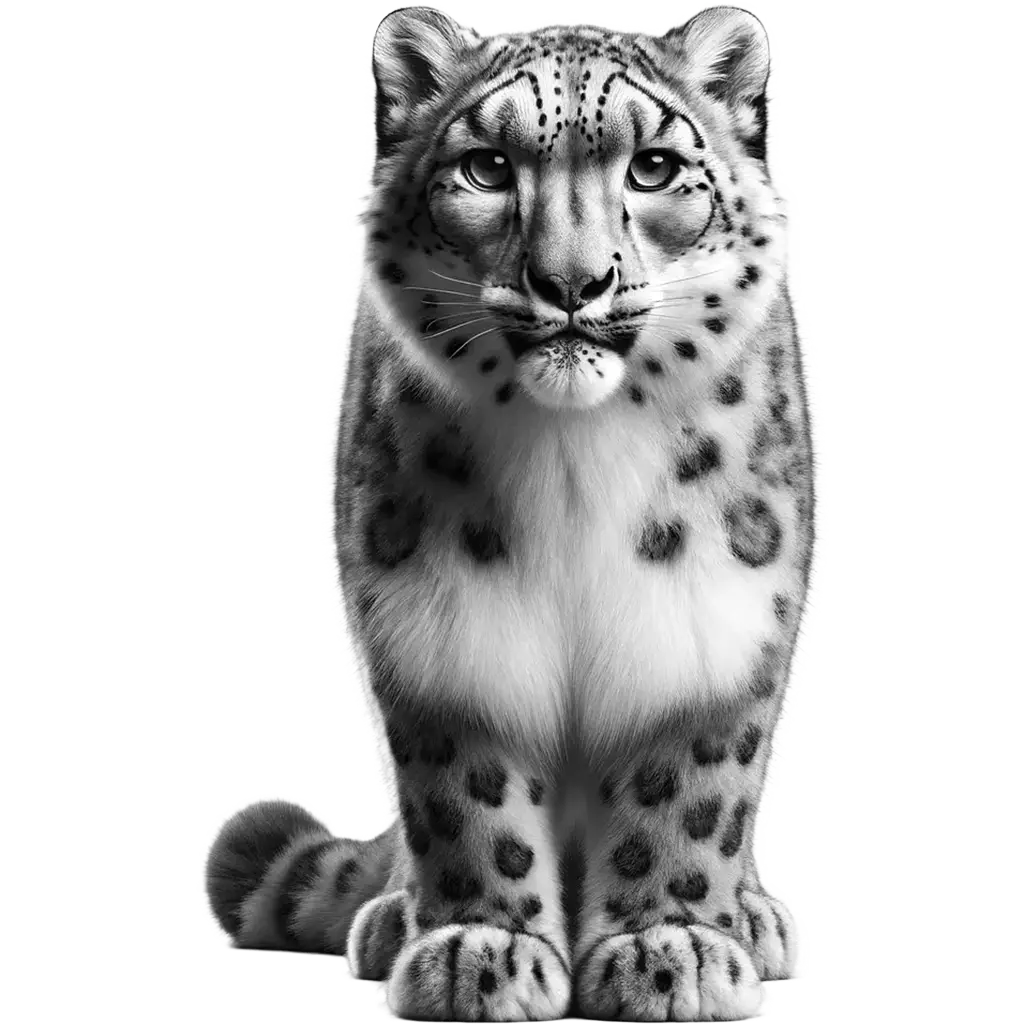
The Snow Leopard, panthera uncia, is a majestic and elusive big cat native to the mountain ranges of Central and South Asia. Renowned for its beautiful fur, the Snow Leopard has a thick, smoky-gray coat with black rosettes and spots, providing perfect camouflage in its snowy and rocky habitat. Adults

The Gaur is a magnificent, massive bovine with a powerful, muscular body and a distinctive hump on its shoulders. It has a shaggy dark coat that blends with the forest shadows and prominent, curved horns that add to its imposing presence. Its broad head, deep-set eyes, and strong jawline emphasize

The Pomeranian, known for its fluffy coat and lively personality, is a small breed of dog that belongs to the Spitz family. Adults typically weigh between 1.4 to 3.2 kg (3 to 7 pounds) and stand about 20 cm (7.9 inches) tall at the shoulder, making them one of the
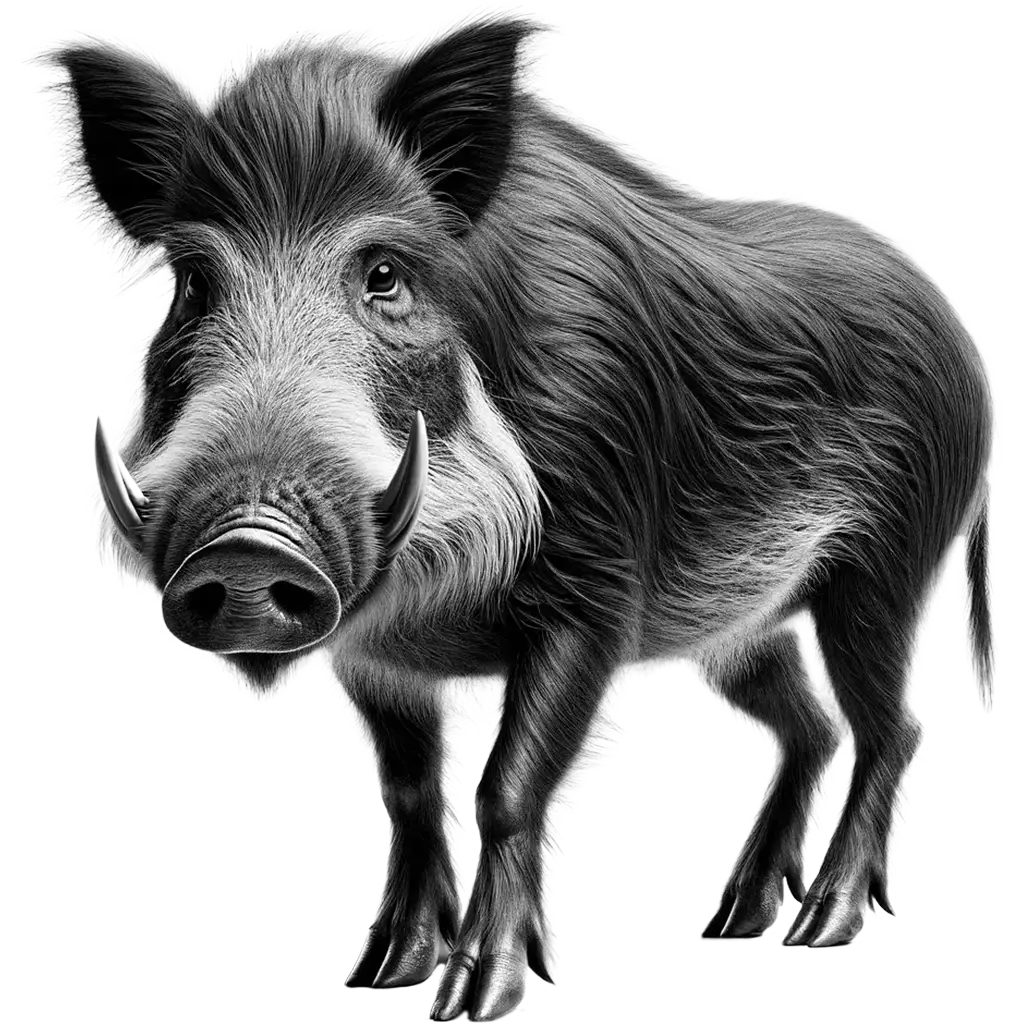
The Wild Boar, sus scrofa, is a large, robust animal characterized by its thick, bristly coat, ranging in color from dark grey to brown or black. Males are distinguished by their larger size and prominent tusks, which protrude from the sides of their mouth and curve upwards. These tusks, along