
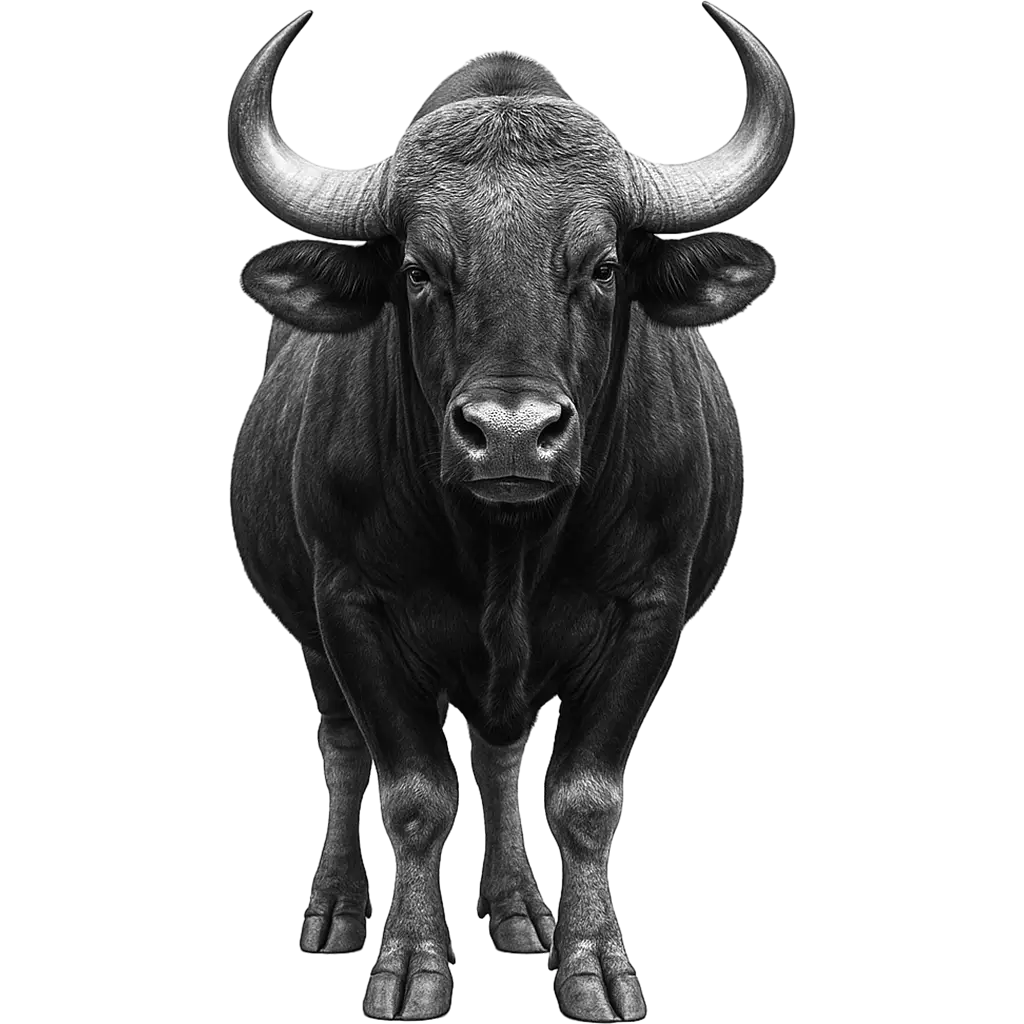
Bos Gaurus
Gaur
Dense tropical and subtropical forests, grasslands, and river valleys
The Gaur is a magnificent, massive bovine with a powerful, muscular body and a distinctive hump on its shoulders. It has a shaggy dark coat that blends with the forest shadows and prominent, curved horns that add to its imposing presence. Its broad head, deep-set eyes, and strong jawline emphasize rugged strength and natural grace. The overall appearance of the gaur is one of awe-inspiring power and ancient majesty.
| Population: | Fragmented; found in small, isolated herds across South and Southeast Asia, with declining numbers due to deforestation |
| Generation Length: | 6-8 years |
| Average Weight: | 800-1200 kg |
| Average Length: | 2.5-3.0 m |
| Lifespan: | 20-25 years in the wild, up to 30 years in captivity |
| Diet: | Strictly herbivorous, consuming a variety of plants |
| Conservation Status: | Vulnerable (VU) |
Gaur are highly social animals that live in small herds, displaying complex interactions and hierarchical structures. They typically form groups of adult females and their offspring, while solitary males may join herds during the breeding season or roam alone. Their daily routine involves long hours of grazing and foraging on grasses, leaves, and shrubs interspersed with resting periods in cool, shaded areas. They move steadily through dense vegetation and occasionally travel long distances in search of fresh forage, demonstrating a blend of vigilance and endurance that underpins their survival.
The diet of the gaur consists mainly of a wide range of grasses, leaves, and other vegetation. They graze on nutrient-rich grasses and also browse on leaves, shoots, and herbs when available. This herbivorous diet is vital for maintaining their massive size and providing the energy needed for prolonged activity. Gaurs consume large quantities of fibrous plant material that is slowly digested by their complex stomachs. Their feeding behavior aids seed dispersal and helps sustain the balance of their ecosystem while meeting their nutritional requirements.
Mating among gaurs is characterized by competitive displays and ritualistic behavior. Dominant males engage in vocalizations, physical posturing, and territorial marking to attract females. Courtship is brief, with a focus on establishing hierarchy and ensuring genetic strength in offspring. The mating season sees increased interactions, followed by solitary periods where females nurse a single calf. These displays foster long-lasting dominance among winning males.
Population trends for gaurs show a decline in many regions due to habitat fragmentation, poaching, and human encroachment. Although some isolated herds remain stable, overall numbers have decreased over recent decades. Conservation efforts are underway to protect remaining populations through habitat preservation and anti-poaching measures, but ongoing challenges continue to threaten the species' long-term survival. These challenges underscore the urgency for effective wildlife conservation strategies.
Classifications
The Key Attributes
Features
- Movement:
Quadrupedal
- Territorial Behavior:
Somewhat territorial, especially males during rut
- Speed:
Moderate, with bursts when threatened
- Diet:
Herbivorous
- Physical Features:
- Massive, muscular build
- Humped shoulders
- Shaggy dark coat
- Curved horns
- Robust limbs
- Primary Senses:
- Sight
- Hearing
- Smell
Understanding Habitat and Range
Geography
- Habitat:
Dense tropical and subtropical forests, grasslands, and river valleys
- Migration Patterns:
Non-migratory; local movements in search of forage
- Geographical Range:
Widespread in South and Southeast Asia
- Climate Preferences:
Prefers warm, humid climates with ample vegetation
Navigating the Wilderness
In the wild
- Predators:
Tigers, leopards, and humans
- Prey:
N/A
- Feeding Behavior:
Grazing and browsing on grasses, leaves, and shrubs
- Diet:
Strictly herbivorous, consuming a variety of plants
- Defensive Mechanisms:
- Stamping
- Charging
- Using horns for defense
- Preferred Food Sources:
- Grasses
- Shrubs
- Fruits
- Herbs
Insights Into Reproduction
Mating
- Mating System:
Polygynous
- Number of Offspring:
1 calf per birth
- Incubation Period:
Approximately 9 months
- Parental Involvement:
- Calves are nursed and protected by the mother
Youngsters Section
Gaur
Fun Fact
Gaurs are the largest wild cattle, noted for their impressive horns and massive size.
Their ancient lineage and iconic stature inspire conservation efforts across Asia, highlighting their critical role in maintaining ecological balance and cultural significance in many communities.
Download word search puzzles
Word Search Puzzles
Check Out Other Mammals
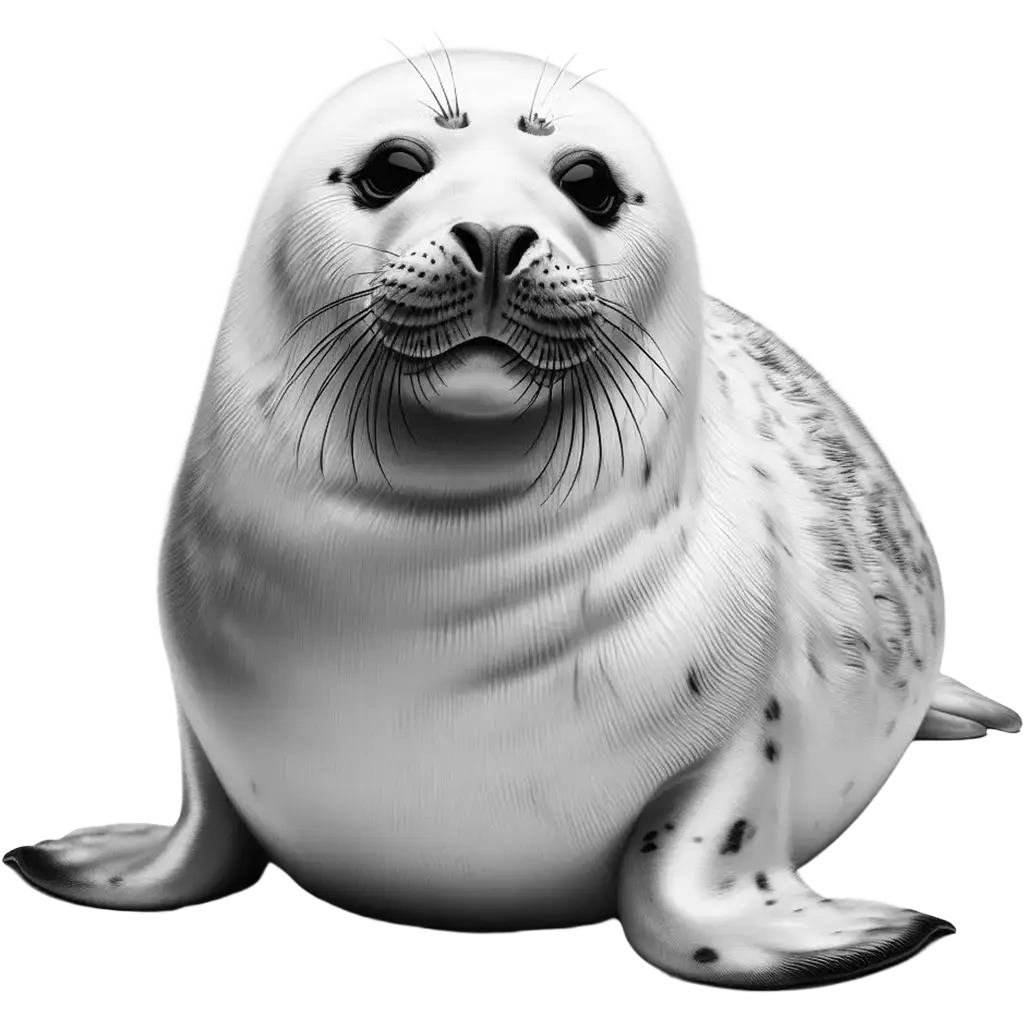
The Harp Seal, pagophilus groenlandicus, is a species of true seal found primarily in the cold waters of the North Atlantic and Arctic Oceans. Recognizable by the distinctive black harp-shaped pattern on the back of adult males, this species exhibits a striking contrast against their otherwise silvery-gray to white fur.
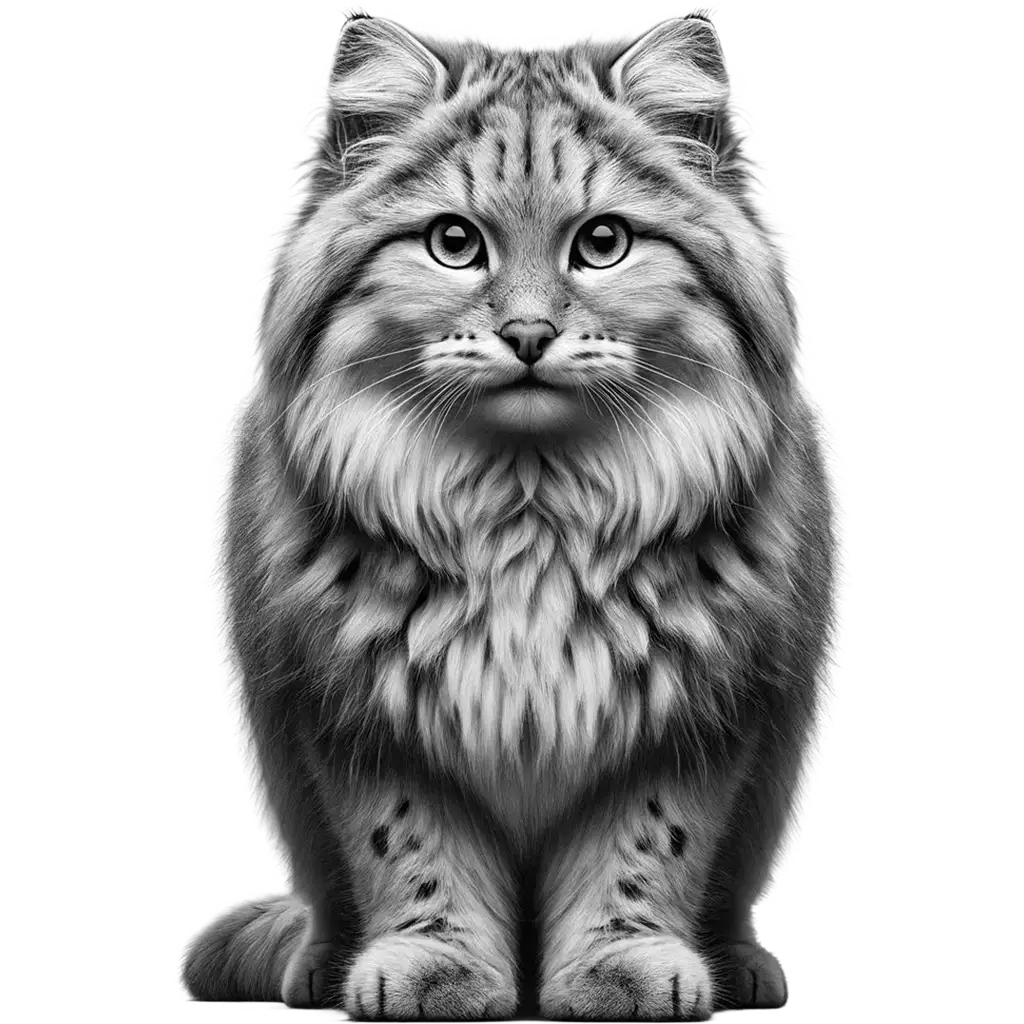
The Pampas Cat, leopardus colocola, is a small wild cat native to South America, characterized by its elusive nature and adaptability to a variety of habitats. This species exhibits a range of fur patterns and colors, typically featuring a grey or yellowish fur marked with stripes and spots that provide
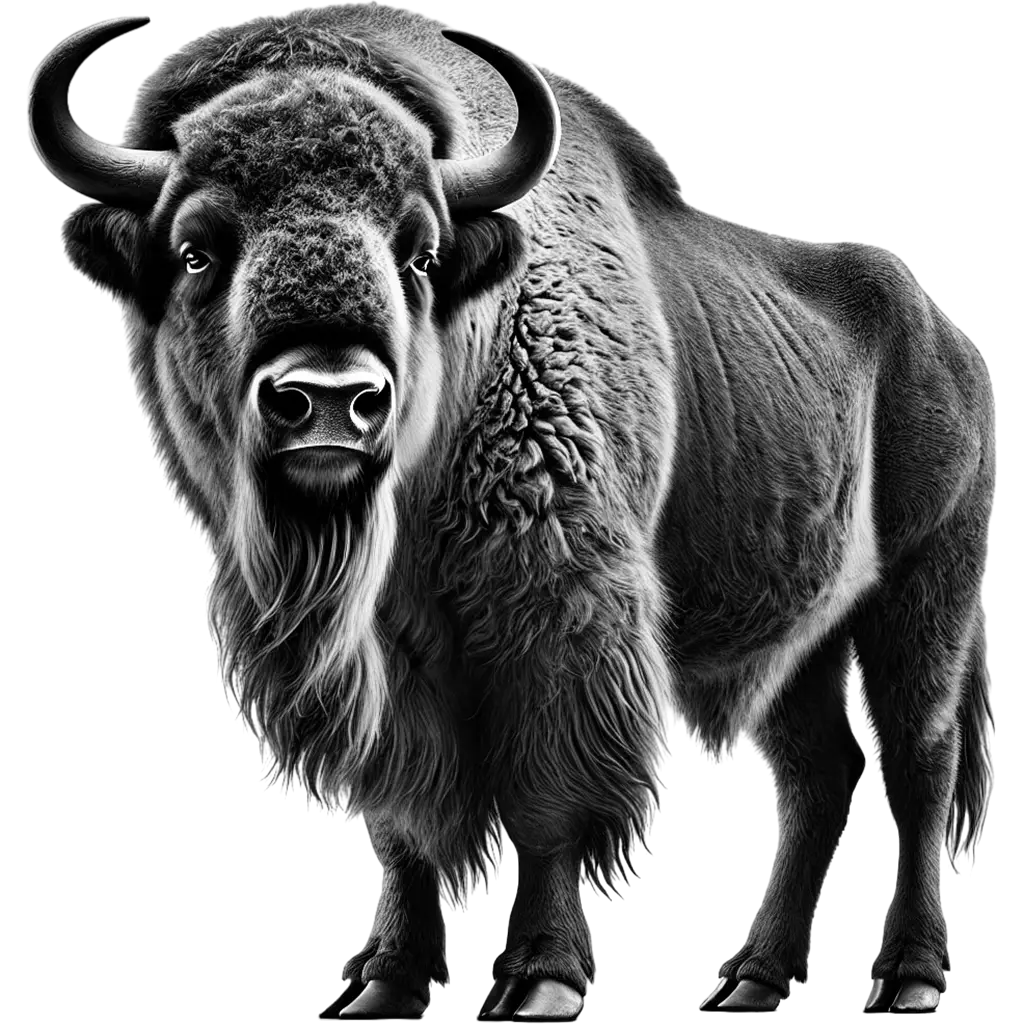
The wisent is a majestic, massive bovine with a robust body, shaggy mane, and distinctive hump, displaying a rugged blend of dark brown and gray fur that offers camouflage in mixed woodlands. Its deep-set eyes and broad, muscular build emphasize both power and grace, making it a striking emblem of
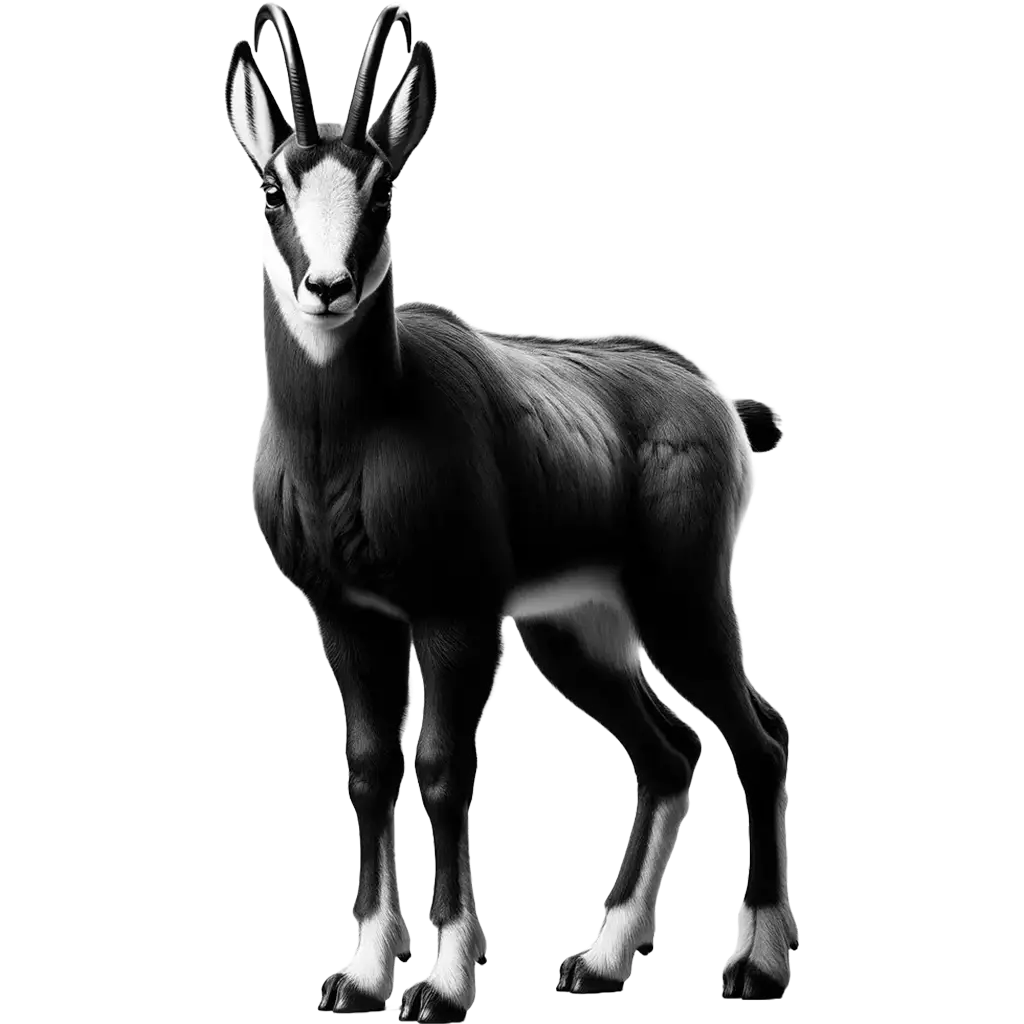
The Chamois, rupicapra rupicapra, is a nimble and hardy mountain-dwelling ungulate found across the rugged terrains of Europe's mountain ranges, including the Alps, Carpathians, Tatra, and Balkans. This species is renowned for its agility and ability to navigate steep, rocky slopes with ease. Adult Chamois have a distinctive appearance with