

Paradoxurus Hermaphroditus
Asian Palm Civet
Tropical rainforests, plantations, urban areas
The Asian Palm Civet is a small, nocturnal mammal found throughout South and Southeast Asia. It has a slender body covered in coarse fur, typically dark brown to gray with lighter markings. Its long, bushy tail and sharp claws make it an excellent climber, allowing it to navigate through dense forests and even urban areas. With its pointed face, large eyes, and strong sense of smell, the civet is well-adapted for nocturnal hunting and foraging.
| Population: | Stable but declining in some areas due to habitat loss and poaching |
| Generation Length: | 5-7 years |
| Average Weight: | 2-5 kg |
| Average Length: | 53-71 cm (body), 48-66 cm (tail) |
| Lifespan: | 15-20 years in the wild, up to 25 years in captivity |
| Diet: | Omnivorous, eating both plant and animal matter |
| Conservation Status: | Least Concern (LC) |
Primarily a solitary animal, the Asian Palm Civet is territorial and spends most of its time in trees or hidden in dense vegetation. It is highly adaptable, able to thrive in tropical forests, plantations, and even city outskirts. Despite being nocturnal, it occasionally ventures out during the day, especially in areas with fewer predators. It marks its territory using a strong-smelling secretion produced by glands near its tail.
The diet of the Asian Palm Civet is highly varied, consisting of fruits, small vertebrates, insects, and eggs. It is particularly known for eating ripe coffee cherries, digesting the fruit while excreting the coffee beans, which are then collected to produce the luxury beverage known as Kopi Luwak. As an opportunistic feeder, it plays a crucial role in seed dispersal, helping maintain the biodiversity of its habitat.
Mating occurs year-round, with females giving birth after a gestation period of about 60-75 days. A litter typically consists of 2-4 offspring, which are born blind and completely dependent on the mother. The young stay with their mother for several months before becoming independent. Males do not play a role in parental care.
While the Asian Palm Civet is currently listed as Least Concern, its population is declining in some areas due to deforestation, hunting for meat and traditional medicine, and the inhumane practice of civet farming for coffee production. Conservation efforts focus on habitat protection and reducing the impact of human activities, particularly the exploitation of wild civets for commercial purposes.
Classifications
The Key Attributes
Features
- Movement:
Quadrupedal, adept climber
- Territorial Behavior:
Mostly solitary, territorial
- Speed:
Moderate on ground, highly agile in trees
- Diet:
Omnivore
- Physical Features:
- Slender body covered in coarse fur
- Pointed face with large eyes
- Long, bushy tail
- Sharp claws for climbing
- Primary Senses:
- Smell
- Sight
- Hearing
Understanding Habitat and Range
Geography
- Habitat:
Tropical rainforests, plantations, urban areas
- Migration Patterns:
Non-migratory
- Geographical Range:
South and Southeast Asia, including India, China, Indonesia, and the Philippines
- Climate Preferences:
Tropical and subtropical forests
Navigating the Wilderness
In the wild
- Predators:
Large birds of prey, snakes, and wild cats
- Prey:
Small rodents, insects, birds, eggs
- Feeding Behavior:
Nocturnal forager, climbs trees to find food
- Diet:
Omnivorous, eating both plant and animal matter
- Defensive Mechanisms:
- Releases a musky secretion when threatened
- Climbing to escape predators
- Nocturnal behavior to avoid predation
- Preferred Food Sources:
- Fruits
- Coffee cherries
- Small vertebrates
- Insects
Insights Into Reproduction
Mating
- Mating System:
Polygynous
- Number of Offspring:
2-4 per litter
- Gestation Period:
60-75 days
- Parental Involvement:
- Mother raises young alone
Youngsters Section
Asian Palm Civet
Fun Fact
Asian Palm Civets play a key role in coffee production by eating and excreting coffee beans.
They are skilled climbers and can live in trees, caves, and even rooftops in urban areas, making them highly adaptable. Their unique digestive process helps enhance the flavor of the coffee beans, contributing to the distinctive taste of civet coffee.

Download word search puzzles
Word Search Puzzles


Check Out Other Mammals

The Belgian Shepherd, also known as the Belgian Sheepdog, encompasses four distinct varieties: the Groenendael, Laekenois, Malinois, and Tervuren. Each variety is recognized for its unique coat type and color but shares a common ancestry and similar physical characteristics. Adult Belgian Shepherds typically stand between 56 to 66 cm (22
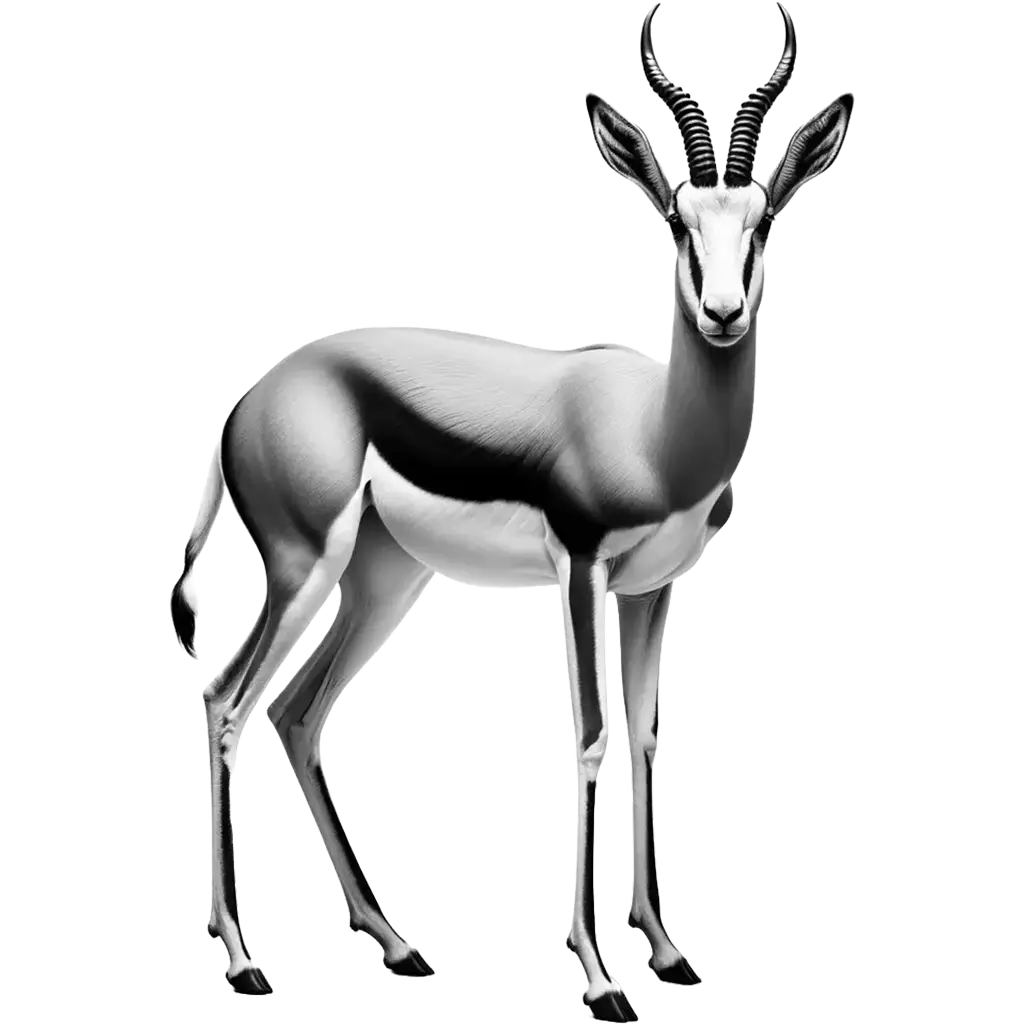
The Springbok, antidorcas marsupialis, is a medium-sized antelope renowned for its remarkable agility and distinctive appearance. Adults stand about 75 cm tall at the shoulder and weigh between 30 to 50 kg. Their coat is primarily a glossy tan, with a unique pattern featuring a dark brown stripe running laterally
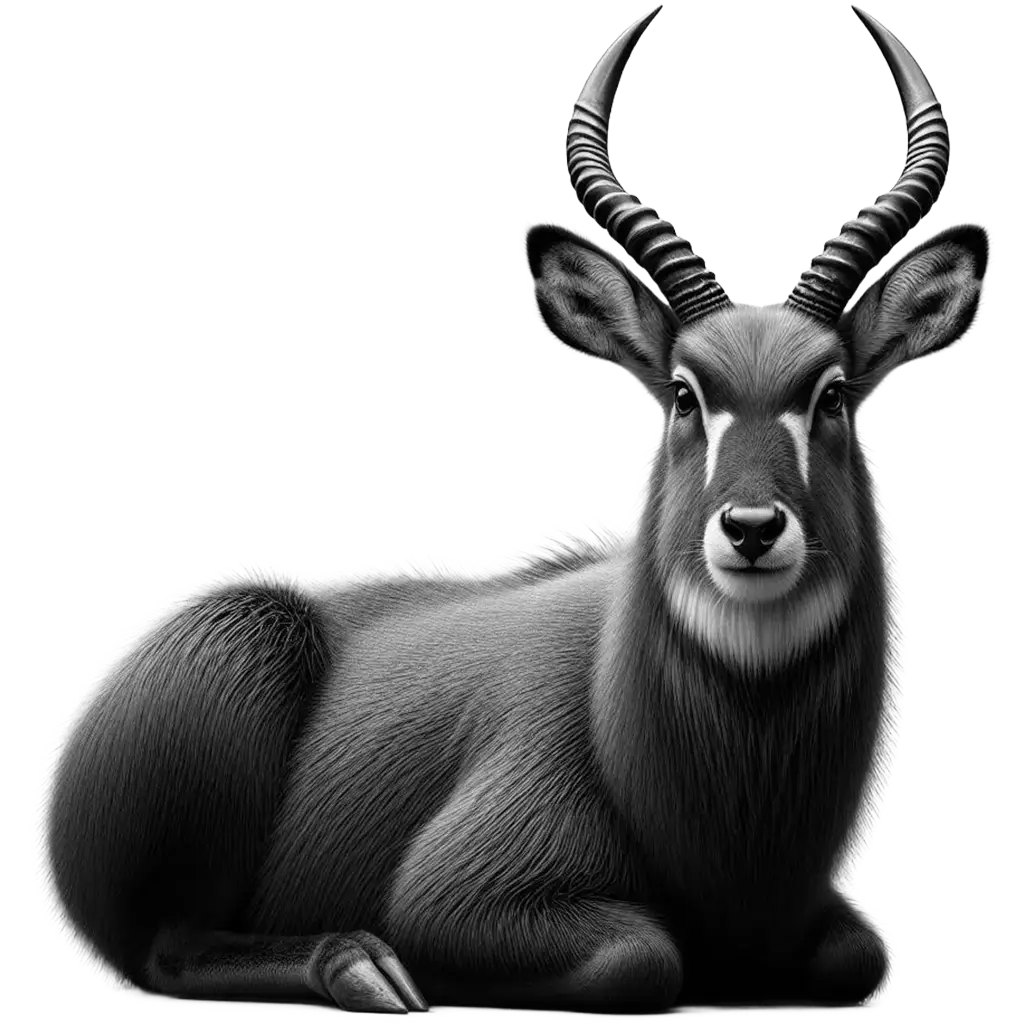
The Cape Bushbuck, tragelaphus sylvaticus, is a medium-sized, elusive antelope found in the forests and bushlands of Sub-Saharan Africa. Adult bushbucks stand about 70 to 90 centimeters (27 to 35 inches) at the shoulder and weigh between 40 to 80 kilograms (88 to 176 pounds), with males being significantly larger
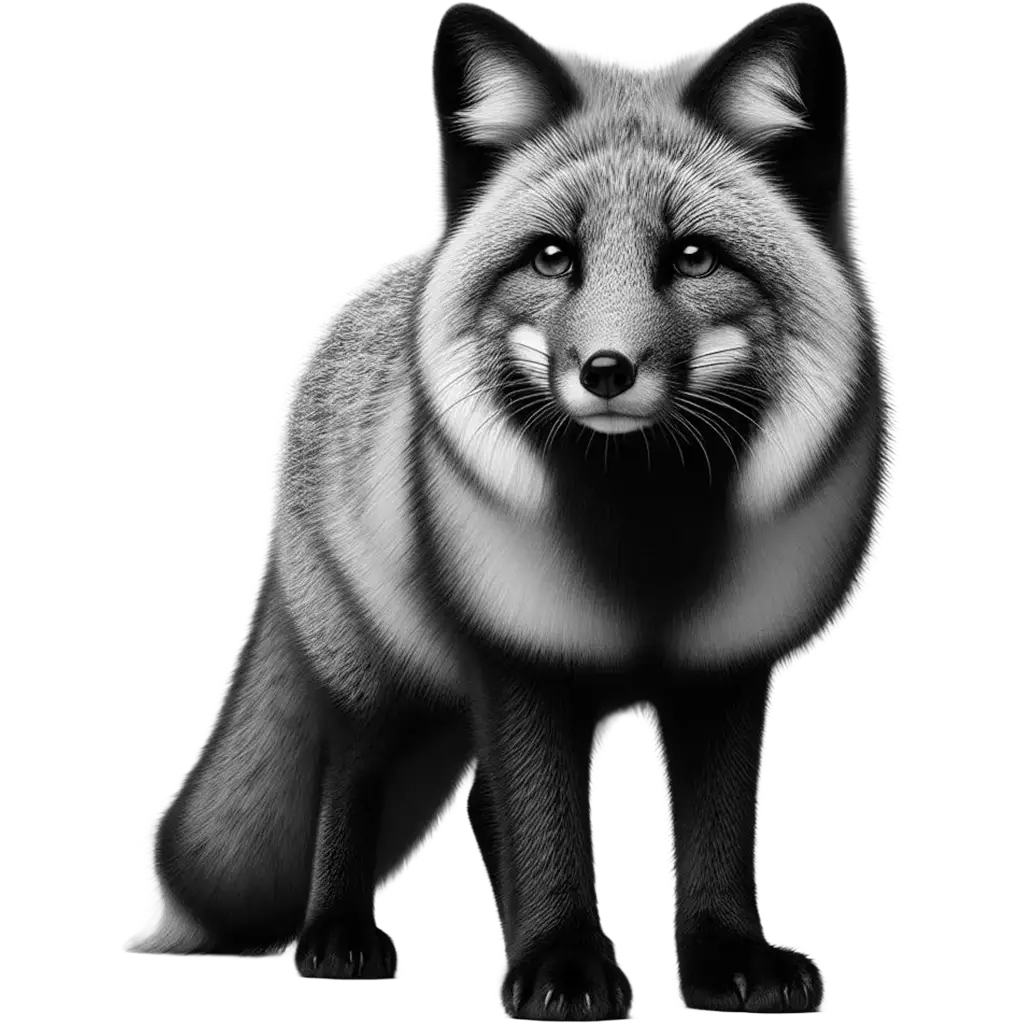
The Gray Fox, urocyon cinereoargenteus, is a medium-sized canid distinguished by its grizzled gray coat, with a black stripe running down its back and tail, and a white underbelly. Its most notable feature is its ability to climb trees, thanks to its strong, hook-shaped claws. This fox typically measures about