

Tamandua Tetradactyla
Southern Tamandua
Tropical rainforests, savannas, and thorn scrub areas
The Southern Tamandua, tamandua tetradactyla, also known as the Collared Anteater or Lesser Anteater, is a medium-sized arboreal mammal native to South America. This species is distinguished by its long, prehensile tail, elongated snout, and a distinctive black 'vest' pattern over its otherwise yellowish-brown fur, although coloration can vary significantly across individuals and regions. Adults typically measure between 47 to 77 cm in body length, with the tail adding an additional 40 to 67 cm. They weigh between 3.5 to 8.4 kg, with a robust body adapted for their specialized diet.
| Population: | Listed as Least Concern, but facing threats from habitat destruction and hunting |
| Generation Length: | 5-6 years |
| Average Weight: | 4-8 kg |
| Average Length: | 13-88 cm body length, with a prehensile tail of 40-60 cm |
| Lifespan: | 10-12 years in the wild |
| Diet: | Insectivorous, with a specialization in ants and termites |
| Conservation Status: | Least Concern (LC) |
Habitat preferences for the Southern Tamandua include a variety of forested environments, from tropical rainforests to dry deciduous forests, as well as savannas interspersed with trees. They are versatile in habitat usage, ranging from ground level to the forest canopy, and are known for their solitary and nocturnal behavior, although they can also be active during the day.
The diet of the Southern Tamandua is primarily composed of ants and termites, which they locate with their keen sense of smell. They use their strong, curved claws to tear open ant nests or termite mounds and their long, sticky tongue, which can extend up to 40 cm, to collect their prey. This specialized feeding behavior classifies them as important controllers of insect populations, impacting the ecological balance of their habitats.
Reproduction in the Southern Tamandua is marked by the birth of a single offspring after a gestation period of approximately 130 to 190 days. The young tamandua rides on the mother's back for several months, learning how to forage and navigate through the forest. This maternal investment ensures the young are well-adapted to survive in the wild.
The population of the Southern Tamandua is currently stable across much of its range, but it faces threats from habitat destruction, fragmentation, and wildfires, as well as from the illegal pet trade. Conservation efforts are focused on habitat protection and restoration, along with education and legislation to mitigate human-induced threats. The Southern Tamandua's role in insect population control highlights its importance in maintaining healthy ecosystems.
Classifications
The Key Attributes
Features
- Movement:
Climbing, walking
- Territorial Behavior:
Solitary, except during mating or mothering
- Speed:
Slow-moving, adapted for a methodical search for food
- Diet:
Insectivore
- Physical Features:
- Long, tubular snout with a small mouth and no teeth
- Powerful forelimbs with sharp claws for breaking into termite mounds and ant hills
- Long, prehensile tail for gripping branches while climbing
- Distinctive vest-like pattern on the fur
- Primary Senses:
- Smell
- Hearing
Understanding Habitat and Range
Geography
- Habitat:
Tropical rainforests, savannas, and thorn scrub areas
- Migration Patterns:
Non-migratory, with a home range that varies depending on food availability
- Geographical Range:
South America, from Venezuela to northern Argentina, including parts of Brazil, Paraguay, and Uruguay
- Climate Preferences:
Prefers warm, humid environments but is adaptable to various forested and open habitats
Navigating the Wilderness
In the wild
- Predators:
Jaguars, pumas, large birds of prey, and large snakes
- Prey:
Ants, termites, and occasionally bees and honey
- Feeding Behavior:
Feeds primarily on ants and termites, using its long snout and sticky tongue to extract them
- Diet:
Insectivorous, with a specialization in ants and termites
- Defensive Mechanisms:
- Thick skin to protect against insect bites
- Powerful claws for defense and climbing
- Emits a strong odor from anal glands when threatened
- Preferred Food Sources:
- Areas with abundant termite mounds and ant colonies
Insights Into Reproduction
Mating
- Mating System:
Polygynous
- Number of Offspring:
Typically one offspring
- Gestation Period:
Approximately 130-150 days
- Parental Involvement:
- Females carry the young on their backs and care for them until they are independent
Youngsters Section
Southern Tamandua
Fun Fact
The Southern Tamandua is an anteater found in South America. It has a prehensile tail.
This prehensile tail acts like a fifth limb, aiding in climbing trees and balancing. Primarily nocturnal, it uses its sharp claws to dig out ants and termites, its main diet. Despite lacking teeth, its long snout and sticky tongue are perfect for capturing prey.

Download word search puzzles
Word Search Puzzles


Check Out Other Mammals

The Daurian Pika, ochotona dauurica, is a small, herbivorous mammal belonging to the pika family, which resides predominantly in the steppe regions of Mongolia, parts of Russia, and northern China. This species is characterized by its compact body, rounded ears, and absence of a visible tail, typical of pikas. Adult
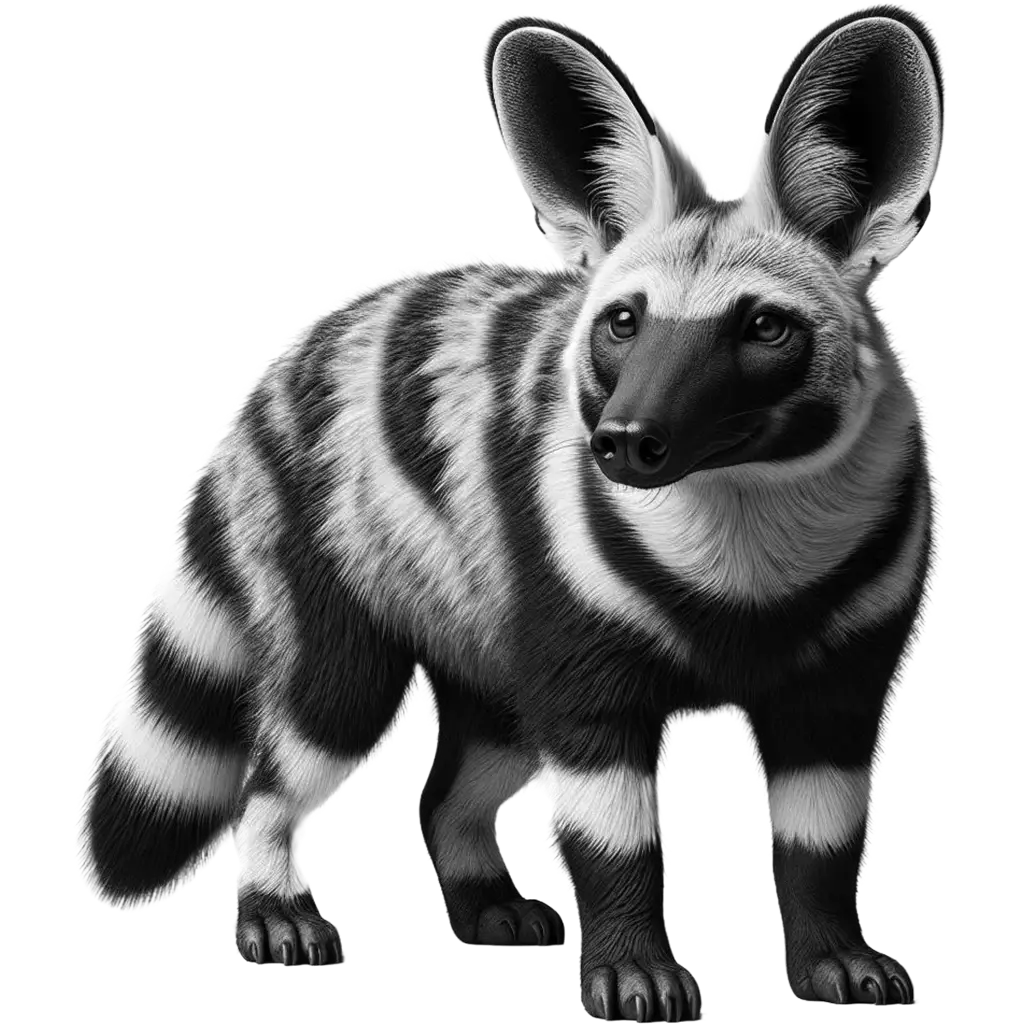
The Aardwolf, proteles cristatus, is a small, insectivorous mammal, distinct from its larger carnivorous relatives in the Hyaenidae family, such as hyenas. With a shoulder height of about 40 to 50 cm and weighing between 8 to 14 kg, the Aardwolf possesses a slender frame, covered in a coarse yellow-brown
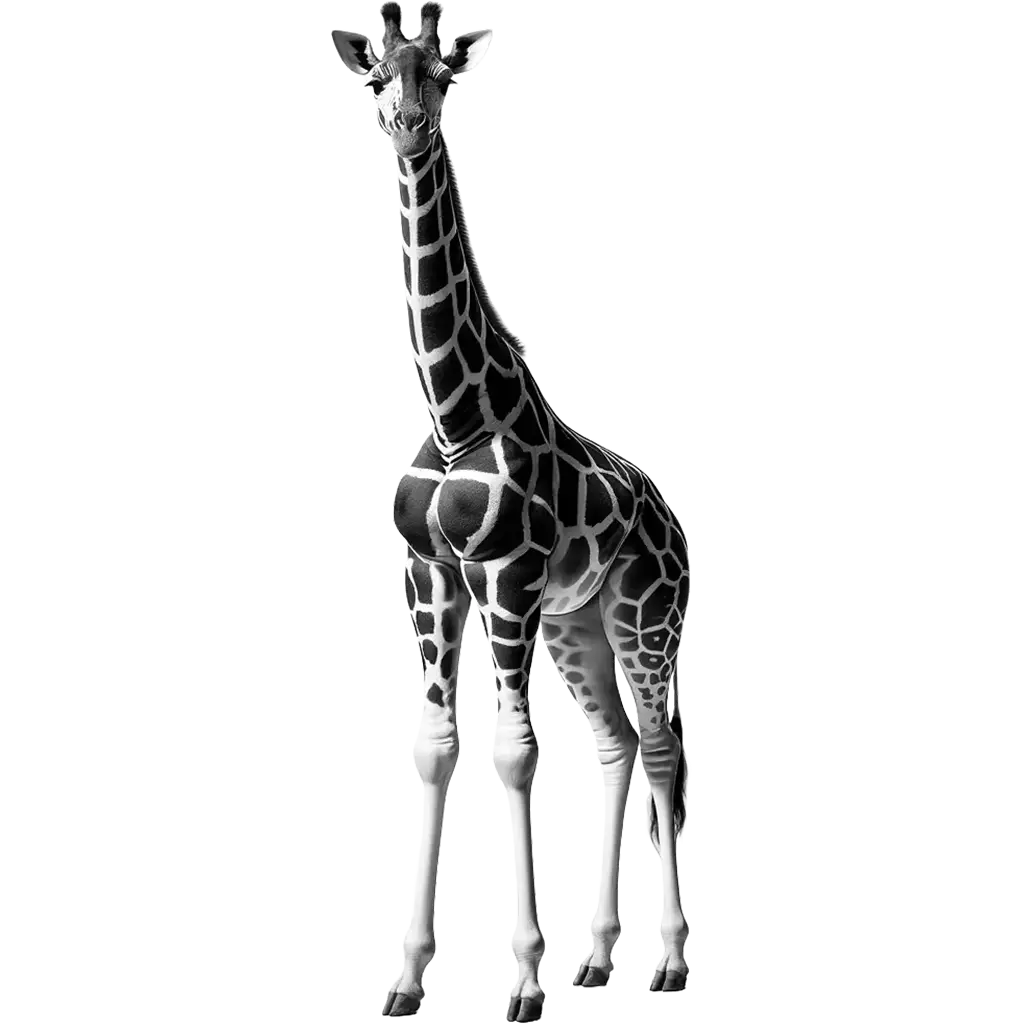
The Giraffe, giraffa camelopardalis, is the tallest land animal, with adult males capable of reaching heights up to 5.5 meters and females slightly shorter. Their most striking features include long necks, which comprise nearly half of their height, and distinctive coat patterns of brown patches separated by lighter lines, unique

The Gray Slender Loris, loris lydekkerianus, is a small, nocturnal primate native to the forests and thickets of Sri Lanka and parts of India. This elusive creature is characterized by its slender body, large forward-facing eyes, and short, rounded ears, which are essential for its nocturnal lifestyle. It possesses a