
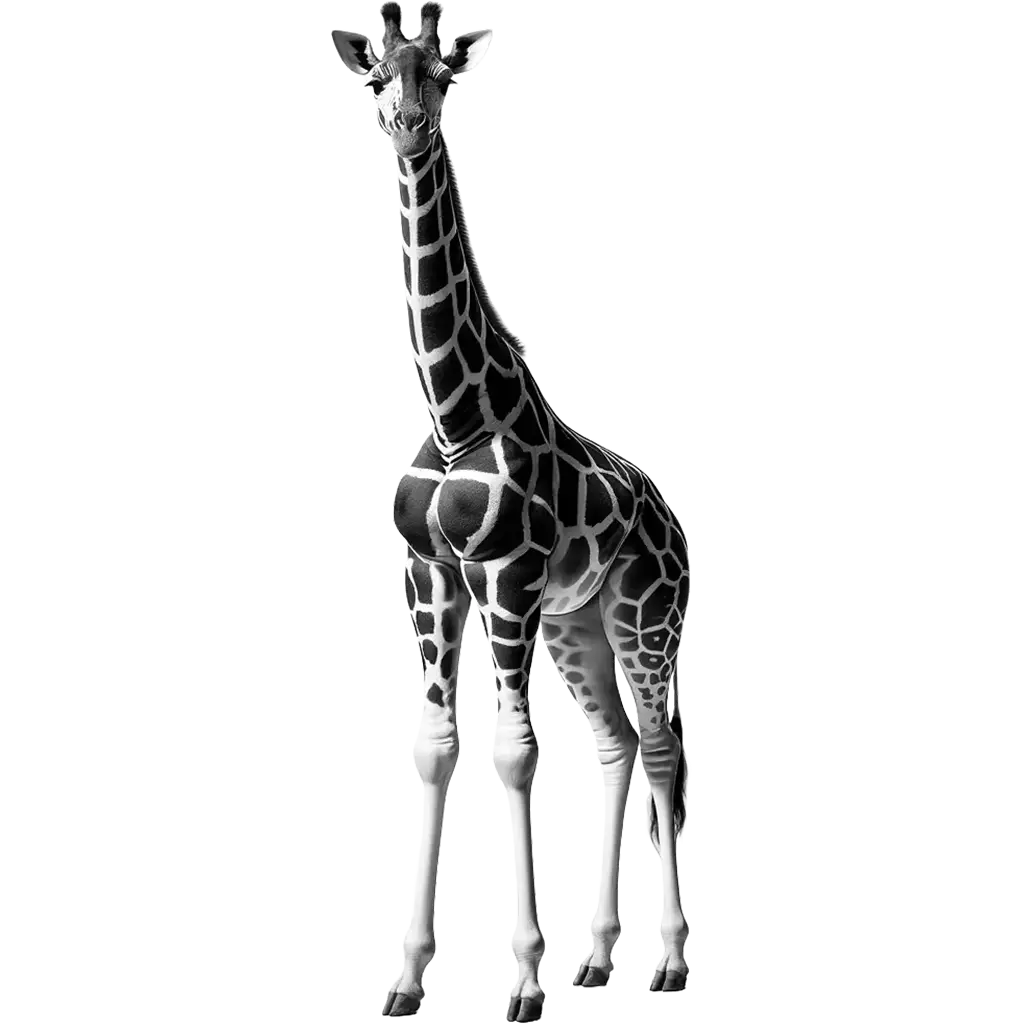
Giraffa Camelopardalis
Giraffe
Savannas, grasslands, and open woodlands
The Giraffe, giraffa camelopardalis, is the tallest land animal, with adult males capable of reaching heights up to 5.5 meters and females slightly shorter. Their most striking features include long necks, which comprise nearly half of their height, and distinctive coat patterns of brown patches separated by lighter lines, unique to each individual. Giraffes have large, bulging eyes that provide excellent vision, and their long tongues, which can be up to 45 cm in length, allow them to grasp leaves and branches, feeding from trees that most other herbivores cannot reach.
| Population: | Listed as Vulnerable due to habitat loss, poaching, and civil unrest |
| Generation Length: | 10-15 years |
| Average Weight: | 800-1,200 kg for males, 600-800 kg for females |
| Average Length: | 4.3-5.7 meters in height |
| Lifespan: | 20-25 years in the wild |
| Diet: | Herbivorous, primarily feeding on a variety of plant materials |
| Conservation Status: | Vulnerable (VU) |
Native to Africa, Giraffes inhabit the savannas, grasslands, and open woodlands of the continent. They are social animals, living in loose, open herds without a strict hierarchy. These herds often fluctuate in size and composition, providing safety in numbers from predators. Giraffes are most vulnerable when drinking or resting, as these are the moments when they must compromise their height advantage.
Giraffes are herbivorous, primarily feeding on the leaves, flowers, and fruits of acacia trees, which they can browse at heights unreachable by most other herbivores. Their diet is high in nutrients and moisture, which allows them to go long periods without drinking water. This feeding behavior plays a critical role in their ecosystems by pruning vegetation, which promotes growth and diversifies habitats.
Reproduction in Giraffes occurs year-round, with a gestation period of about 15 months. Females give birth standing up, resulting in the newborn's first experience being a 1.5-meter drop to the ground. This startling introduction to the world quickly encourages the calf to stand and walk, vital for its survival in the wild. Calves are nursed for up to a year but start to sample vegetation within a few weeks.
The population of Giraffes has seen a decline in recent years, leading to their classification as vulnerable. Habitat loss, poaching, and human-wildlife conflict are the primary threats to their survival. Conservation efforts include habitat restoration, anti-poaching patrols, and initiatives to mitigate human-Giraffe conflicts, aiming to ensure the future of these majestic animals in the wild.
Classifications
The Key Attributes
Features
- Movement:
Walking, running
- Territorial Behavior:
Non-territorial; forms loose, open herds
- Speed:
Can run at speeds up to 60 km/h over short distances
- Diet:
Herbivore
- Physical Features:
- Extremely long neck and legs
- Unique coat patterns with patches surrounded by white lines
- Long prehensile tongue for grasping foliage
- Horns covered with skin, called ossicones
- Primary Senses:
- Sight
- Hearing
Understanding Habitat and Range
Geography
- Habitat:
Savannas, grasslands, and open woodlands
- Migration Patterns:
Nomadic, moving to areas with available food and water
- Geographical Range:
Sub-Saharan Africa
- Climate Preferences:
Prefers areas with abundant trees and bushes for feeding
Navigating the Wilderness
In the wild
- Predators:
Lions, leopards, and hyenas primarily target the young and sick individuals
- Prey:
Not applicable
- Feeding Behavior:
Browsers, feeding on leaves, flowers, and fruits, particularly from acacia trees
- Diet:
Herbivorous, primarily feeding on a variety of plant materials
- Defensive Mechanisms:
- Kicking with powerful legs to defend against predators
- High vantage point aids in detecting threats from a distance
- Preferred Food Sources:
- Regions with dense tree canopies for browsing
Insights Into Reproduction
Mating
- Mating System:
Polygamous
- Number of Offspring:
Usually one calf
- Gestation Period:
About 15 months
- Parental Involvement:
- Females nurse and care for the calves, while males rarely participate in rearing
Youngsters Section
Giraffe
Fun Fact
Giraffes are the tallest land animals, with legs alone often six feet long.
Their long necks have the same number of vertebrae as humans, seven, but each vertebra is much longer. This unique adaptation allows them to reach high branches for food, giving them access to resources unavailable to other herbivores.
Download word search puzzles
Word Search Puzzles
Check Out Other Mammals
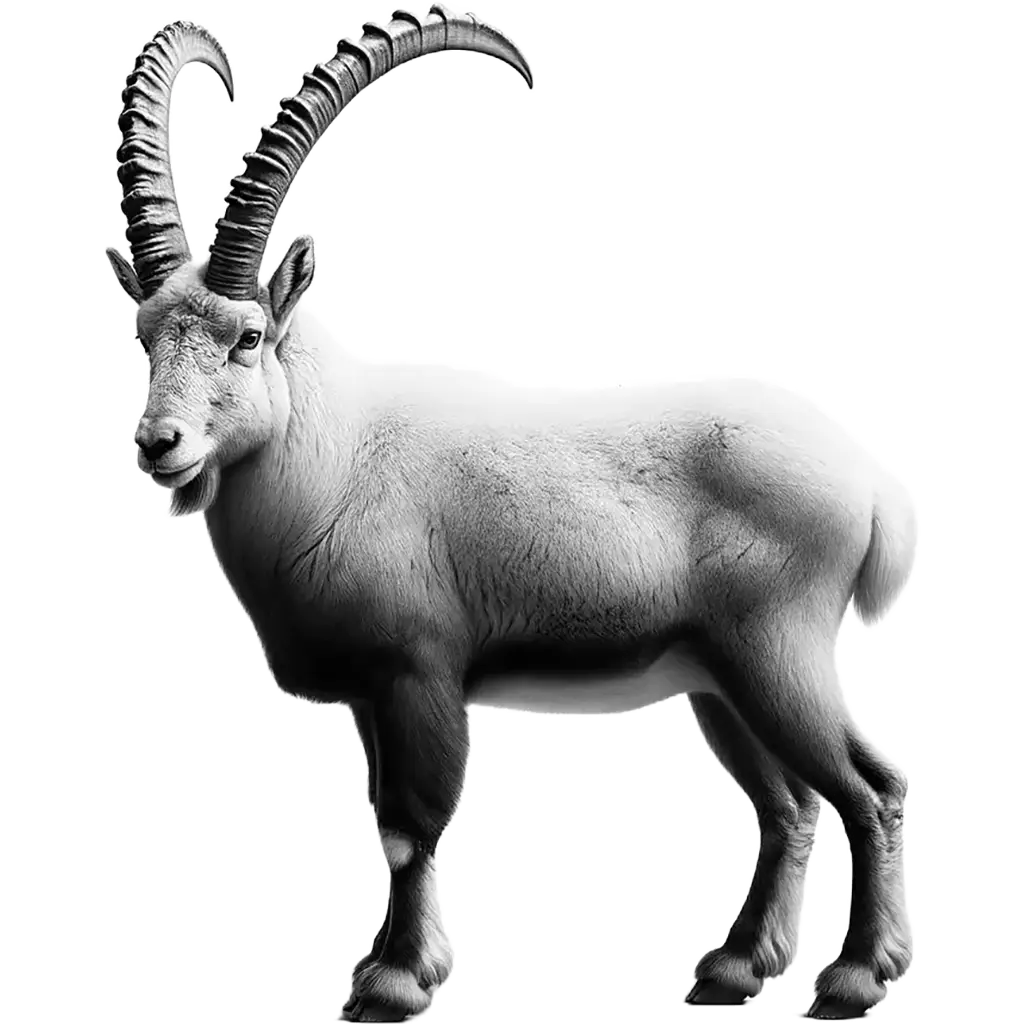
The Siberian Ibex, capra sibirica, is a robust and agile species of wild goat known for its impressive curved horns, which can reach up to 130 cm in length in males. These animals exhibit a coat that varies seasonally, being thicker and lighter in color during winter, and shorter and
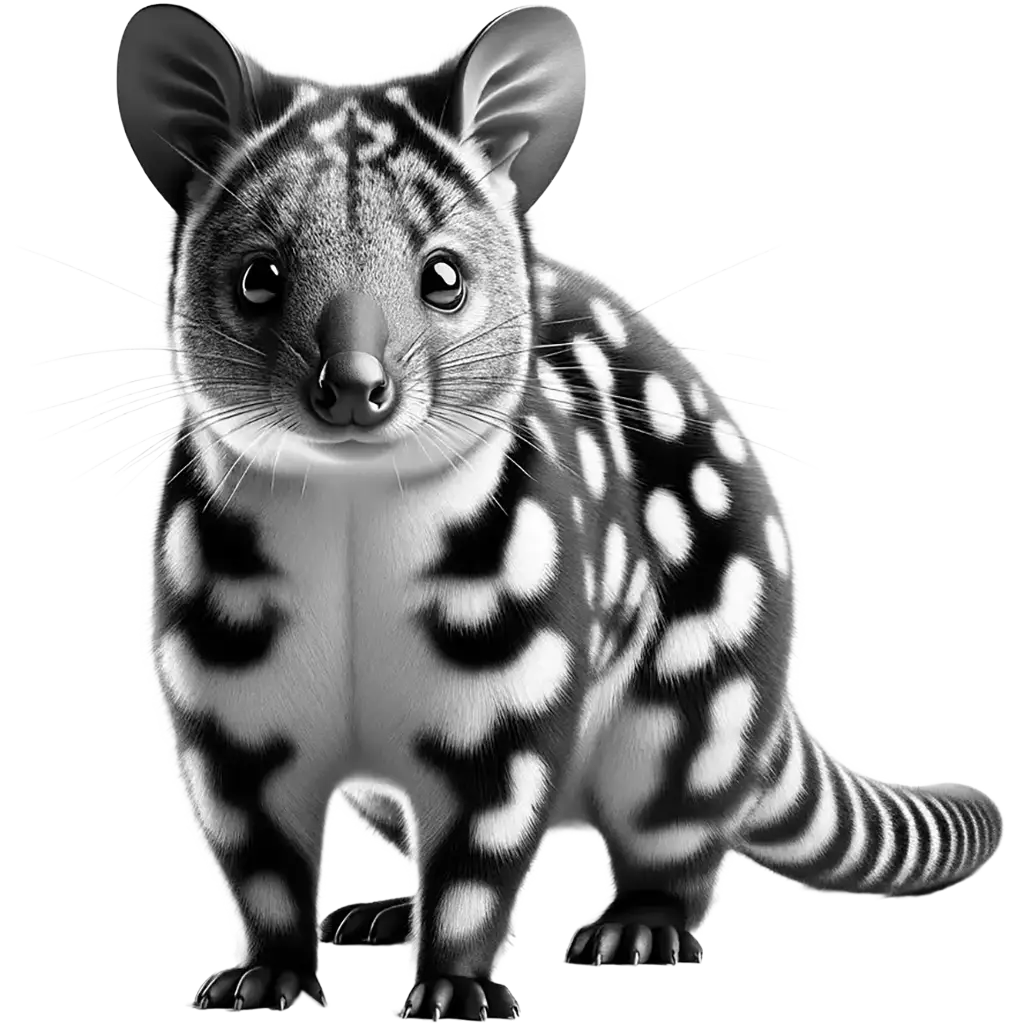
The Tiger Quoll, dasyurus maculatus, also known as the Spotted-tail Quoll, is the largest marsupial carnivore of mainland Australia and the second largest in the world after the Tasmanian Devil. Adult Tiger Quolls can vary significantly in size, with males generally larger than females, measuring up to 75 cm in
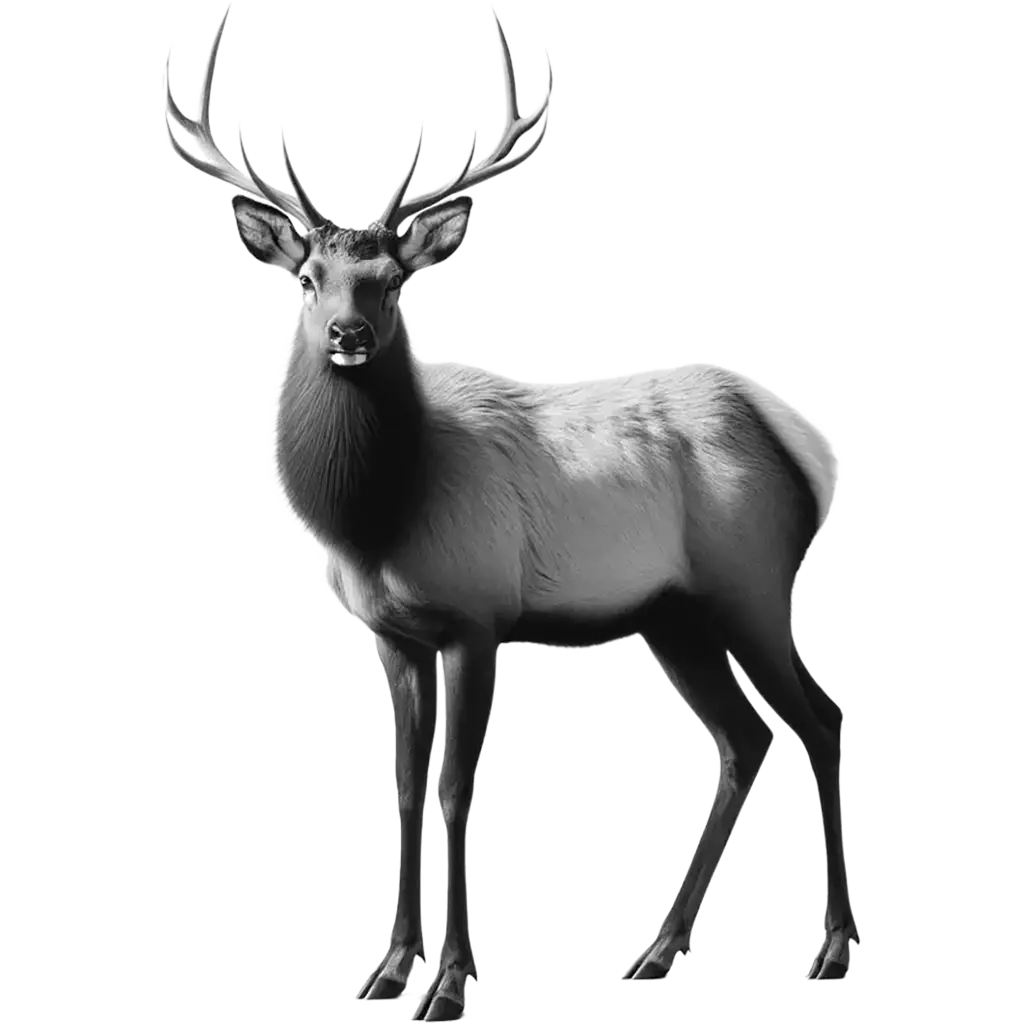
The Tule Elk, cervus canadensis nannodes, is a distinctive subspecies of elk found exclusively in California, primarily in the grasslands and marshlands of the state's central and coastal regions. Notably smaller than other elk subspecies, adult Tule Elk bulls weigh between 200 to 320 kg, while cows are lighter, weighing
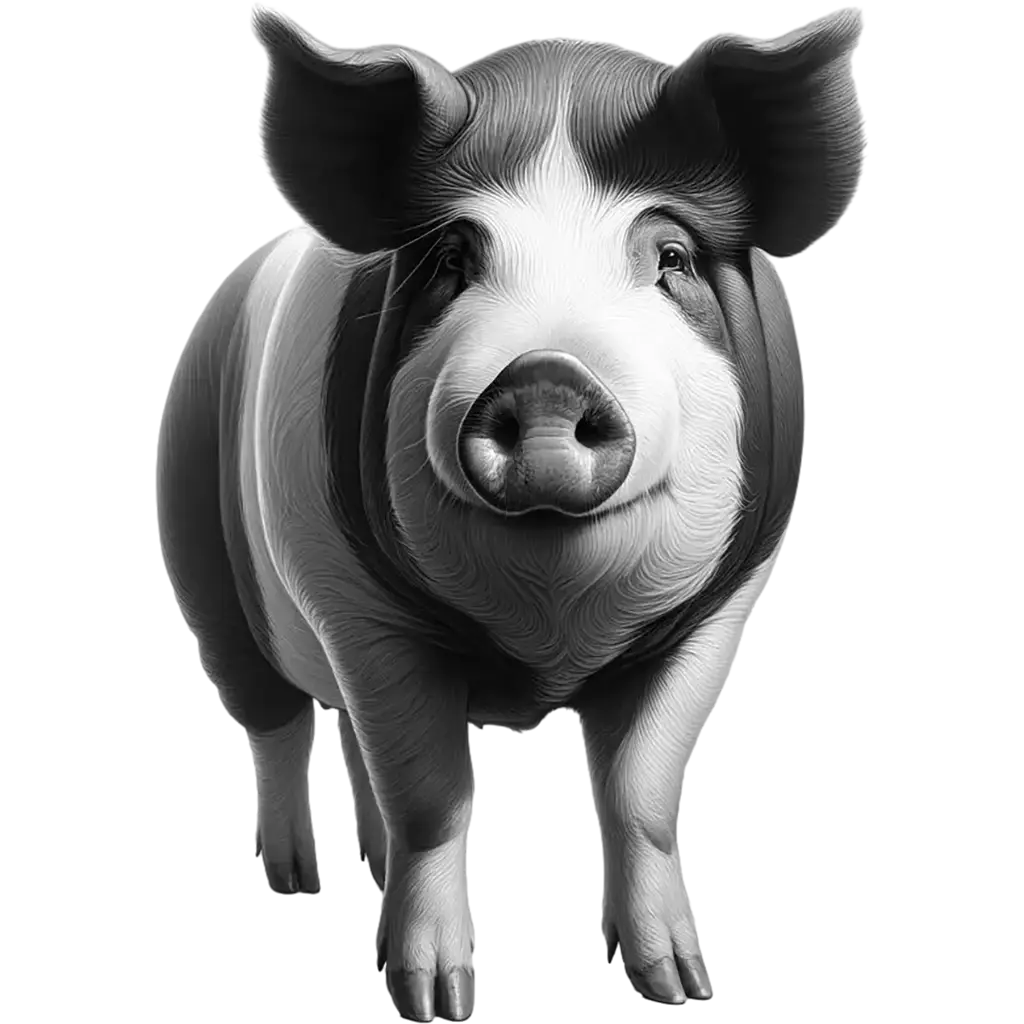
The Domestic Pig, sus domesticus, is a subspecies of the wild boar and a prominent figure in agricultural and culinary contexts worldwide. Adult pigs vary widely in size and weight, typically ranging from 50 to 350 kg, depending on the breed and conditions in which they are raised. Their bodies