
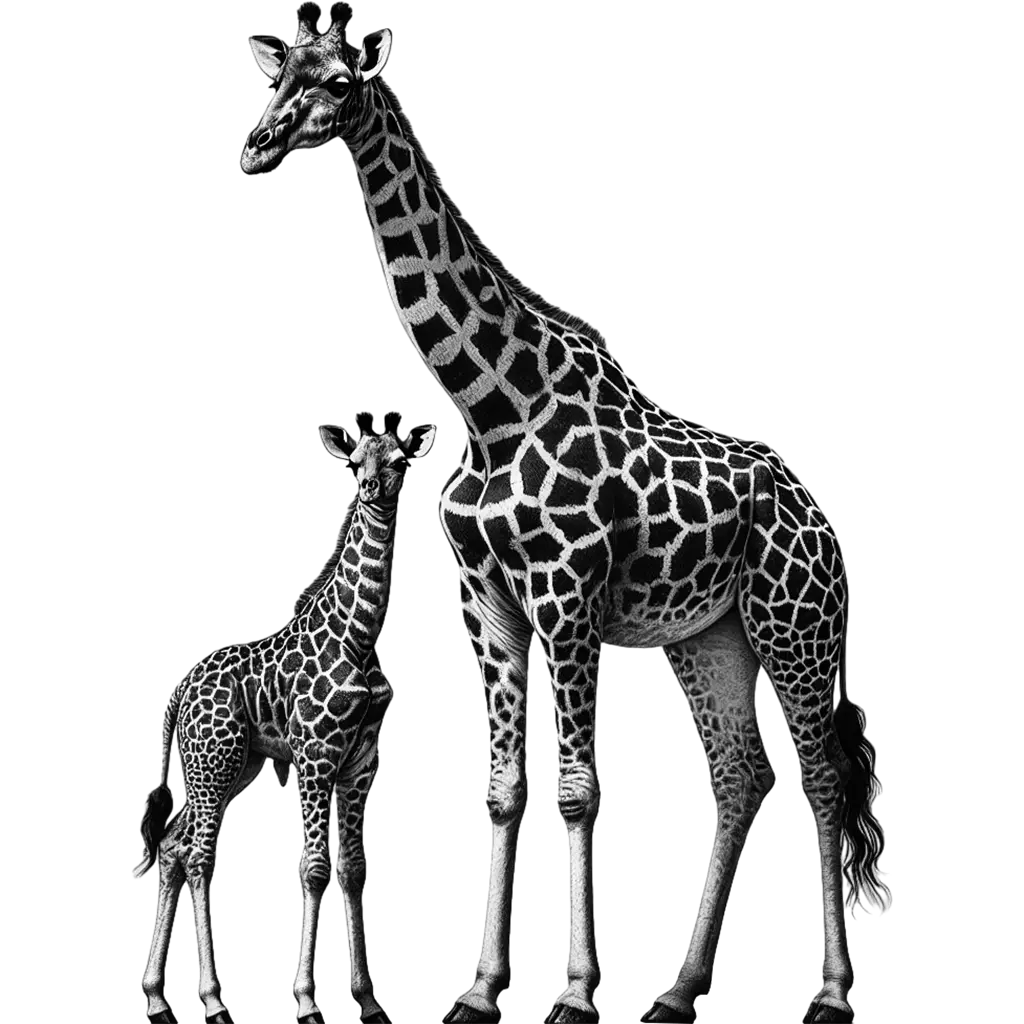
Top ten fascinating facts about
Giraffe
Giraffa Camelopardalis
Giraffes are the tallest land animals, with legs alone often six feet long. Their long necks have the same number of vertebrae as humans, seven, but each vertebra is much longer. This unique adaptation allows them to reach high branches for food, giving them access to resources unavailable to other herbivores.
Giraffes are the tallest land animals on Earth, reaching heights up to 18 feet (5.5 meters)
Giraffes hold the record as the tallest terrestrial animals. Adult males, known as bulls, can stand between 14 and 18 feet tall, while females, called cows, range from 13 to 16 feet. Their extraordinary height is mainly due to their long necks and legs. This allows them to browse on leaves and buds high up in trees, particularly their favorite acacia trees, where other herbivores cannot reach.
A giraffe's neck contains only seven vertebrae—the same number as in a human neck
Despite their necks being up to 6 feet (1.8 meters) long, giraffes have just seven cervical vertebrae, the same number as humans and most other mammals. Each vertebra is greatly elongated, measuring over 10 inches (25 centimeters) in length. This unique adaptation enables them to reach high foliage and plays a role in social interactions, such as necking.
They have a prehensile tongue up to 20 inches (50 centimeters) long, used to grasp leaves and twigs
Giraffes possess a long, flexible tongue that is prehensile, meaning it can grip and manipulate objects. Their tongues are dark bluish-purple, which may protect them from sunburn. The length and dexterity allow giraffes to skillfully pluck leaves from between the thorns of acacia trees without injuring themselves.
Each giraffe has a unique coat pattern, much like a human fingerprint
The spots and patches on a giraffe's coat are unique to each individual, serving as a form of identification among giraffes. These patterns provide camouflage in the dappled light of their savanna habitats, breaking up their outline to protect against predators. Recent research suggests that coat patterns may be inherited from their mothers and could play a role in survival.
Giraffes have specialized cardiovascular systems to manage blood flow to their brains
Due to their long necks, giraffes have evolved an impressive circulatory system. Their large hearts can weigh up to 25 pounds (11 kilograms) and generate twice the normal blood pressure of other large mammals to pump blood up to their brains. They have tight skin and specialized blood vessels to prevent blood pooling in their legs and a complex network of valves and capillaries called the rete mirabile at the base of the brain to regulate blood pressure when lowering and raising their heads.
Giraffes only need to drink water once every few days
Giraffes can go for extended periods without drinking water, obtaining most of their moisture from the leaves they consume. When they do drink, they spread their front legs or kneel to reach the water, making them vulnerable to predators. This adaptation allows them to thrive in arid environments where water is scarce.
Giraffes sleep very little, often less than two hours per day, and usually in short naps
Giraffes have one of the shortest sleep requirements among mammals. They typically sleep standing up, taking short naps that last only a few minutes. Deep sleep, involving REM cycles, occurs when they lie down and rest their heads on their hindquarters, but this makes them more vulnerable to predators, so it's kept brief.
Male giraffes engage in 'necking' to establish dominance and mating rights
'Necking' is a behavior where male giraffes swing their necks and deliver powerful headbutts to each other. These contests can be gentle or intense and are used to establish social hierarchy and gain access to females. The male with the longer and stronger neck often wins these battles, demonstrating the evolutionary advantage of longer necks beyond feeding.
Giraffes give birth standing up, and newborn calves endure a 6-foot (1.8 meters) drop
Female giraffes give birth while standing, resulting in the calf falling about 6 feet to the ground. This fall doesn't harm the calf; instead, it stimulates the newborn to take its first breath. Remarkably, giraffe calves can stand and even run within an hour of birth, an essential ability to keep up with the herd and avoid predators.
Giraffes can run at speeds up to 35 miles per hour (56 kilometers per hour) in short bursts
Despite their ungainly appearance, giraffes are capable of quick speeds when necessary. They have two gaits: walking, where they move both legs on one side of the body simultaneously, and galloping, where their hind legs move around their front legs. While they can't sustain high speeds for long distances, this agility helps them escape predators.
Check Out Other Mammals

The Labrador Retriever, affectionately known as the Lab, is one of the most popular and recognizable dog breeds in the United States and many other countries. Originating from Newfoundland, Canada, Labs were initially used by fishermen to retrieve fishing nets and fish that escaped from hooks. Today, they are cherished
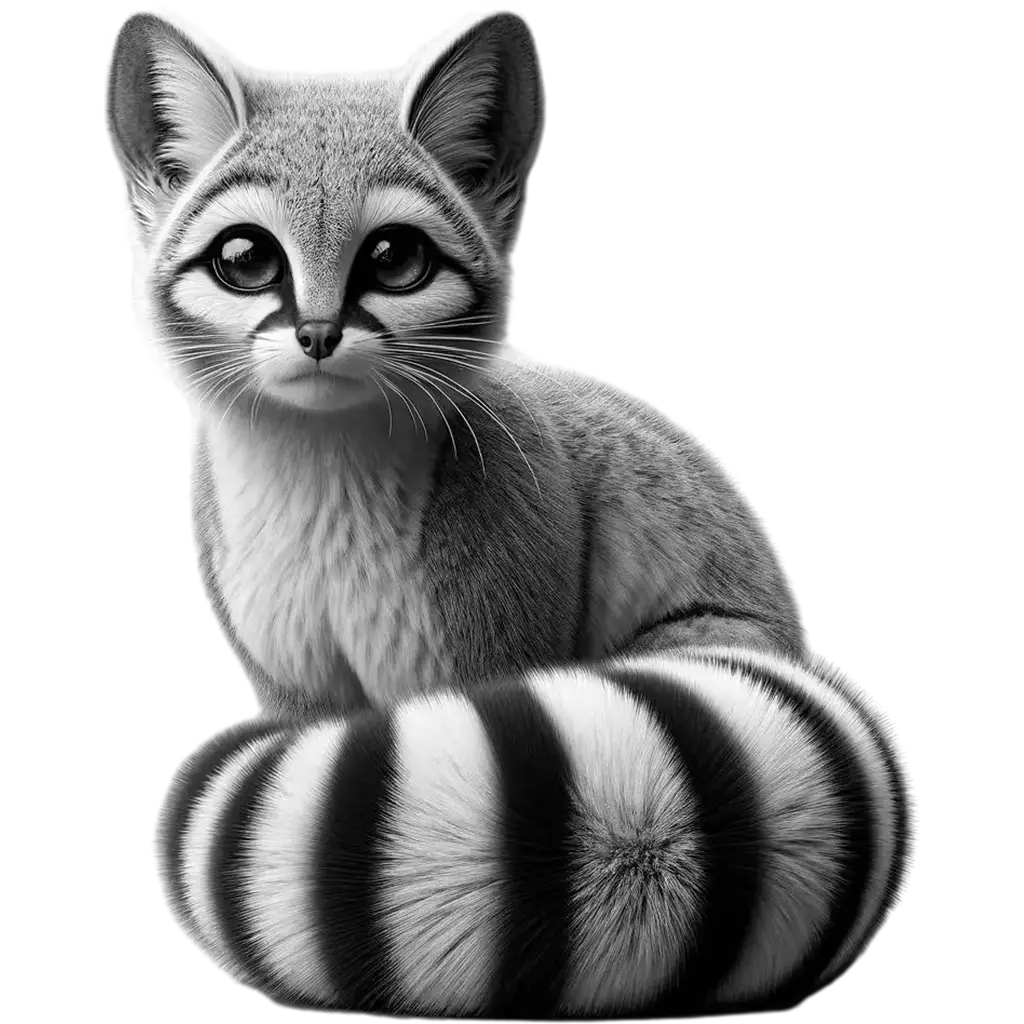
The Ringtail, bassariscus astutus, also known as the Ring-tailed Cat, is a small, nocturnal mammal native to the arid regions of North America, from the southwestern United States through Mexico. Despite its common name, the Ringtail is not a cat but belongs to the raccoon family, Procyonidae. Adults typically measure
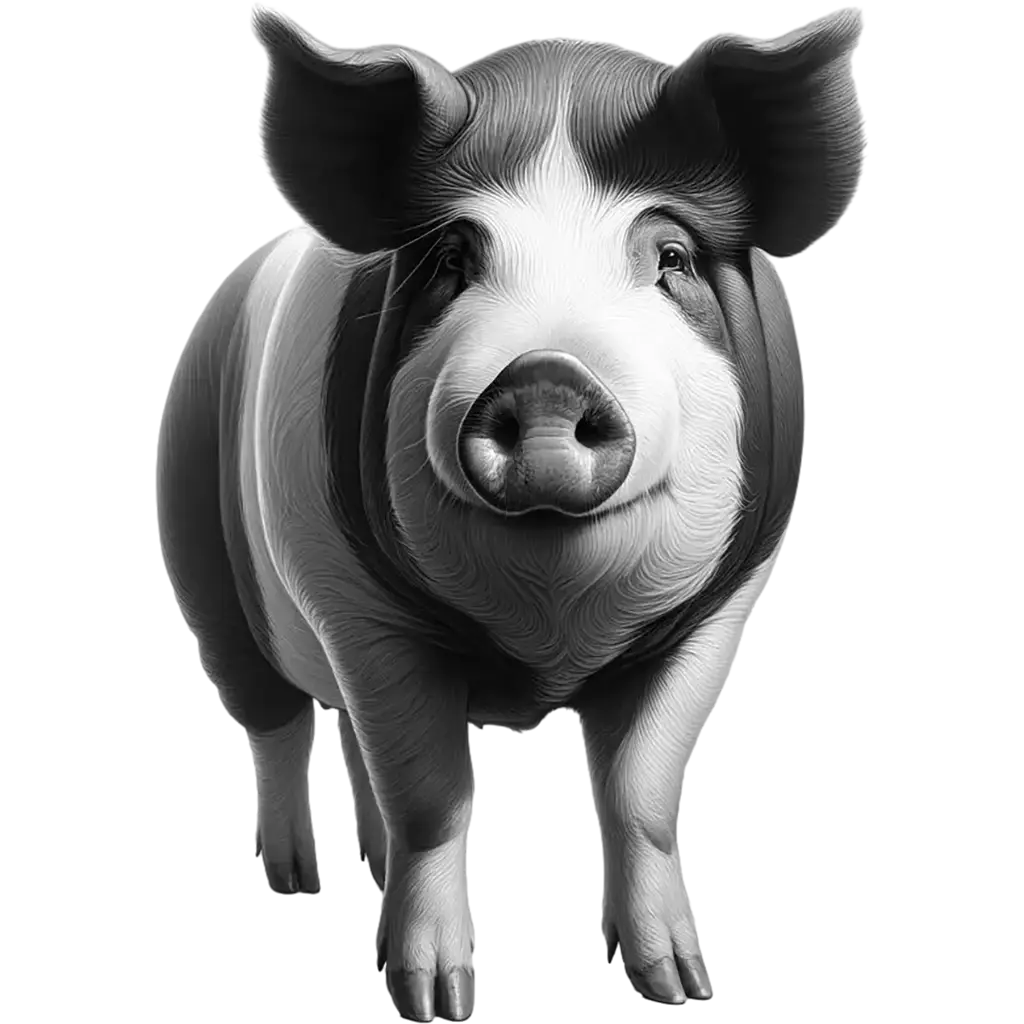
The Domestic Pig, sus domesticus, is a subspecies of the wild boar and a prominent figure in agricultural and culinary contexts worldwide. Adult pigs vary widely in size and weight, typically ranging from 50 to 350 kg, depending on the breed and conditions in which they are raised. Their bodies
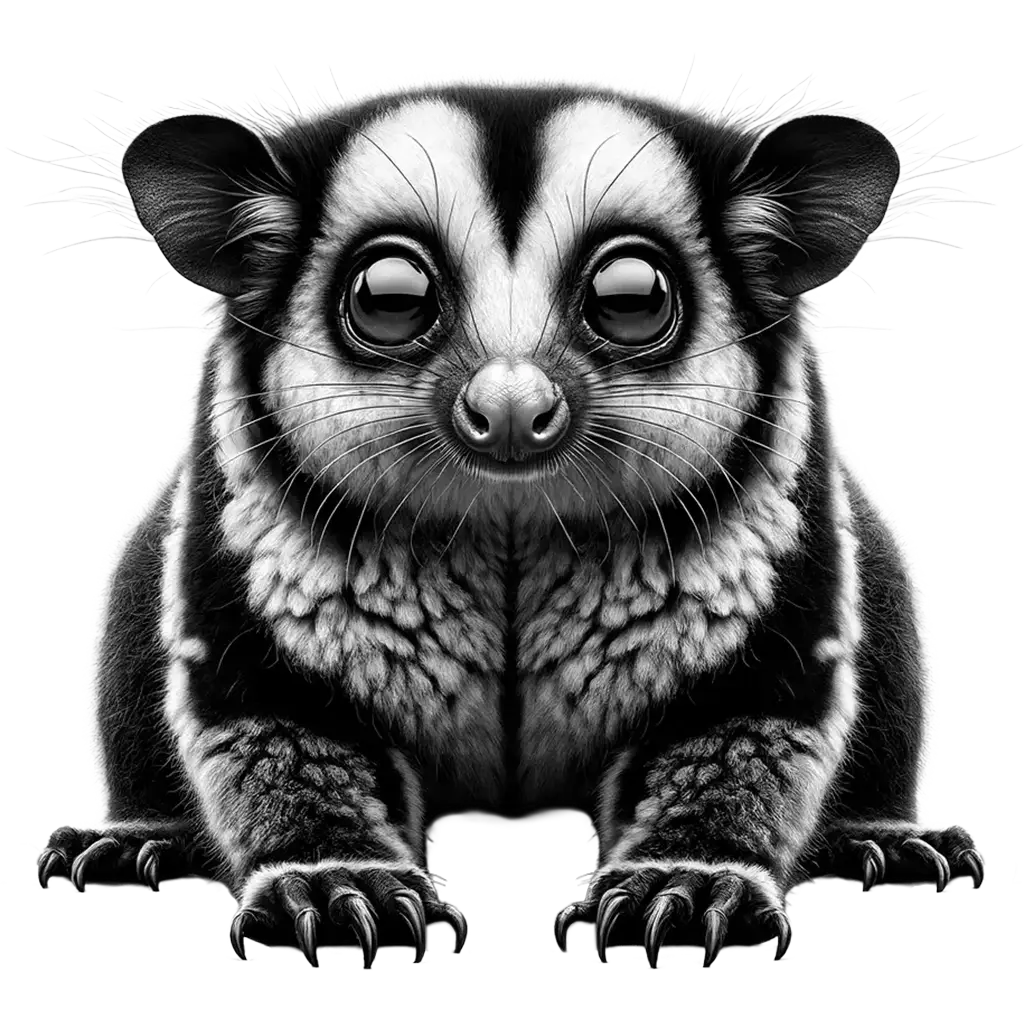
The Biak Glider, petaurus biacensis, is a small marsupial native to the Biak and Supiori islands off the northern coast of Papua, Indonesia. This species is part of the family Petauridae, which includes other gliding possums known for their ability to glide between trees using a membrane called a patagium