

Procyon Lotor
Raccoon
Diverse, including forests, urban areas, and agricultural regions
The Raccoon, procyon lotor, is a medium-sized mammal known for its distinctive black mask across the eyes and bushy tail with anywhere from four to ten black rings. Adults typically weigh between 5 to 20 kg, with a body length ranging from 40 to 70 cm, plus a 20 to 40 cm tail. Their dense coat varies in color but generally includes shades of gray, brown, and black. Raccoons are equipped with dexterous front paws, similar to human hands, which allow them to open containers, grasp food, and explore their environment with remarkable skill.
| Population: | Listed as Least Concern, with stable and expanding populations |
| Generation Length: | 3 years |
| Average Weight: | 5-15 kg |
| Average Length: | 60-95 cm, including the tail |
| Lifespan: | 3-5 years in the wild, up to 20 years in captivity |
| Diet: | Highly omnivorous, known for its ability to consume a diverse array of food sources |
| Conservation Status: | Least Concern (LC) |
Raccoons are native to North America but have been introduced to parts of Europe and Asia, where they adapt well to both wild and urban environments. They are highly versatile, living in forests, mountains, marshes, and especially in urban areas, where they are known to raid garbage cans and pet food. Raccoons are nocturnal, mostly active at night, and they den in hollow trees, brush piles, or even abandoned buildings.
Their diet is omnivorous and highly varied, including fruits, nuts, insects, eggs, and small animals. Raccoons are also known to eat garbage and pet food in urban areas, showcasing their opportunistic feeding habits. They are famous for 'washing' their food by rubbing it between their paws in water, a behavior thought to be related to their tactile sense rather than an attempt to clean the food.
Reproduction occurs once yearly, with mating typically happening in late winter. Females give birth to 2 to 5 kits in the spring after a gestation period of about 63 days. Raccoon families stay together for the first year, with the mother teaching her young how to forage and survive.
The population of Raccoons in their native range is stable and even increasing in urban areas due to their adaptability and the lack of natural predators. However, in non-native areas, they can become invasive and impact local wildlife. Conservation efforts in these regions focus on controlling their numbers to protect native species and ecosystems.
Classifications
The Key Attributes
Features
- Movement:
Walking, climbing, swimming
- Territorial Behavior:
Solitary or in small family groups
- Speed:
Capable of quick movements when foraging or escaping predators
- Diet:
Omnivore
- Physical Features:
- Dexterous front paws and long fingers capable of opening containers and manipulating objects
- Black facial mask with contrasting white around the eyes
- Bushy, ringed tail and dense fur
- Sharp, non-retractable claws
- Primary Senses:
- Touch
- Sight
- Hearing
- Smell
Understanding Habitat and Range
Geography
- Habitat:
Diverse, including forests, urban areas, and agricultural regions
- Migration Patterns:
Non-migratory, but can move locally in response to food availability and environmental conditions
- Geographical Range:
Native to North America, but introduced to Europe and Japan
- Climate Preferences:
Adaptable to a wide range of climates
Navigating the Wilderness
In the wild
- Predators:
Coyotes, bobcats, and large birds of prey
- Prey:
Small animals, insects, fruits, and plants
- Feeding Behavior:
Feeds on a wide variety of foods, including fruits, nuts, insects, small mammals, and garbage in urban areas
- Diet:
Highly omnivorous, known for its ability to consume a diverse array of food sources
- Defensive Mechanisms:
- Climbing to escape ground predators
- Using their strong sense of smell and dexterity to evade danger and find food
- Preferred Food Sources:
- Areas with easy access to a variety of food sources, including forested areas, streams, and urban environments
Insights Into Reproduction
Mating
- Mating System:
Polygynous
- Number of Offspring:
2-5 kits
- Gestation Period:
About 65 days
- Parental Involvement:
- Females solely responsible for raising the young in a den
Youngsters Section
Raccoon
Fun Fact
Raccoons are known for their dexterous front paws and masked faces, giving them a bandit-like appearance.
These intelligent creatures can solve complex puzzles and remember solutions for up to three years. They're notorious for their adaptability, thriving in urban and rural environments alike, often rummaging through trash bins for food. Raccoons also wash their food, a behavior linked to their tactile sensitivity.

Download word search puzzles
Word Search Puzzles


Check Out Other Mammals
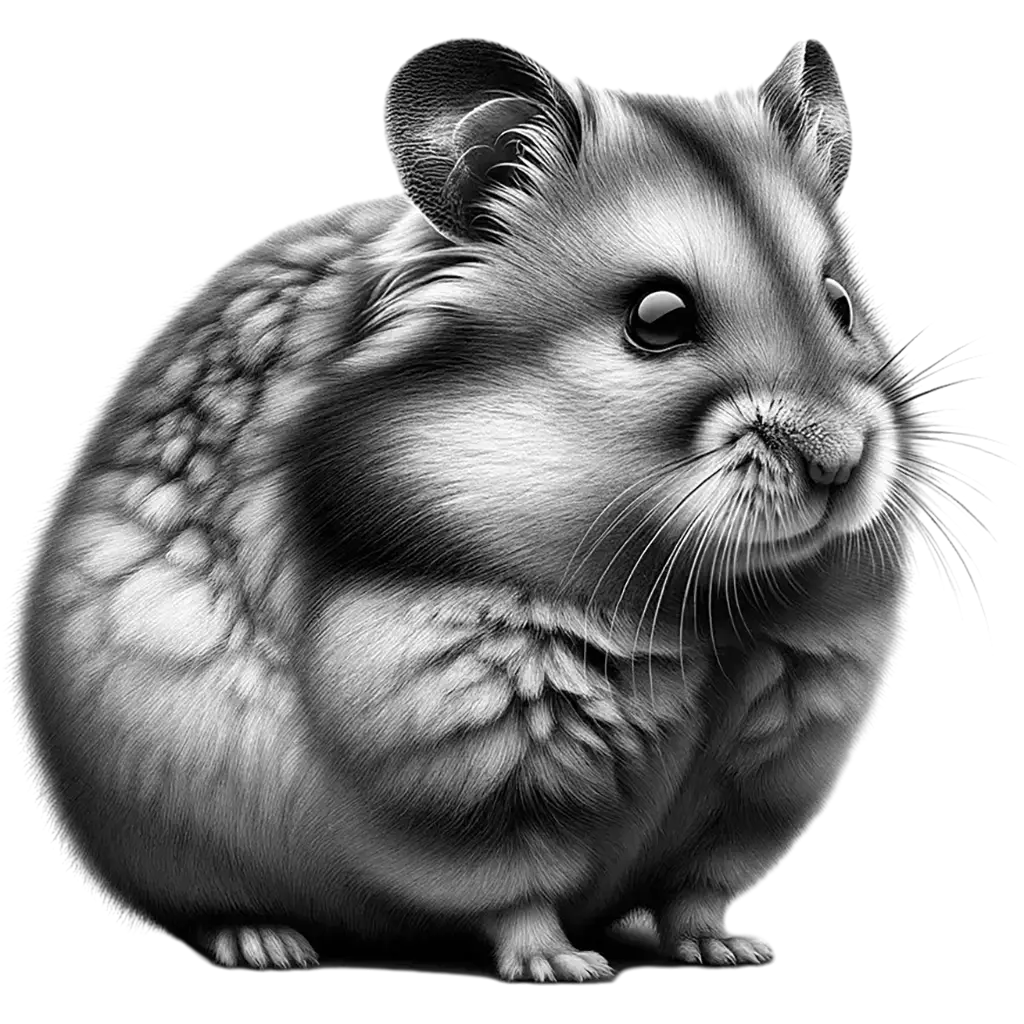
The European Hamster, cricetus cricetus, also known as the Common Hamster, is a large rodent native to a broad swath of Europe and Western Asia. This species is notably larger than the pet hamsters commonly found in households, with adults reaching lengths of up to 34 cm and weighing between

The Bengal Tiger, panthera tigris, stands as a majestic symbol of the wilderness, embodying strength, agility, and grace. This subspecies is distinguished by its vibrant orange coat adorned with dark stripes, a characteristic that provides camouflage in the dense forests and grasslands of its habitat. Adult Bengal Tigers are formidable

The African Forest Elephant, loxodonta cyclotis, is the smaller of the two African elephant species, distinguished by its more rounded ears and straighter tusks, which are thinner and downward pointing compared to those of its savannah cousin. Adults typically stand 2.5 meters tall at the shoulder, making them smaller than

The Harp Seal, pagophilus groenlandicus, is a species of true seal found primarily in the cold waters of the North Atlantic and Arctic Oceans. Recognizable by the distinctive black harp-shaped pattern on the back of adult males, this species exhibits a striking contrast against their otherwise silvery-gray to white fur.