
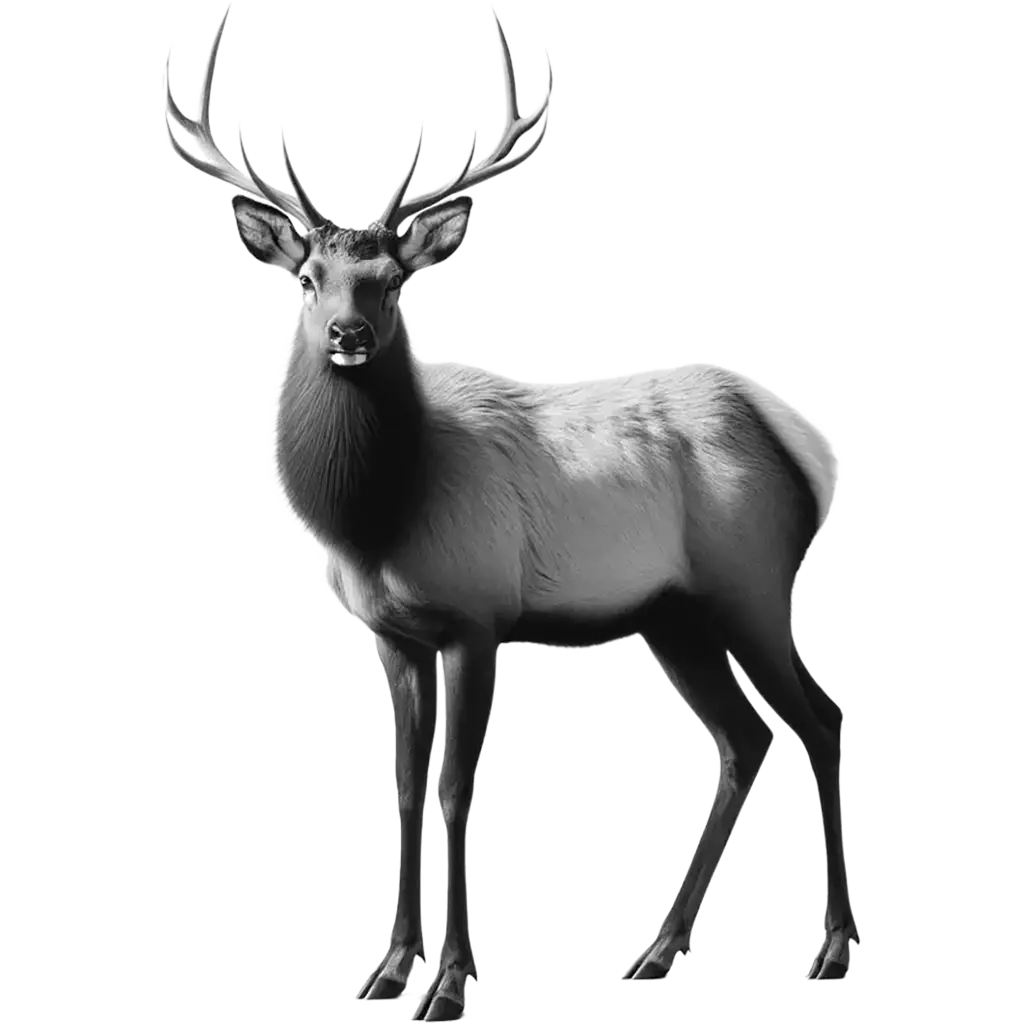
Cervus Canadensis Nannodes
Tule Elk
Grasslands, marshes, and oak woodlands
The Tule Elk, cervus canadensis nannodes, is a distinctive subspecies of elk found exclusively in California, primarily in the grasslands and marshlands of the state's central and coastal regions. Notably smaller than other elk subspecies, adult Tule Elk bulls weigh between 200 to 320 kg, while cows are lighter, weighing 120 to 200 kg. They are characterized by their sleek, tan to brown coat, with a darker mane around the neck. The bulls boast impressive antlers, which are shed and regrown annually, reaching lengths of up to 1 meter.
| Population: | Listed as Least Concern, with successful conservation efforts increasing their numbers |
| Generation Length: | 6-7 years |
| Average Weight: | 170-250 kg for males, 120-170 kg for females |
| Average Length: | 2-2.5 meters in body length, with a height of 1.2-1.5 meters at the shoulder |
| Lifespan: | 12-15 years in the wild |
| Diet: | Herbivorous, feeding on a variety of plant materials |
| Conservation Status: | Not Evaluated (NE) |
Historically, Tule Elk were near extinction in the 19th century due to hunting and habitat loss, but conservation efforts have successfully increased their numbers and distribution. They now inhabit a mix of public and private lands, including national parks, wildlife refuges, and managed natural areas. These efforts showcase the species' resilience and the success of wildlife conservation strategies.
Tule Elk are herbivores, grazing on a variety of grasses, forbs, and shrubs. Their diet varies seasonally, depending on the availability of vegetation in their habitats. This grazing behavior plays a crucial role in the ecosystem, helping to maintain the health and diversity of grassland communities.
Reproduction in Tule Elk follows a seasonal pattern, with the rut occurring in late summer and early fall. Bulls gather harems of cows and fiercely compete for mates, using their antlers in dramatic displays of strength and dominance. Cows give birth to a single calf in the spring after a gestation period of about 250 days. Calves are mobile shortly after birth, which is vital for their survival from predators.
The population of the Tule Elk is currently stable and growing, thanks to ongoing conservation and management efforts. These efforts include habitat restoration, population monitoring, and the establishment of new herds in suitable habitats across California. The Tule Elk's recovery from the brink of extinction is considered one of the significant conservation success stories, highlighting the importance of protecting native species and their habitats.
Classifications
The Key Attributes
Features
- Movement:
Walking, running
- Territorial Behavior:
Males are territorial during the breeding season
- Speed:
Capable of running at high speeds, up to 72 km/h
- Diet:
Herbivore
- Physical Features:
- Large, robust body with slender legs
- Males have large, branching antlers that are shed annually
- Coat color varies seasonally, from tan in summer to brown in winter
- Well-adapted to a variety of habitats with strong swimming abilities
- Primary Senses:
- Sight
- Hearing
- Smell
Understanding Habitat and Range
Geography
- Habitat:
Grasslands, marshes, and oak woodlands
- Migration Patterns:
Sedentary, with seasonal movements within their home range
- Geographical Range:
Endemic to California, primarily in the Central Valley and coastal regions
- Climate Preferences:
Temperate climates, adaptable to various environmental conditions
Navigating the Wilderness
In the wild
- Predators:
Coyotes, mountain lions, and bears may prey on calves or weak adults
- Prey:
Not applicable
- Feeding Behavior:
Grazes on grasses, herbs, and shrubs
- Diet:
Herbivorous, feeding on a variety of plant materials
- Defensive Mechanisms:
- Speed and agility to escape predators
- Males use their antlers for defense and territorial battles
- Preferred Food Sources:
- Open grasslands and meadows with plentiful vegetation
Insights Into Reproduction
Mating
- Mating System:
Polygynous
- Number of Offspring:
Usually one calf, occasionally twins
- Gestation Period:
About 8 months
- Parental Involvement:
- Females care for the calves, with weaning occurring at about six months of age
Youngsters Section
Tule Elk
Fun Fact
Tule elk are the smallest subspecies of elk, native to California's grasslands and marshes.
Once near extinction, conservation efforts have increased their population to over 5,000 today. They play a key role in maintaining the ecological balance of their habitat by grazing which helps in maintaining plant communities and providing food for other species.

Download word search puzzles
Word Search Puzzles


Check Out Other Mammals
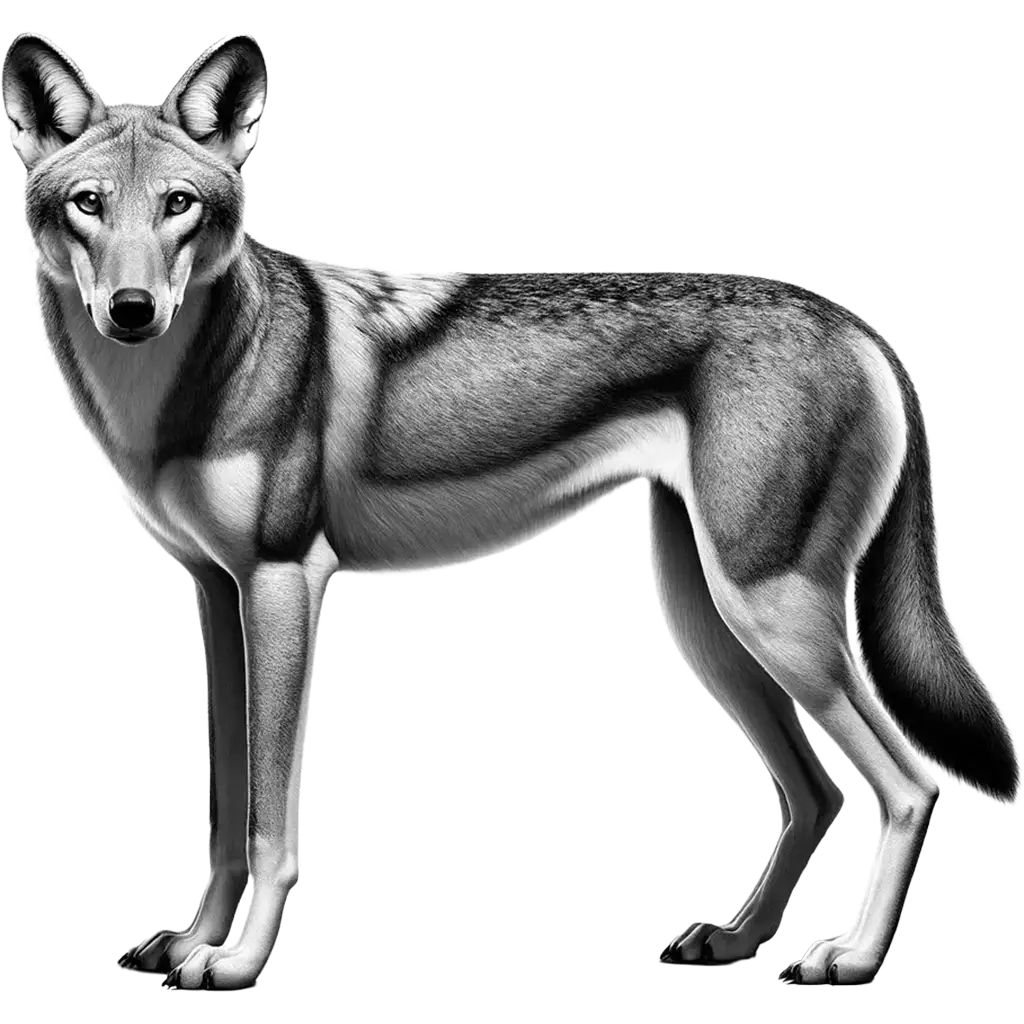
The Wolf, canis lupus, is a symbol of wilderness and a keystone predator, playing a crucial role in maintaining the health of ecosystems. Adult wolves typically measure about 105 to 160 cm in length, with a tail adding an additional 40 to 50 cm. Males are generally larger than females,

The Pampas Cat, leopardus colocola, is a small wild cat native to South America, characterized by its elusive nature and adaptability to a variety of habitats. This species exhibits a range of fur patterns and colors, typically featuring a grey or yellowish fur marked with stripes and spots that provide

The Otter Civet, cynogale bennettii, is a rare and elusive mammal native to the tropical forests of Southeast Asia, including Borneo, Sumatra, and the Malay Peninsula. This semi-aquatic species is distinctive for its otter-like body, with a long, slender build, dense waterproof fur, and a flattened tail that aids in

The Forest Dormouse, dryomys nitedula, is a small, nocturnal rodent found across much of Europe and parts of Asia, from Spain and Poland eastward to Mongolia and northern Iran. This species is characterized by its large, dark eyes, rounded ears, and a bushy tail with a white tip, which contributes