

Petaurus Biacensis
Biak Glider
Tropical rainforest canopies
The Biak Glider, petaurus biacensis, is a small marsupial native to the Biak and Supiori islands off the northern coast of Papua, Indonesia. This species is part of the family Petauridae, which includes other gliding possums known for their ability to glide between trees using a membrane called a patagium that stretches from the wrist to the ankle. The Biak Glider has a distinctive appearance with a rich brown or golden fur on its back and a lighter, almost white, underbelly. Adults can reach lengths of up to 22 cm for the body, with a tail almost equal in length, which aids in steering during flight and balance.
| Population: | Not fully assessed, but considered at risk due to habitat loss and limited range |
| Generation Length: | 2-3 years |
| Average Weight: | 200-300 grams |
| Average Length: | 15-20 cm body length, with a tail of 20-30 cm |
| Lifespan: | 5-10 years in the wild |
| Diet: | Varied diet including plant exudates, nectar, fruits, and small fauna |
| Conservation Status: | Least Concern (LC) |
The Biak Glider inhabits tropical rainforests, where it leads a predominantly arboreal lifestyle, spending most of its life in the canopy. This nocturnal animal is highly adapted to gliding, capable of covering distances of up to 50 meters between trees in search of food. This ability not only aids in foraging but also serves as a mechanism to escape predators.
The diet of the Biak Glider mainly consists of nectar, fruit, and sap, along with occasional insects and small vertebrates. This varied diet reflects the species' role in pollination and seed dispersal within its ecosystem, contributing to the health and diversity of the rainforest. They have a particular preference for the nectar and sap, which provide high energy necessary for their active, nocturnal lifestyle.
Reproduction in the Biak Glider involves the birth of one to two offspring after a gestation period of about 16 days, typical of many marsupials. The young are born undeveloped and continue to grow in the mother's pouch for several months before emerging. This marsupial is known for its strong social bonds, often living in family groups that share a nest and forage together.
The population of the Biak Glider is of conservation concern due to habitat loss, deforestation, and the pet trade. As an island species, it is particularly vulnerable to these threats, which can lead to a rapid decline in numbers. Conservation efforts are focused on habitat protection, sustainable forest management, and awareness to ensure the survival of this unique gliding marsupial.
Classifications
The Key Attributes
Features
- Movement:
Climbing, gliding
- Territorial Behavior:
Social, often living in family groups
- Speed:
Capable of quick aerial maneuvers and rapid gliding
- Diet:
Omnivore
- Physical Features:
- Small, squirrel-like body with a large bushy tail
- Membrane between fore and hind limbs for gliding
- Sharp claws for climbing
- Distinctive facial markings
- Primary Senses:
- Sight
- Hearing
- Smell
Understanding Habitat and Range
Geography
- Habitat:
Tropical rainforest canopies
- Migration Patterns:
Non-migratory, but can move locally in search of food
- Geographical Range:
Endemic to the Biak Island in Papua, Indonesia
- Climate Preferences:
Prefers humid tropical forest environments
Navigating the Wilderness
In the wild
- Predators:
Birds of prey, snakes, and large mammals
- Prey:
Insects, small vertebrates, and various plant materials
- Feeding Behavior:
Feeds on sap, nectar, fruit, and small animals
- Diet:
Varied diet including plant exudates, nectar, fruits, and small fauna
- Defensive Mechanisms:
- Gliding between trees to escape predators
- Nocturnal behavior to reduce predation risks
- Preferred Food Sources:
- Forest areas rich in fruit-bearing trees and insects
Insights Into Reproduction
Mating
- Mating System:
Monogamous or polygynous
- Number of Offspring:
1-2 young
- Gestation Period:
Approximately 16 days
- Parental Involvement:
- Females carry and nurture the young in a pouch until they are independent
Youngsters Section
Biak Glider
Fun Fact
The Biak Glider is a small marsupial native to Papua Island, Indonesia, known for its gliding ability.
These gliders can soar up to 50 meters using a membrane stretching from wrist to ankle. They feed mainly on sap, nectar, and insects. Their social nature means they often live in groups, communicating through vocalizations and scent markings.

Download word search puzzles
Word Search Puzzles


Check Out Other Mammals
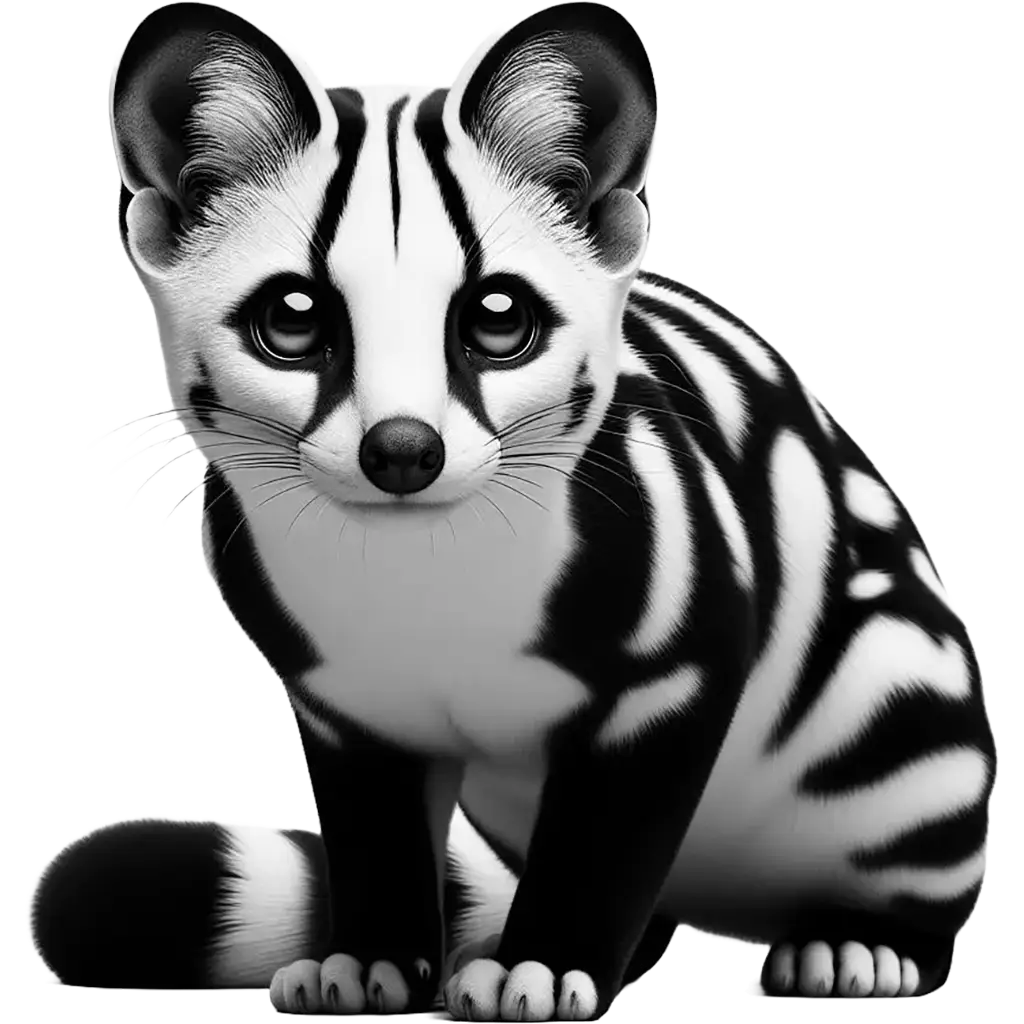
The Hausa Genet, Genetta thierryi, is a small, elusive carnivore native to West Africa, with its range extending from Senegal to Nigeria. This species is one of the lesser-known members of the Viverridae family, which includes genets and civets. Adult Hausa Genets typically measure between 40 to 46 centimeters (15.7

The Jaguar, panthera onca, is the largest cat in the Americas and the third-largest feline in the world, after tigers and lions. Known for its powerful build, the Jaguar has a broad head, muscular limbs, and a robust body that enables it to excel in climbing, swimming, and crawling through

The Javan Rhinoceros, rhinoceros sondaicus, is one of the world's rarest large mammals, a relic of the past that now teeters on the brink of extinction. This solitary, elusive creature is characterized by its grey, armor-like skin and a single horn that grows up to about 25 cm in length,

The Kinkajou, potos flavus, is a small, nocturnal mammal native to the rainforests of Central and South America. Often mistaken for a primate, the Kinkajou is actually part of the Procyonidae family, which includes raccoons and coatis. This elusive creature has a dense, woolly coat that ranges in color from