
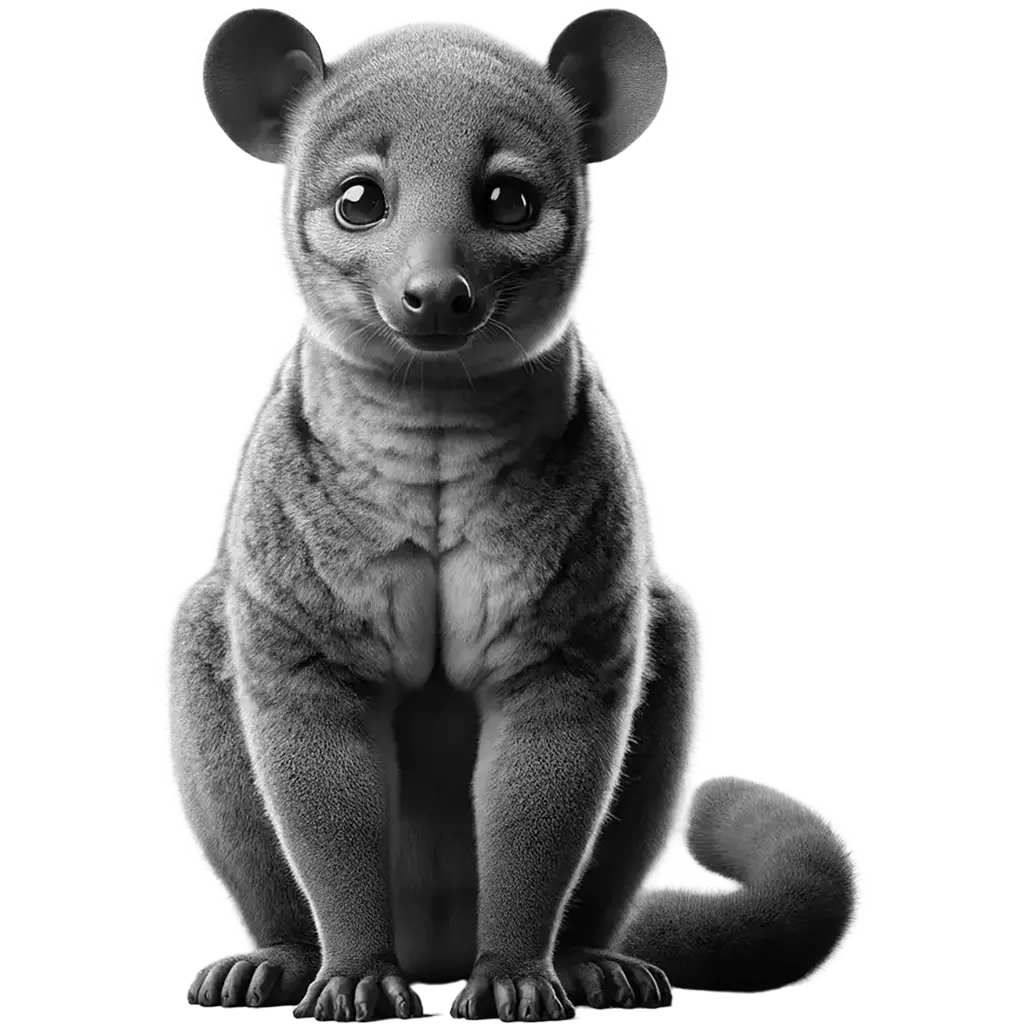
Potos Flavus
Kinkajou
Tropical rainforests, from the canopy to the forest floor
The Kinkajou, potos flavus, is a small, nocturnal mammal native to the rainforests of Central and South America. Often mistaken for a primate, the Kinkajou is actually part of the Procyonidae family, which includes raccoons and coatis. This elusive creature has a dense, woolly coat that ranges in color from honey to brown, aiding in camouflage within the forest canopy. Adult Kinkajous typically weigh between 1.4 to 4.6 kg (3 to 10 pounds) and measure about 40 to 60 cm (16 to 24 inches) in length, not including their prehensile tail, which can be as long as their body and acts as a fifth limb for navigating the treetops.
| Population: | Listed as Least Concern but facing threats from habitat destruction and the pet trade |
| Generation Length: | 5-7 years |
| Average Weight: | 1.4-4.6 kg |
| Average Length: | 40-60 cm in body length, with a prehensile tail of similar length |
| Lifespan: | 20-25 years in the wild, up to 40 years in captivity |
| Diet: | Primarily frugivorous, supplemented with insects, honey, and small animals |
| Conservation Status: | Least Concern (LC) |
Kinkajous are arboreal and possess several adaptations for their life in the trees, including flexible ankles that can rotate 180 degrees, allowing them to run backward as easily as they run forward. They have a frugivorous diet, primarily consuming fruits, which makes them important seed dispersers in their ecosystem. However, they also eat flowers, nectar, and occasionally small insects and birds.
The Kinkajou's social behavior is characterized by its solitary or small group living arrangements. They are highly vocal, using a variety of sounds to communicate with one another, and have a keen sense of smell. Despite their nocturnal nature, Kinkajous are known for their playful and docile disposition when in contact with humans, though they can become aggressive if they feel threatened.
Reproduction in Kinkajous is not seasonal, and females can give birth to one or two offspring at any time of the year after a gestation period of about 98 to 120 days. The young are born blind and helpless, depending on their mother for nourishment and protection until they are able to fend for themselves. The maternal bond is strong, with offspring often staying with their mothers for several months.
The population of the Kinkajou is currently classified as Least Concern by the IUCN, indicating a stable population across its range. However, they face threats from habitat destruction and the pet trade. Conservation efforts focus on protecting their natural habitats and regulating trade to ensure the Kinkajou's survival in the wild. Their role in pollination and seed dispersal highlights the importance of preserving these unique creatures for the health of their rainforest ecosystems.
Classifications
The Key Attributes
Features
- Movement:
Climbing, walking
- Territorial Behavior:
Solitary or small family groups
- Speed:
Not specifically quantified; agile in trees
- Diet:
Omnivore, with a preference for fruits
- Physical Features:
- Dense, woolly fur that is golden brown
- Long, prehensile tail used for grasping branches
- Small, rounded ears and large eyes adapted for nocturnal life
- Short legs with sharp claws for climbing
- Primary Senses:
- Sight
- Hearing
- Smell
Understanding Habitat and Range
Geography
- Habitat:
Tropical rainforests, from the canopy to the forest floor
- Migration Patterns:
Non-migratory
- Geographical Range:
Found from southern Mexico through Central America to the Amazon basin in South America
- Climate Preferences:
Prefers humid, tropical climates
Navigating the Wilderness
In the wild
- Predators:
Large birds of prey, snakes, and wild cats
- Prey:
Fruits, insects, and small vertebrates
- Feeding Behavior:
Nocturnal feeder, primarily on fruits, but also consumes flowers, leaves, and small animals
- Diet:
Primarily frugivorous, supplemented with insects, honey, and small animals
- Defensive Mechanisms:
- Camouflage
- Agility in trees
- Solitary and nocturnal habits reduce predation risk
- Preferred Food Sources:
- A wide variety of tropical fruits
- Nectar and flowers
Insights Into Reproduction
Mating
- Mating System:
Polygynous
- Number of Offspring:
Typically one offspring
- Gestation Period:
Around 112-118 days
- Parental Involvement:
- Females primarily care for the young, with little to no involvement from males
Youngsters Section
Kinkajou
Fun Fact
Kinkajous are nocturnal mammals with prehensile tails, native to Central and South American rainforests.
Despite their bear-like appearance, kinkajous are more closely related to raccoons. They have a unique, long tongue that helps them extract nectar from flowers, making them important pollinators in their ecosystem. Their playful and curious nature has earned them the nickname "honey bear."

Download word search puzzles
Word Search Puzzles


Check Out Other Mammals
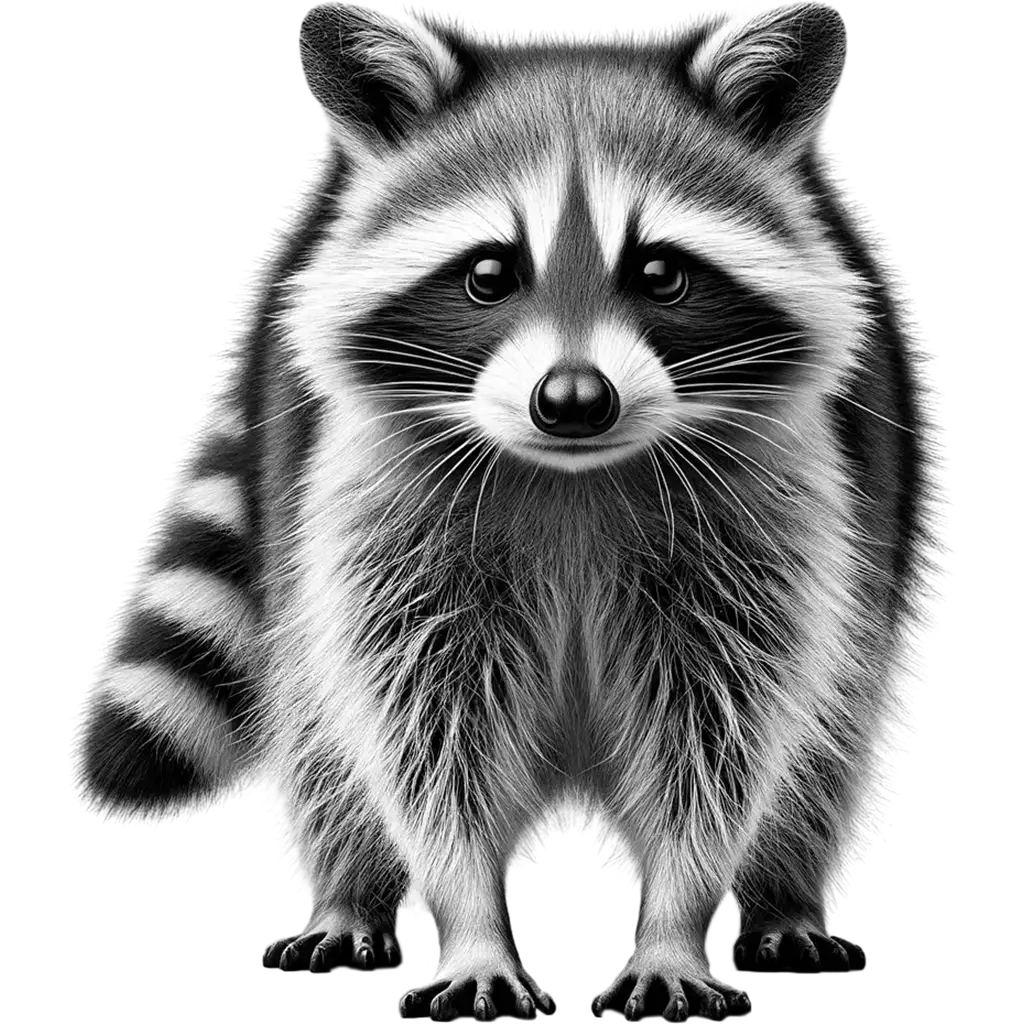
The Raccoon, procyon lotor, is a medium-sized mammal known for its distinctive black mask across the eyes and bushy tail with anywhere from four to ten black rings. Adults typically weigh between 5 to 20 kg, with a body length ranging from 40 to 70 cm, plus a 20 to

The Baird's Tapir, tapirus bairdii, is the largest indigenous mammal in Central America and the third-largest land mammal in South America. Characterized by its distinctive prehensile snout, similar to a shortened elephant's trunk, this tapir stands about 1 to 1.2 meters tall at the shoulder and can weigh between 150
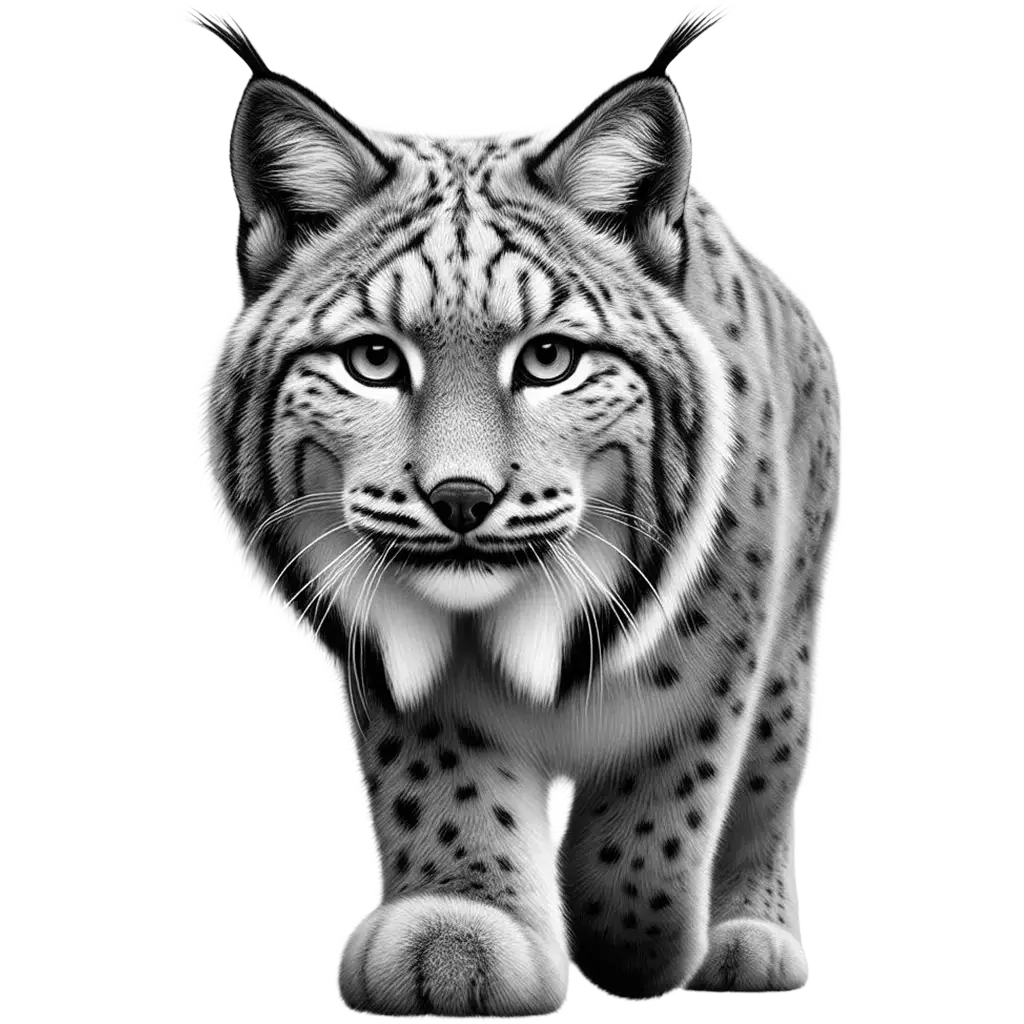
The Canada lynx, lynx canadensis, is a medium-sized wildcat native to North America, primarily found in the boreal forests of Canada and Alaska, with smaller populations extending into the northern United States. Characterized by its thick fur, prominent ear tufts, and large, padded paws that act as natural snowshoes, the
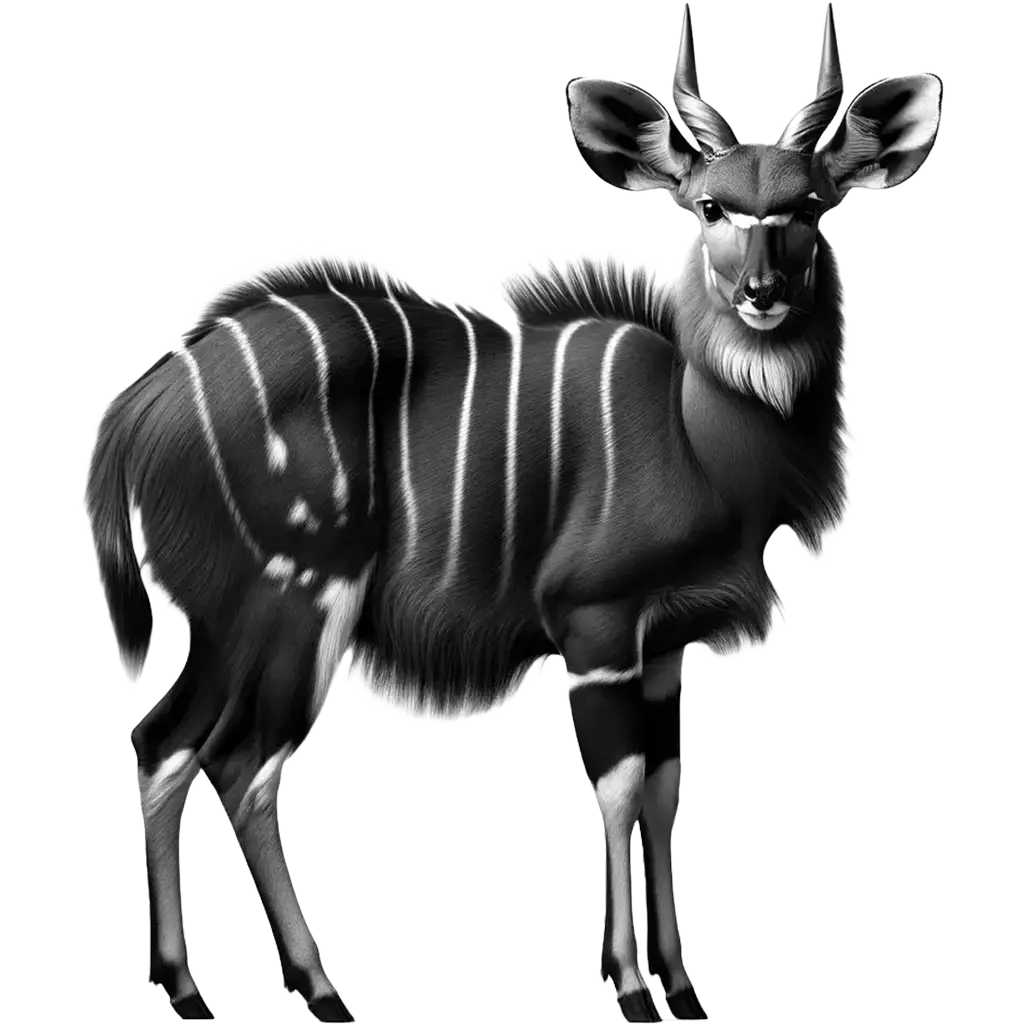
The Nyala, tragelaphus angasii, is a graceful and medium-sized antelope native to the southern regions of Africa. Characterized by its striking sexual dimorphism, males and females exhibit significantly different appearances. Males are larger, with a dark grey-brown coat adorned with faint vertical white stripes and a long, shaggy mane on