
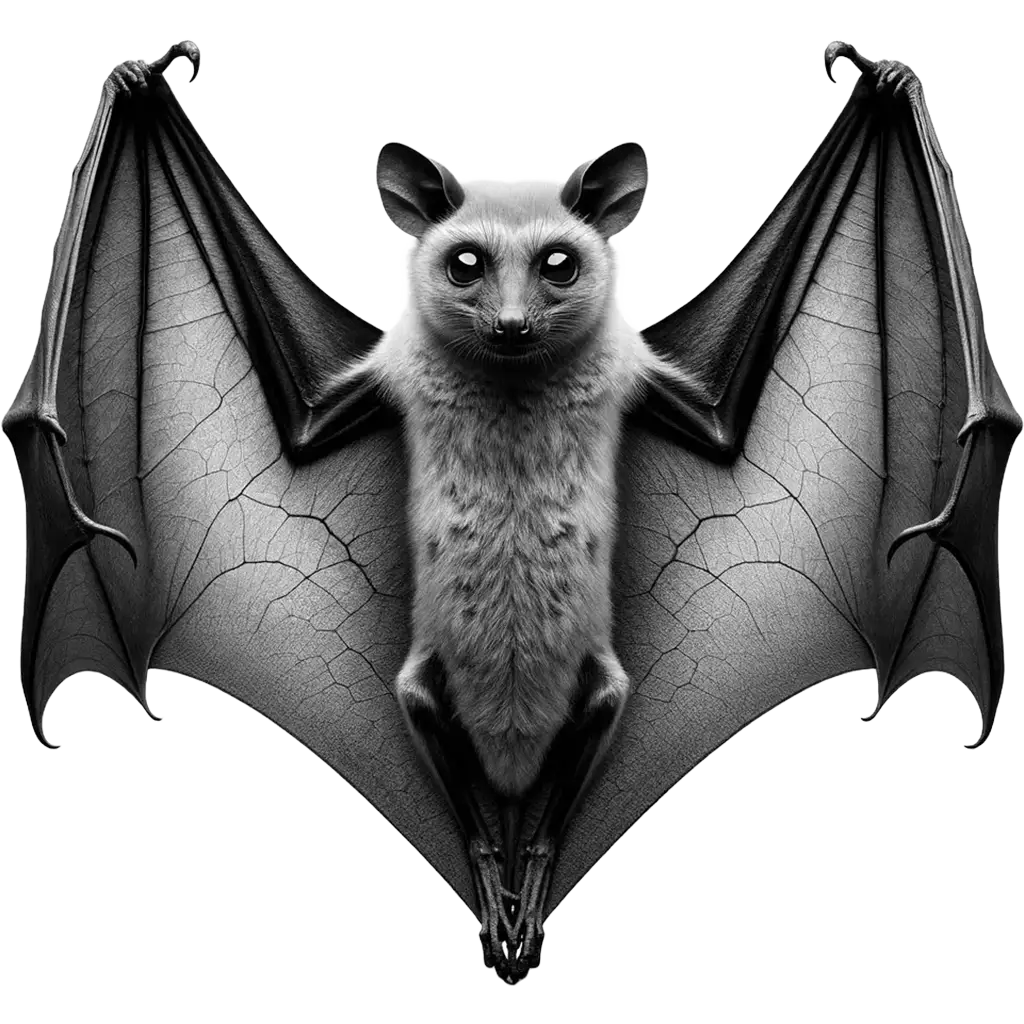
Pteropus Vampyrus
Large Flying Fox
Tropical forests, mangroves, swamps, and bamboo groves
The Large Flying Fox, pteropus vampyrus, stands out as one of the largest species of bats, with a wingspan reaching up to 1.5 meters (5 feet). This impressive mammal features a long snout similar to that of a dog, large eyes, and prominent ears, distinguishing it from other bat species. Its coat is a beautiful combination of black, brown, and red hues, providing camouflage in the dense forests and mangroves it inhabits. Despite its name, the Large Flying Fox feeds primarily on fruit, making it a crucial species for seed dispersal in its ecosystem.
| Population: | Listed as Near Threatened due to habitat loss and hunting |
| Generation Length: | 5-6 years |
| Average Weight: | 0.65-1.1 kg |
| Average Length: | Wingspan: up to 1.5 meters; Body length: 27-32 cm |
| Lifespan: | Up to 15-20 years in the wild |
| Diet: | Frugivorous, with a preference for figs and other tropical fruits |
| Conservation Status: | Endangered (EN) |
Native to the forests and coastal areas of Southeast Asia and parts of the Indian subcontinent, the Large Flying Fox is a keystone species in its habitat. It plays a vital role in pollination and seed dispersal, contributing to the health and regeneration of tropical forests. These bats are highly social animals, forming large colonies that roost in the treetops during the day. At night, they embark on long flights to forage for food, covering considerable distances in search of fruit.
The diet of the Large Flying Fox consists mainly of fruit, nectar, and flowers. They have a particular preference for figs, mangoes, and other tropical fruits, which they locate using their keen sense of smell. By consuming fruit and carrying seeds away from the parent tree, they facilitate the spread of numerous plant species, aiding in forest regeneration and biodiversity.
Reproduction in the Large Flying Fox occurs once or twice a year, with females giving birth to a single offspring after a gestation period of about four to six months. The young are born well-developed, with fur and open eyes, and are dependent on their mothers for several months. During this time, they cling to their mothers while they forage until they are capable of flight and independent feeding.
The population of the Large Flying Fox is currently classified as Near Threatened, facing significant threats from habitat destruction, hunting for food, and persecution due to their perceived threat to fruit crops. Conservation efforts are focused on habitat protection, legal protection, and public education to reduce hunting and culling. The survival of this species is critical for the maintenance of healthy forest ecosystems in their range.
Classifications
The Key Attributes
Features
- Movement:
Flying
- Territorial Behavior:
Highly social, roosts in large colonies
- Speed:
Not specifically quantified; known for long-distance flight capabilities
- Diet:
Herbivore
- Physical Features:
- Large size among bats
- Long snout resembling that of a fox
- Dark brown to black fur
- Large eyes and pointed ears
- Robust wings for sustained flight
- Primary Senses:
- Sight
- Smell
Understanding Habitat and Range
Geography
- Habitat:
Tropical forests, mangroves, swamps, and bamboo groves
- Migration Patterns:
Non-migratory, but may travel great distances in search of food
- Geographical Range:
Southeast Asia, including the Malay Peninsula, Sumatra, Borneo, and the Philippines
- Climate Preferences:
Tropical climates
Navigating the Wilderness
In the wild
- Predators:
Humans are the primary threat; may also be preyed upon by large birds of prey and snakes in some areas
- Prey:
Fruits, nectar, and flowers
- Feeding Behavior:
Feeds primarily on fruits, especially figs, and occasionally nectar and flowers
- Diet:
Frugivorous, with a preference for figs and other tropical fruits
- Defensive Mechanisms:
- Flight to escape predators
- Roosting in large colonies to reduce individual predation risk
- Preferred Food Sources:
- Areas with abundant fruit-bearing trees and plants
Insights Into Reproduction
Mating
- Mating System:
Polygynous
- Number of Offspring:
Usually one pup
- Gestation Period:
About 5 months
- Parental Involvement:
- Females care for their young, carrying them during flight until they are independent
Youngsters Section
Large Flying Fox
Fun Fact
The large flying fox is one of the largest bat species, with a wingspan up to 5.6 feet.
Unlike many bats, they don't use echolocation. They rely on keen eyesight and a strong sense of smell to find food. These fruit bats primarily consume fruits and nectar, playing a crucial role in pollination and seed dispersal in their habitats.

Download word search puzzles
Word Search Puzzles
Check Out Other Mammals
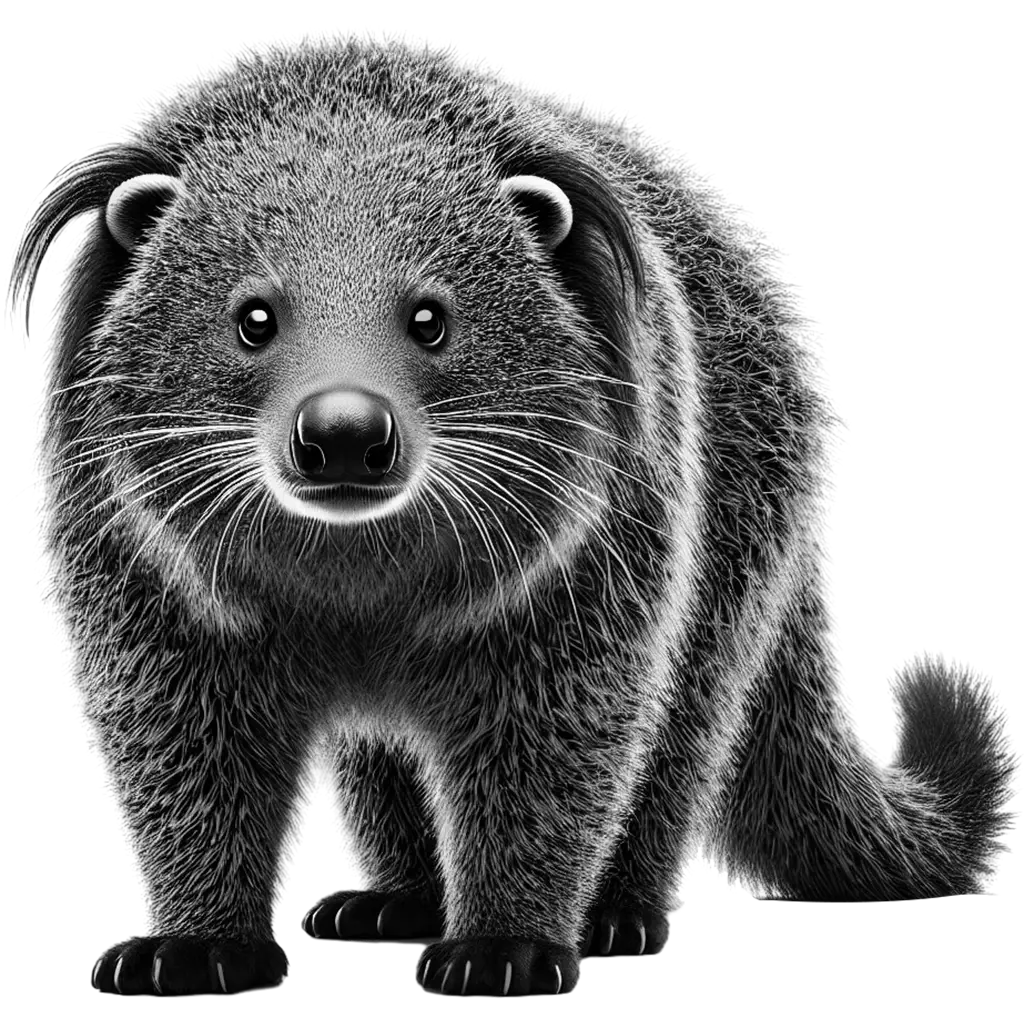
The binturong is a large, bearcat-like mammal with a shaggy, dark fur coat and a long, prehensile tail nearly as long as its body. Its robust build is complemented by expressive round ears and a broad, flat face accented by prominent whiskers. The animal's eyes are soulful and reflective, adding

The Tayra, eira barbara, is a versatile and adaptable member of the weasel family, notable for its slender body, elongated head, and bushy tail. Adult Tayras can reach lengths of 60 to 70 cm, not including their tail, which adds an additional 37 to 46 cm, and they weigh between
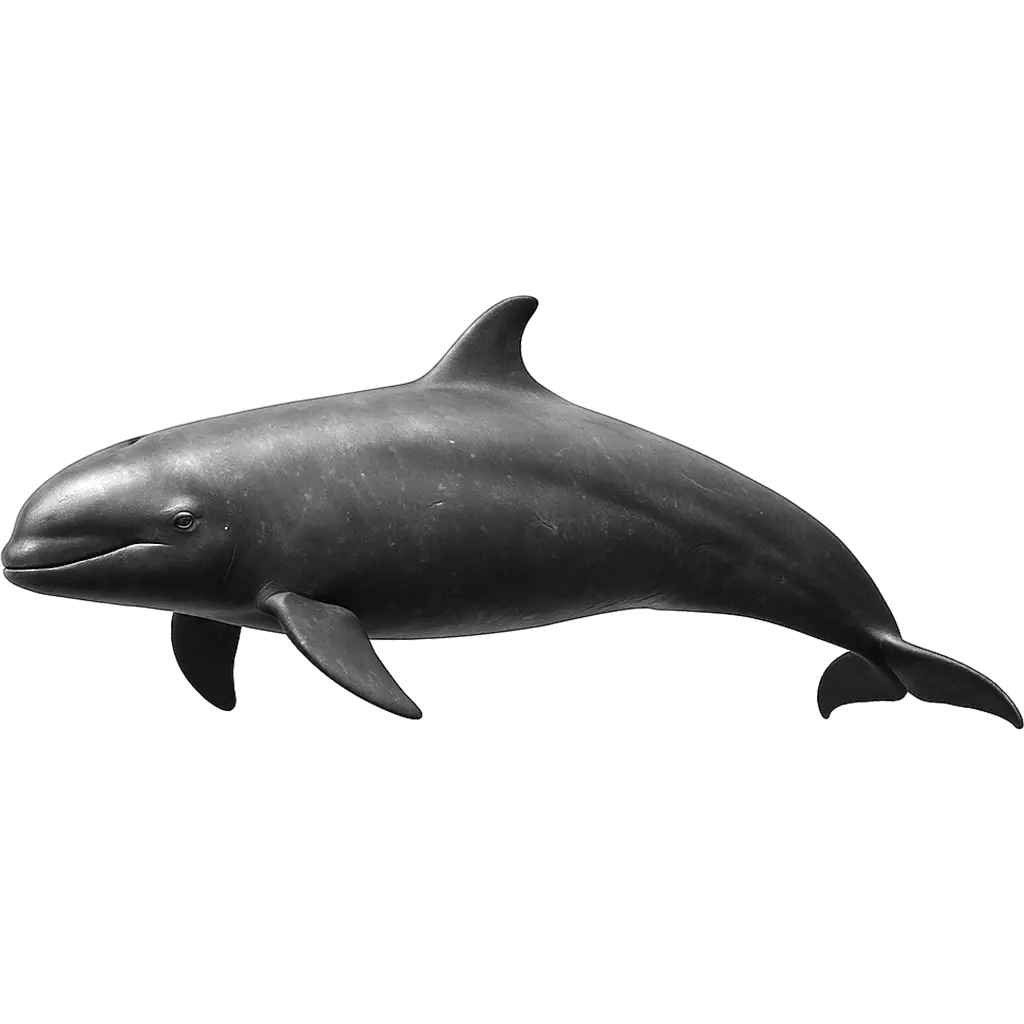
The False Killer Whale exhibits a sleek, robust body with a dark, uniform coloration that ranges from deep gray to nearly black. Its streamlined form and powerful flippers enable graceful, efficient movement through the ocean. A prominent dorsal fin and a tapered head add to its striking appearance, while the

The Chihuahua is a small dog breed with a big personality, known for its compact size and confident demeanor. Originating from Mexico, this breed is named after the Mexican state of Chihuahua. Adult Chihuahuas typically weigh between 2 to 6 pounds and stand about 6 to 9 inches tall at