
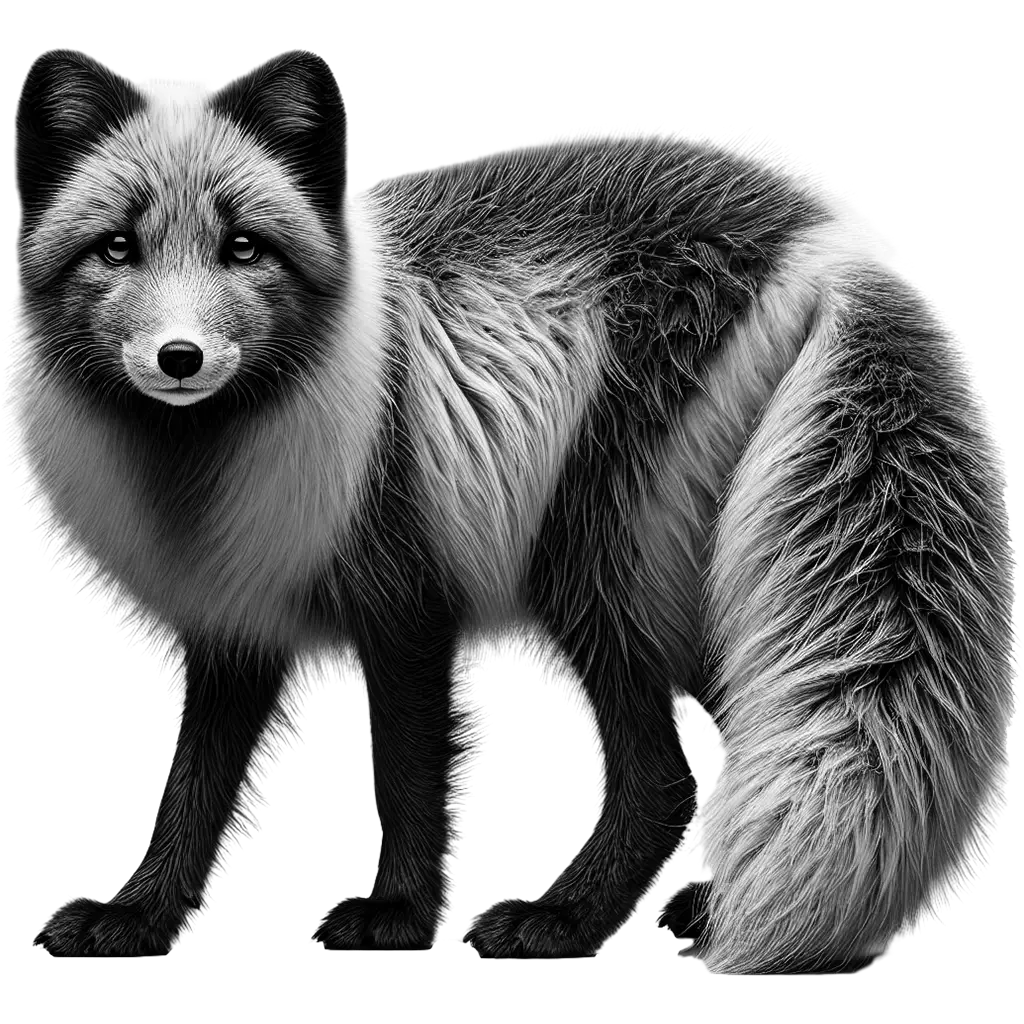
Vulpes Lagopus
Arctic Fox
Tundra, coastal areas, and icy landscapes
The Arctic Fox is a small, highly adaptable mammal found in the frigid Arctic tundra. Its thick fur changes color with the seasons, appearing white in winter for camouflage against the snow and turning brown or gray in summer to blend in with the rocky landscape. It has a compact body with short legs, small rounded ears, and a bushy tail, all of which help conserve heat in extreme cold. Weighing between 3 and 9 kg and measuring up to 68 cm in length, this fox is built for survival in some of the harshest environments on Earth.
| Population: | Stable in most areas, but declining in some regions |
| Generation Length: | 3-4 years |
| Average Weight: | 3-9 kg |
| Average Length: | 46-68 cm (body), 30-40 cm (tail) |
| Lifespan: | 3-6 years in the wild, up to 14 years in captivity |
| Diet: | Omnivorous, consuming both animal and plant matter |
| Conservation Status: | Least Concern (LC) |
Arctic Foxes are highly resourceful and capable of surviving in extreme climates where temperatures drop as low as -50°C. They are territorial but will share dens in particularly harsh conditions. During winter, when food is scarce, they often follow larger predators like polar bears to scavenge leftovers. Their thick fur and specialized paws, which act as insulation against the cold ground, allow them to thrive in icy landscapes.
This fox is an opportunistic omnivore, with a diet primarily consisting of lemmings, voles, birds, and fish. When prey is abundant, they will bury food in the snow for later consumption. They are also known to feed on berries and seaweed when other food sources are scarce. In coastal areas, they scavenge on seal carcasses left behind by polar bears. Their excellent sense of hearing allows them to detect prey moving beneath the snow, and they use a characteristic pounce to break through the surface and catch their meal.
Mating occurs in the early spring, and Arctic Foxes are monogamous, often forming lifelong pairs. The female gives birth to 5-14 pups after a gestation period of about 50 days. Both parents actively participate in raising the young, providing food and protection. Pups are weaned after a few weeks but remain in the den until they are strong enough to venture outside. The family unit stays together throughout the summer before the young disperse in search of their own territories.
The overall Arctic Fox population is stable, but certain regions face declines due to climate change, which affects prey availability and increases competition from red foxes moving northward. Some populations are also threatened by hunting and trapping for their thick, valuable fur. Conservation efforts focus on monitoring population trends and mitigating the effects of climate change to preserve their habitat and food sources.
Classifications
The Key Attributes
Features
- Movement:
Quadrupedal
- Territorial Behavior:
Territorial but may share dens
- Speed:
Can run up to 50 km/h
- Diet:
Omnivore
- Physical Features:
- Thick fur that changes color seasonally
- Compact body to minimize heat loss
- Bushy tail for warmth
- Small rounded ears
- Primary Senses:
- Hearing
- Smell
- Sight
Understanding Habitat and Range
Geography
- Habitat:
Tundra, coastal areas, and icy landscapes
- Migration Patterns:
May travel long distances in search of food
- Geographical Range:
Arctic regions of North America, Europe, and Asia
- Climate Preferences:
Cold, polar climates
Navigating the Wilderness
In the wild
- Predators:
Polar bears, red foxes, wolves, eagles
- Prey:
Lemmings, voles, birds, carrion
- Feeding Behavior:
Scavenges and hunts small prey
- Diet:
Omnivorous, consuming both animal and plant matter
- Defensive Mechanisms:
- Camouflage through seasonal fur changes
- Hiding in dens
- Quick, agile running
- Preferred Food Sources:
- Lemmings
- Birds
- Fish
- Seal carcasses
Insights Into Reproduction
Mating
- Mating System:
Monogamous
- Number of Offspring:
5-14 pups per litter
- Gestation Period:
49-57 days
- Parental Involvement:
- Both parents raise and protect the young
Youngsters Section
Arctic Fox
Fun Fact
Arctic Foxes can survive temperatures as low as -50°C thanks to their thick fur and compact body.
They have one of the warmest coats of any animal, allowing them to curl up in the snow and stay insulated even in blizzards. Their fur also changes color with the seasons, providing extra camouflage in both winter snow and summer tundra.

Download word search puzzles
Word Search Puzzles

Check Out Other Mammals
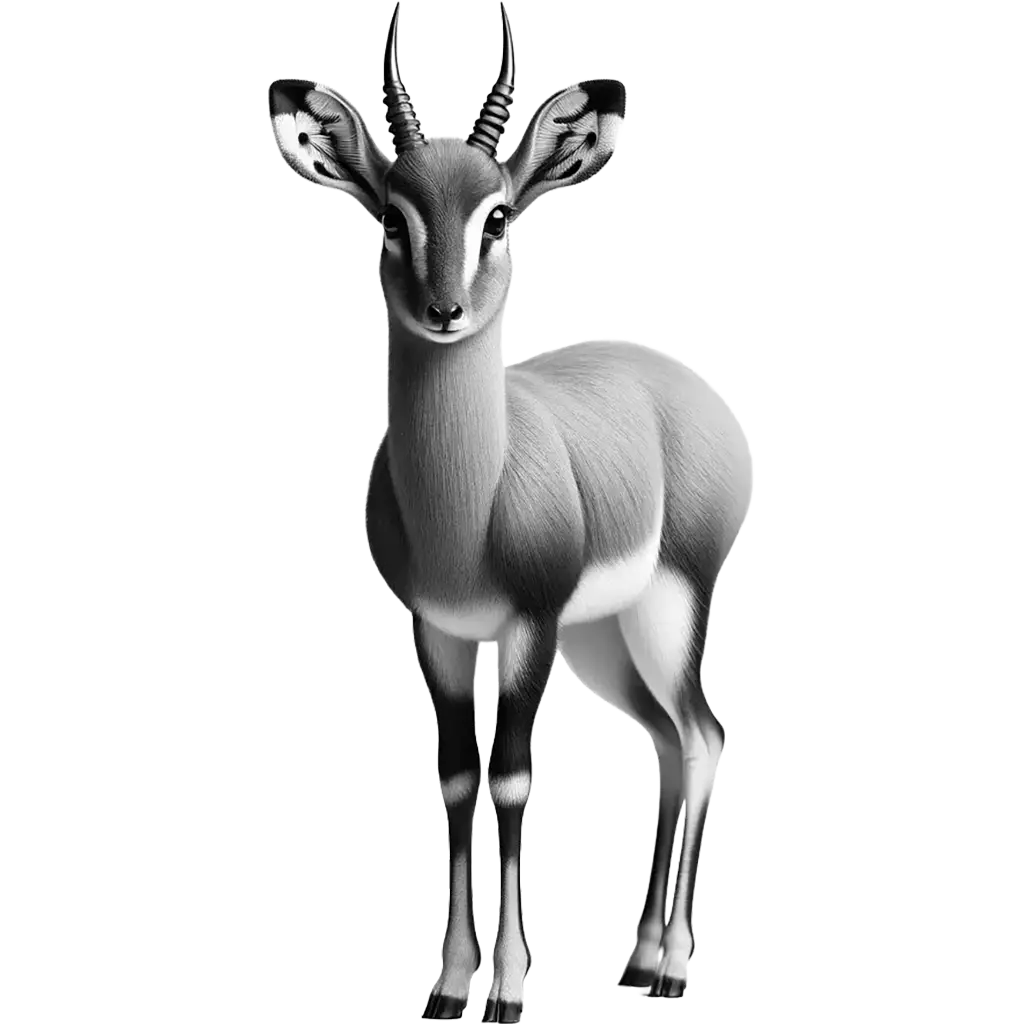
The Oribi, ourebia ourebi, is a small, elegant antelope found in the grasslands and savannas of sub-Saharan Africa. Standing approximately 50 to 68 cm (20 to 27 inches) at the shoulder and weighing between 12 to 22 kg (26 to 48 lbs), the Oribi exhibits a slender build, with a
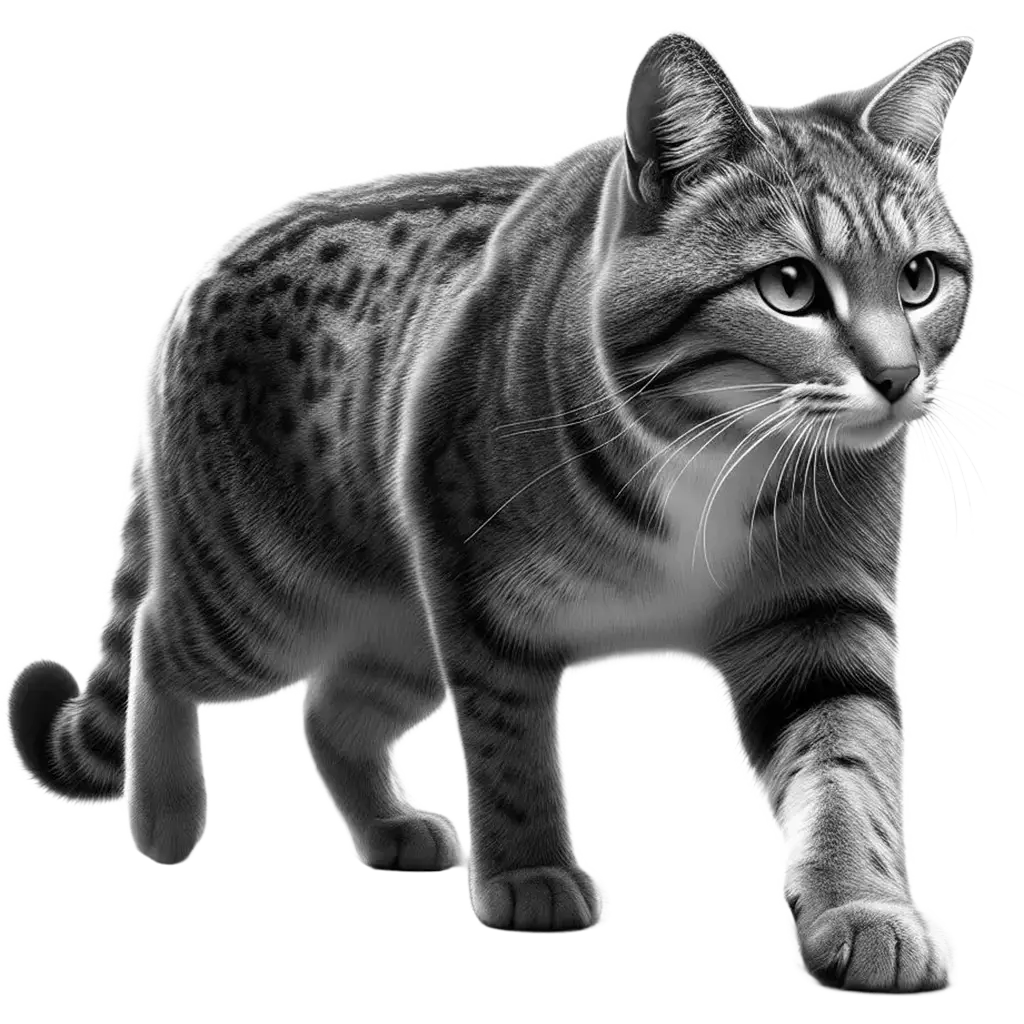
The Domestic Cat, felis catus, is a small, carnivorous mammal that has lived alongside humans for thousands of years, evolving into a diverse array of breeds, colors, and patterns. Typically, these animals have a lithe and agile body, sharp retractable claws, and keen senses, especially their vision and hearing. Domestic
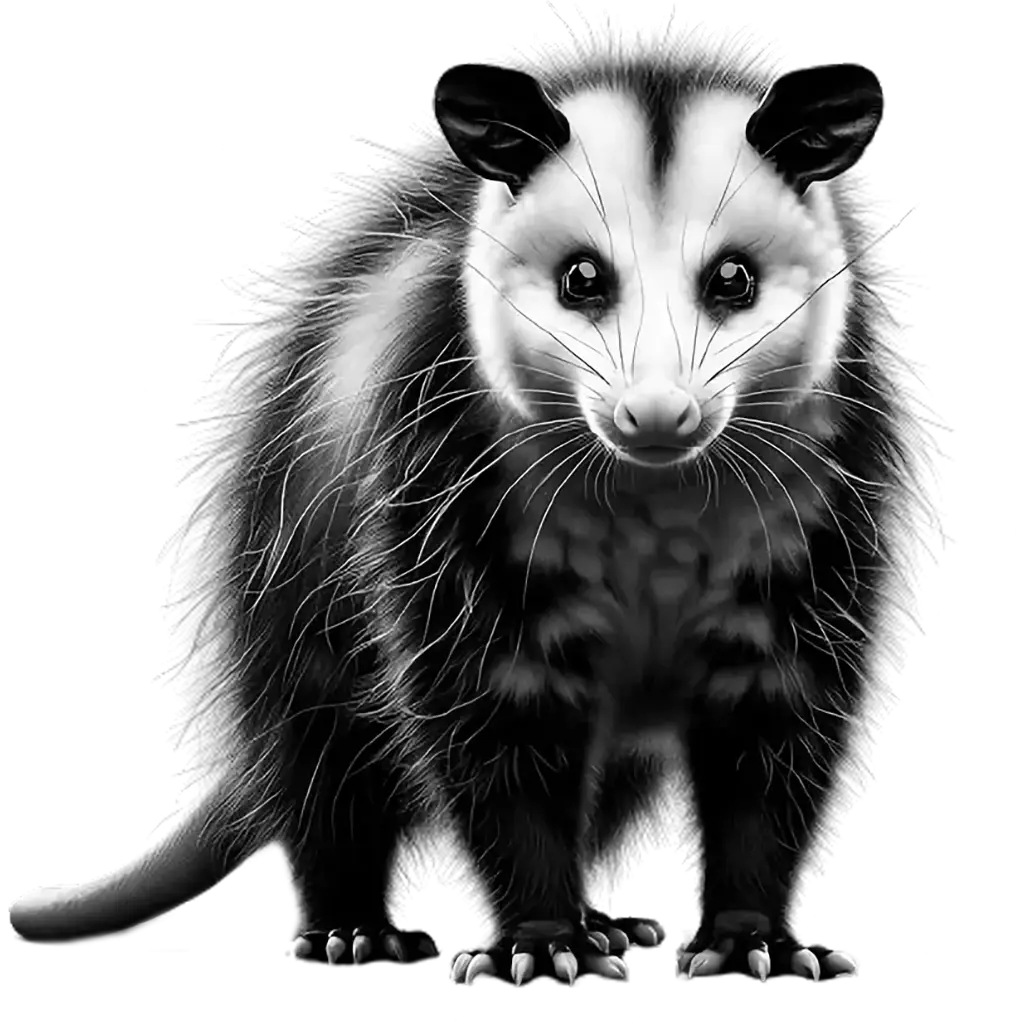
The Virginia Opossum, didelphis virginiana, is North America's only marsupial, recognized for its distinctive appearance and adaptability to diverse environments. Adults typically measure 65 to 94 cm in length, including their prehensile tail, which accounts for almost half their body length and is used for grasping and balance. Their coat
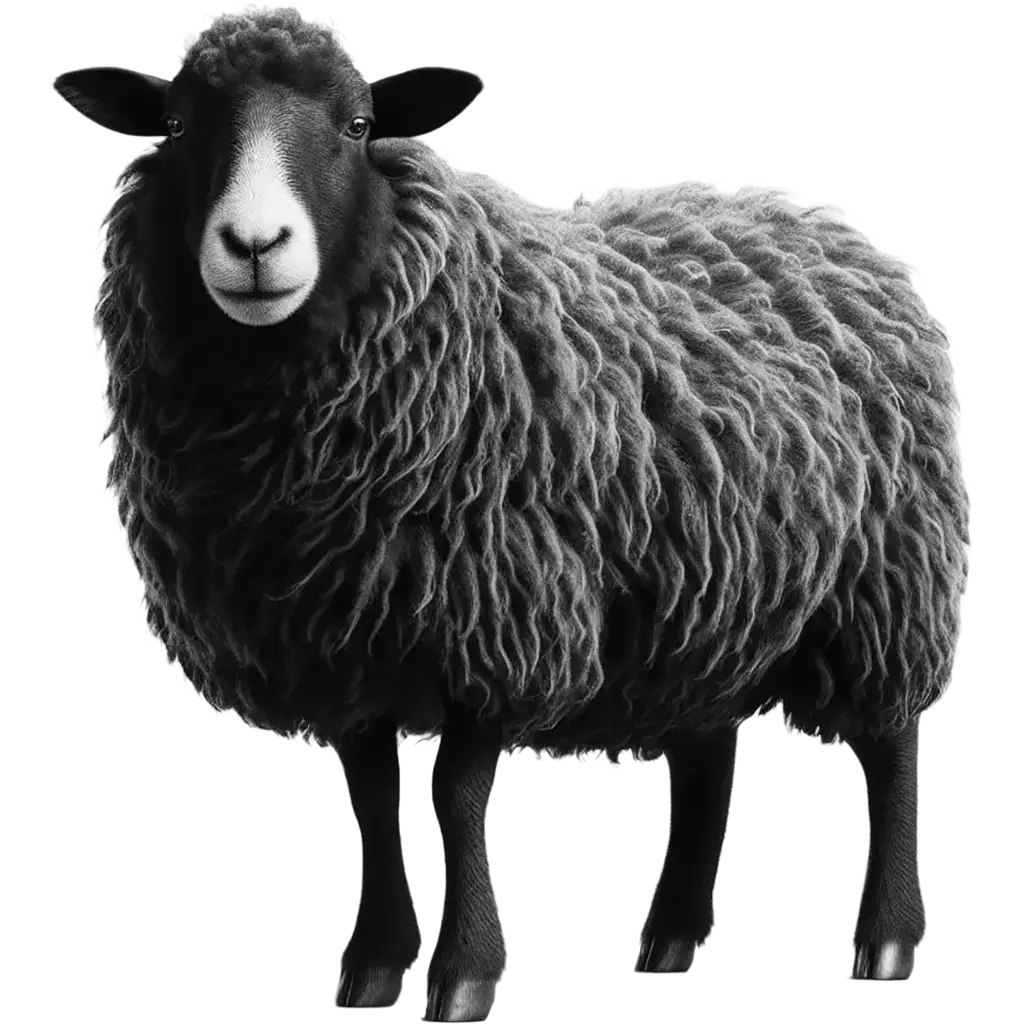
The Leicester Longwool, also known as the English leicester, is a historic breed of sheep renowned for its long, lustrous wool and its significant impact on the wool industry. Originating from Leicestershire, England, in the 18th century, this breed was developed by the pioneering breeder Robert Bakewell during the British