

Canis Lupus
Mastiff Dog
Domestic, adaptable to various living environments
The Mastiff, known for its immense size and gentle demeanor, is one of the oldest and most majestic breeds of dogs. Characterized by a massive head, broad skull, and a well-defined stop, the Mastiff's appearance exudes power and nobility. Their coat, which can be fawn, apricot, or brindle, is complemented by a black mask that enhances their expressive, dark eyes. Adult males can stand at least 30 inches at the shoulder and weigh anywhere from 150 to 250 pounds, with females slightly smaller. Despite their formidable size, Mastiffs are known for their calm, affectionate nature, making them excellent family pets.
| Population: | Not endangered; popular in many countries |
| Generation Length: | 3-4 years |
| Average Weight: | 68-110 kg |
| Average Length: | Height at the shoulder: 70-91 cm |
| Lifespan: | 6-10 years |
| Diet: | Commercially prepared dog food, tailored to large breed requirements |
| Conservation Status: | Not Evaluated (NE) |
Mastiffs are naturally protective and loyal to their families, often forming strong bonds with children. They are happiest when included in family activities, showcasing a preference for companionship over solitude. Despite their size, they are well-suited to both house living and country settings, provided they have space to stretch and exercise. Their protective instincts make them vigilant guardians, yet they approach strangers with a dignified reserve rather than aggression.
The diet of a Mastiff should be carefully managed to support their large frame and prevent obesity, which can contribute to health issues such as hip dysplasia and cardiac problems. High-quality, age-appropriate food served in controlled portions is essential, along with regular vet check-ups to monitor their health. Exercise is important to maintain their muscle tone and overall health, but it should be moderated to avoid stress on their joints.
Reproduction in Mastiffs, like other large breeds, requires careful consideration of health and genetics. Females can give birth to litters ranging from 2 to 10 puppies, with the average being around 8. Early socialization and training are crucial for puppies to grow into well-mannered adults, given their eventual size and strength.
The population of Mastiffs is stable, with a dedicated community of breeders and enthusiasts committed to preserving their health and temperament. As a breed, they face challenges related to their size, including a relatively short lifespan of 6 to 10 years. Responsible breeding practices, focusing on health and temperament, are crucial for the continued well-being of this noble breed. Their presence in homes as loving companions underscores the importance of matching them with owners who appreciate their size and can meet their needs for care, space, and companionship.
Classifications
The Key Attributes
Features
- Movement:
Walking, running
- Territorial Behavior:
Protective of its family and territory
- Speed:
Not known for speed; more valued for strength and endurance
- Diet:
Omnivore
- Physical Features:
- Large and powerful body
- Broad head with a short muzzle
- Dense and short coat
- Well-muscled, with a heavy bone structure
- Primary Senses:
- Sight
- Hearing
- Smell
Understanding Habitat and Range
Geography
- Habitat:
Domestic, adaptable to various living environments
- Migration Patterns:
Non-applicable
- Geographical Range:
Originally from England, now found worldwide
- Climate Preferences:
Can adapt to various climates, but may struggle in extreme heat due to its size and coat
Navigating the Wilderness
In the wild
- Predators:
Not applicable in domestic settings
- Prey:
Not applicable
- Feeding Behavior:
Fed by owners; diet should be carefully managed to prevent obesity and health issues
- Diet:
Commercially prepared dog food, tailored to large breed requirements
- Defensive Mechanisms:
- Intimidating size and bark to deter intruders
- Loyalty and protectiveness towards its family
- Preferred Food Sources:
- High-quality commercial dog foods designed for large breeds with specific nutritional needs
Insights Into Reproduction
Mating
- Mating System:
Controlled breeding within domestic settings
- Number of Offspring:
Typically 4-8 puppies per litter
- Gestation Period:
Approximately 58-68 days
- Parental Involvement:
- Females nurse and care for the puppies with human assistance for health monitoring and socialization
Youngsters Section
Mastiff Dog
Fun Fact
Mastiffs are one of the oldest dog breeds, known for their massive size and protective nature.
Historically, Mastiffs were used as war dogs and guardians. They are gentle giants with a calm demeanor, making them excellent family pets. Despite their size, they are known for their loyalty and protective instincts, providing companionship and security to their owners.

Download word search puzzles
Word Search Puzzles


Check Out Other Mammals
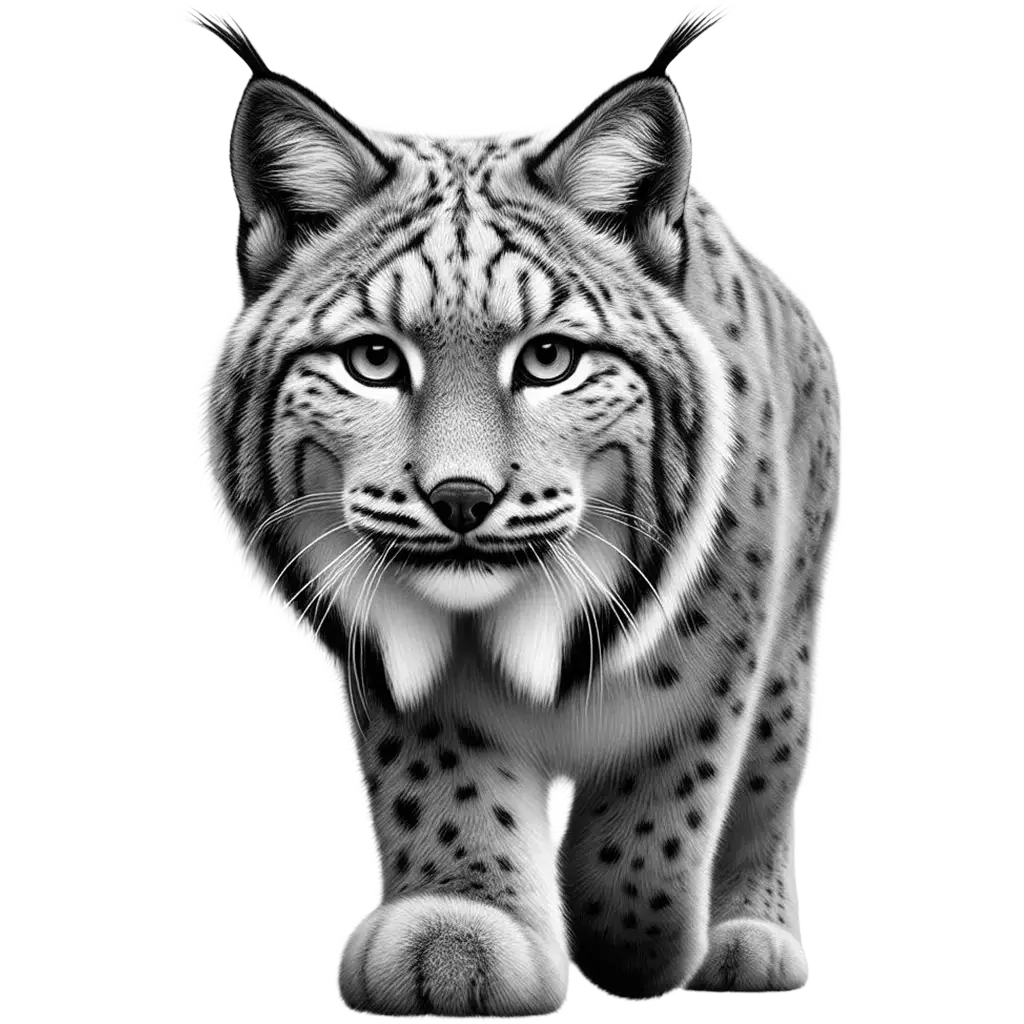
The Canada lynx, lynx canadensis, is a medium-sized wildcat native to North America, primarily found in the boreal forests of Canada and Alaska, with smaller populations extending into the northern United States. Characterized by its thick fur, prominent ear tufts, and large, padded paws that act as natural snowshoes, the
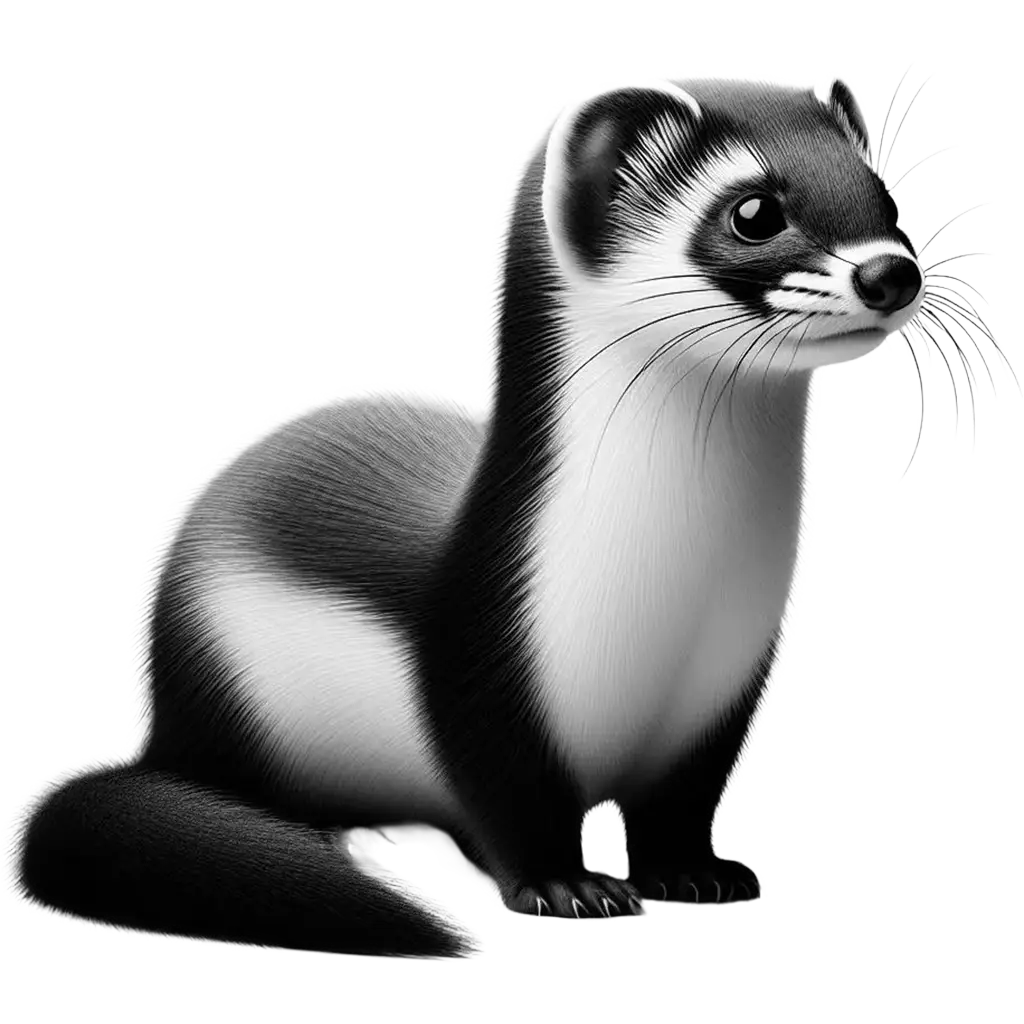
The Least Weasel, mustela nivalis, holds the distinction of being the smallest member of the Mustelidae family, which includes otters, badgers, and wolverines. Adults are remarkably diminutive, measuring only 11 to 26 cm in length, with a short tail of 1.2 to 3.4 cm, and weighing between 35 to 250
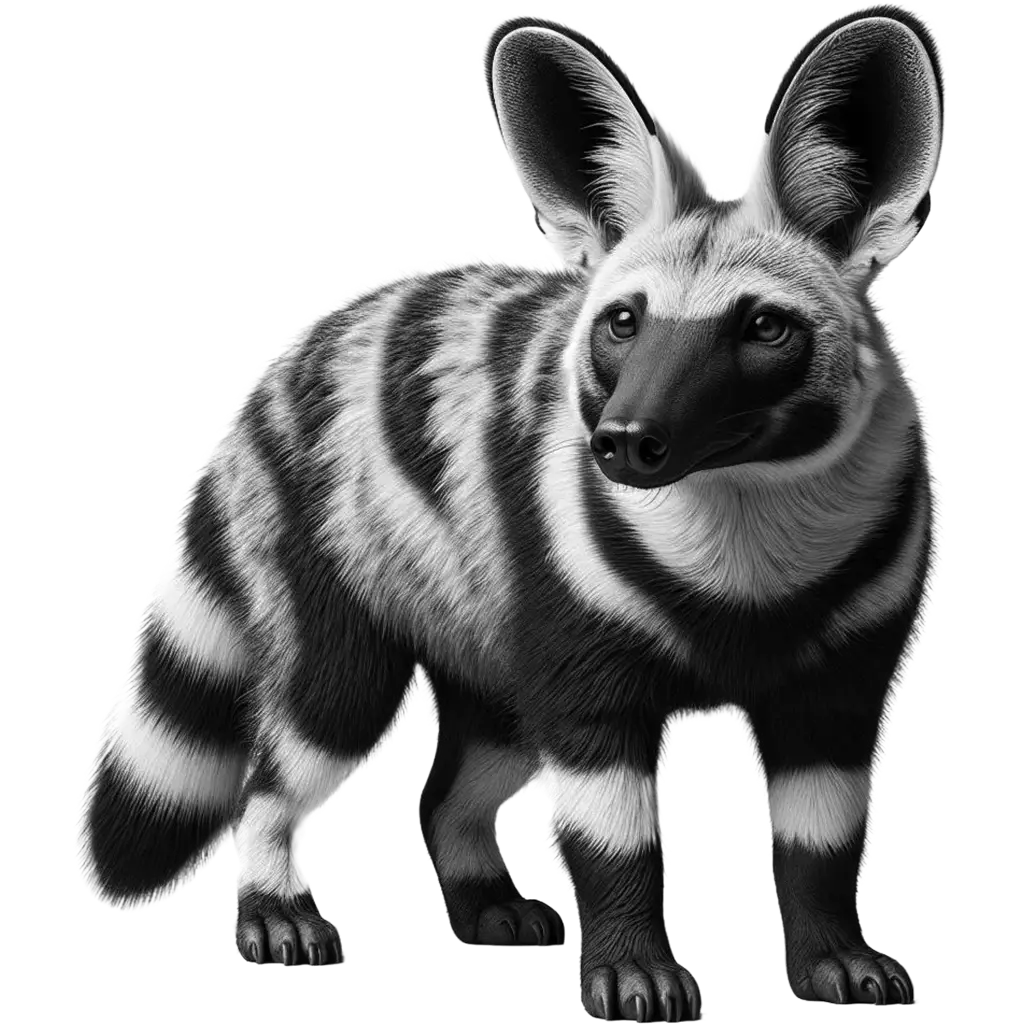
The Aardwolf, proteles cristatus, is a small, insectivorous mammal, distinct from its larger carnivorous relatives in the Hyaenidae family, such as hyenas. With a shoulder height of about 40 to 50 cm and weighing between 8 to 14 kg, the Aardwolf possesses a slender frame, covered in a coarse yellow-brown
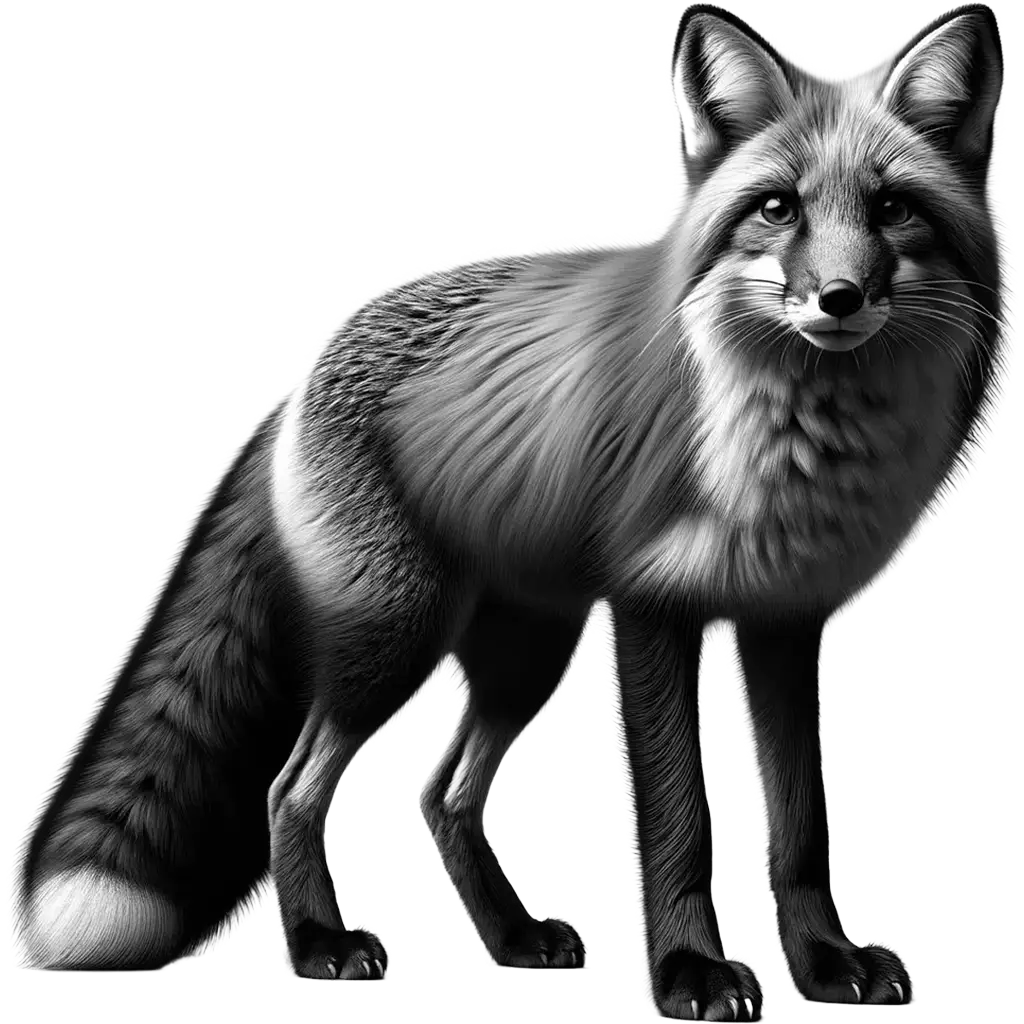
The Cascade Red Fox, vulpes vulpes cascadensis, is a rare and distinctive subspecies of the red fox that is native to the Cascade Range in the United States. This subspecies is characterized by its unique coloration, which ranges from a bright copper-red to a dark, almost black hue, and includes