
Panthera Pardus
Leopard
Diverse, including forests, savannas, mountains, and grasslands
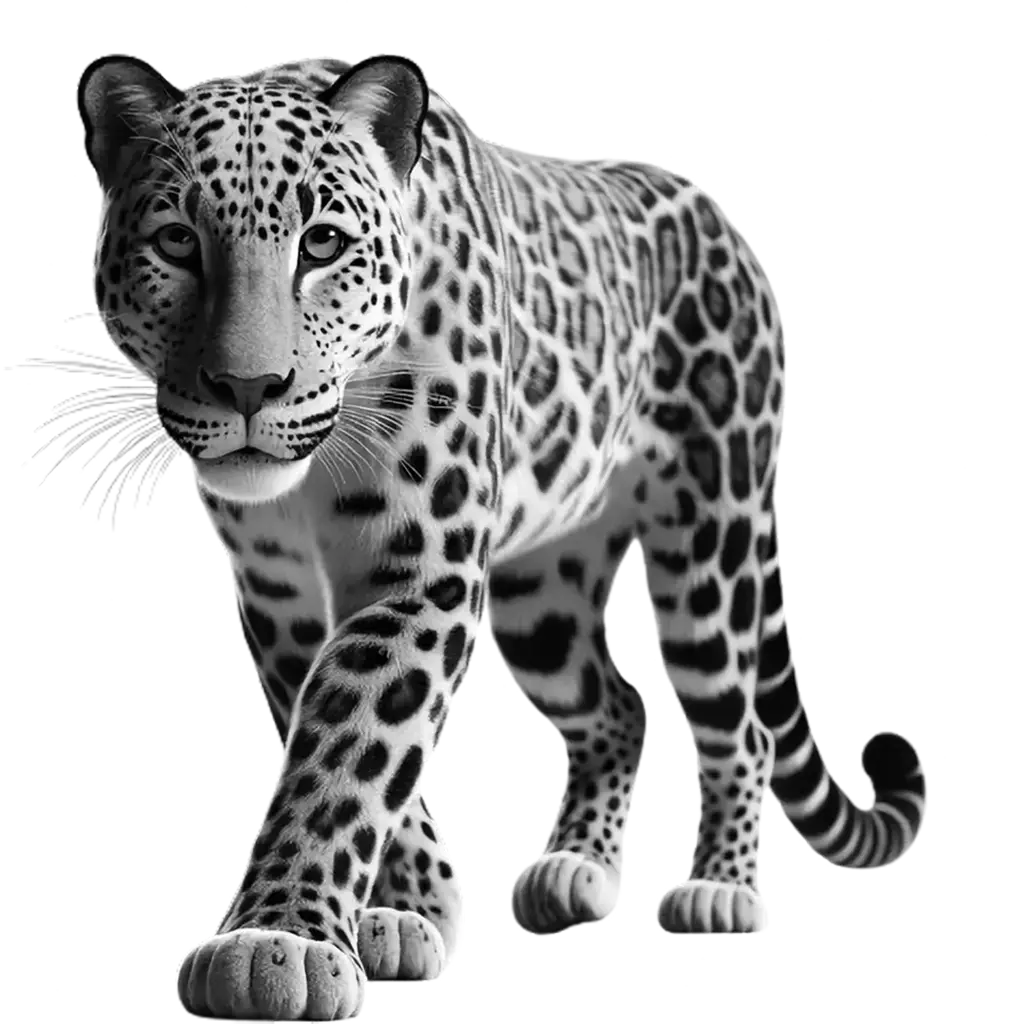
The Leopard, panthera pardus, is a member of the Felidae family and one of the five big cats in the genus Panthera. Known for its beautifully spotted fur, the Leopard has a graceful, powerful body, allowing it to adapt to a variety of habitats including forests, mountains, grasslands, and deserts across sub-Saharan Africa, northeast Africa, Central Asia, India, and China. Adults can weigh between 30 to 90 kilograms, with a body length of up to 190 centimeters, excluding the tail. Their coat, varying from pale yellow to deep gold or black in melanistic individuals, is covered in rosettes and spots that provide camouflage in their natural environment.
| Population: | Unknown, but listed as Vulnerable |
| Generation Length: | 10 years |
| Average Weight: | 60-70 kg (male), 30-40 kg (female) |
| Average Length: | 90-190 cm (body length), 60-110 cm (tail length) |
| Lifespan: | 12-17 years in the wild, up to 23 years in captivity |
| Diet: | Primarily medium-sized ungulates where available |
| Conservation Status: | Vulnerable (VU) |
Leopards are solitary and elusive creatures, with exceptional nocturnal habits that make them formidable predators. They are known for their strength and agility, capable of climbing trees even when carrying heavy prey and are able to swim effectively when needed. This adaptability extends to their diet, as they are opportunistic hunters, feeding on a wide range of prey including antelopes, deer, and smaller animals like rodents and birds.
The diet of the Leopard is varied, allowing it to thrive in many different environments and making it one of the most widespread of the big cats. They often drag their kills into trees to safeguard them from other predators and scavengers, showcasing their strength and strategic thinking. Leopards use stealth to get close to their prey, launching a quick and powerful attack at the last moment.
Reproduction in Leopards does not follow a strict season, and females can give birth at any time of the year after a gestation period of about 90 to 105 days. Litters consist of two to four cubs that are born blind and vulnerable, depending on their mother for food and protection. The cubs are introduced to meat at about three months old and may stay with their mother for up to two years before becoming independent.
The Leopard is classified as Vulnerable on the IUCN Red List due to habitat loss, fragmentation, and poaching for their pelts and body parts used in traditional medicine. Conservation efforts are focused on habitat protection, anti-poaching initiatives, and conflict mitigation between Leopards and humans. The Leopard's wide range and adaptability give hope for its persistence, yet targeted conservation strategies are essential to ensure its survival across its current range.
Classifications
The Key Attributes
Features
- Movement:
Quadrupedal, agile climbers
- Territorial Behavior:
Solitary, except during mating season or mothers with cubs
- Speed:
Up to 58 km/h (36 mph) in short bursts
- Diet:
Carnivore
- Physical Features:
- Golden, spotted coat
- Strong, muscular body
- Large skull with powerful jaw muscles
- Long tail for balance
- Primary Senses:
- Sight
- Hearing
- Smell
Understanding Habitat and Range
Geography
- Habitat:
Diverse, including forests, savannas, mountains, and grasslands
- Migration Patterns:
Non-migratory, but large home ranges require movement within territory
- Geographical Range:
Sub-Saharan Africa, Northeast Africa, Central Asia, India, and China
- Climate Preferences:
Adaptable to various climates, from tropical to cold mountainous regions
Navigating the Wilderness
In the wild
- Predators:
Humans (main threat), lions, and hyenas
- Prey:
Wide range including rodents, birds, fish, and medium-sized mammals like antelope
- Feeding Behavior:
Opportunistic hunter, active mainly at night
- Diet:
Primarily medium-sized ungulates where available
- Defensive Mechanisms:
- Climbing trees to escape threats or to store food away from scavengers
- Camouflage
- Stealth
- Preferred Food Sources:
- Antelopes
- Deer
- Wild pigs
Insights Into Reproduction
Mating
- Mating System:
Polygynous
- Number of Offspring:
2-4
- Gestation Period:
90-105 days
- Parental Involvement:
- Mother solely responsible for care until cubs are independent
- Teaching cubs to hunt and providing food
Youngsters Section
Leopard
Fun Fact
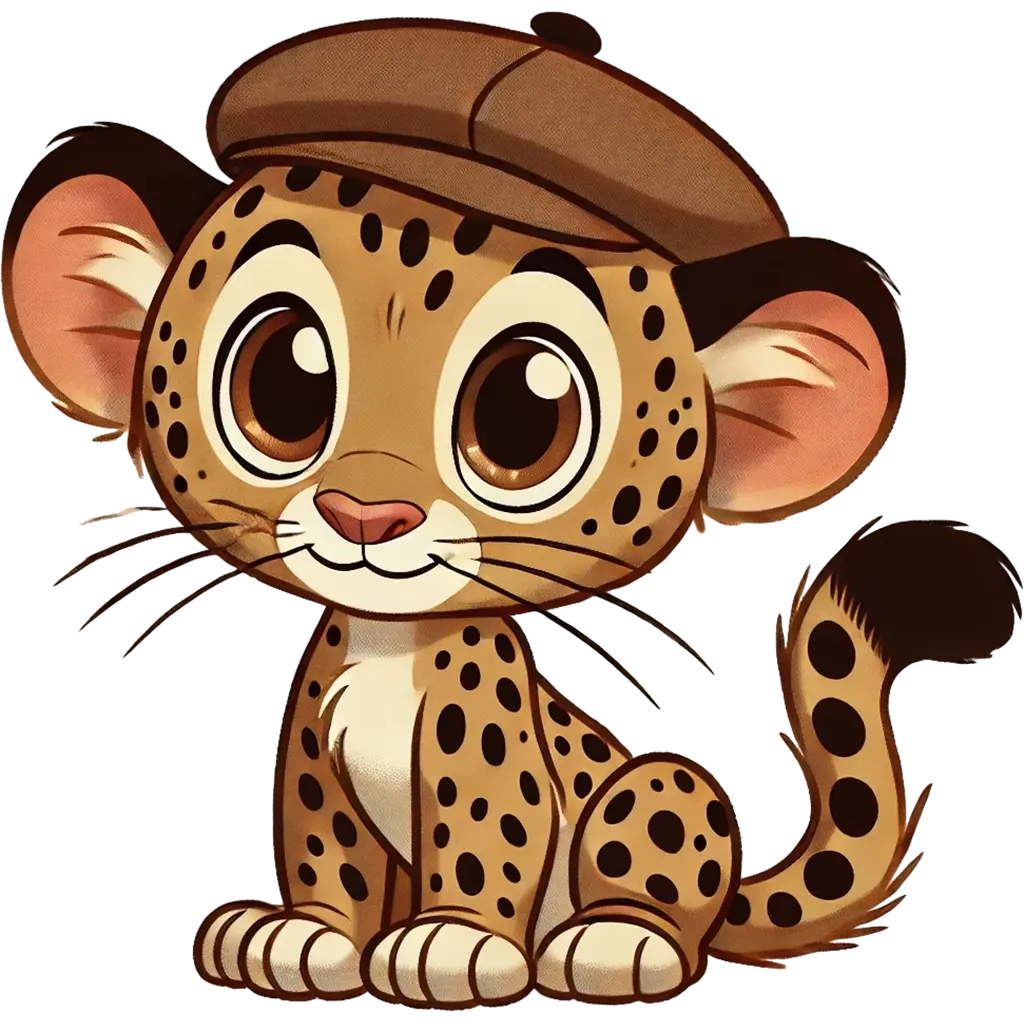
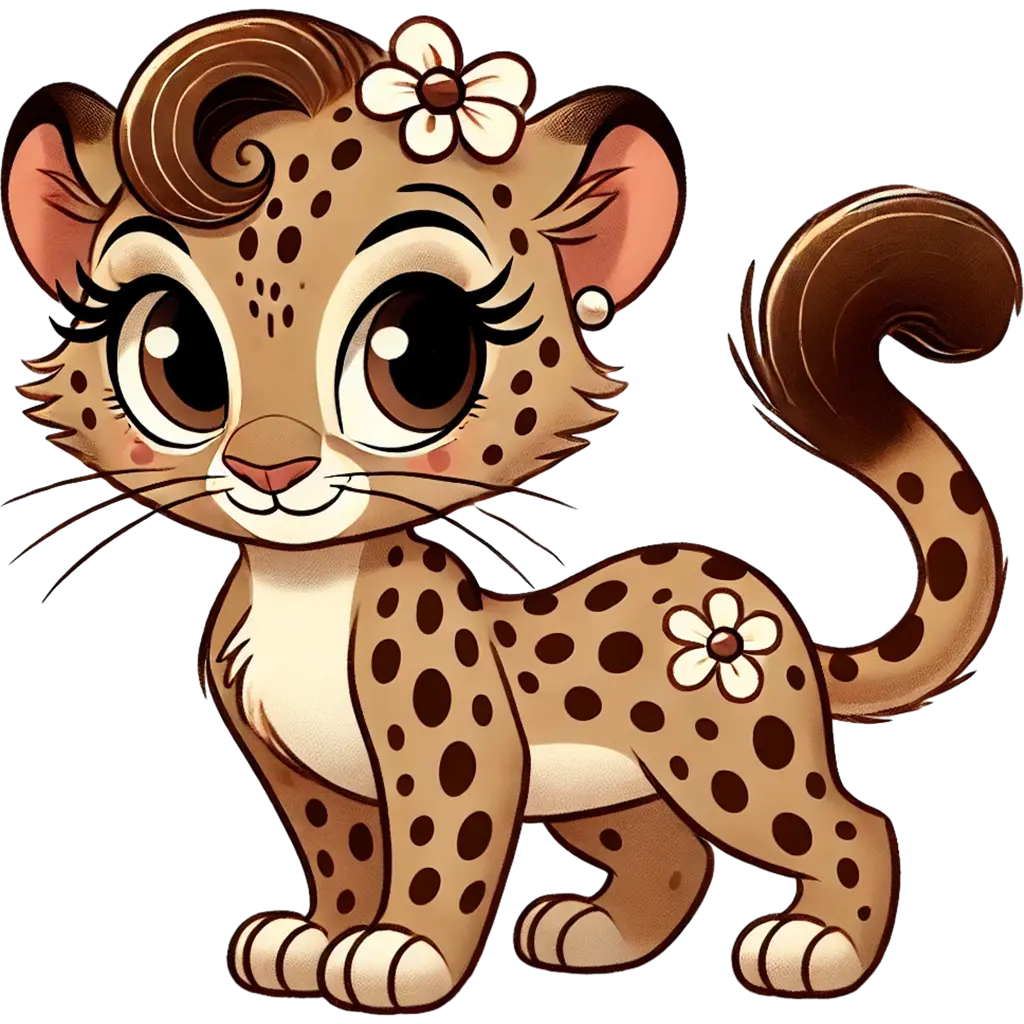
Leopards are incredibly adaptable and can thrive in various habitats, including grasslands and forests.
Their spotted coat provides excellent camouflage, allowing them to stalk prey stealthily. Leopards are solitary animals and are known for their ability to climb trees, often dragging their kills into branches for safekeeping from scavengers. These big cats are also excellent swimmers.

Download word search puzzles
Word Search Puzzles
Check Out Other Mammals
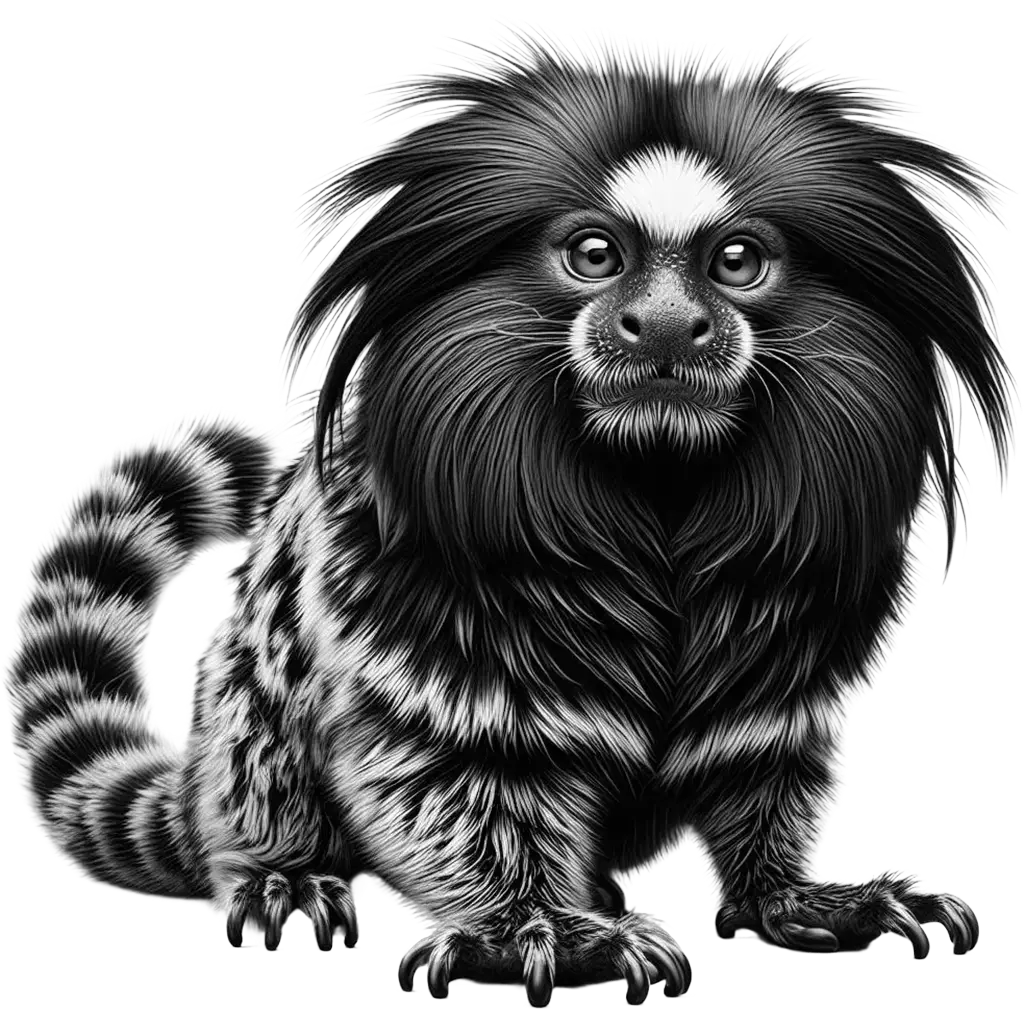
The Common Marmoset, callithrix jacchus, is a small, vivacious primate native to the northeastern regions of Brazil. Characterized by its diminutive size, adults typically weigh between 150 to 400 grams and measure around 18 to 28 centimeters in body length, with a tail that can extend up to 25 to
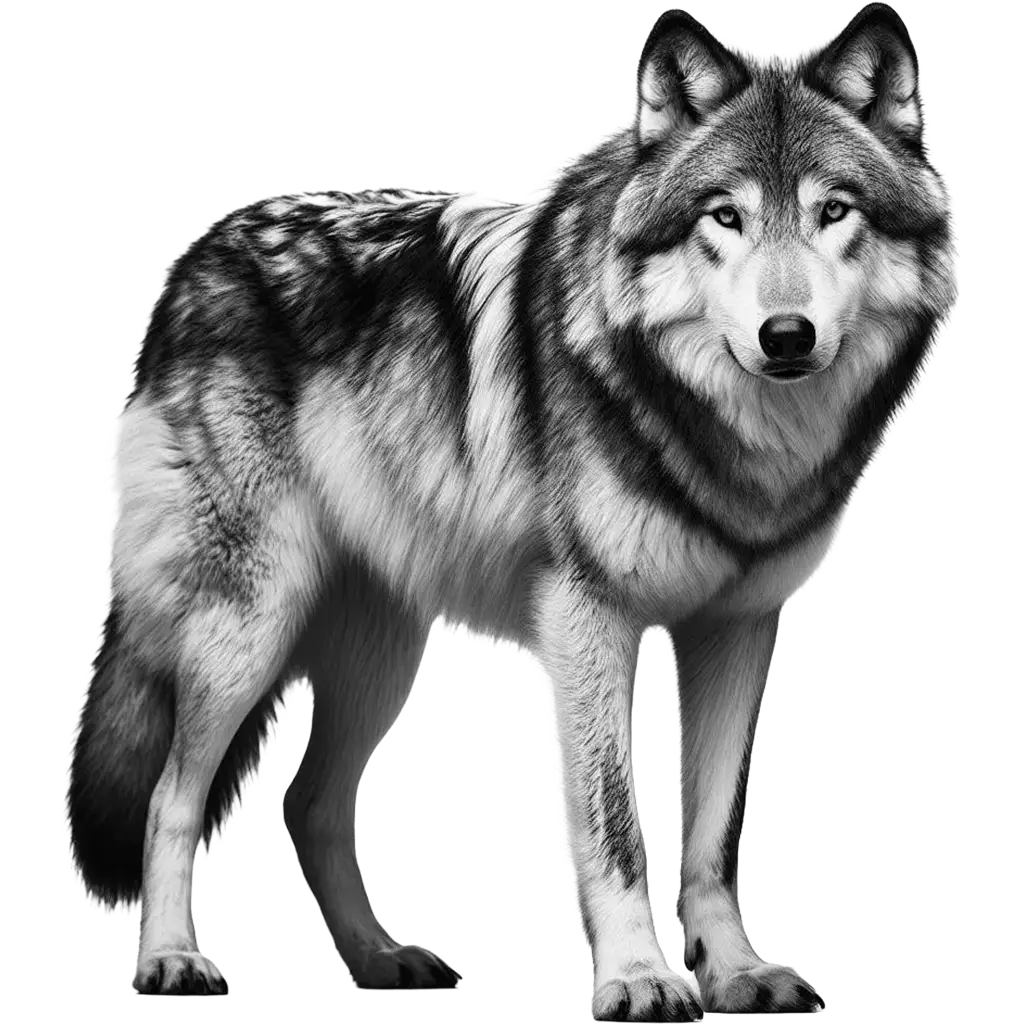
The Gray Wolf, canis lupus, is a highly adaptable and widely distributed canine, recognized for its role as a top predator within its ecosystem. Adult gray wolves vary significantly in size based on their geographical location, with weights ranging from 30 to 80 kilograms (66 to 176 pounds) and lengths
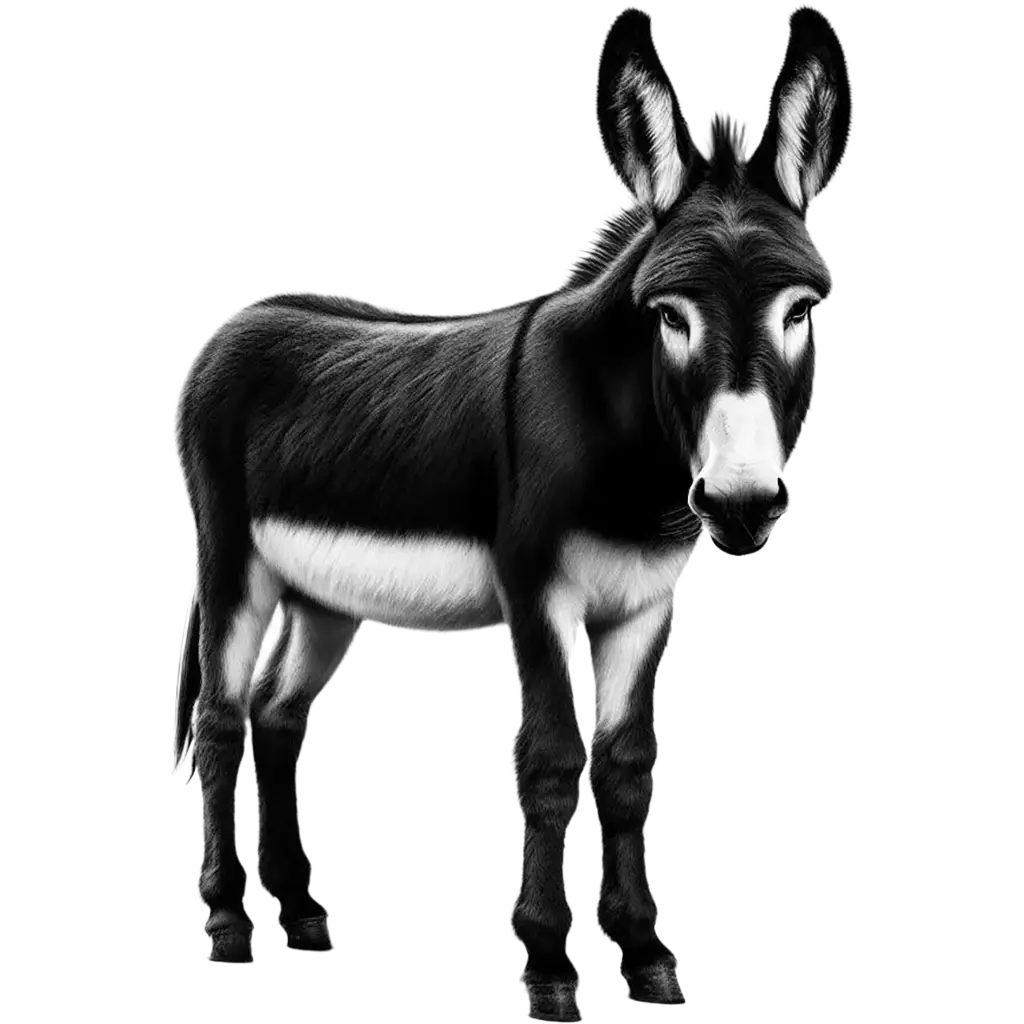
The Donkey, equus africanus asinus, is a domesticated member of the horse family, Equidae. Originating from the African wild ass, Donkeys have been used by humans for millennia, serving primarily as working animals due to their strength, endurance, and ability to carry heavy loads. Adult Donkeys vary greatly in size,
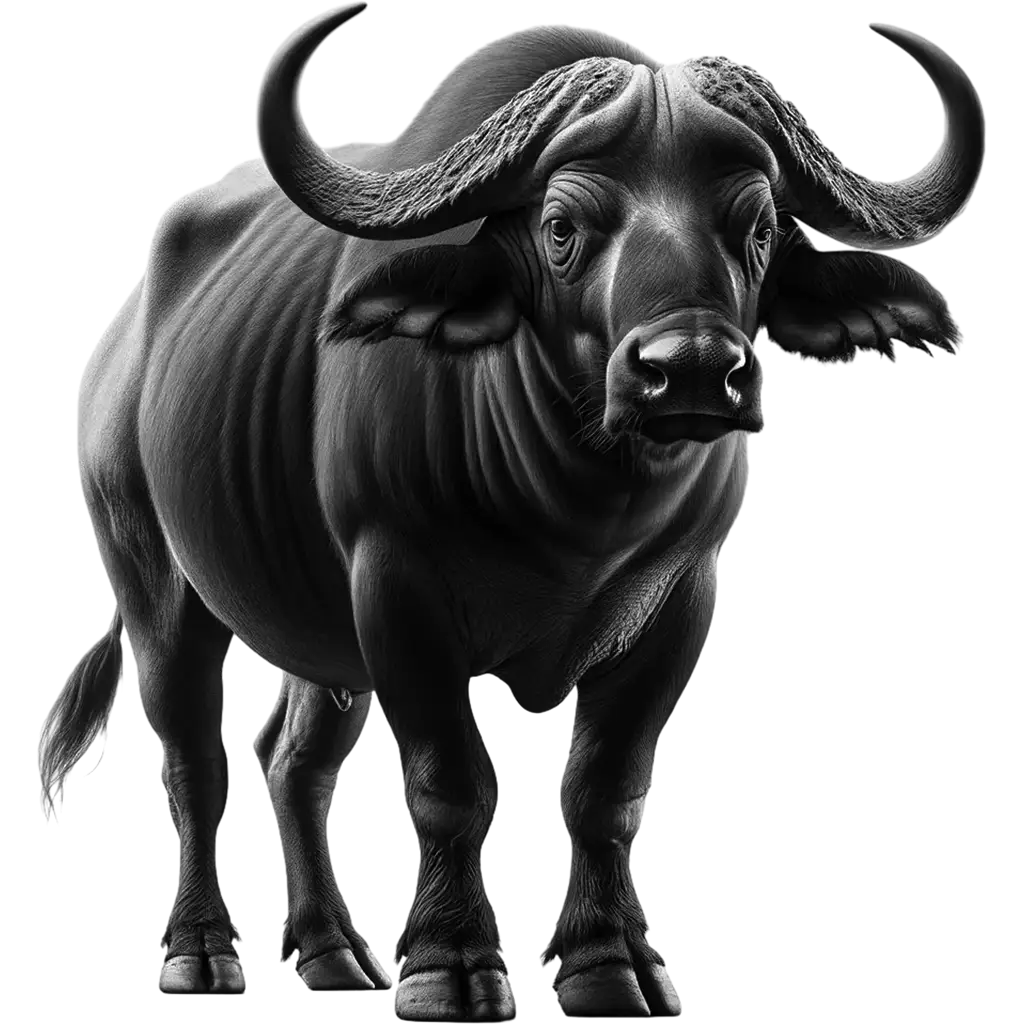
The African Forest Buffalo, syncerus caffer nanus, also known as the dwarf buffalo, is significantly smaller than its cousin, the African cape buffalo. It stands about 1 meter tall at the shoulder and weighs between 250 to 320 kilograms. Its body is compact and muscular, with a reddish or chocolate