
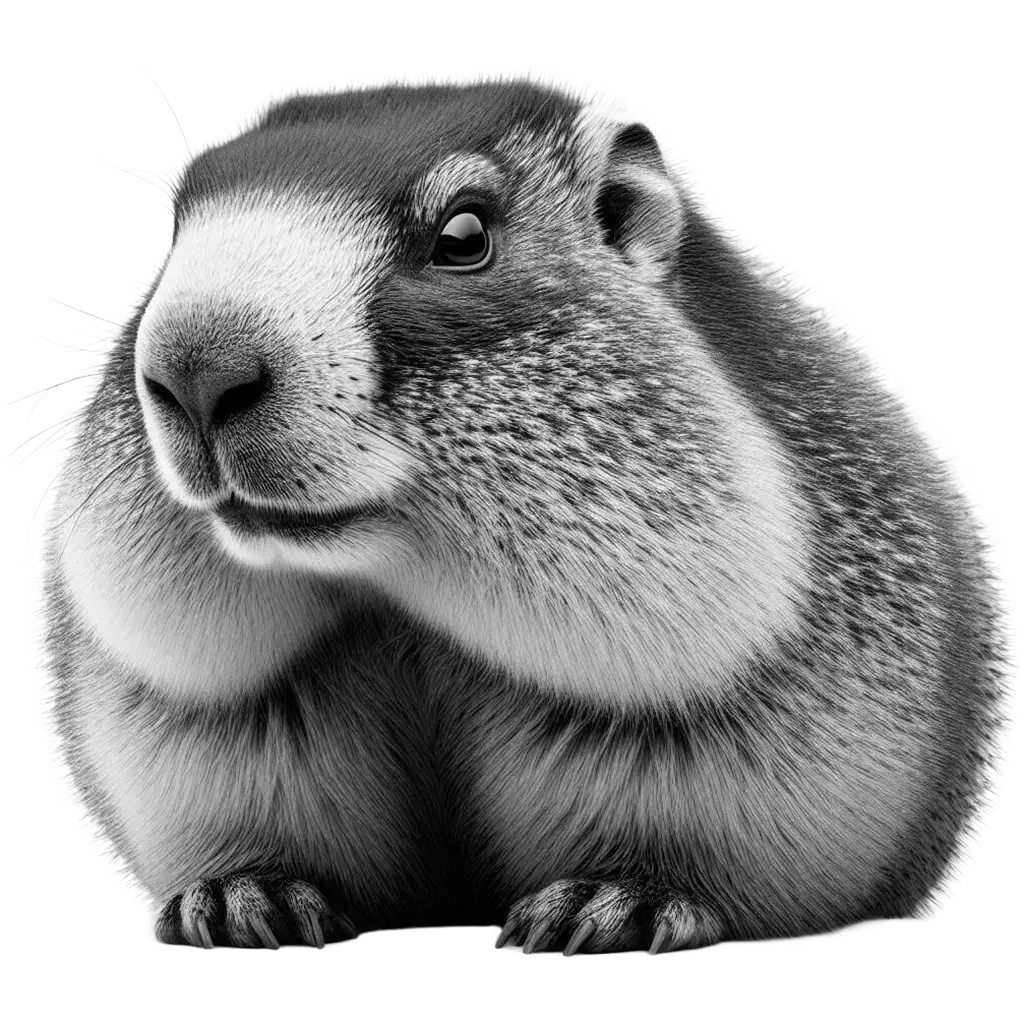
Marmota Baibacina
Gray Marmot
Alpine meadows, grasslands, and steppe regions
The Gray Marmot, marmota baibacina, also known as the Altai or Baikal Marmot, is a large rodent found in the mountainous regions of Central Asia, particularly in the Altai, Tien Shan, and Pamir Mountains. This species is characterized by its robust body, short limbs, and a bushy tail, with adult individuals typically weighing between 3 to 8 kilograms (6.6 to 17.6 pounds). The fur of the Gray Marmot is predominantly gray with shades of brown, aiding in camouflage within their rocky and grassland habitats.
| Population: | Not precisely quantified; considered stable in suitable habitats |
| Generation Length: | 3-4 years |
| Average Weight: | 3-7 kg, depending on age, sex, and season |
| Average Length: | Body length of 50-60 cm, with a tail length of 13-20 cm |
| Lifespan: | Up to 15 years in the wild |
| Diet: | Herbivorous, with a diet consisting mainly of vegetation |
| Conservation Status: | Least Concern (LC) |
Gray Marmots inhabit alpine meadows and grasslands, where they dig extensive burrow systems with multiple entrances, chambers, and tunnels. These burrows serve as protection against predators, storage for food, and a communal living space for multiple family groups. The species is highly social, with complex communication signals including whistles and chirps to alert others of danger.
The diet of the Gray Marmot primarily consists of grasses, herbs, and occasionally insects. During the summer, they actively feed to accumulate fat reserves for their long winter hibernation, which can last up to 7 months. This hibernation period is crucial for their survival during the cold winter months when food is scarce.
Reproduction in Gray Marmots occurs shortly after they emerge from hibernation in the spring. Females give birth to a single litter annually, consisting of 2 to 8 young after a gestation period of about 40 days. The young are born blind and hairless but develop quickly, emerging from the burrow to forage with adults within a few weeks.
The Gray Marmot is currently listed as Least Concern by the IUCN Red List, indicating a stable population across its range. However, they face threats from habitat loss due to agricultural expansion and grazing pressure. Additionally, marmots are hunted for their fur and meat, and in some areas, they are considered agricultural pests. Conservation efforts for the Gray Marmot include habitat protection and management to ensure the sustainability of their populations and the ecosystems they inhabit.
Classifications
The Key Attributes
Features
- Movement:
Quadrupedal, capable of standing on hind legs to observe surroundings
- Territorial Behavior:
Social, living in colonies with complex burrow systems
- Speed:
Not quantified; capable of quick movements to escape predators
- Diet:
Herbivore
- Physical Features:
- Stocky body with short limbs
- Dense grey fur
- Bushy tail
- Sharp claws for digging
- Primary Senses:
- Sight
- Hearing
- Smell
Understanding Habitat and Range
Geography
- Habitat:
Alpine meadows, grasslands, and steppe regions
- Migration Patterns:
Non-migratory, but undergoes seasonal hibernation
- Geographical Range:
Central Asia, including regions of Kazakhstan, Mongolia, and Northwest China
- Climate Preferences:
Prefers temperate climates with clear seasonal changes
Navigating the Wilderness
In the wild
- Predators:
Eagles, hawks, foxes, and wolves
- Prey:
Primarily grasses and herbs
- Feeding Behavior:
Feeds on a variety of grasses, herbs, and occasionally insects
- Diet:
Herbivorous, with a diet consisting mainly of vegetation
- Defensive Mechanisms:
- Burrowing to escape predators
- Vigilant behavior with sentinels watching for danger
- Alarm calls to alert colony members of threats
- Preferred Food Sources:
- Grasses
- Herbs
Insights Into Reproduction
Mating
- Mating System:
Monogamous or polygynous, varying by population
- Number of Offspring:
3-8 pups
- Gestation Period:
About 40 days
- Parental Involvement:
- Both parents may participate in rearing the young, with extensive use of burrows for protection and warmth
Youngsters Section
Gray Marmot
Fun Fact
Gray marmots are social creatures that live in colonies and hibernate for up to six months.
These marmots communicate using loud whistles to alert each other of danger. They rely on their strong sense of hearing to detect threats. In preparation for hibernation, they consume large amounts of food to build up body fat, which sustains them through the long winter months.

Download word search puzzles
Word Search Puzzles


Check Out Other Mammals
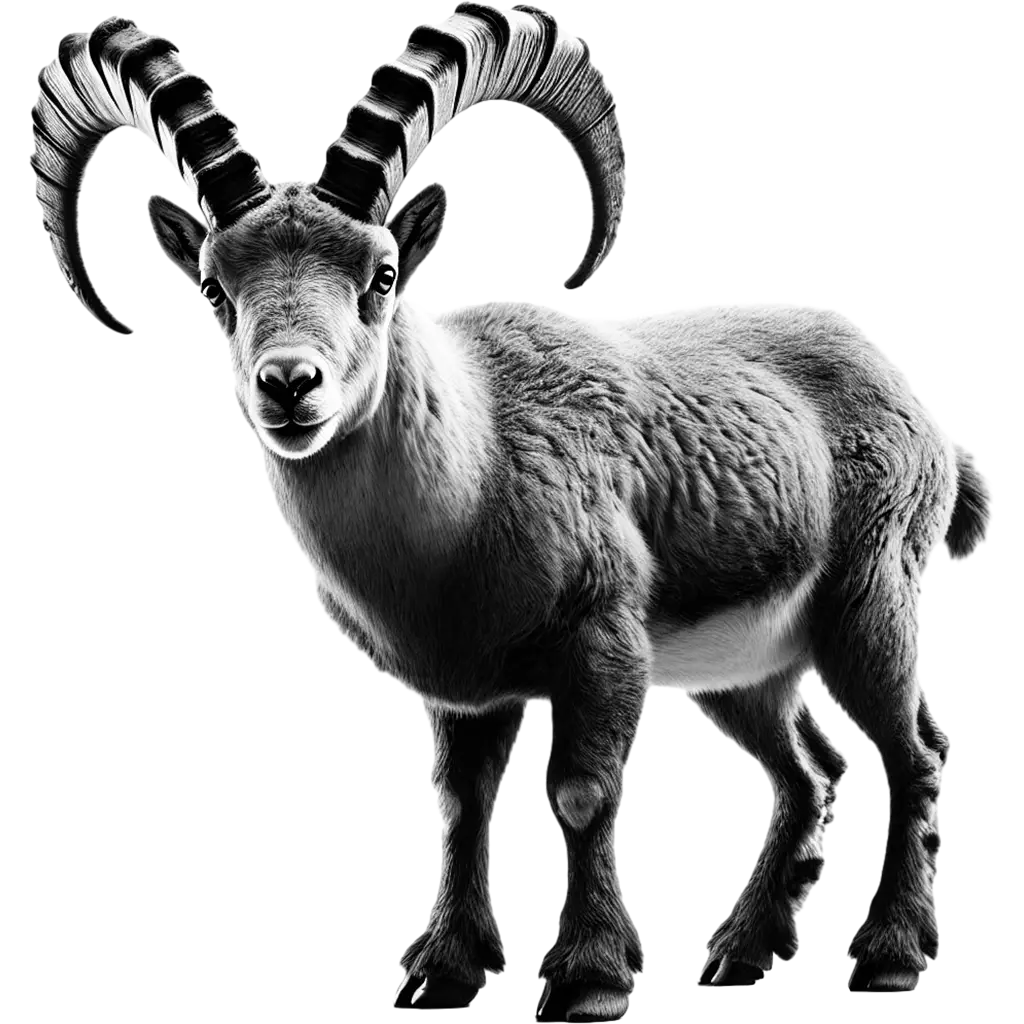
The Pyrenean Ibex was a subspecies of the Spanish Ibex that once roamed the rugged mountains of the Pyrenees. Males had large, curved horns with ridges along their length, while females had shorter, less pronounced horns. Their thick, brownish-gray coat provided insulation against cold mountain climates, and their strong, agile

The Raccoon, procyon lotor, is a medium-sized mammal known for its distinctive black mask across the eyes and bushy tail with anywhere from four to ten black rings. Adults typically weigh between 5 to 20 kg, with a body length ranging from 40 to 70 cm, plus a 20 to
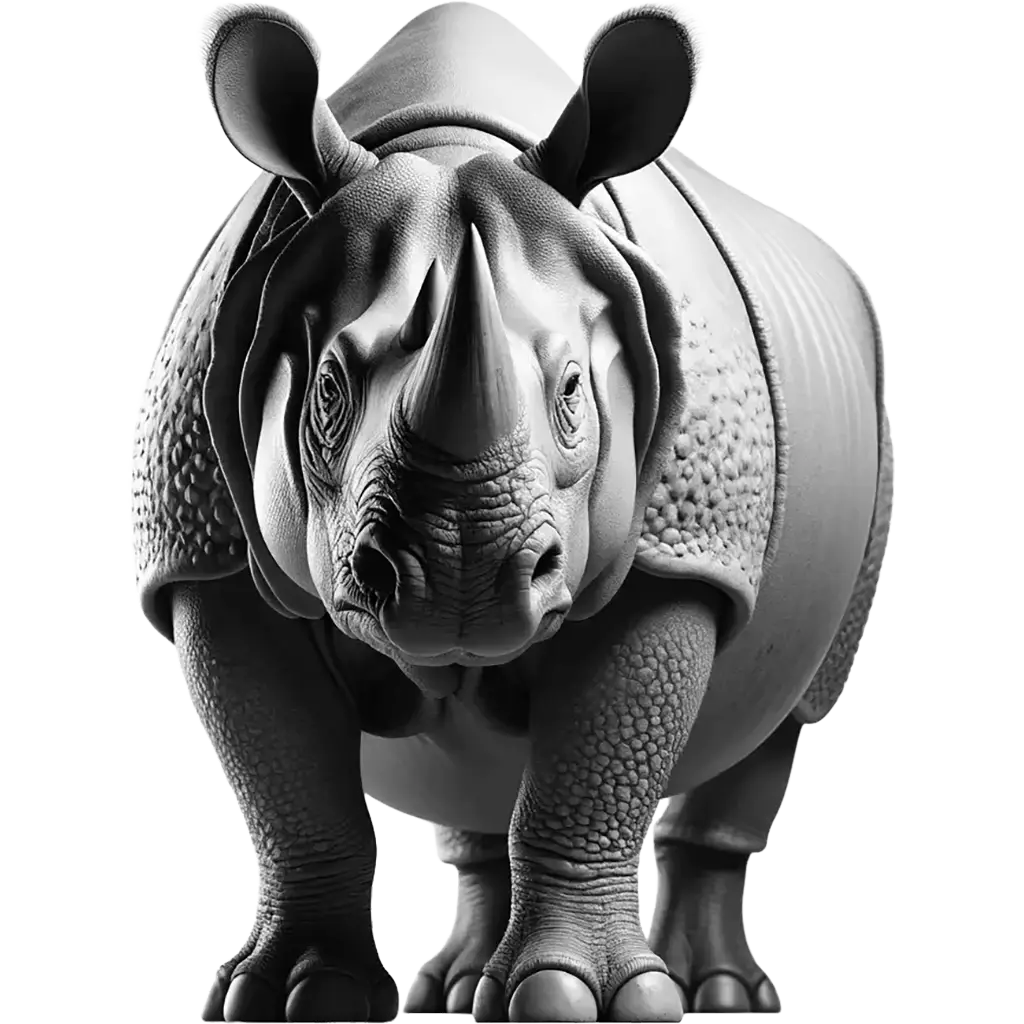
The Javan Rhinoceros, rhinoceros sondaicus, is one of the world's rarest large mammals, a relic of the past that now teeters on the brink of extinction. This solitary, elusive creature is characterized by its grey, armor-like skin and a single horn that grows up to about 25 cm in length,
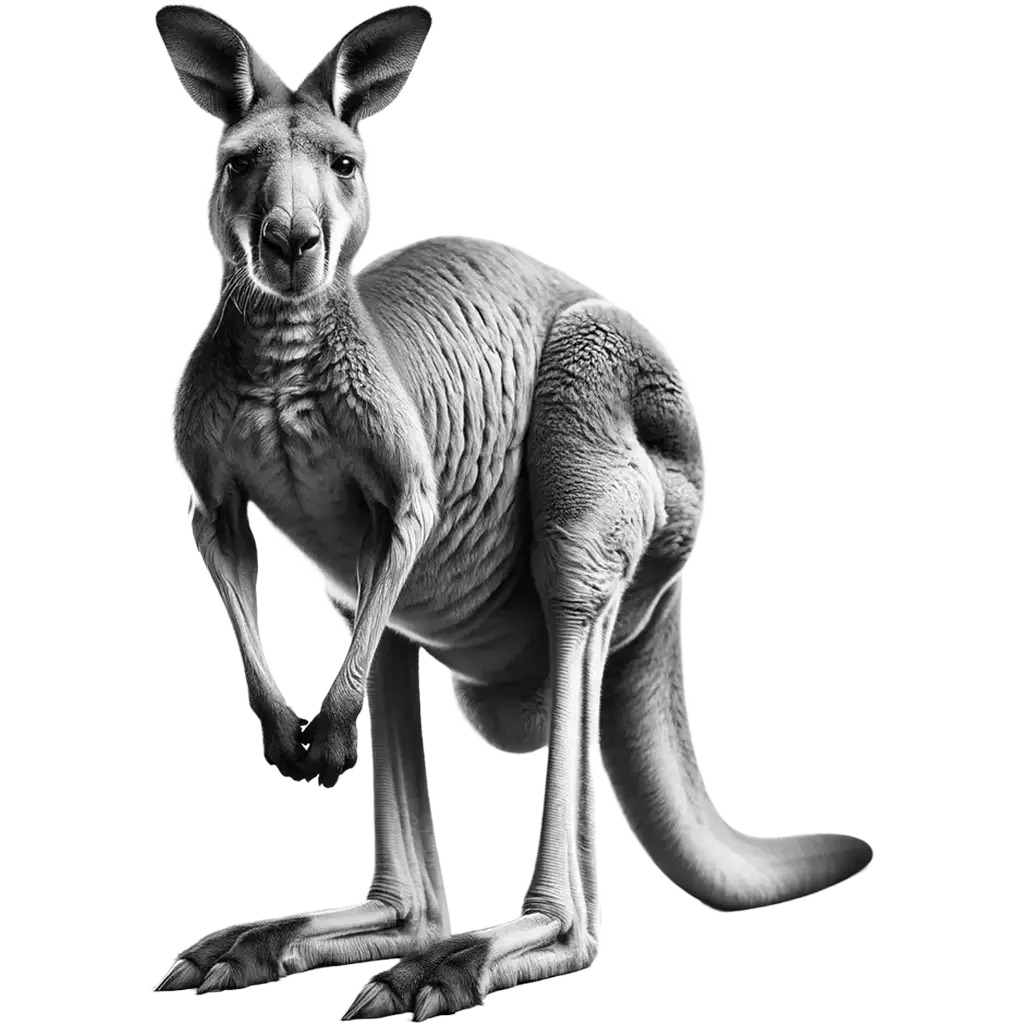
The Red Kangaroo, osphranter rufus, stands as the largest and most iconic marsupial, native to the arid and semi-arid regions of Australia. This majestic animal is distinguished by its powerful hind legs, long feet, and a large, muscular tail used for balance while moving. Adult males, known as boomers, can