

Canis Lupus
Harrier
Domestic environments; adaptable to various living situations but enjoys open spaces for exercise
The Harrier, a medium-sized breed of dog, is known for its prowess in hunting hares and foxes in packs, embodying a blend of stamina and agility. Adults typically stand between 48 to 53 centimeters (19 to 21 inches) at the shoulder and weigh between 18 to 27 kilograms (40 to 60 pounds). Their build is muscular yet sleek, enabling them to run swiftly across various terrains. Harriers possess a short, dense coat that can come in a variety of colors including black, tan, and white, often in a tri-color pattern. Their expression is keen and alert, reflective of their hunting heritage, with large, brown eyes and a set of low-set, long ears that frame their face.
| Population: | Not listed as endangered; breed-specific population numbers are not widely documented |
| Generation Length: | 3-4 years |
| Average Weight: | 18-27 kg |
| Average Length: | Not typically measured; height at the withers is 48-53 cm |
| Lifespan: | 12-15 years |
| Diet: | Managed by caretakers; generally includes proteins, carbohydrates, and fats suitable for domestic dogs |
| Conservation Status: | Not Evaluated (NE) |
Originally bred in England for hunting hares by trailing them, Harriers are known for their excellent sense of smell and pack mentality, making them not only effective hunters but also sociable companions. Despite their hunting background, they are remarkably adaptable to family life, displaying a gentle and friendly demeanor towards children and other pets.
The Harrier's energy and intelligence make them a joy to train, although their strong prey drive and tendency to follow scents require consistent, positive reinforcement training techniques. They thrive on companionship and activity, making them well-suited to active families or individuals who can provide them with ample exercise and engagement.
In terms of care, the Harrier's short coat requires minimal grooming, but they benefit from regular brushing to remove loose fur and maintain skin health. Their nails should be trimmed regularly, and like all breeds, they require routine dental care. While the Harrier is relatively healthy, responsible breeding practices are important to avoid hereditary conditions such as hip dysplasia and certain types of heart disease. Regular veterinary check-ups and a balanced diet are crucial to their overall well-being.
The Harrier is considered a rare breed, especially outside of the United Kingdom, and while they are not currently facing extinction, their numbers are limited. Enthusiasts of the breed advocate for preserving their hunting heritage while promoting them as versatile family pets, capable of excelling in dog sports and companionship.
Classifications
The Key Attributes
Features
- Movement:
Quadrupedal running and walking
- Territorial Behavior:
Social with humans and other dogs, may exhibit prey drive due to hunting instincts
- Speed:
Capable of quick and enduring running, bred for stamina in the field
- Diet:
Omnivore (domesticated dog diet)
- Physical Features:
- Medium-sized body
- Short to medium-length coat
- Tri-color (black, white, and tan) is common but can vary
- Long, narrow tail
- Ears are folded, hanging close to the cheeks
- Primary Senses:
- Smell
- Sight
- Hearing
Understanding Habitat and Range
Geography
- Habitat:
Domestic environments; adaptable to various living situations but enjoys open spaces for exercise
- Migration Patterns:
Non-applicable
- Geographical Range:
Originally from the United Kingdom, now found worldwide
- Climate Preferences:
Adaptable to various climates, but should be protected from extreme conditions
Navigating the Wilderness
In the wild
- Predators:
Not applicable in domestic settings
- Prey:
Not applicable
- Feeding Behavior:
Fed by owners; diet can include commercial dog food, meats, and vegetables
- Diet:
Managed by caretakers; generally includes proteins, carbohydrates, and fats suitable for domestic dogs
- Defensive Mechanisms:
- Barking to alert of intruders or threats
- May chase due to prey drive but generally friendly
- Preferred Food Sources:
- Commercial dog foods
- Cooked meats
- Certain fruits and vegetables suitable for dogs
Insights Into Reproduction
Mating
- Mating System:
Controlled breeding in domestic settings
- Number of Offspring:
Litter sizes can vary widely, average is around 5-7 puppies
- Gestation Period:
Approximately 63 days
- Parental Involvement:
- Care primarily provided by the mother with human assistance for health monitoring, feeding, and socialization
Youngsters Section
Harrier
Fun Fact
The harrier is not an individual species but rather a type of hunting dog known for its stamina.
These dogs are known for their keen sense of smell and energetic nature. Harriers excel in tracking and are often used in hunting hares and other small game. With a friendly disposition, they make great family pets, thriving in active households that can provide plenty of exercise.

Download word search puzzles
Word Search Puzzles


Check Out Other Mammals
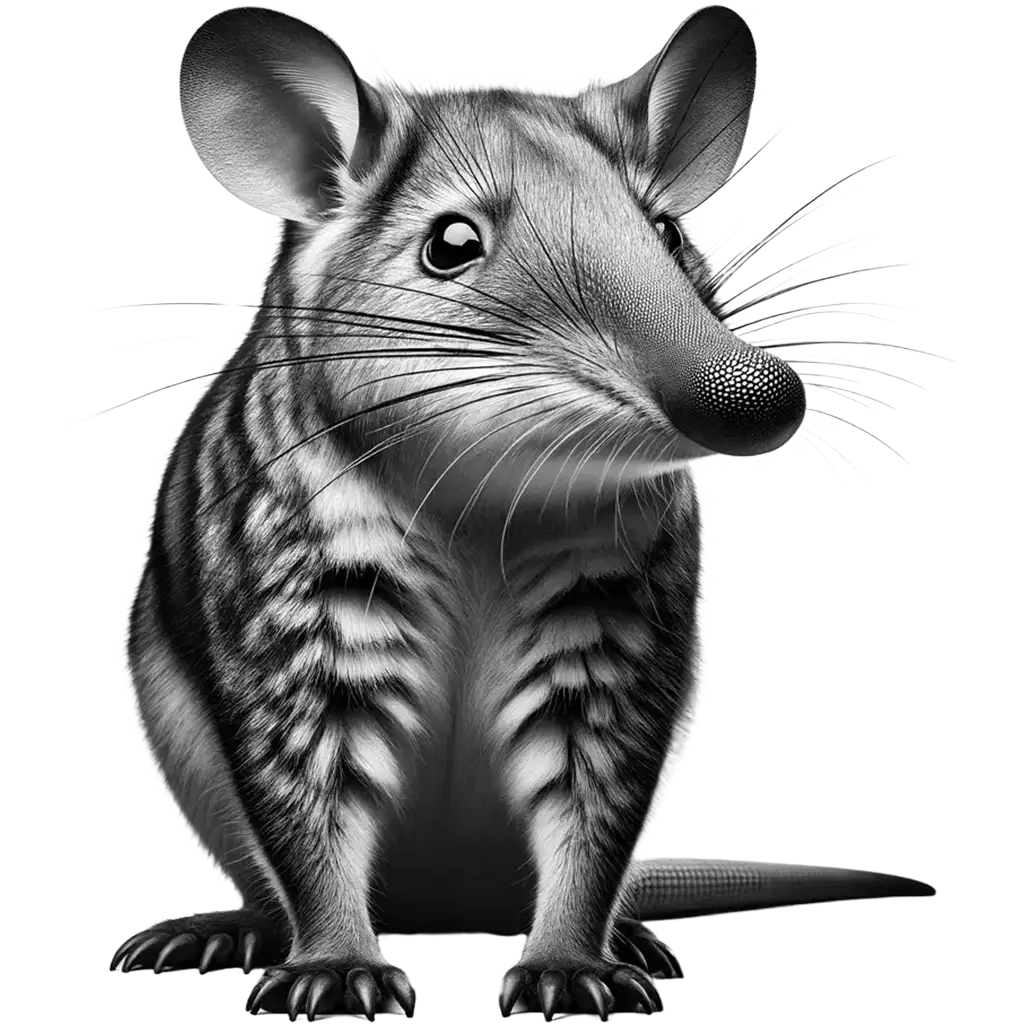
The Long-Nosed Bandicoot, perameles nasuta, is a small marsupial native to eastern Australia, distinguished by its elongated snout and hunched back. This nocturnal creature has coarse, grey-brown fur, with a lighter underside, and measures about 31 to 43 cm in length, including a thin, sparsely furred tail that adds another
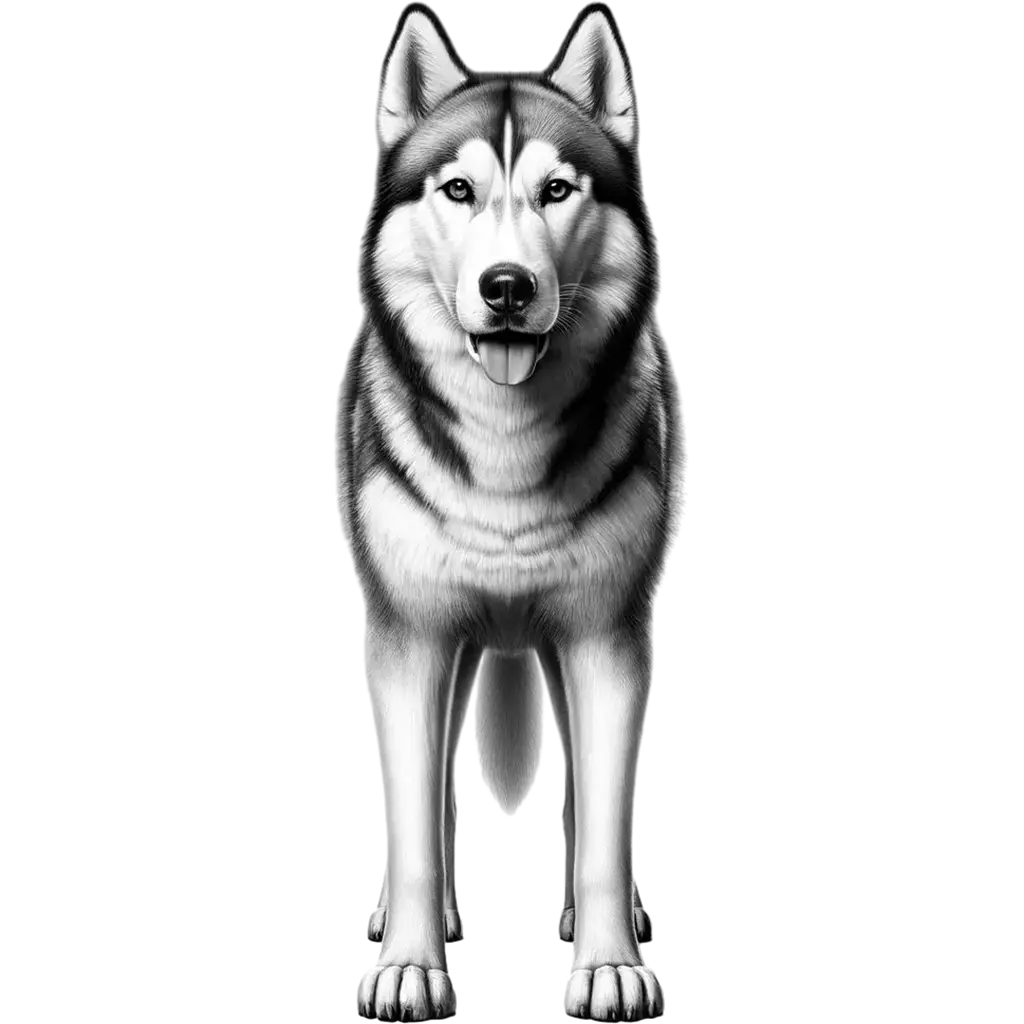
The Siberian Husky, a medium-sized working dog breed, is renowned for its endurance and willingness to work. Originating from Siberia, these dogs were bred by the Chukchi people for sled pulling and companionship. Siberian Huskies have a striking appearance, characterized by their thick double coat, erect triangular ears, and distinctive
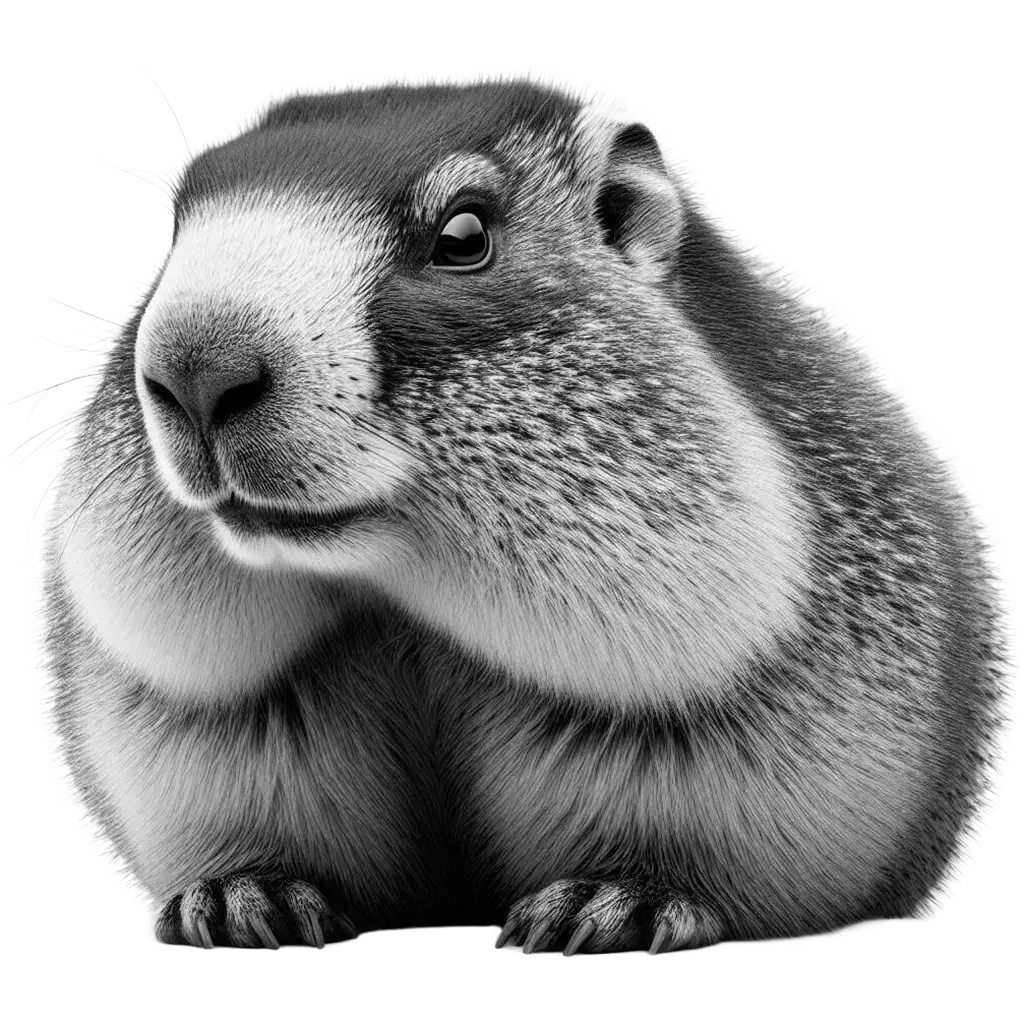
The Gray Marmot, marmota baibacina, also known as the Altai or Baikal Marmot, is a large rodent found in the mountainous regions of Central Asia, particularly in the Altai, Tien Shan, and Pamir Mountains. This species is characterized by its robust body, short limbs, and a bushy tail, with adult
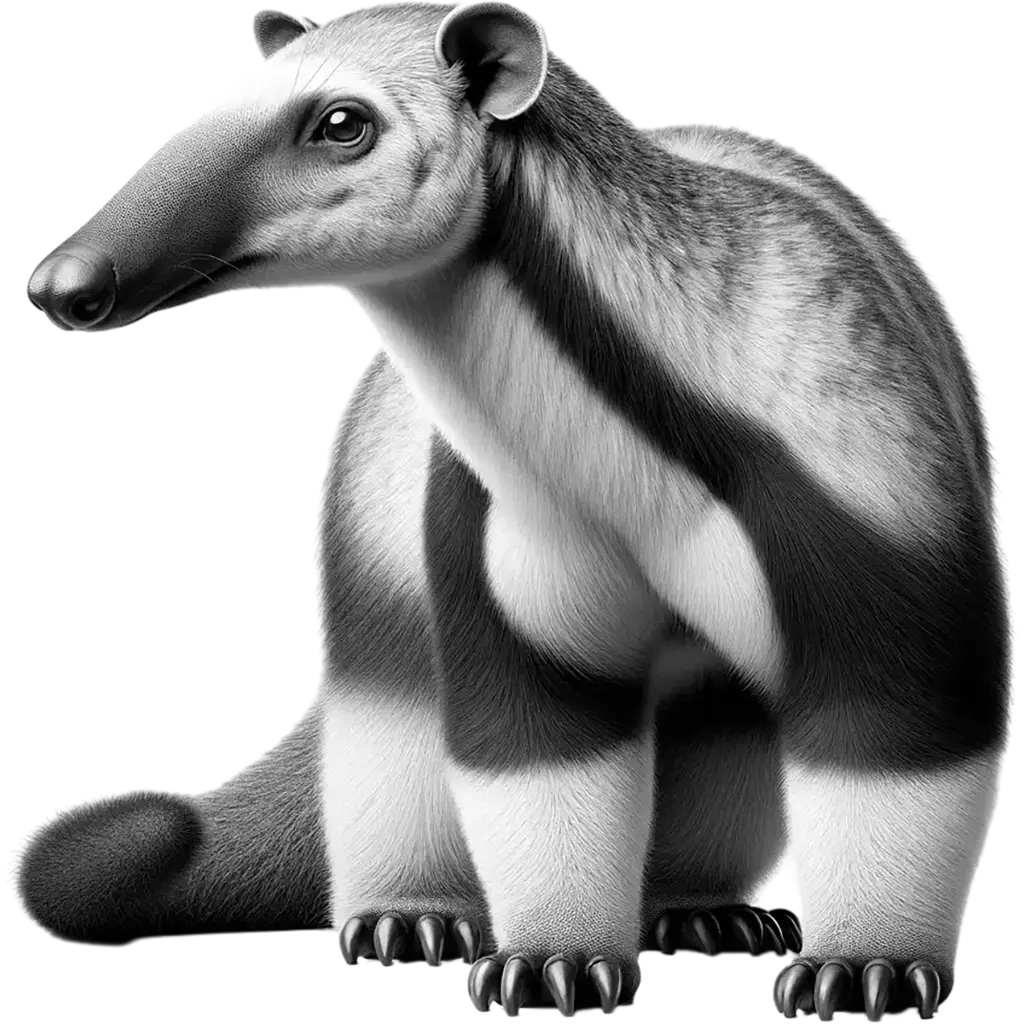
The Southern Tamandua, tamandua tetradactyla, also known as the Collared Anteater or Lesser Anteater, is a medium-sized arboreal mammal native to South America. This species is distinguished by its long, prehensile tail, elongated snout, and a distinctive black 'vest' pattern over its otherwise yellowish-brown fur, although coloration can vary significantly