
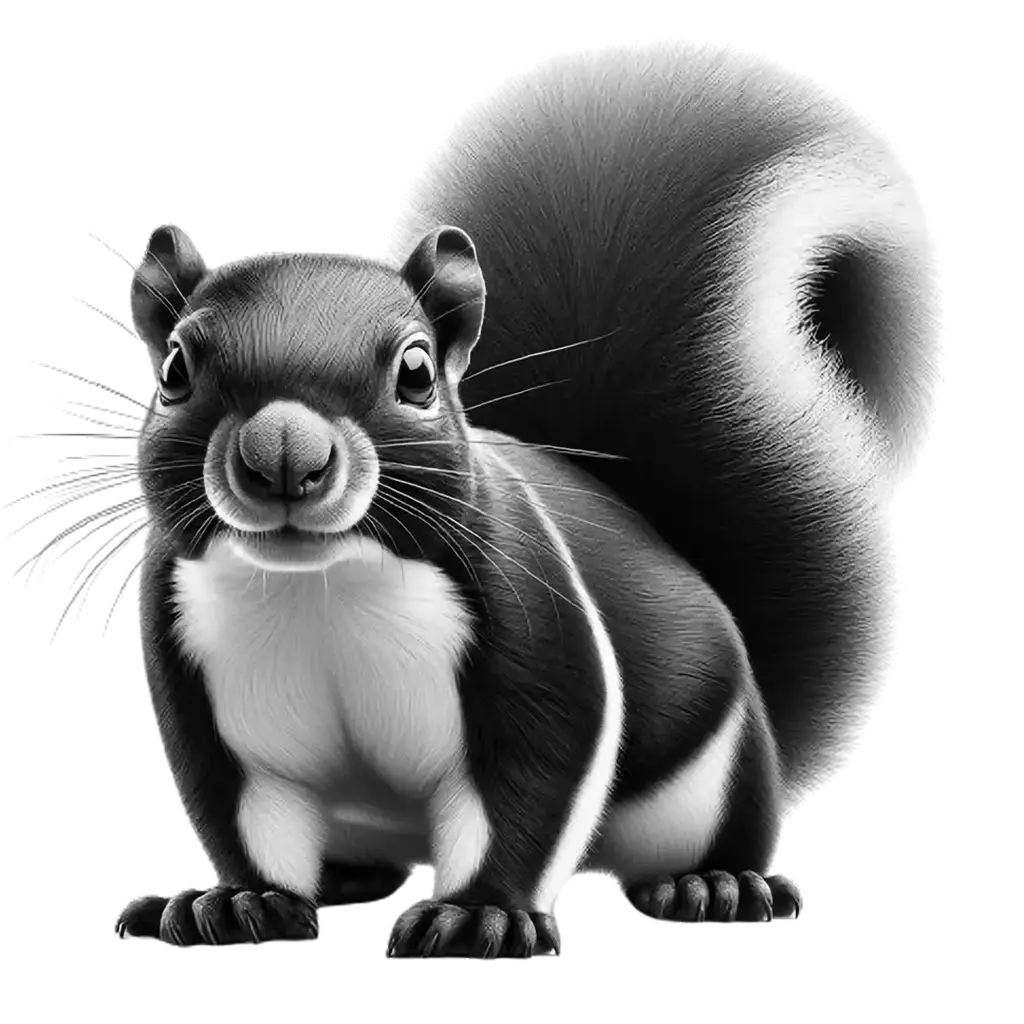
Ratufa Indica
Indian Giant Squirrel
Dense forests and woodland areas
The Indian Giant Squirrel, ratufa indica, also known as the Malabar Giant Squirrel, is a large, arboreal rodent native to India. This species is renowned for its impressive size, with a body length of 25 to 45 cm and an equally long tail, adding another 35 to 60 cm. Its fur is dense and colorful, varying in shades from deep brown to vibrant orange, maroon, and even purple, with creamy white underparts. The Indian Giant Squirrel's multi-colored coat not only adds to its striking appearance but also serves as camouflage among the forest canopy.
| Population: | Listed as Least Concern but faces threats from habitat loss and hunting |
| Generation Length: | 4-5 years |
| Average Weight: | 1.5-2 kg |
| Average Length: | Head and body length: 25-45 cm, Tail length: 35-50 cm |
| Lifespan: | Up to 20 years in captivity, less is known about their lifespan in the wild |
| Diet: | Mainly fruits, nuts, and other plant materials |
| Conservation Status: | Least Concern (LC) |
Adapted to a life in the trees, the Indian Giant Squirrel spends most of its time in the upper canopy of deciduous and evergreen forests. It is known for its remarkable agility, capable of making leaps of up to 6 meters between trees. This squirrel is predominantly diurnal, foraging in the early hours of the morning and late afternoon. It constructs large, spherical nests out of leaves and twigs, positioned high in the tree branches, where it seeks refuge from predators and harsh weather.
The diet of the Indian Giant Squirrel is omnivorous but mainly consists of fruits, nuts, bark, and flowers, supplemented occasionally by insects and bird eggs. This varied diet helps in the dispersal of seeds and contributes to the health of their forest habitats. The squirrel's foraging habits play a significant role in shaping the ecological dynamics of its environment, promoting forest regeneration and biodiversity.
Reproduction in the Indian Giant Squirrel involves the construction of a secure nest for the offspring, with the female typically giving birth to one or two young after a gestation period of about 28 to 36 days. The young are cared for in the nest, remaining dependent on their mother for two to three months before venturing out on their own.
The population of the Indian Giant Squirrel is currently stable within protected areas but faces threats from habitat loss and hunting in other regions. Deforestation and fragmentation of forests pose significant risks to their habitat, necessitating concerted conservation efforts. Protected areas and wildlife sanctuaries play a crucial role in the preservation of this species, highlighting the importance of habitat conservation for the survival of India's unique biodiversity.
Classifications
The Key Attributes
Features
- Movement:
Climbing, leaping
- Territorial Behavior:
Solitary or in pairs, highly territorial
- Speed:
Not specifically quantified; known for agile movements and remarkable jumping ability between trees
- Diet:
Herbivore
- Physical Features:
- Large body size compared to other squirrel species
- Vivid multi-colored coat with shades of black, brown, and cream
- Long, bushy tail that aids in balance
- Strong hind legs for jumping and sharp claws for climbing
- Primary Senses:
- Sight
- Hearing
- Touch
Understanding Habitat and Range
Geography
- Habitat:
Dense forests and woodland areas
- Migration Patterns:
Non-migratory
- Geographical Range:
Endemic to India, mainly in the Western Ghats, Eastern Ghats, and central India
- Climate Preferences:
Prefers tropical and subtropical forest environments
Navigating the Wilderness
In the wild
- Predators:
Birds of prey, large snakes, and wild cats
- Prey:
Not applicable
- Feeding Behavior:
Feeds on fruits, nuts, flowers, and bark, often foraging in the trees
- Diet:
Mainly fruits, nuts, and other plant materials
- Defensive Mechanisms:
- Camouflage with the forest canopy
- Quick and agile movement in trees
- Vocalizations to alert other squirrels of danger
- Preferred Food Sources:
- Diverse, depending on the seasonal availability of fruits, flowers, and nuts
Insights Into Reproduction
Mating
- Mating System:
Monogamous or polygynous
- Number of Offspring:
1-2 offspring
- Gestation Period:
About 28-35 days
- Parental Involvement:
- Females primarily responsible for nurturing and protecting the young in the nest
Youngsters Section
Indian Giant Squirrel
Fun Fact
The Indian Giant Squirrel can grow up to three feet long, including its tail.
This vibrant creature is known for its striking multicolored fur, which can vary from deep maroons to bright oranges. It primarily inhabits the forests of India, where its agility allows it to leap between trees with ease. Its large, bushy tail helps it balance as it navigates the treetops, making it an adept acrobat in its arboreal habitat.

Download word search puzzles
Word Search Puzzles


Check Out Other Mammals
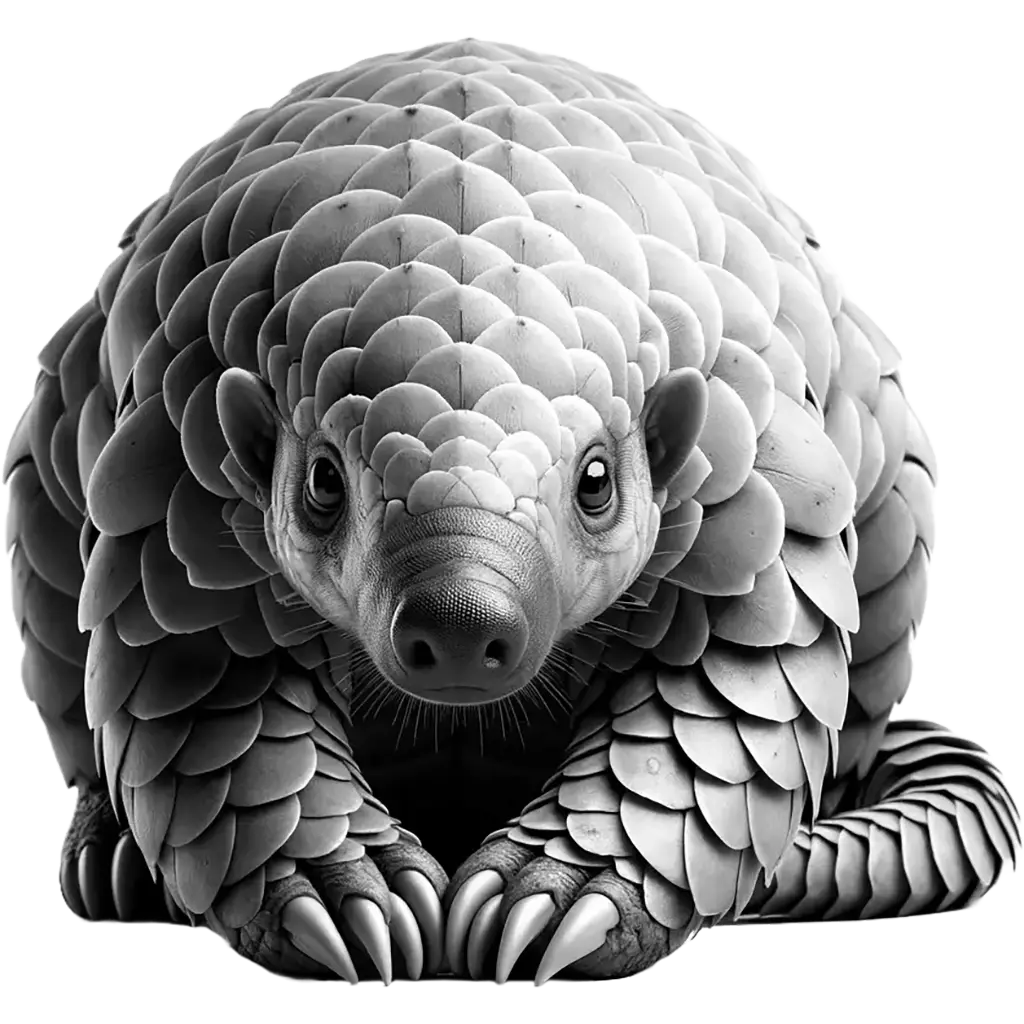
The Indian Pangolin, manis crassicaudata, is a unique and elusive mammal native to the Indian subcontinent, including parts of India, Sri Lanka, Bangladesh, and Pakistan. Characterized by its armored scales, which cover most of its body except for the underside, face, and inner limbs, the Indian Pangolin is an anteater
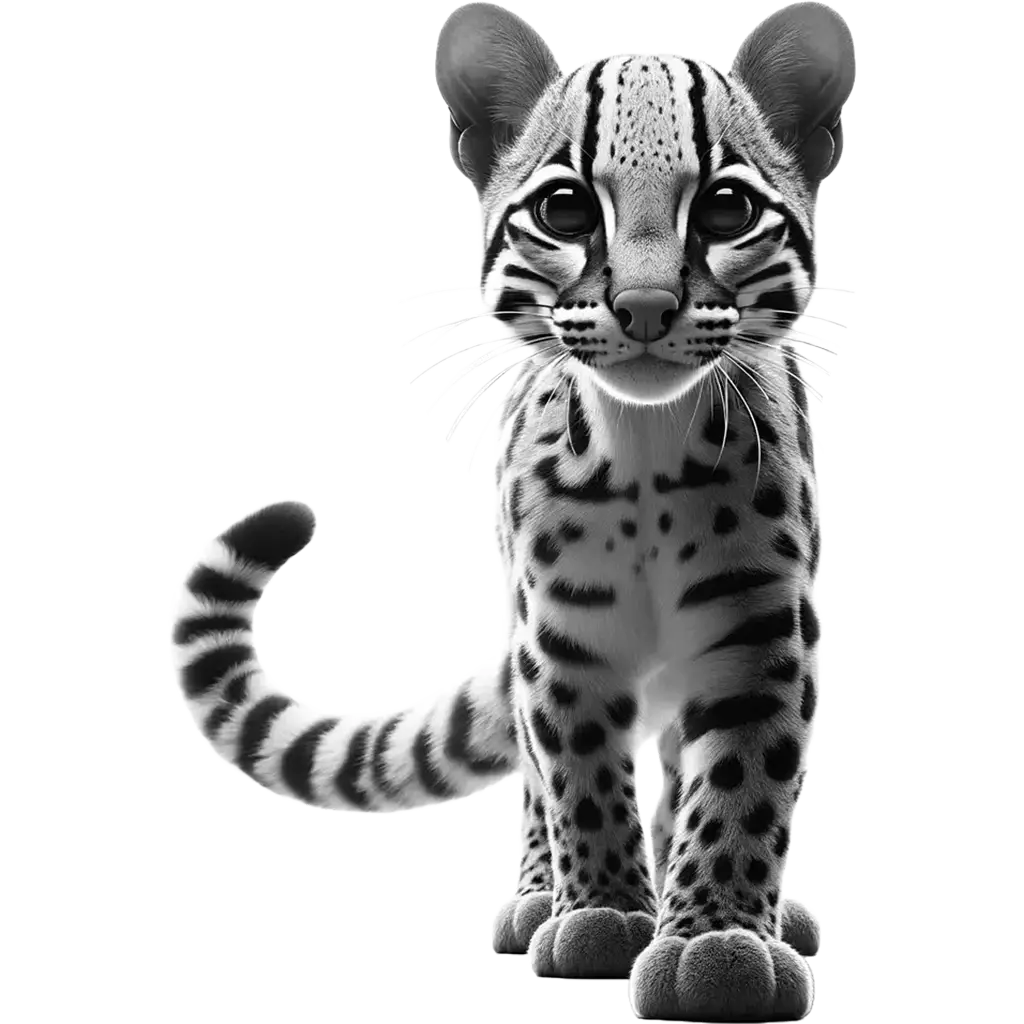
The Ocelot, leopardus pardalis, is a medium-sized wild cat native to the Americas, with a range that extends from the southern United States through Central and South America to northern Argentina. Adults typically weigh between 8 to 15 kg and measure about 55 to 100 cm in length, with a
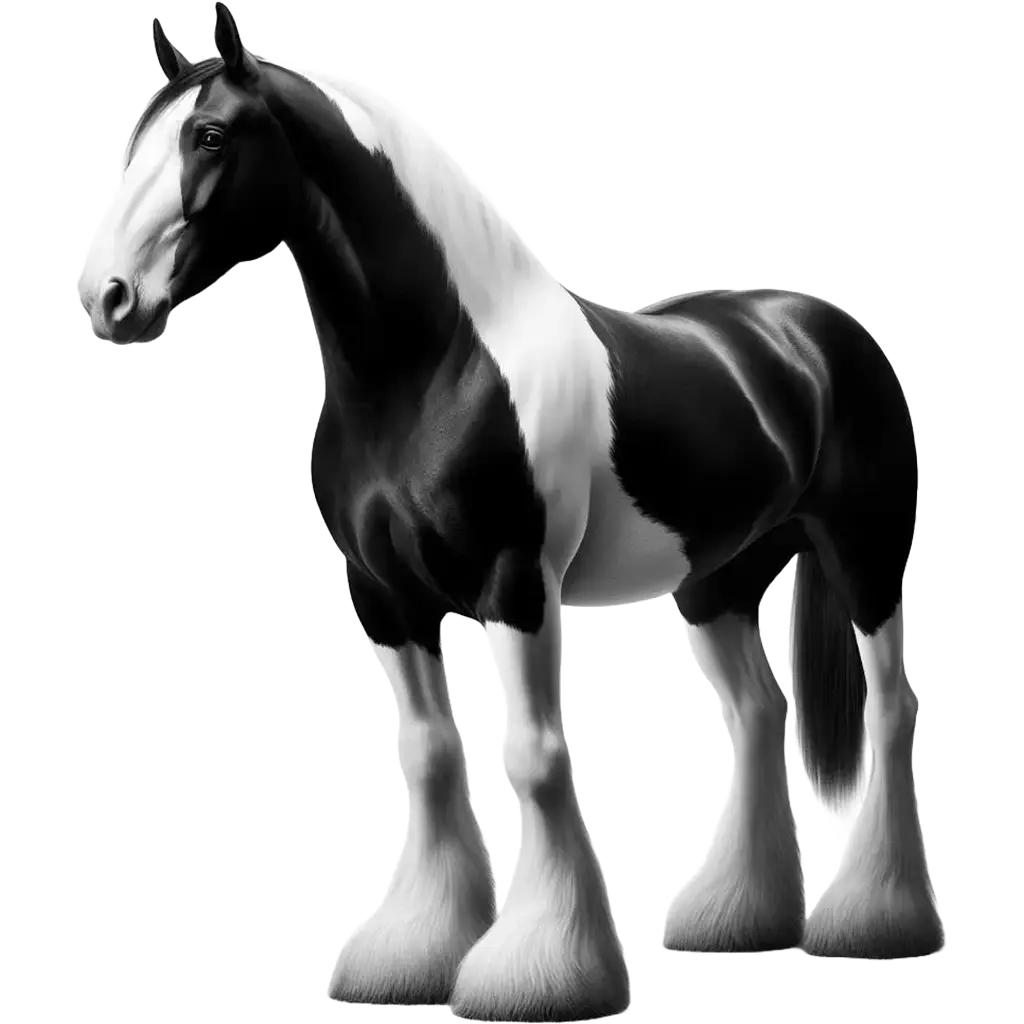
The Horse, equus ferus caballus, is a domesticated mammal that has been a close companion to humans for thousands of years, serving as a means of transport, a work animal, and a partner in recreation and sports. Horses vary widely in size, build, and coat color, with more than 300

The Belgian Shepherd, also known as the Belgian Sheepdog, encompasses four distinct varieties: the Groenendael, Laekenois, Malinois, and Tervuren. Each variety is recognized for its unique coat type and color but shares a common ancestry and similar physical characteristics. Adult Belgian Shepherds typically stand between 56 to 66 cm (22