

Canis Lupus
Cavalier King Charles Spaniel
Domestic environments; well-suited to indoor living and companionship
The Cavalier King Charles Spaniel, a breed esteemed for its graceful elegance and expressive, soulful eyes, embodies the essence of a companion dog. Originating from the United Kingdom, this breed stands out with its silky, medium-length coat, which comes in four distinct color patterns: Blenheim (chestnut and white), Tricolor (black/white/tan), Black & Tan, and Ruby. Adults typically weigh between 13 to 18 pounds (5.9 to 8.2 kg) and stand about 12 to 13 inches (30 to 33 cm) at the shoulder, making them a small but sturdy breed. Their friendly and affectionate nature, combined with their flowing coat and feathered ears, tail, and feet, make them instantly recognizable and adored by many.
| Population: | Popular breed, with stable populations in domestic environments |
| Generation Length: | 3-4 years |
| Average Weight: | 5.9-8.2 kg |
| Average Length: | Not typically measured in dogs; height at the withers is more relevant: 30-33 cm |
| Lifespan: | 9-14 years |
| Diet: | Breed-specific balanced dog food, addressing obesity risk and health concerns |
| Conservation Status: | Not Evaluated (NE) |
Cavalier King Charles Spaniels are renowned for their gentle, friendly disposition, making them excellent family pets and companions. They thrive on human interaction and are known to be highly adaptable, fitting well into various lifestyles, from city living in apartments to more spacious homes with yards. Despite their lapdog status, Cavaliers possess an adventurous streak, enjoying walks and playtime, which also helps to keep them healthy and balanced.
Their diet should be carefully managed to prevent obesity, a common issue in the breed, with a focus on high-quality dog food and measured portions. Regular exercise, through daily walks and play sessions, is essential for maintaining their physical health and managing their weight. Cavaliers are also known for their intelligence and eagerness to please, which makes them relatively easy to train with positive reinforcement techniques.
Reproduction in Cavalier King Charles Spaniels should be approached with care, considering their predisposition to certain genetic health issues, such as mitral valve disease, syringomyelia, hip dysplasia, and eye conditions. Responsible breeding practices, including health screenings for these conditions, are crucial for the wellbeing of the breed. Females typically give birth to litters of three to five puppies, who inherit the breed's friendly and affectionate characteristics.
The Cavalier King Charles Spaniel's population is robust and growing, thanks to their popularity as companion animals. Their adaptability, moderate size, and loving temperament make them suitable for a wide range of households. However, potential owners should be aware of the breed's specific health issues and commit to providing them with the care, exercise, and affection they require to lead a happy, healthy life.
Classifications
The Key Attributes
Features
- Movement:
Walking, running
- Territorial Behavior:
Generally friendly and sociable, not highly territorial
- Speed:
Not specifically quantified; enjoys moderate walks and play
- Diet:
Omnivore
- Physical Features:
- Small size with a distinctive domed head
- Large, dark eyes
- Long ears set high on the head
- Silky coat with feathering on the ears, legs, tail, and feet
- Primary Senses:
- Sight
- Hearing
- Smell
Understanding Habitat and Range
Geography
- Habitat:
Domestic environments; well-suited to indoor living and companionship
- Migration Patterns:
Non-applicable
- Geographical Range:
Originally from the United Kingdom, now found worldwide among enthusiasts and pet owners
- Climate Preferences:
Adaptable, but should be protected from extreme temperatures
Navigating the Wilderness
In the wild
- Predators:
Not applicable in domestic settings
- Prey:
Not applicable
- Feeding Behavior:
Fed by owners; diet can include commercial dog food, with portions controlled to prevent obesity
- Diet:
Breed-specific balanced dog food, addressing obesity risk and health concerns
- Defensive Mechanisms:
- Barking to alert to strangers or unusual situations
- Relies on human companions for protection
- Preferred Food Sources:
- Commercially prepared diets tailored to small breed dogs
Insights Into Reproduction
Mating
- Mating System:
Controlled breeding in domestic settings
- Number of Offspring:
3-5 puppies per litter
- Gestation Period:
Approximately 63 days
- Parental Involvement:
- Care primarily provided by the mother, with human assistance for health monitoring, feeding, and early socialization
Youngsters Section
Cavalier King Charles Spaniel
Fun Fact
Cavalier King Charles Spaniels are known for their gentle and affectionate nature, making them great companions.
These dogs were favored by royalty, particularly King Charles II of England. They often appear in classic portraits alongside nobility. Despite their regal history, they are adaptable and can thrive in both city and country living environments, enjoying playtime and cuddles.

Download word search puzzles
Word Search Puzzles


Check Out Other Mammals
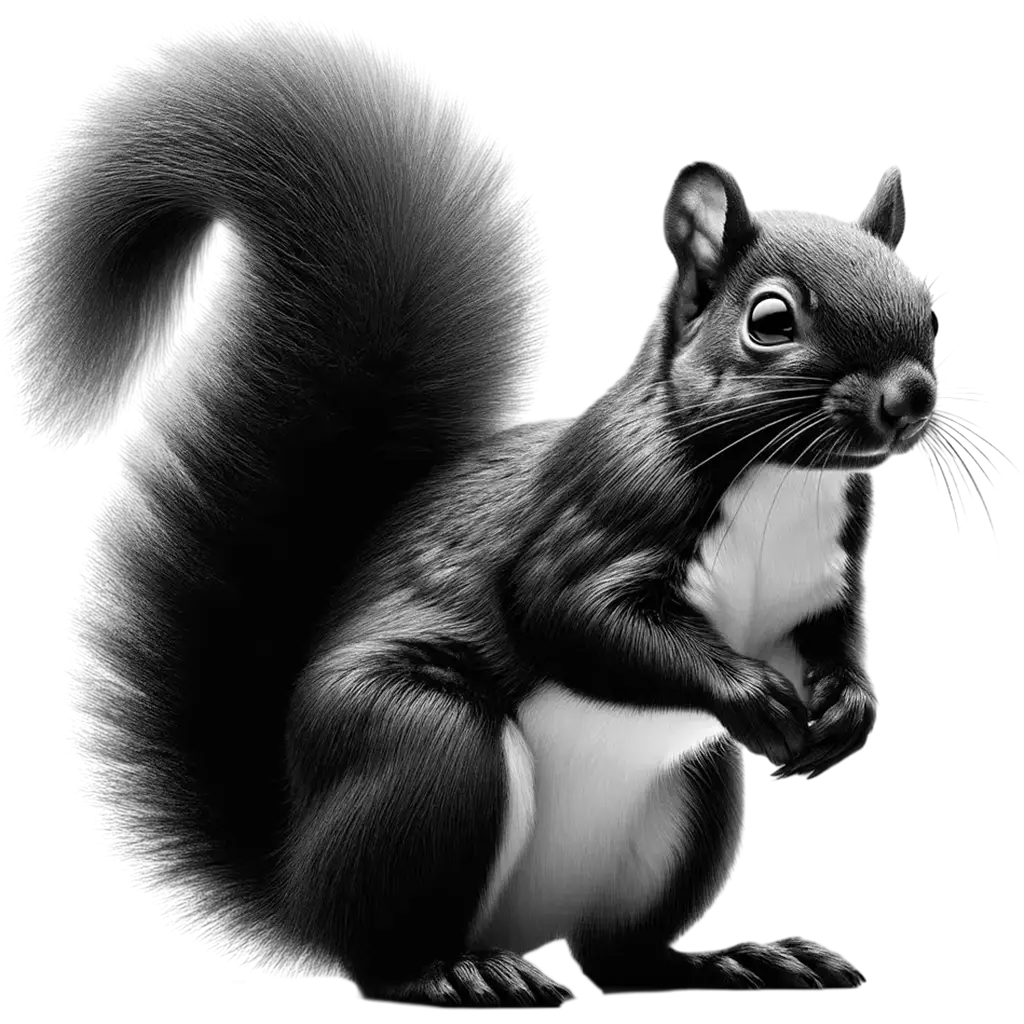
The Mexican Gray Squirrel, sciurus aureogaster, is a medium-sized squirrel native to Central America and southern Mexico. This species is characterized by its distinctive pelage, which varies from gray to brownish-gray on the back with a contrasting reddish or orange underside, making it easily distinguishable from other squirrel species. Adults

The Liger, a hybrid offspring of a male lion and a female tiger, is notable for its impressive size and unique appearance that blends characteristics of both parent species. Typically surpassing both lions and tigers in size, adult Ligers can weigh between 320 to 1,000 kg (705 to 2,200 pounds)
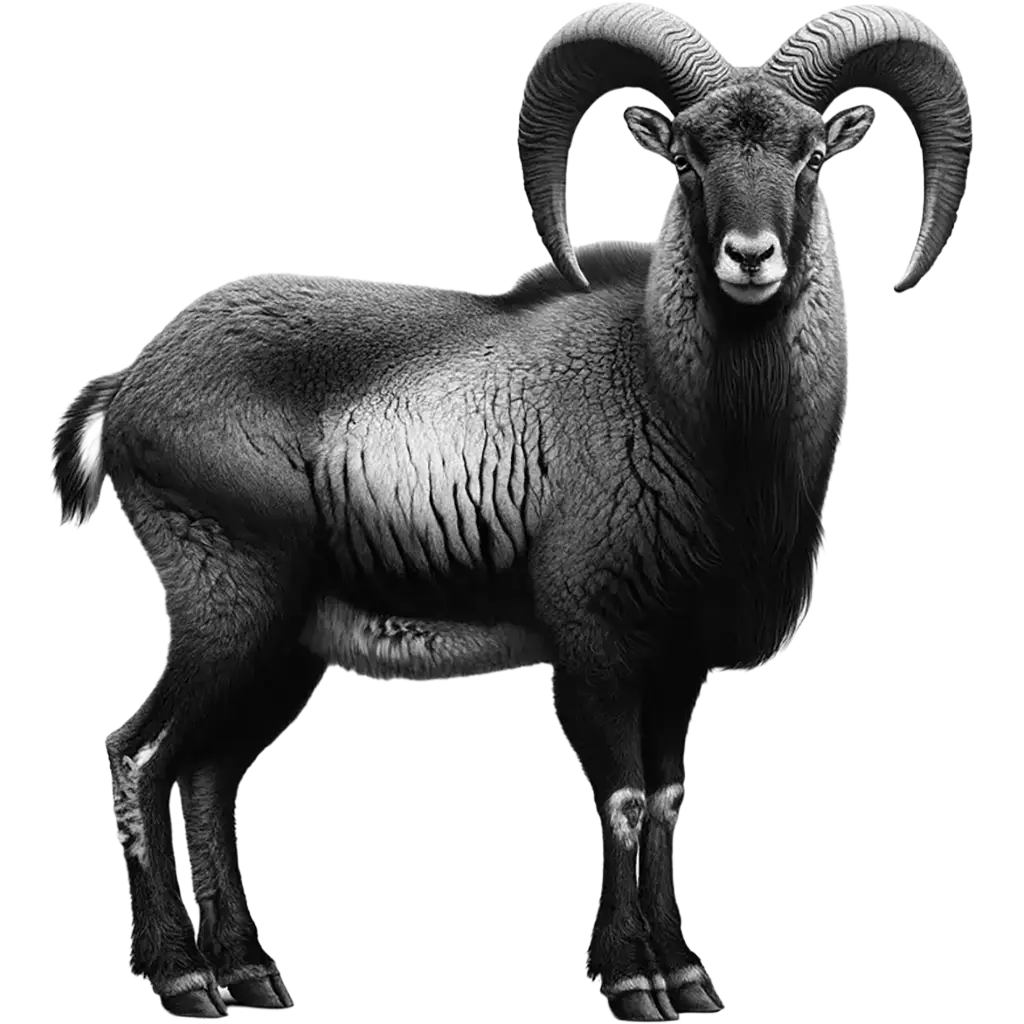
The Mouflon, ovis gmelini, is considered one of the ancestors of modern domestic sheep, distinguished by its rugged appearance and impressive horns. This wild sheep exhibits a short, brownish-red coat in summer that turns to a darker, thicker wool in winter, providing insulation against harsh climates. Males, or rams, boast

The African Forest Buffalo, syncerus caffer nanus, also known as the dwarf buffalo, is significantly smaller than its cousin, the African cape buffalo. It stands about 1 meter tall at the shoulder and weighs between 250 to 320 kilograms. Its body is compact and muscular, with a reddish or chocolate