
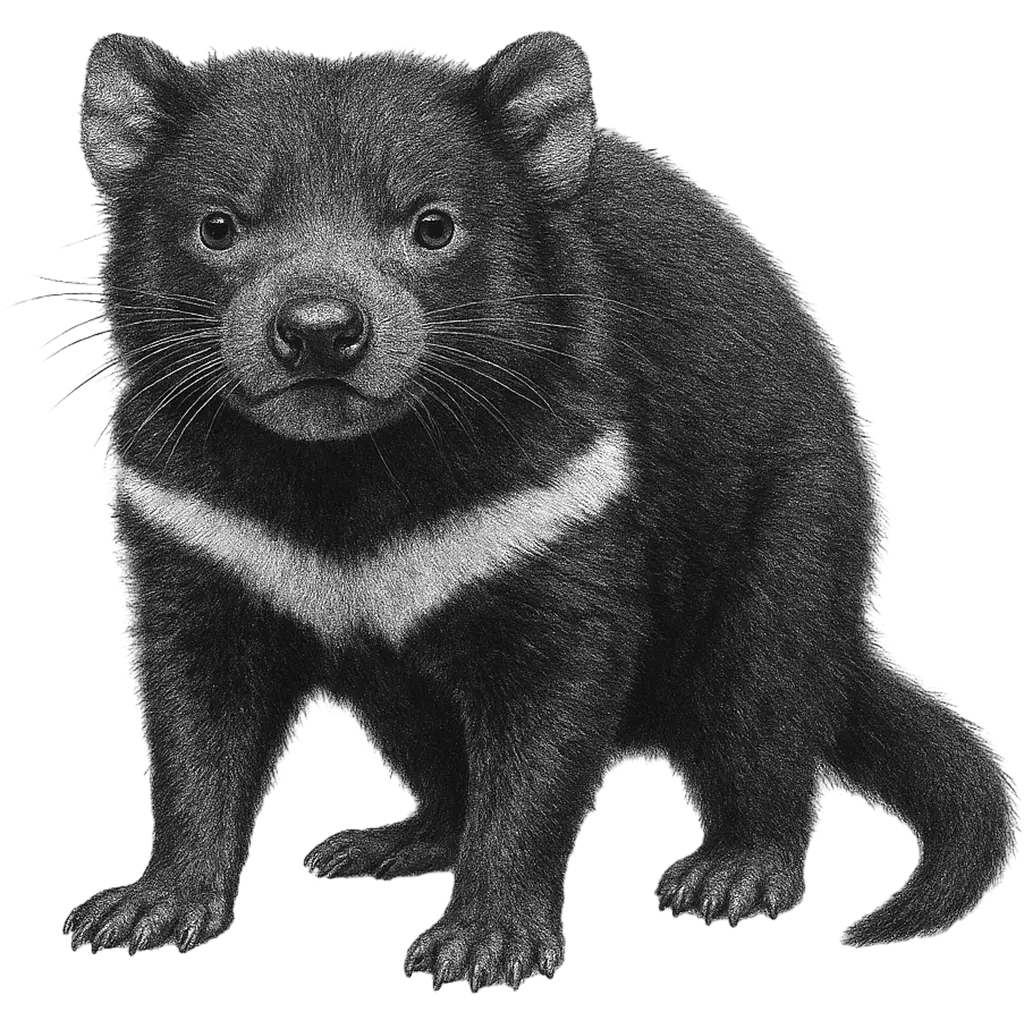
Sarcophilus Harrisii
Tasmanian Devil
Eucalypt woodlands, grasslands, and coastal scrub
With a compact, muscular build, the Tasmanian Devil stands about thirty centimeters at the shoulder and measures sixty to eighty centimeters from nose to tail. Its dense black fur is punctuated by irregular white patches on the chest and rump. The broad head features powerful jaws and sharp premolars, while its small, rounded ears flush red when agitated. Short, sturdy limbs and five-toed feet with strong claws allow it to navigate rocky terrain and dense undergrowth with ease.
| Population: | Approximately 25,000 mature individuals in the wild, population declining due to devil facial tumor disease |
| Generation Length: | 4 years |
| Average Weight: | 4-12 kg |
| Average Length: | 60-80 cm (head-body), tail 20-30 cm |
| Lifespan: | 10-15 years in the wild, up to 20 years in captivity |
| Diet: | Carrion, small mammals, birds, reptiles, and insects |
| Conservation Status: | Endangered (EN) |
The Tasmanian Devil is primarily nocturnal and solitary, roaming kilometers each night in search of food. It relies heavily on scent to locate carrion and live prey, often scavenging roadkill along forest edges and grasslands. Although individuals usually forage alone, multiple devils may converge at abundant feeding sites, competing through snarls, growls, and shove matches. Each devil maintains a home range of five to fifteen square kilometers, marking territory with faeces and scent gland secretions. Daytime activity is limited to resting dens in hollow logs or rocky crevices, where they seek shelter and conserve energy. Adapted to cool temperate climates, they pant and lick limbs to regulate body temperature. Their social interactions are brief and aggressive, minimizing prolonged contact outside mating and feeding encounters.
The Tasmanian Devil is a fearless carnivore and scavenger, consuming carrion as a primary food source and supplementing its diet with small mammals, birds, reptiles, and insects. Powerful jaws and robust premolars allow it to crush bones, hooves, and horns, extracting marrow and nutrients often left behind by larger predators. Devils can consume up to forty percent of their body weight in a single feeding, swallowing fur and flesh indiscriminately before regurgitating indigestible material. During times of prey scarcity, they will actively hunt live prey such as wallabies or possums, using ambush and chase strategies over short distances. Their efficient digestive system and enlarged caecum facilitate bacterial fermentation, enabling nutrient extraction from tough tissues and fostering resilience in fluctuating food availability in Tasmania's variable environments.
Breeding occurs year-round with peaks in March through May, when males and females congregate at communal crushes to court. Courtship involves vocalizations, scent marking, and jaw clapping. After a gestation of about twenty-one days, females give birth to one to four altricial joeys, each weighing under one gram. These hatchlings crawl into the mother's backward-opening pouch, latching onto a teat for up to four months before venturing outside.
Once widespread across Tasmania, these devils now number an estimated twenty-five thousand mature individuals, though figures fluctuate due to devil facial tumor disease outbreaks. Conservation programs including captive breeding, vaccination trials, and habitat protection have stabilized some populations. Despite these efforts, overall numbers remain below historical levels, and localized declines continue. Ongoing monitoring and management actions are essential to ensure the long-term viability of this iconic marsupial predator.
Classifications
The Key Attributes
Features
- Movement:
Quadrupedal
- Territorial Behavior:
Territorial; home range 5-15 km²
- Speed:
Up to 13 km/h
- Diet:
Carnivore
- Physical Features:
- Stocky body
- Dense black fur
- White chest and rump patches
- Large head with powerful jaws
- Pointed ears
- Primary Senses:
- Smell
- Hearing
- Sight
Understanding Habitat and Range
Geography
- Habitat:
Eucalypt woodlands, grasslands, and coastal scrub
- Migration Patterns:
Non-migratory
- Geographical Range:
Tasmania, Australia
- Climate Preferences:
Temperate
Navigating the Wilderness
In the wild
- Predators:
Eagles and other raptors (young individuals); adults have few predators
- Prey:
Small mammals, birds, insects, and reptiles
- Feeding Behavior:
Scavenges carrion and hunts live prey at night
- Diet:
Carrion, small mammals, birds, reptiles, and insects
- Defensive Mechanisms:
- Powerful bite
- Loud screeches
- Thick neck skin
- Preferred Food Sources:
- Carrion
- Wallabies
- Possums
- Birds
- Insects
Insights Into Reproduction
Mating
- Mating System:
Promiscuous
- Number of Offspring:
1-4 joeys per litter
- Gestation Period:
21 days
- Parental Involvement:
- Female provides sole care
- Joeys nursed in pouch for four months
Youngsters Section
Tasmanian Devil
Fun Fact
Tasmanian Devils have the strongest bite relative to body size of any living marsupial.
They can consume up to 40% of their body weight in a single feeding, including bones and fur. Their cartilage-based pouch allows mothers to carry and feed up to four joeys simultaneously. Tasmanian Devils communicate with loud screeches and stomping feet during feeding frenzies.

Download word search puzzles
Word Search Puzzles

Check Out Other Mammals
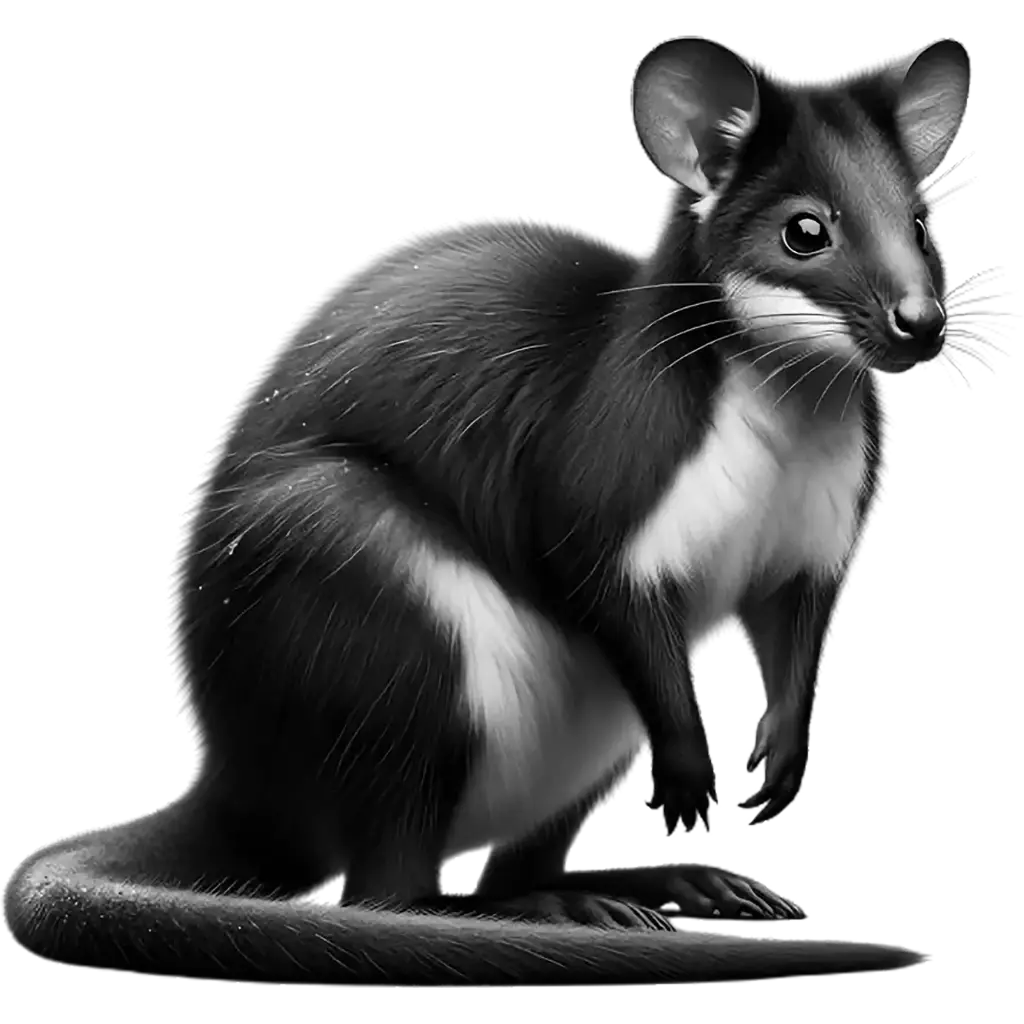
The Musky Rat-Kangaroo, hypsiprymnodon moschatus, is a unique and diminutive marsupial, residing in the dense, wet tropical rainforests of northeastern Queensland, Australia. This species stands out as the smallest and most primitive of the kangaroo family, with adults measuring about 23 to 34 cm in length, including the tail, and
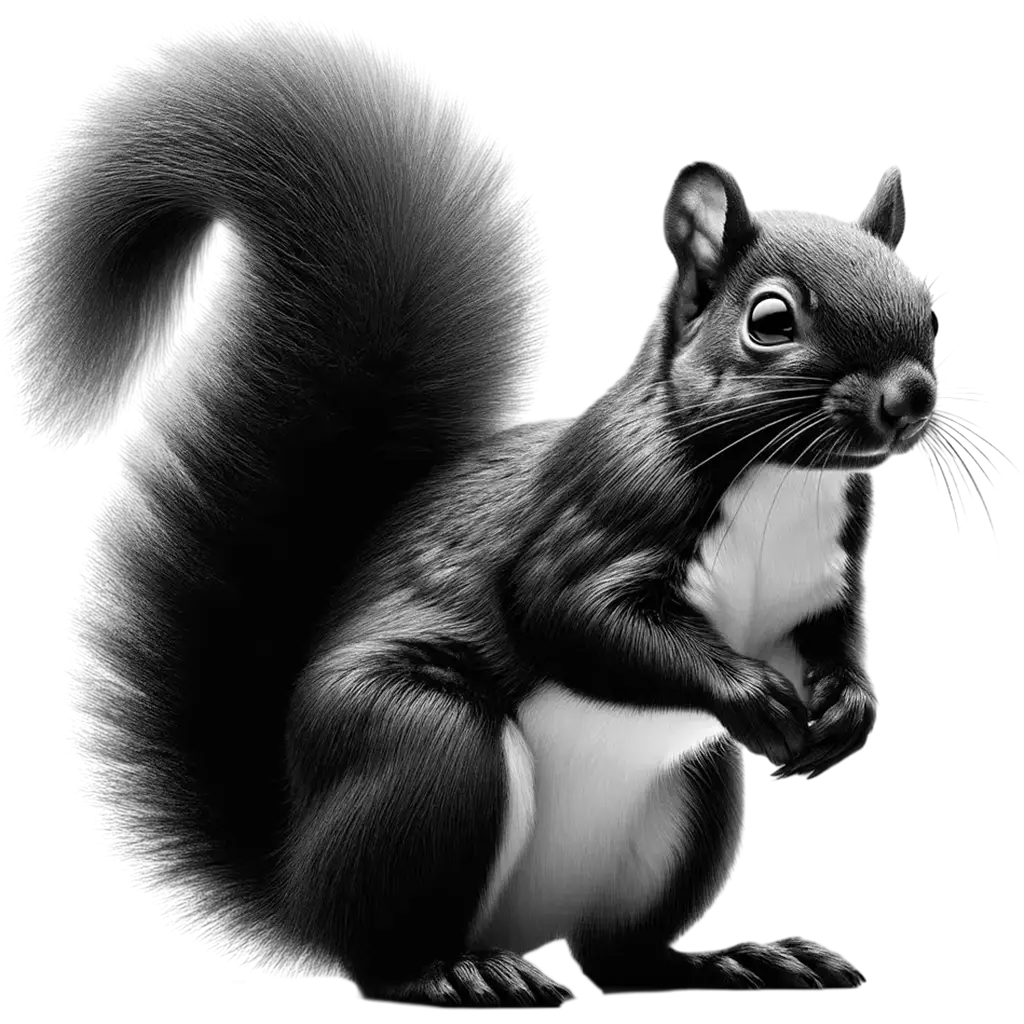
The Mexican Gray Squirrel, sciurus aureogaster, is a medium-sized squirrel native to Central America and southern Mexico. This species is characterized by its distinctive pelage, which varies from gray to brownish-gray on the back with a contrasting reddish or orange underside, making it easily distinguishable from other squirrel species. Adults
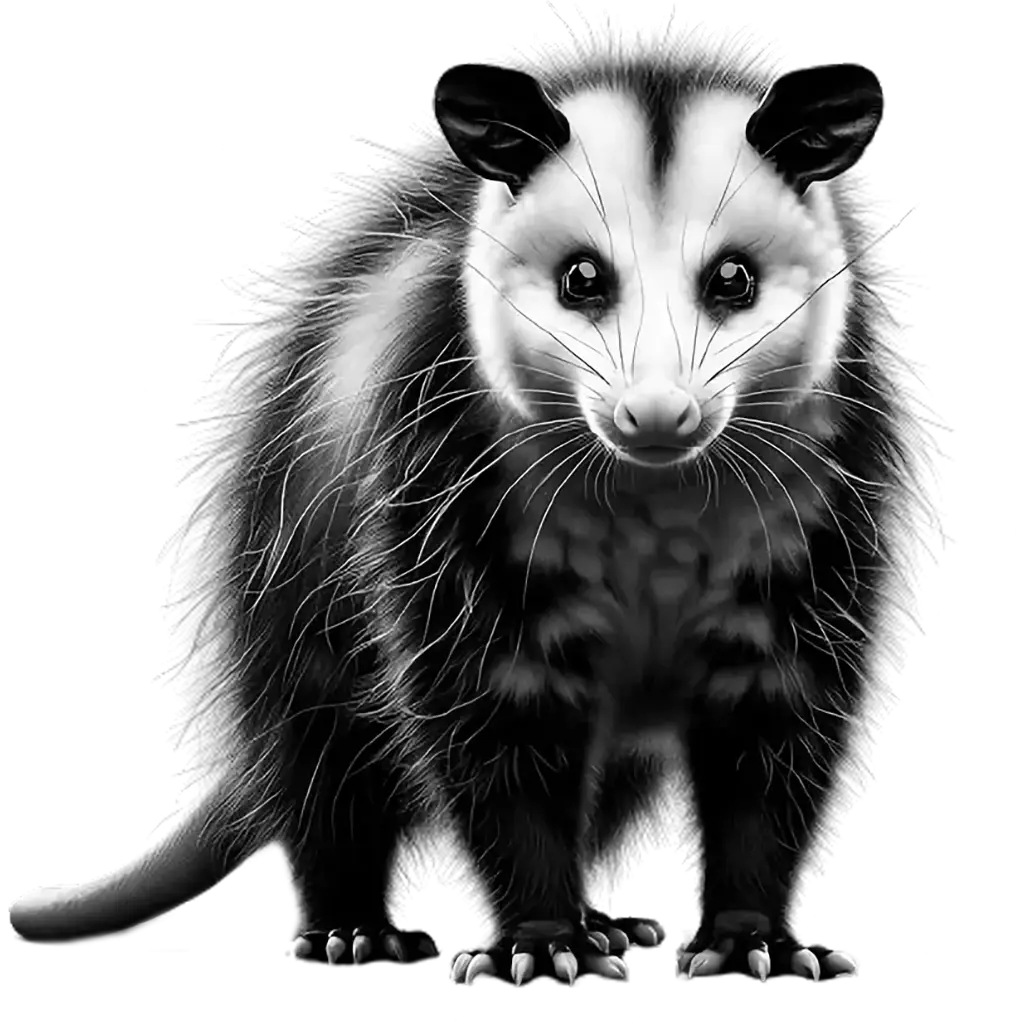
The Virginia Opossum, didelphis virginiana, is North America's only marsupial, recognized for its distinctive appearance and adaptability to diverse environments. Adults typically measure 65 to 94 cm in length, including their prehensile tail, which accounts for almost half their body length and is used for grasping and balance. Their coat
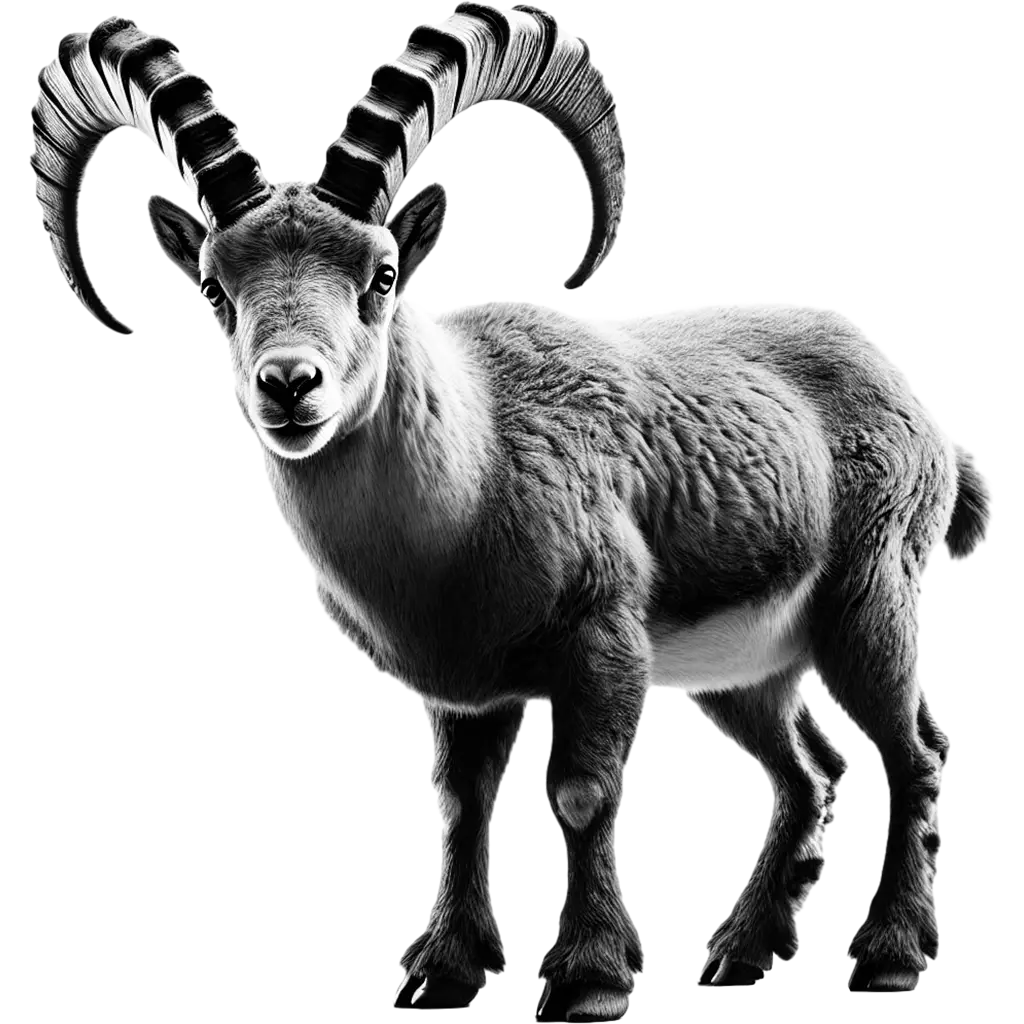
The Pyrenean Ibex was a subspecies of the Spanish Ibex that once roamed the rugged mountains of the Pyrenees. Males had large, curved horns with ridges along their length, while females had shorter, less pronounced horns. Their thick, brownish-gray coat provided insulation against cold mountain climates, and their strong, agile