
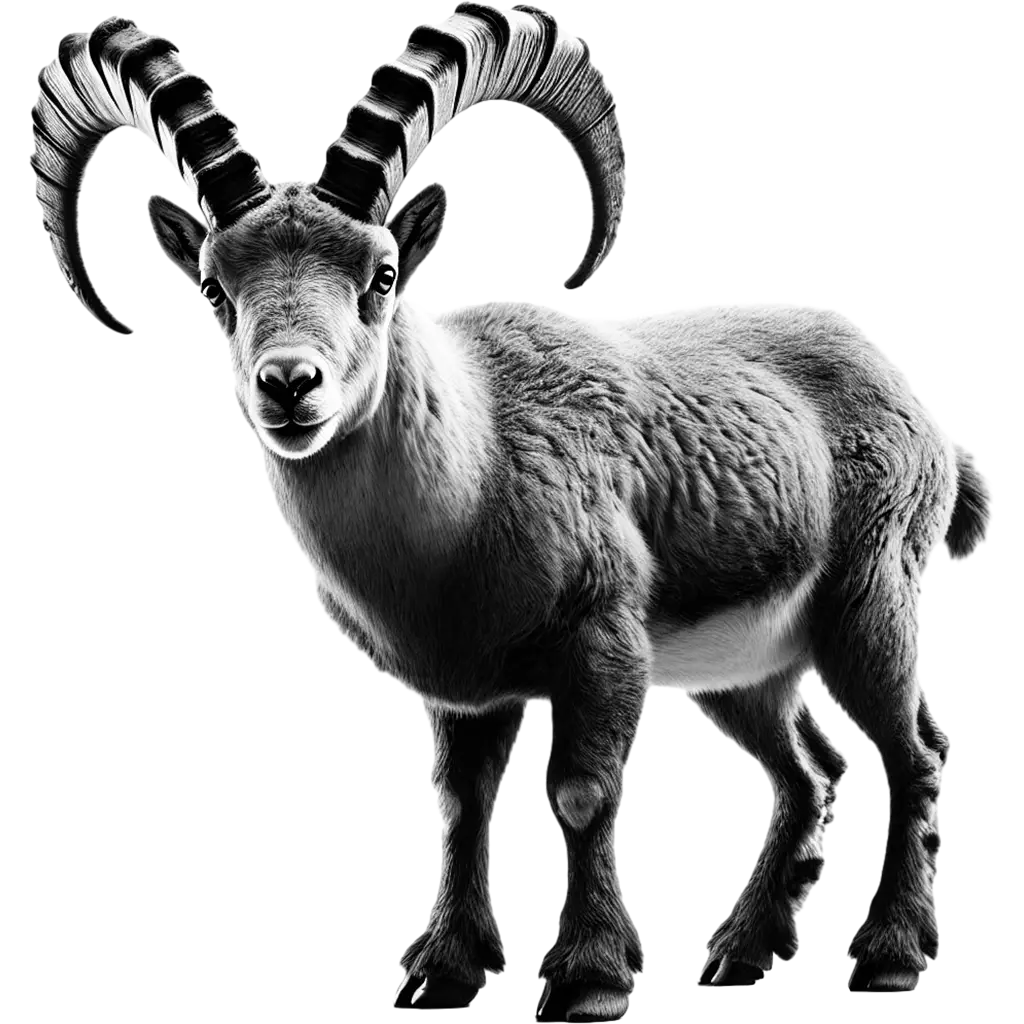
Capra Pyrenaica Pyrenaica
Pyrenean Ibex
Mountainous forests, rocky cliffs, and alpine meadows
The Pyrenean Ibex was a subspecies of the Spanish Ibex that once roamed the rugged mountains of the Pyrenees. Males had large, curved horns with ridges along their length, while females had shorter, less pronounced horns. Their thick, brownish-gray coat provided insulation against cold mountain climates, and their strong, agile bodies made them well-adapted to rocky terrain. Adult males could weigh up to 100 kg, while females were significantly smaller.
| Population: | Extinct (Last individual died in 2000) |
| Generation Length: | 6-8 years |
| Average Weight: | 80-100 kg (males), 30-45 kg (females) |
| Average Length: | 1.3-1.7 meters (body), 12-15 cm (tail) |
| Lifespan: | 10-15 years in the wild |
| Diet: | Grasses, shrubs, moss, lichens |
| Conservation Status: | Extinct (EX) |
Living in mountainous regions, Pyrenean Ibexes were highly social, forming small groups of females and their offspring, while males were more solitary except during the breeding season. They were well-adapted to steep, rocky landscapes, using their specialized hooves to grip uneven surfaces with precision. Seasonal migrations allowed them to move between higher and lower elevations depending on food availability.
As herbivores, Pyrenean Ibexes primarily grazed on grasses, shrubs, and alpine plants. During harsh winters, they relied on mosses and lichens to survive. Their ability to digest fibrous vegetation allowed them to thrive in nutrient-poor environments. Their feeding habits played an essential role in maintaining the ecological balance of their habitat by controlling plant growth.
Mating season occurred in late autumn, with males competing for access to females through headbutting contests. After a gestation period of around 160-170 days, females gave birth to one or two kids, which were able to climb within hours of being born. The young remained with their mother for several months, learning essential survival skills before becoming independent.
The Pyrenean Ibex became extinct in 2000 due to a combination of overhunting, habitat loss, and competition with livestock. Despite efforts to conserve the species, the population continued to decline throughout the 20th century. A cloning attempt in 2003 briefly brought the species back to life, but the cloned individual died shortly after birth due to lung complications. Today, the Pyrenean Ibex remains a symbol of conservation challenges and the importance of protecting endangered species.
Classifications
The Key Attributes
Features
- Movement:
Quadrupedal, excellent climber
- Territorial Behavior:
Social, forming small groups
- Speed:
Agile, capable of navigating steep terrain quickly
- Diet:
Herbivore
- Physical Features:
- Thick, brownish-gray coat
- Large, curved horns in males
- Compact and muscular body
- Specialized hooves for rocky terrain
- Primary Senses:
- Sight
- Hearing
- Smell
Understanding Habitat and Range
Geography
- Habitat:
Mountainous forests, rocky cliffs, and alpine meadows
- Migration Patterns:
Seasonal movement between elevations
- Geographical Range:
Formerly found in the Pyrenees between France and Spain
- Climate Preferences:
Cool, temperate mountain environments
Navigating the Wilderness
In the wild
- Predators:
Historically preyed upon by wolves, lynxes, and eagles
- Prey:
None (herbivorous)
- Feeding Behavior:
Grazes on grasses, leaves, and shrubs
- Diet:
Grasses, shrubs, moss, lichens
- Defensive Mechanisms:
- Agile climbing to escape predators
- Group vigilance for early predator detection
- Camouflage against rocky landscapes
- Preferred Food Sources:
- Alpine grasses
- Bush leaves
- Lichens
- Moss
Insights Into Reproduction
Mating
- Mating System:
Polygynous
- Number of Offspring:
1-2 kids per birth
- Gestation Period:
160-170 days
- Parental Involvement:
- Females provide all maternal care
Youngsters Section
Pyrenean Ibex
Fun Fact
The Pyrenean Ibex was the first extinct species to be cloned, but the cloned individual survived only minutes.
It was once widespread in the Pyrenees but declined due to hunting and habitat competition before going extinct in 2000.

Download word search puzzles
Word Search Puzzles
Check Out Other Mammals

The Volpino Italiano is a small, Spitz-type breed of dog, originating from Italy, known for its fluffy coat and fox-like appearance. It stands between 25 to 30 cm tall at the shoulder and weighs around 4 to 5 kg. The breed features a dense, long coat that can be white,
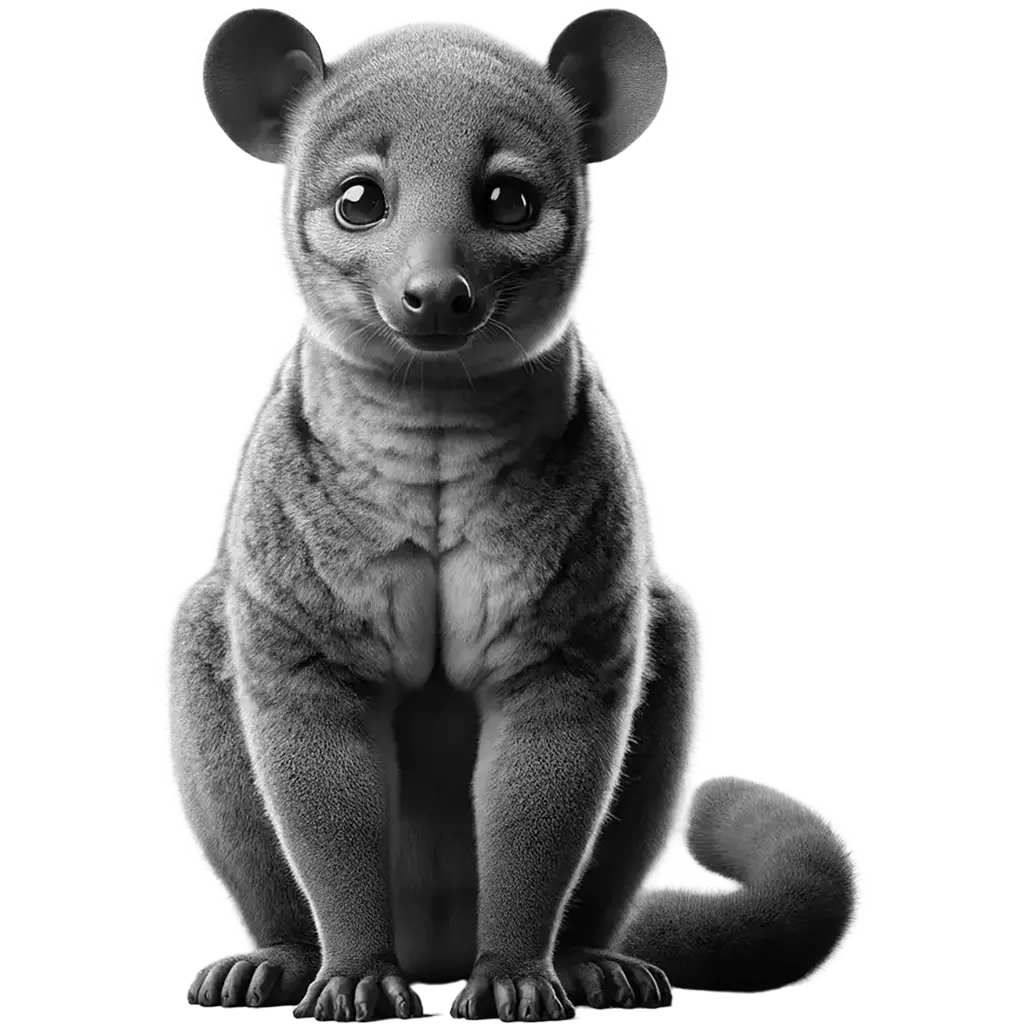
The Kinkajou, potos flavus, is a small, nocturnal mammal native to the rainforests of Central and South America. Often mistaken for a primate, the Kinkajou is actually part of the Procyonidae family, which includes raccoons and coatis. This elusive creature has a dense, woolly coat that ranges in color from
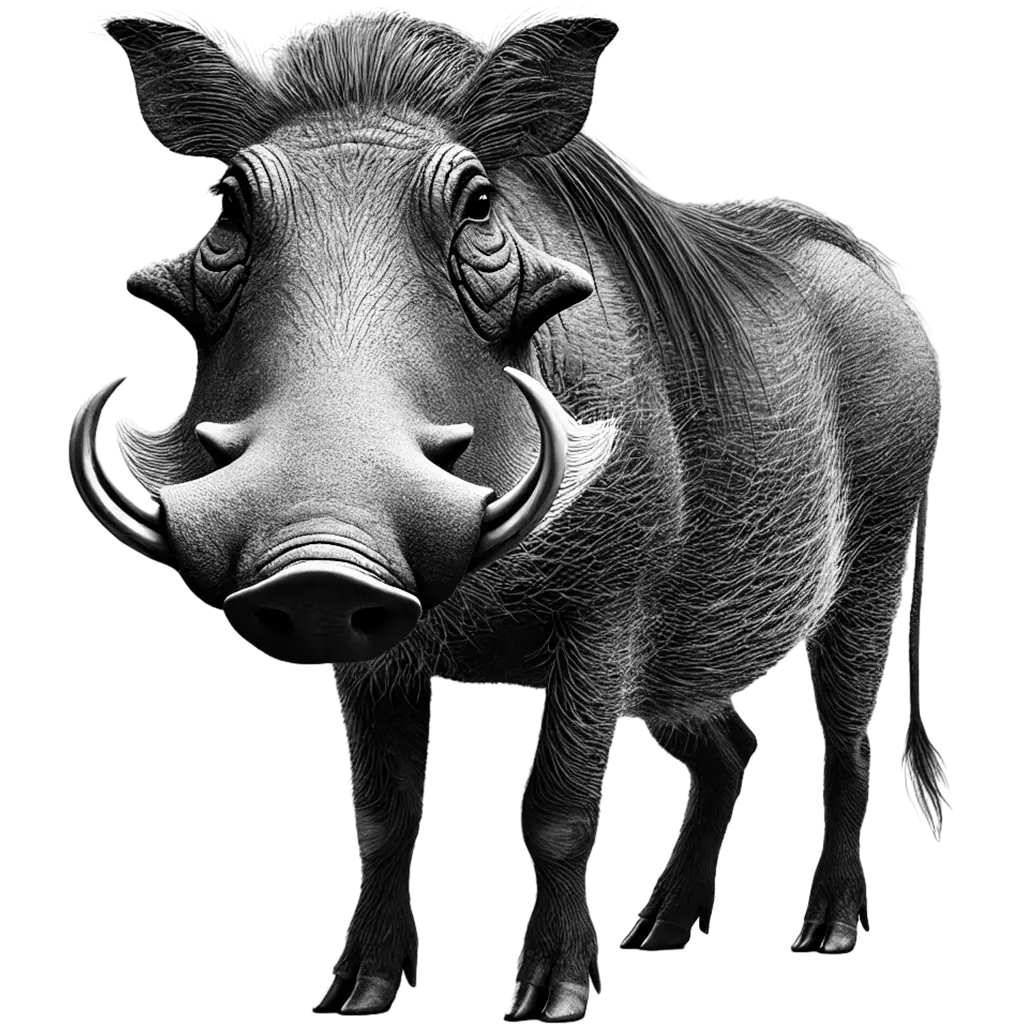
The Common Warthog exhibits a robust, pig-like face marked by prominent facial warts and a pair of upward-curving tusks. Its coarse, bristly hair displays a natural palette of grayish to light brown hues, while its muscular build, sturdy legs, and long, tapering snout give it a distinctive silhouette ideal for

The Harrier, a medium-sized breed of dog, is known for its prowess in hunting hares and foxes in packs, embodying a blend of stamina and agility. Adults typically stand between 48 to 53 centimeters (19 to 21 inches) at the shoulder and weigh between 18 to 27 kilograms (40 to