
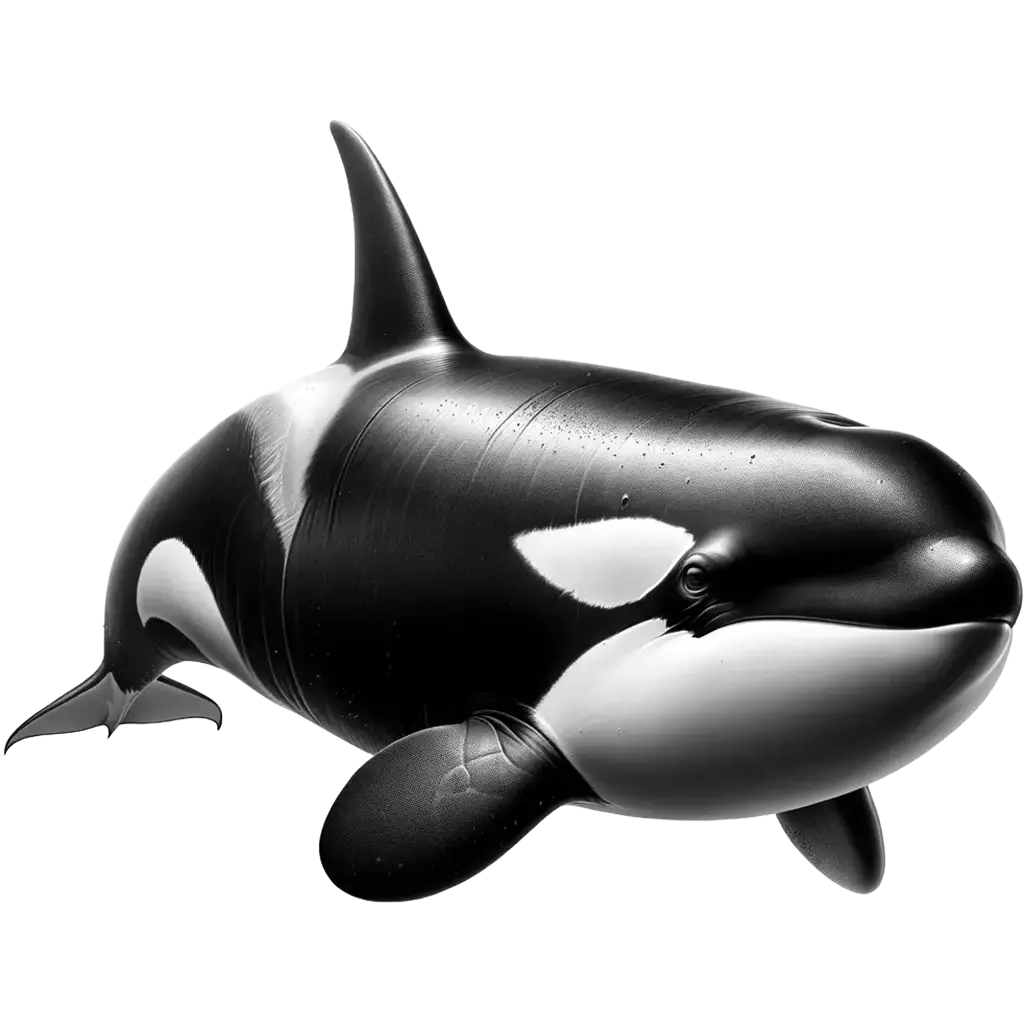
Orcinus Orca
Orca
Found in all the world's oceans, from the Arctic and Antarctic regions to tropical seas
The Orca, orcinus Orca, commonly known as the killer whale, is a highly intelligent and adaptable marine mammal found in all the world's oceans. Recognized by their striking black and white coloration, adult males are distinguished by their tall, triangular dorsal fins, which can reach heights of up to 1.8 meters (6 feet), making them one of the most recognizable marine species. Females and juveniles have smaller, more curved dorsal fins. Orcas are among the largest dolphin family members, with males measuring up to 9 meters (30 feet) long and weighing over 6 tons, while females are slightly smaller.
| Population: | Listed as Data Deficient by the IUCN, with some populations endangered |
| Generation Length: | 20-25 years |
| Average Weight: | Up to 6,000-8,000 kg for males, 3,000-5,000 kg for females |
| Average Length: | 6-8 meters for males, 5-7 meters for females |
| Lifespan: | 50-90 years |
| Diet: | Apex predator with a diverse diet based on regional prey availability |
| Conservation Status: | Data Deficient (DD) |
Orcas are highly social animals, living in complex social structures known as pods, which can contain up to 40 individuals. These pods are often matrilineal, with strong bonds between family members that last a lifetime. Their sophisticated hunting techniques and vocal behaviors, including the use of distinct calls and echolocation, are learned behaviors passed down through generations, indicating a high level of intelligence and cultural diversity among different Orca populations.
Their diet is diverse and can include fish, squid, seabirds, and marine mammals such as seals, sea lions, and even large whales. Orcas have been observed using coordinated hunting strategies, showcasing their role as apex predators in the marine ecosystem. This diet variability often reflects the Orca's geographic location and the prey available in their particular habitat.
Reproduction in Orcas involves complex social interactions, with females giving birth to a single calf after a 17-month gestation period. The calf is nurtured and taught hunting skills by the mother and other pod members, emphasizing the importance of social bonds in their development and survival.
The population status of Orcas varies globally, with some populations considered stable and others at risk due to threats such as pollution, depletion of prey species, habitat loss, and captures for marine parks. Conservation efforts are focused on protecting their natural habitats, regulating fishing practices, and reducing marine pollution to ensure the survival of Orca populations worldwide. The Orca's presence in diverse marine environments underscores its importance as an indicator of ocean health and the need for concerted global conservation efforts.
Classifications
The Key Attributes
Features
- Movement:
Swimming
- Territorial Behavior:
Highly social with complex pod structures
- Speed:
Up to 56 km/h
- Diet:
Carnivore
- Physical Features:
- Large, robust body with a distinctive black and white coloration
- Tall dorsal fin, especially in males
- Powerful tail flukes for swimming
- Conical teeth for catching prey
- Primary Senses:
- Echolocation
- Hearing
- Sight
Understanding Habitat and Range
Geography
- Habitat:
Found in all the world's oceans, from the Arctic and Antarctic regions to tropical seas
- Migration Patterns:
Some populations are migratory, following prey movements
- Geographical Range:
Global distribution
- Climate Preferences:
Adaptable to a wide range of oceanic environments
Navigating the Wilderness
In the wild
- Predators:
No natural predators, but young orcas can be vulnerable to large sharks
- Prey:
Fish, squid, sea birds, seals, sea lions, whales, and sharks
- Feeding Behavior:
Varied diet depending on the pod's culture, including fish, seals, and sometimes whales
- Diet:
Apex predator with a diverse diet based on regional prey availability
- Defensive Mechanisms:
- Social cooperation in pods for hunting and defense
- Size and strength
- Intelligence and strategic hunting techniques
- Preferred Food Sources:
- Depends on the particular pod's dietary habits and hunting methods
Insights Into Reproduction
Mating
- Mating System:
Polygynous
- Number of Offspring:
Usually one calf
- Gestation Period:
About 17 months
- Parental Involvement:
- High, with calves dependent on the mother and supported by the pod
Youngsters Section
Orca
Fun Fact
Orcas are highly social animals that live in family groups called pods. These pods can have up to 40 members.
Known as "wolves of the sea," orcas use sophisticated hunting techniques and vocalizations. They hunt cooperatively, often targeting large prey, such as seals and even whales. Each pod has its own unique set of vocalizations, much like a dialect, which helps members communicate effectively and strengthens social bonds.

Download word search puzzles
Word Search Puzzles


Check Out Other Mammals

The Diana Monkey, cercopithecus diana, is a striking and colorful primate native to the West African rainforests, ranging from Sierra Leone to the Ivory Coast. Adults exhibit a distinctive pelage with a black or dark grey back, white throat, chest, and a crescent-shaped white brow above the eyes, which gives
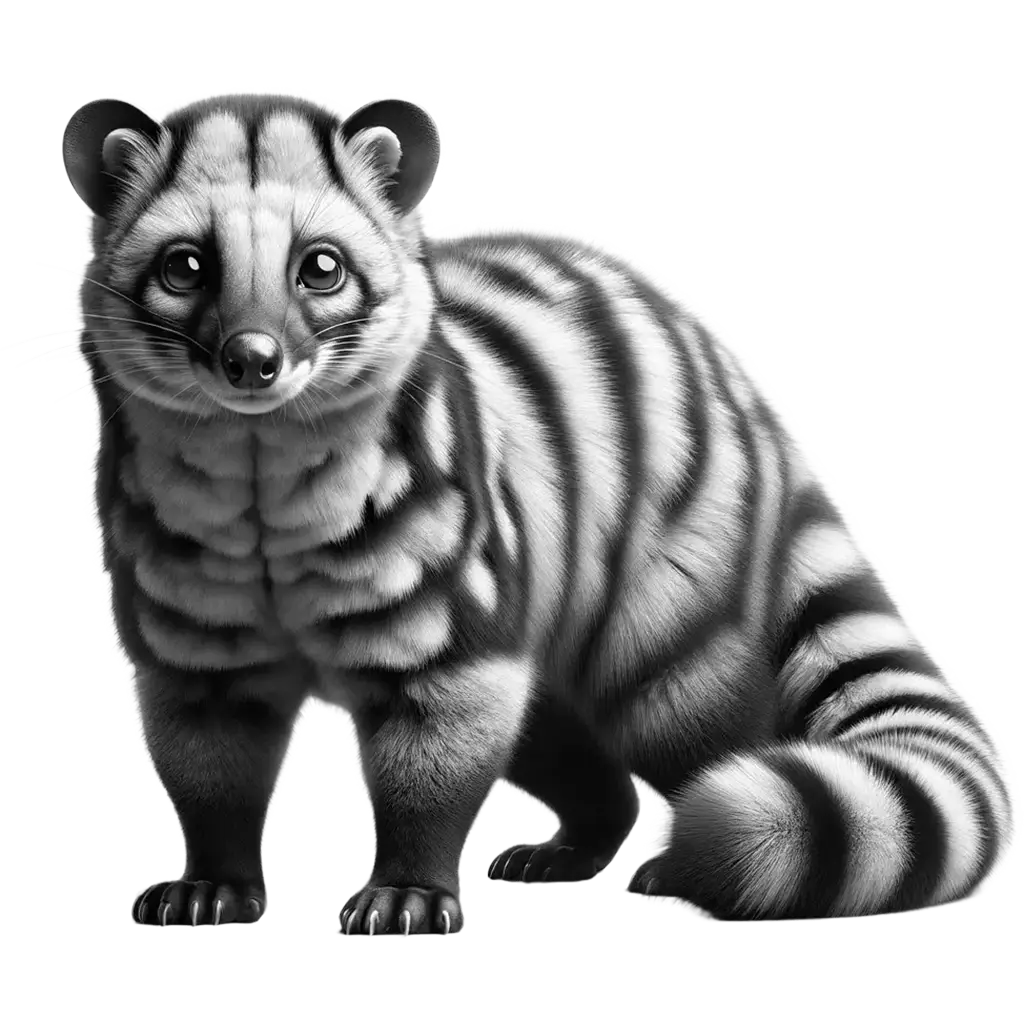
The Banded Palm Civet, hemigalus derbyanus, is a small, nocturnal mammal unique to the dense tropical forests of Southeast Asia, including Malaysia, Indonesia, and Thailand. Characterized by its striking appearance, this civet has a slender body measuring 41 to 53 cm in length, with a tail almost equal in length,

The African Forest Elephant, loxodonta cyclotis, is the smaller of the two African elephant species, distinguished by its more rounded ears and straighter tusks, which are thinner and downward pointing compared to those of its savannah cousin. Adults typically stand 2.5 meters tall at the shoulder, making them smaller than

The Sea Otter is a marine mammal known for its dense fur, which is the thickest of any animal, with up to a million hairs per square inch. This fur provides essential insulation, as they lack blubber like other marine mammals. They are highly adapted to aquatic life, with webbed