
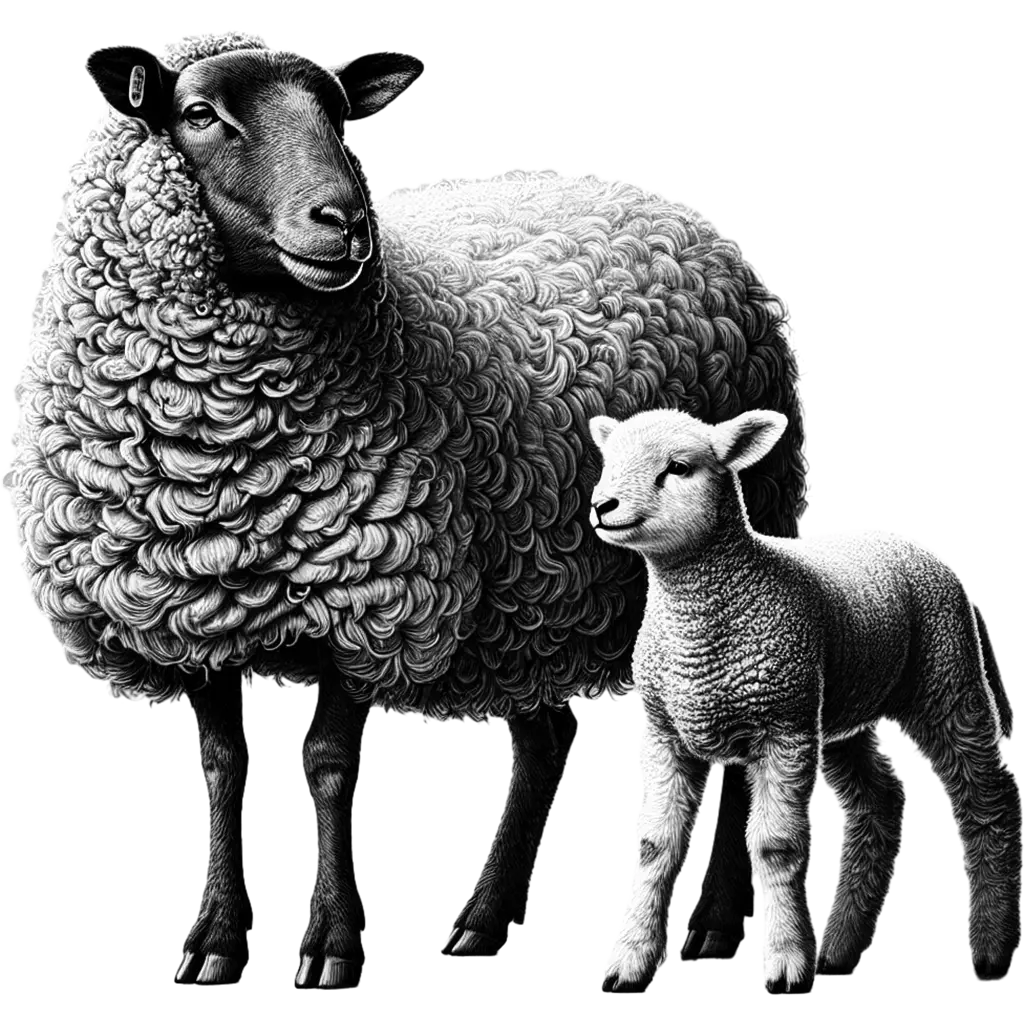
Top ten fascinating facts about
Domestic Sheep
Ovis Aries
Domestic sheep have rectangular pupils, which grant them an impressive field of vision. These unique pupils allow sheep to see approximately 270 to 320 degrees around them. This wide field of view helps them spot predators and navigate their surroundings effectively. Unlike humans, sheep can also see in dim light, aiding their survival in various environments.
Sheep have an excellent field of vision, around 270 to 320 degrees
Sheep possess large, rectangular pupils that give them a wide peripheral vision, almost panoramic in scope. This remarkable visual range allows them to detect predators approaching from behind without turning their heads. Their eye placement on the sides of their heads further enhances this ability, making them highly vigilant animals in open fields where they graze.
There are over 1,000 distinct breeds of sheep worldwide
Sheep are one of the most diverse domesticated animals, with breeds adapted to various climates and purposes. From the fine-wool Merino sheep of Australia to the hardy Shetland sheep of Scotland, each breed has unique characteristics. This diversity makes them invaluable for producing wool, meat, milk, and even for landscape management through grazing.
Sheep have a strong flocking instinct and can recognize individual faces
Highly social creatures, sheep prefer to stay in groups for safety and companionship. They exhibit strong flocking behavior, moving together as a unit. Remarkably, sheep can recognize and remember up to 50 individual sheep and human faces for several years. This facial recognition helps them maintain social hierarchies and relationships within the flock.
Sheep were among the first animals domesticated by humans, around 11,000 years ago
Evidence suggests that sheep were domesticated in the Fertile Crescent of the Middle East around 9,000 BCE. Early humans valued them for their meat, milk, and wool, which could be spun into textiles. The domestication of sheep was a significant step in human civilization, aiding in the development of agriculture and settled communities.
A sheep's wool continuously grows, necessitating regular shearing
Unlike their wild ancestors, many domestic sheep breeds have been selectively bred to produce wool that doesn't shed naturally. This means their wool keeps growing throughout their lives. If not sheared regularly, the excessive wool can lead to health issues like overheating and mobility problems. The famous sheep Shrek avoided shearing for six years, resulting in a fleece weighing over 60 pounds (27 kilograms).
Sheep have rectangular pupils that help them see predators approaching
The unique shape of their pupils allows sheep to have a broad horizontal vision, which is crucial for spotting predators in their peripheral view. This adaptation helps them scan the horizon effectively without moving their heads, keeping them alert to potential dangers while they graze.
The first mammal cloned from an adult cell was a sheep named Dolly
In 1996, Dolly the sheep became the first mammal successfully cloned from an adult somatic cell by scientists at the Roslin Institute in Scotland. Dolly's creation was a groundbreaking achievement in genetic engineering, demonstrating that specialized cells could be reprogrammed to create an exact genetic replica of the original organism.
Sheep have a split upper lip that aids in grazing
Sheep's upper lip is divided by a groove called a philtrum, allowing them to select specific leaves and shoots when feeding. This split enables them to graze very close to the ground and be selective in their diet, which is beneficial for both the sheep and the maintenance of the pasture ecosystem.
Sheep are intelligent and can navigate complex mazes
Contrary to popular belief, sheep exhibit intelligence and problem-solving abilities. Studies have shown that they can navigate mazes, remember how to perform tasks, and learn from each other. Their cognitive skills are comparable to those of cattle and, in some cases, even pigs, indicating a higher level of intelligence than often assumed.
Sheep communicate with each other through vocalizations called bleats
Vocal communication is vital for sheep, especially between ewes and their lambs. Each sheep has a distinctive bleat that allows them to recognize one another. These vocalizations help maintain social bonds, signal distress, or coordinate movements within the flock, playing an essential role in their social structure.
Check Out Other Mammals

The Indian Giant Squirrel, ratufa indica, also known as the Malabar Giant Squirrel, is a large, arboreal rodent native to India. This species is renowned for its impressive size, with a body length of 25 to 45 cm and an equally long tail, adding another 35 to 60 cm. Its
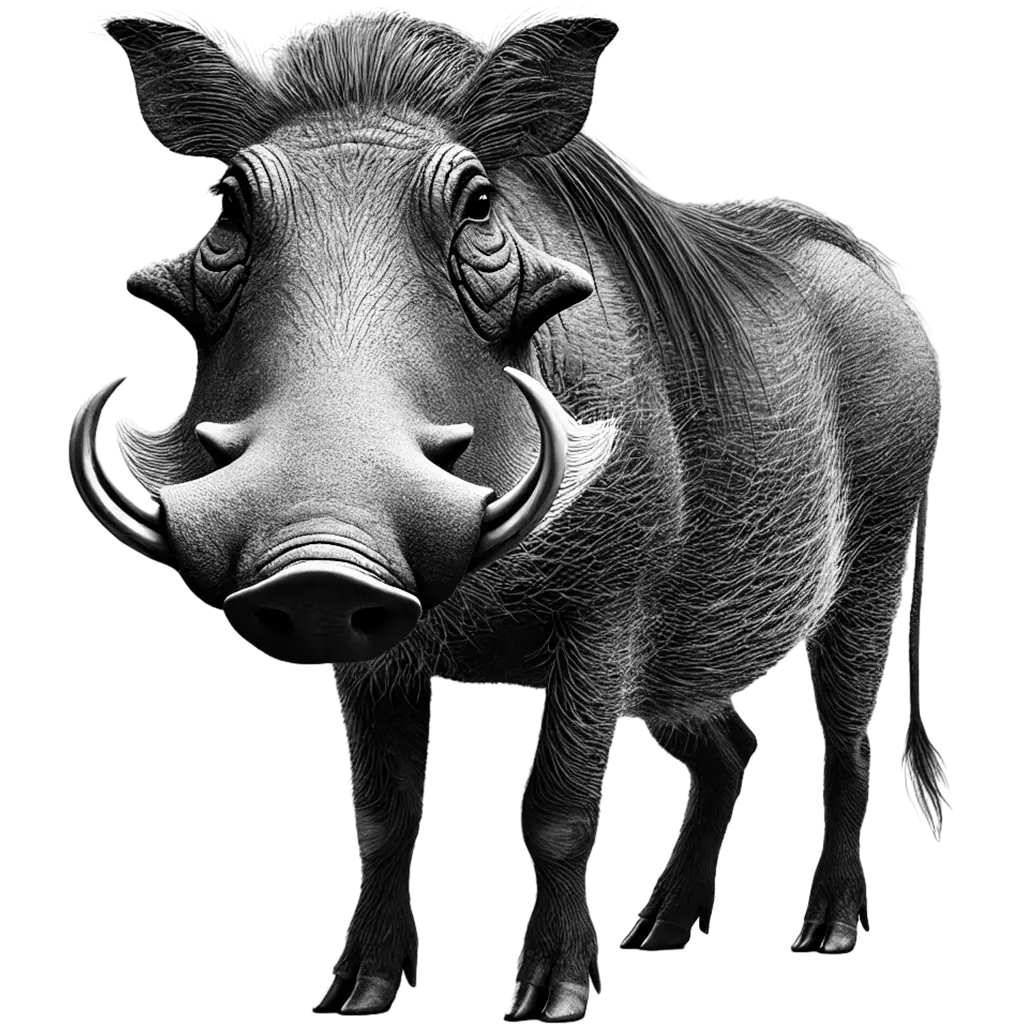
The Common Warthog exhibits a robust, pig-like face marked by prominent facial warts and a pair of upward-curving tusks. Its coarse, bristly hair displays a natural palette of grayish to light brown hues, while its muscular build, sturdy legs, and long, tapering snout give it a distinctive silhouette ideal for
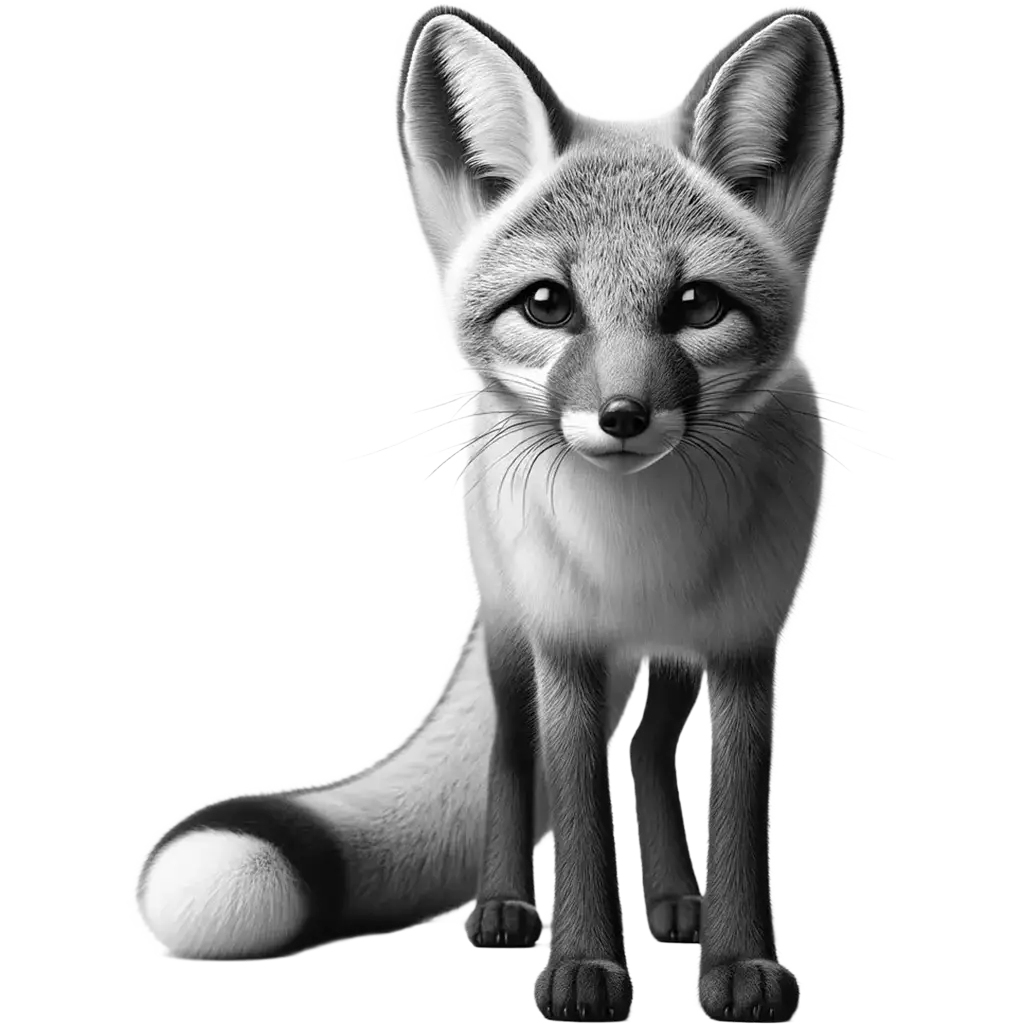
The Kit Fox, vulpes macrotis, is a small North American fox known for its slender build, large ears, and a bushy tail with a black tip. These adaptations not only contribute to its distinctive appearance but also play crucial roles in its survival within arid and semi-arid environments, including deserts,
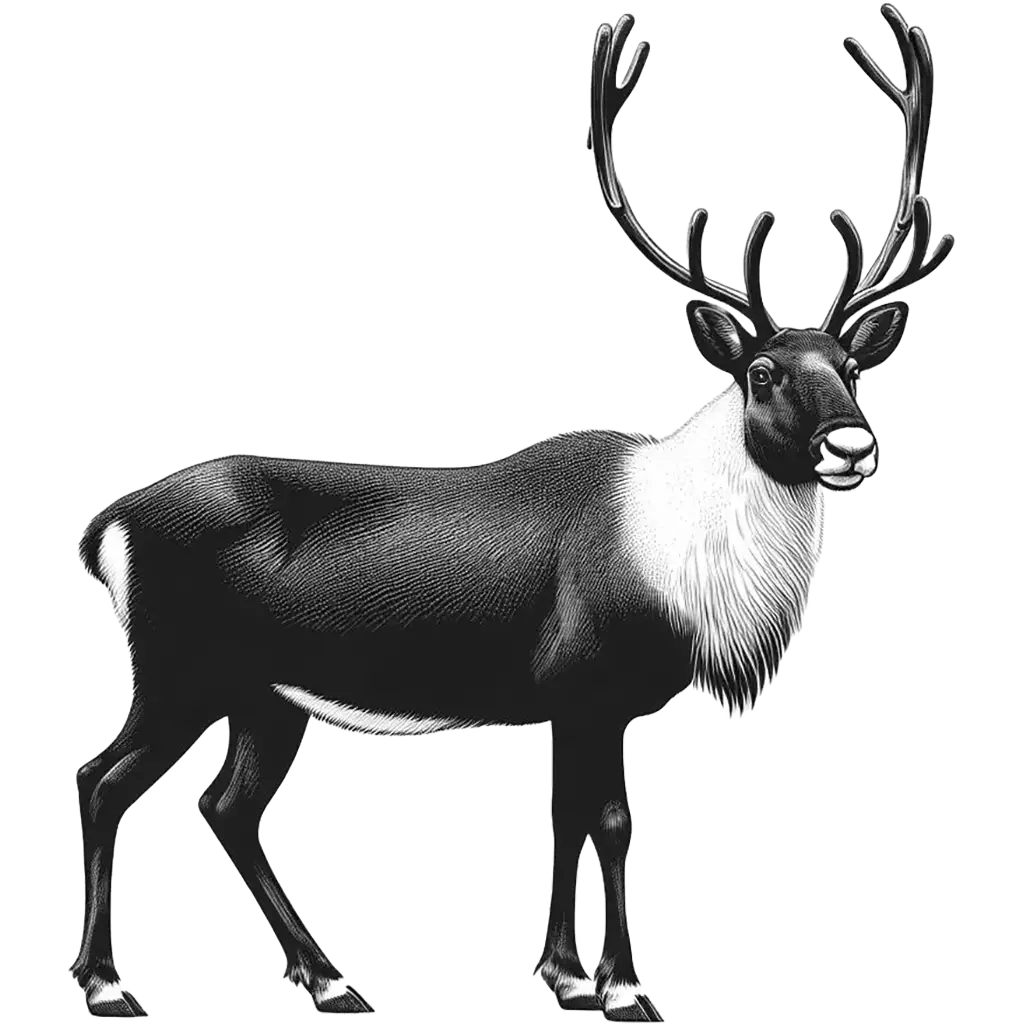
The Reindeer, rangifer tarandus, also known as the caribou in North America, is a species of deer native to Arctic, sub-Arctic, tundra, boreal, and mountainous regions of northern Europe, Siberia, and North America. This species is unique among deer for its adaptations to cold environments, including a thick coat of