
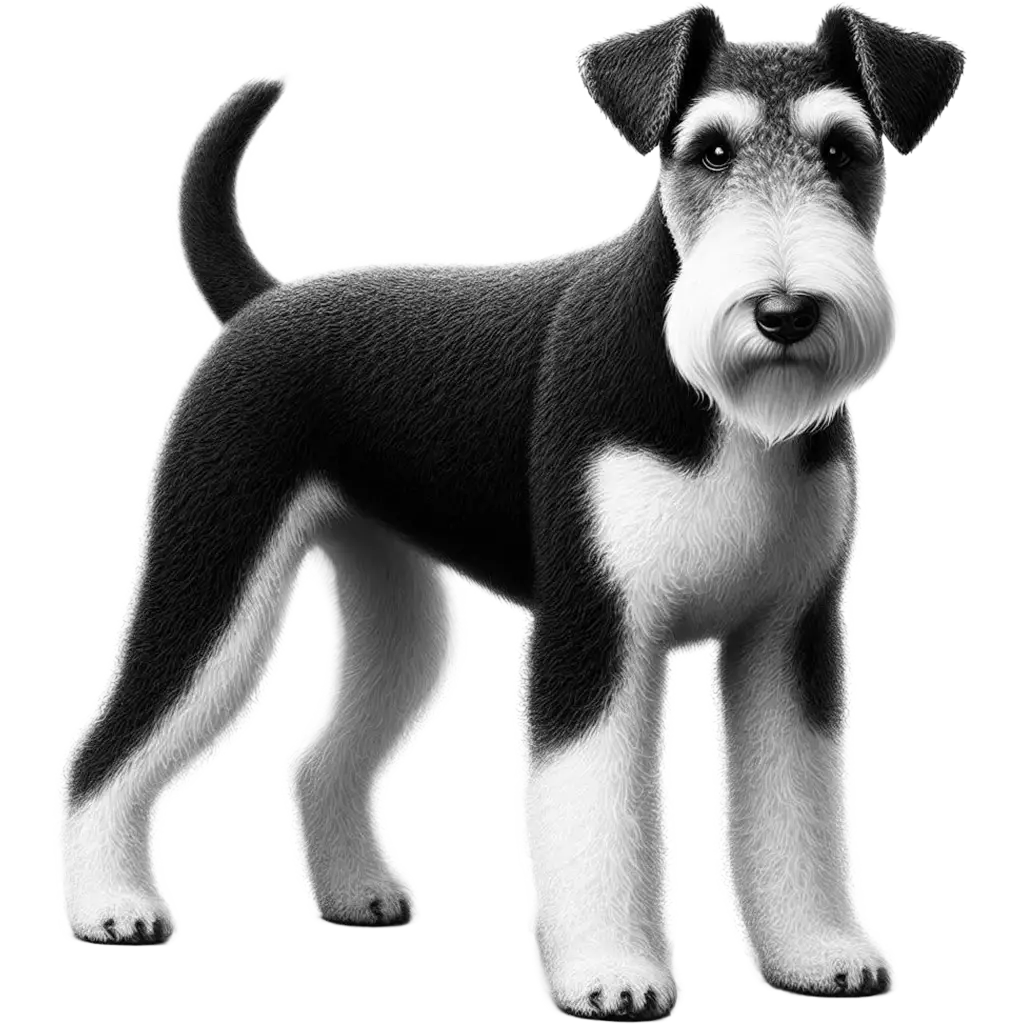
Canis Lupus
Fox Terrier
Domestic environments, adaptable to city or country living
The Fox Terrier, a distinguished member of the terrier group, is a small to medium-sized dog breed known for its lively disposition and elegant appearance. There are two main types: the Smooth Fox Terrier, characterized by a sleek, smooth coat, and the Wire Fox Terrier, which boasts a distinctive rough, wiry coat. Both types typically feature predominantly white fur with black or brown markings. An adult Fox Terrier stands about 15.5 inches at the shoulder and weighs between 15 to 18 pounds. Their alert expression, coupled with pointed ears and a tapered tail, often docked in countries where the practice is still permitted, contributes to their spirited and keen appearance.
| Population: | Popular breed, though specific numbers are not quantified |
| Generation Length: | 3-4 years |
| Average Weight: | Smooth: 6.8-8.6 kg, Wire: 7-9 kg |
| Average Length: | Height at the withers is 39-41 cm, though not usually measured due to breed variation |
| Lifespan: | 12-15 years |
| Diet: | Domesticated diet managed by owners |
| Conservation Status: | Not Evaluated (NE) |
Fox Terriers are known for their boundless energy and intelligent, curious nature. They were originally bred for hunting foxes, a task requiring courage, determination, and agility. These traits carry over into their modern lifestyle, where they excel in various dog sports and enjoy activities that challenge their minds and bodies. Despite their hunting heritage, they are adaptable and can thrive in both rural and urban environments, provided they receive sufficient exercise. They are also known for their strong prey drive, which can make them unsuitable for households with small pets.
Diet and nutrition play crucial roles in maintaining the health and vitality of Fox Terriers. They thrive on high-quality dog food that suits their age, size, and activity level. Given their active nature, their diet should be carefully managed to prevent obesity, especially in less active individuals or as they age. Occasional treats can be used effectively in training, but it's important to ensure these do not constitute more than 10% of their total calorie intake.
The mating habits of Fox Terriers follow the typical canine reproductive cycle, with females coming into heat twice a year. Responsible breeding practices are essential to maintain the health and vitality of the breed, focusing on genetic screening and health tests to prevent the transmission of heritable conditions. Litters usually consist of 3 to 6 puppies, which require early socialization and training to grow into well-adjusted adult dogs.
The population of Fox Terriers is relatively stable, with the breed enjoying popularity both as a companion and a show dog. Efforts by breed clubs and responsible breeders to maintain breed standards and health have contributed to the breed's enduring appeal. However, potential owners should be aware of the breed's energy levels and exercise requirements when considering a Fox Terrier as a pet. Adoption through breed-specific rescues or shelters is also encouraged for those looking to provide a home to a dog in need.
Classifications
The Key Attributes
Features
- Movement:
Quadrupedal
- Territorial Behavior:
Can be territorial; strong prey drive due to their hunting background
- Speed:
Energetic and capable of quick movements
- Diet:
Omnivore (domesticated dog diet)
- Physical Features:
- Compact, muscular body
- Distinct facial expressions
- Smooth or wiry coat depending on the type
- V-shaped ears that fold forward
- Tail often docked in countries where it's legal
- Primary Senses:
- Sight
- Hearing
- Smell
Understanding Habitat and Range
Geography
- Habitat:
Domestic environments, adaptable to city or country living
- Migration Patterns:
Non-applicable
- Geographical Range:
Worldwide
- Climate Preferences:
Adaptable to a range of climates, but prefers moderate climates
Navigating the Wilderness
In the wild
- Predators:
Not applicable in domestic settings
- Prey:
Not applicable
- Feeding Behavior:
Fed by owners; diet includes commercial dog food, meats, vegetables, and grains
- Diet:
Domesticated diet managed by owners
- Defensive Mechanisms:
- Barking to alert of intruders
- Quick to defend territory or owners when perceived threats are detected
- Preferred Food Sources:
- Commercial dog foods
- Meats
- Vegetables
- Grains
Insights Into Reproduction
Mating
- Mating System:
Controlled breeding in domesticated settings
- Number of Offspring:
Typically 3-6 puppies
- Gestation Period:
Approximately 63 days
- Parental Involvement:
- Care primarily provided by the mother with human assistance for health monitoring and feeding
Youngsters Section
Fox Terrier
Fun Fact
Fox Terriers are energetic and intelligent dogs known for their playful, spirited nature.
Originally bred for hunting foxes, they have a keen sense of smell and strong prey drive. Their wiry or smooth coats require regular grooming, and they excel in dog sports due to their agility. Loyal and friendly, they make excellent companions.

Download word search puzzles
Word Search Puzzles


Check Out Other Mammals
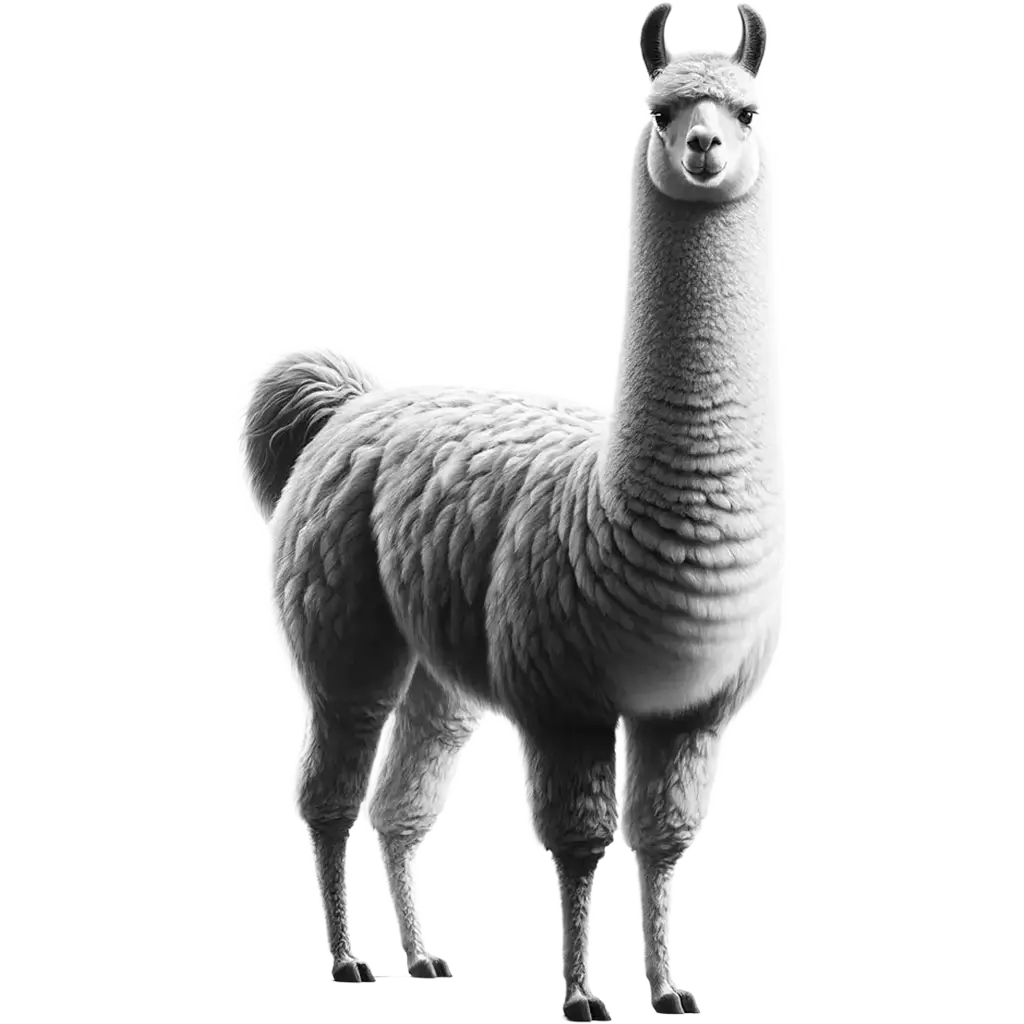
The Llama, lama glama, is a domesticated mammal from the camelid family, known for its long neck, large ears, and distinctive coat which can vary in color from white to black, including shades of brown and gray. Adults stand about 1.7 to 1.8 meters tall at the top of the
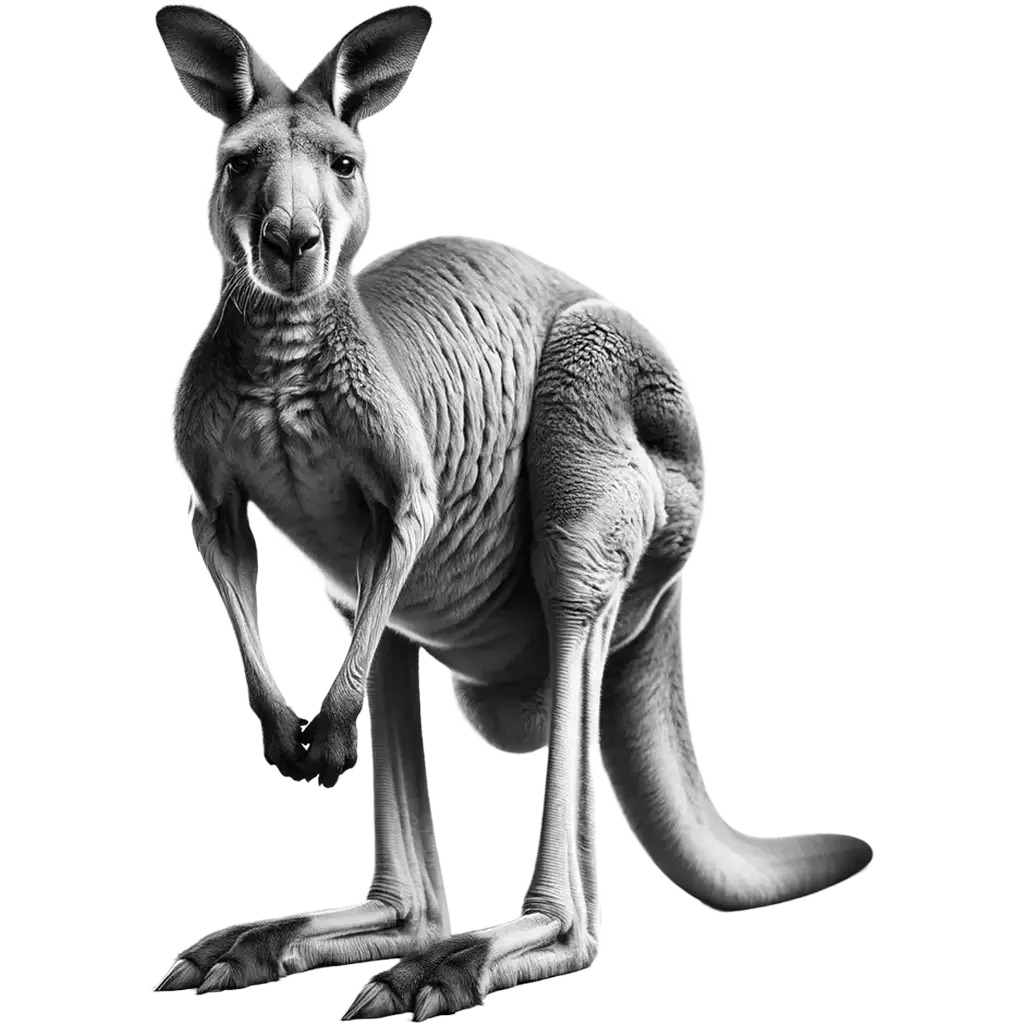
The Red Kangaroo, osphranter rufus, stands as the largest and most iconic marsupial, native to the arid and semi-arid regions of Australia. This majestic animal is distinguished by its powerful hind legs, long feet, and a large, muscular tail used for balance while moving. Adult males, known as boomers, can
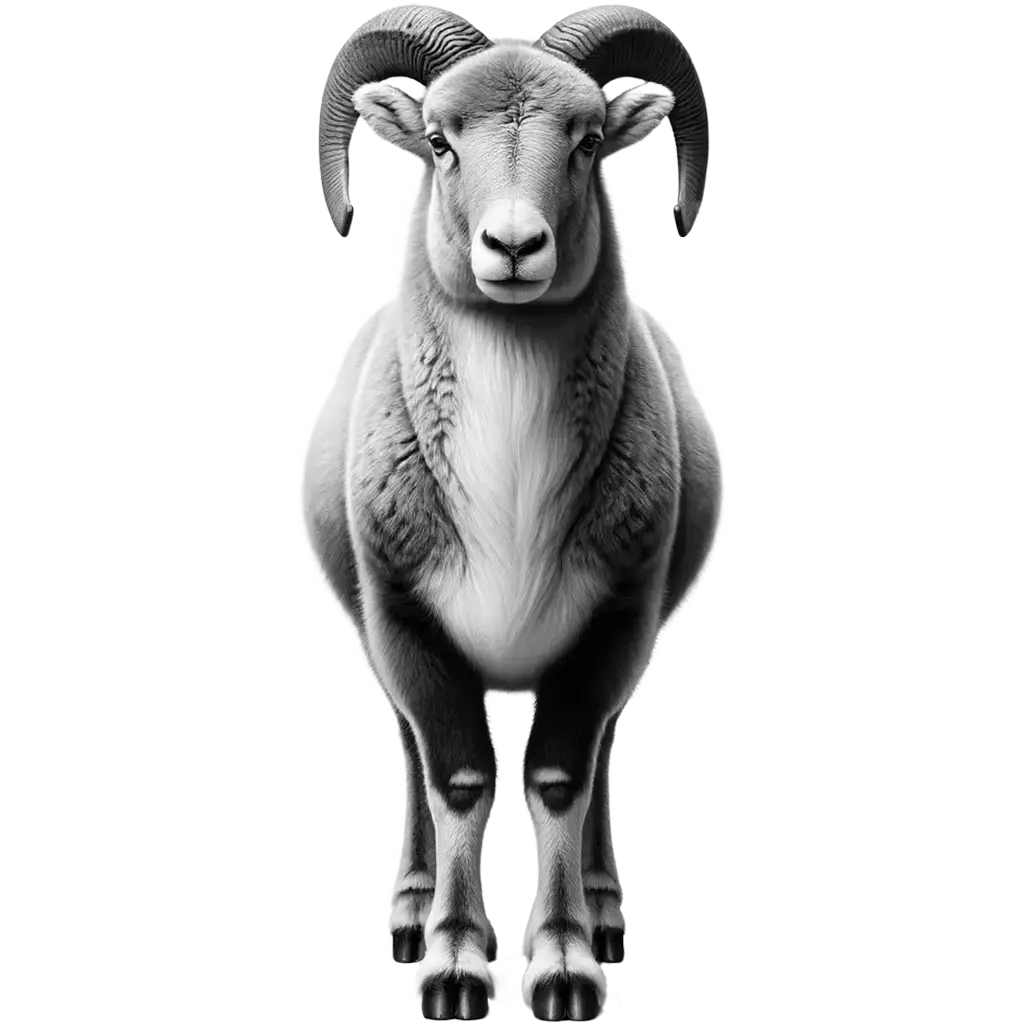
The Barbary Sheep, ammotragus lervia, also known as the Aoudad, is a rugged, mountain-dwelling ungulate native to the rocky mountains and desert landscapes of North Africa. This species is characterized by its sandy to reddish-brown coat, which helps it blend into its arid surroundings, and a distinctive mane that runs
The Shorthorn breed of cattle, known for its diverse utility in both dairy and beef production, showcases a variety of coat colors including red, white, and the distinctive roan, which is a mix of the two. This medium to large-sized breed features a broad and deep body, strong legs, and