
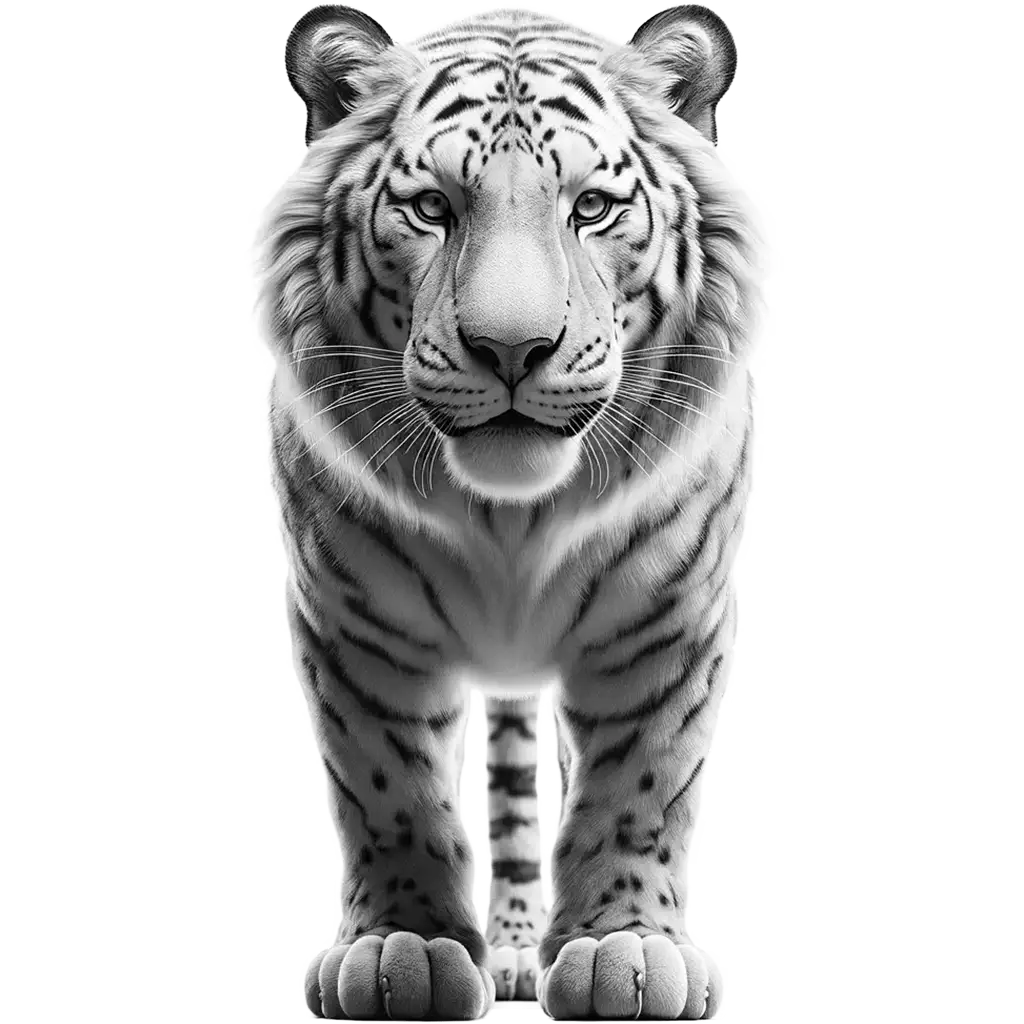
P. Leo
Liger
Only found in captivity, such as zoos and wildlife sanctuaries
The Liger, a hybrid offspring of a male lion and a female tiger, is notable for its impressive size and unique appearance that blends characteristics of both parent species. Typically surpassing both lions and tigers in size, adult Ligers can weigh between 320 to 1,000 kg (705 to 2,200 pounds) and measure up to 3.5 meters (11.5 feet) in length, making them the largest of all known extant felines. Their coats often exhibit a faint tiger-striped pattern on a tawny background, reminiscent of a lion's coloring, and males may grow a mane, though it is usually less full than that of a pure lion.
| Population: | Exists only in captivity; does not occur in the wild |
| Generation Length: | Not applicable as they do not breed naturally in the wild |
| Average Weight: | Up to 410 kg for males, slightly less for females |
| Average Length: | Body length can exceed 3 meters, with a shoulder height of about 1.2 meters |
| Lifespan: | Up to 15-20 years in captivity |
| Diet: | Meat-based diet provided in captivity |
| Conservation Status: | Not Evaluated (NE) |
Ligers are not found in the wild and only occur in captivity where lions and tigers are kept together. Due to the differences in the natural habitats and behaviors of their parent species—lions are social creatures of the African savannahs, while tigers are solitary forest dwellers in Asia—the Liger inherits traits that do not correspond to a specific wild environment. They exhibit behaviors from both lions and tigers, showing a mix of social tendencies and solitary habits.
The diet of a Liger, similar to that of its parent species, is carnivorous, requiring a substantial amount of meat to sustain its large size. In captivity, their diet consists mainly of beef, chicken, and occasionally fish, supplemented with vitamins and minerals to ensure nutritional balance.
Reproduction in Ligers is rare and often involves intricate breeding programs when it does occur. Female Ligers are sometimes fertile and can produce offspring when bred back to either a lion or a tiger, resulting in 'li-Ligers' or 'ti-Ligers,' respectively. Male Ligers are typically sterile, a common trait for hybrid animals.
The existence of Ligers raises ethical considerations regarding the breeding of hybrid animals in captivity, as they can face health issues due to their immense size, including joint problems and organ stress. Conservation and animal welfare groups emphasize the importance of focusing efforts on the preservation of wild populations of lions and tigers, rather than breeding hybrids which have no conservation value and may suffer from complex health issues.
Classifications
The Key Attributes
Features
- Movement:
Walking, running
- Territorial Behavior:
Not applicable in natural settings; in captivity, may show traits of both parent species
- Speed:
Not specifically quantified; large size may limit agility compared to parents
- Diet:
Carnivore
- Physical Features:
- Extremely large size, larger than both parent species
- May have a faint tiger-like striping on a lion-like tawny background
- Strong and muscular body
- Male ligers may develop a mane, though it is often smaller than that of a purebred lion
- Primary Senses:
- Sight
- Hearing
- Smell
Understanding Habitat and Range
Geography
- Habitat:
Only found in captivity, such as zoos and wildlife sanctuaries
- Migration Patterns:
Non-applicable
- Geographical Range:
Do not exist in the wild; kept in various countries around the world in captivity
- Climate Preferences:
Dependent on care in captivity rather than natural preference
Navigating the Wilderness
In the wild
- Predators:
No natural predators, but potentially other big cats
- Prey:
Not applicable
- Feeding Behavior:
Fed a carnivorous diet by caretakers, typically consisting of meat similar to what lions and tigers are fed in captivity
- Diet:
Meat-based diet provided in captivity
- Defensive Mechanisms:
- Not applicable in natural predator-prey relationships; may display defensive behaviors similar to parent species when threatened
- Preferred Food Sources:
- Provided by human caretakers in captivity
Insights Into Reproduction
Mating
- Mating System:
Not naturally occurring; breeding of ligers is done under human supervision in captivity
- Number of Offspring:
Litter size varies, generally 2-4 cubs
- Gestation Period:
Approximately 100-110 days, similar to that of lions and tigers
- Parental Involvement:
- Caretaking is primarily managed by human caretakers in zoological settings
Youngsters Section
Liger
Fun Fact
Ligers are hybrids, born from a male lion and a female tiger, and are the largest big cats.
These majestic creatures can weigh over 900 pounds and reach lengths of up to 12 feet. Ligers exhibit characteristics from both parent species, such as enjoying swimming like tigers and having a sociable nature like lions. They possess a unique blend of traits that make them fascinating yet rare, primarily due to their existence being dependent on human intervention, as they do not occur naturally in the wild.

Download word search puzzles
Word Search Puzzles

Check Out Other Mammals
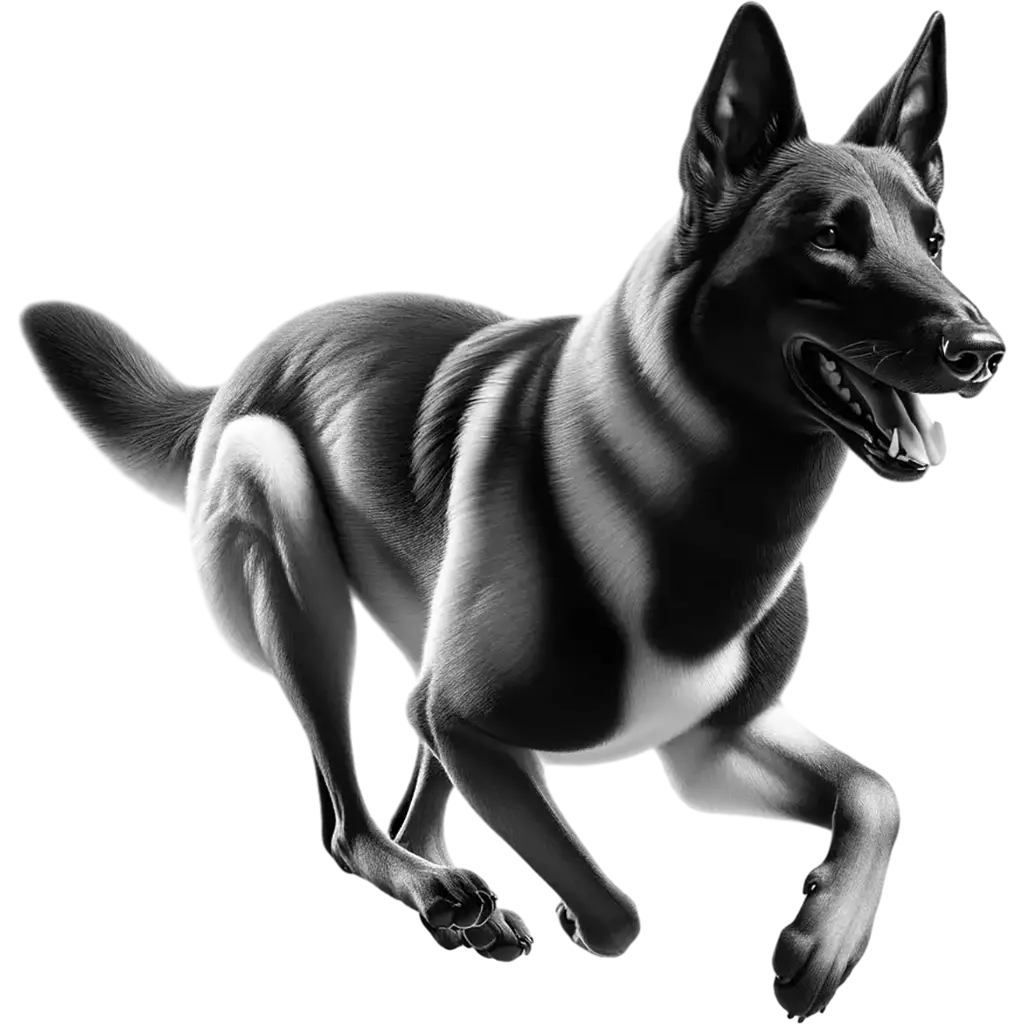
The Belgian Shepherd, also known as the Belgian Sheepdog, encompasses four distinct varieties: the Groenendael, Laekenois, Malinois, and Tervuren. Each variety is recognized for its unique coat type and color but shares a common ancestry and similar physical characteristics. Adult Belgian Shepherds typically stand between 56 to 66 cm (22
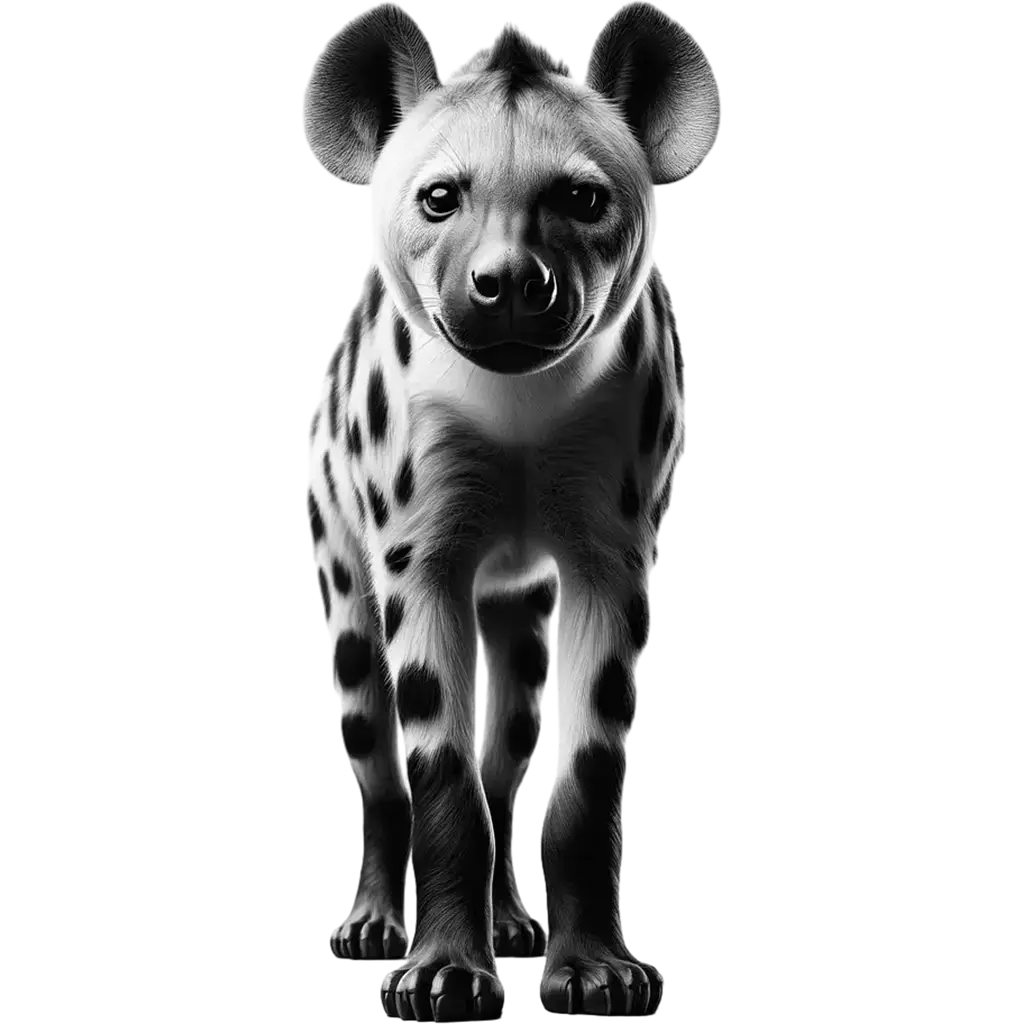
The Spotted Hyena, crocuta crocuta, often misunderstood as solely a scavenger, is in fact a skilled hunter and the most social of the hyena species. Adults can weigh between 40 to 80 kg and measure up to 1.5 meters in length, with females generally larger and more dominant than males.
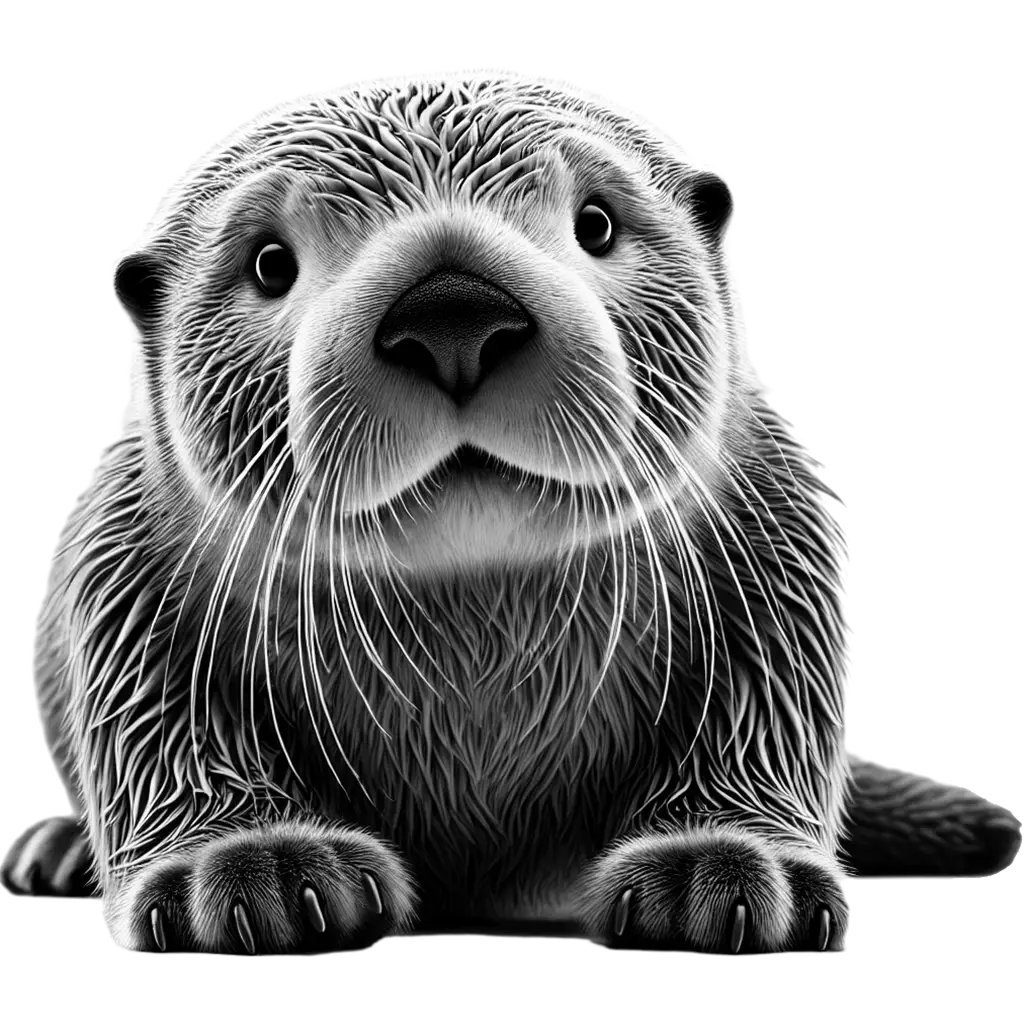
The Sea Otter is a marine mammal known for its dense fur, which is the thickest of any animal, with up to a million hairs per square inch. This fur provides essential insulation, as they lack blubber like other marine mammals. They are highly adapted to aquatic life, with webbed
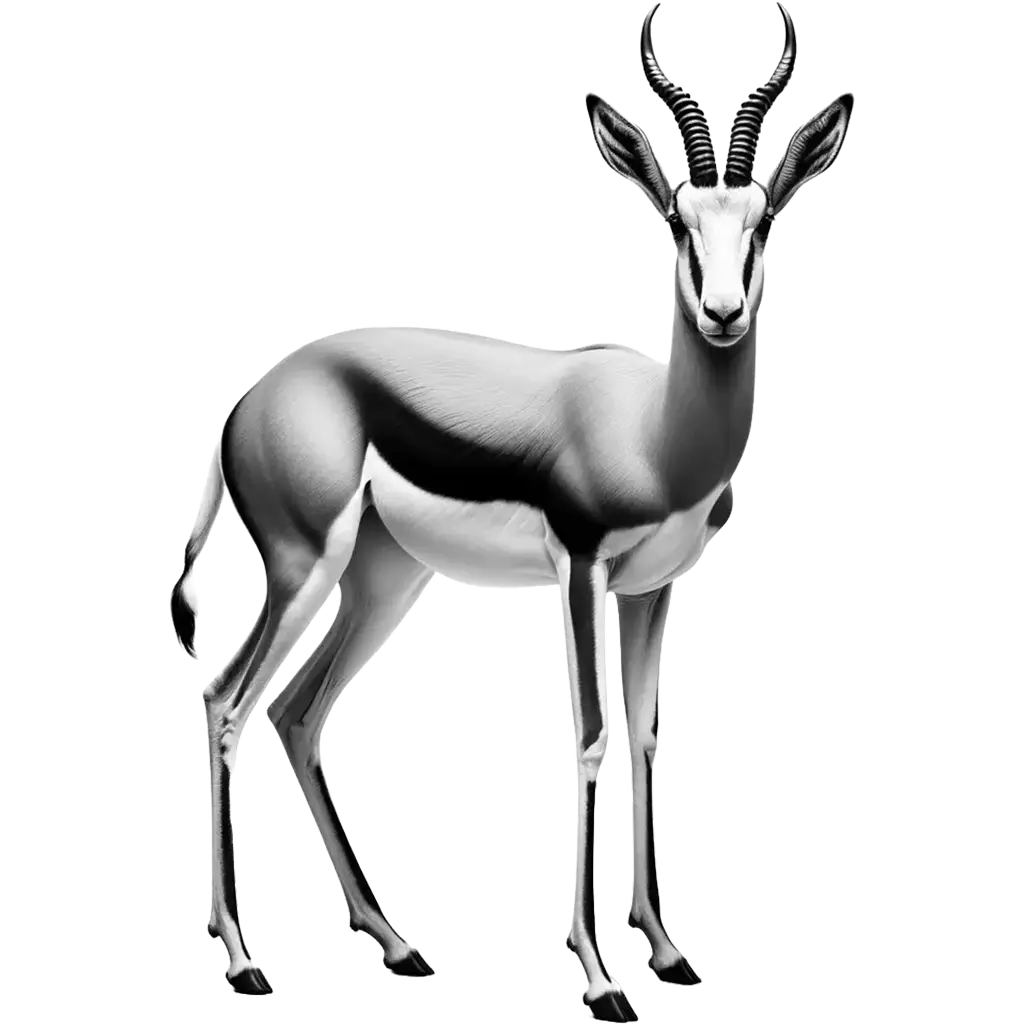
The Springbok, antidorcas marsupialis, is a medium-sized antelope renowned for its remarkable agility and distinctive appearance. Adults stand about 75 cm tall at the shoulder and weigh between 30 to 50 kg. Their coat is primarily a glossy tan, with a unique pattern featuring a dark brown stripe running laterally