
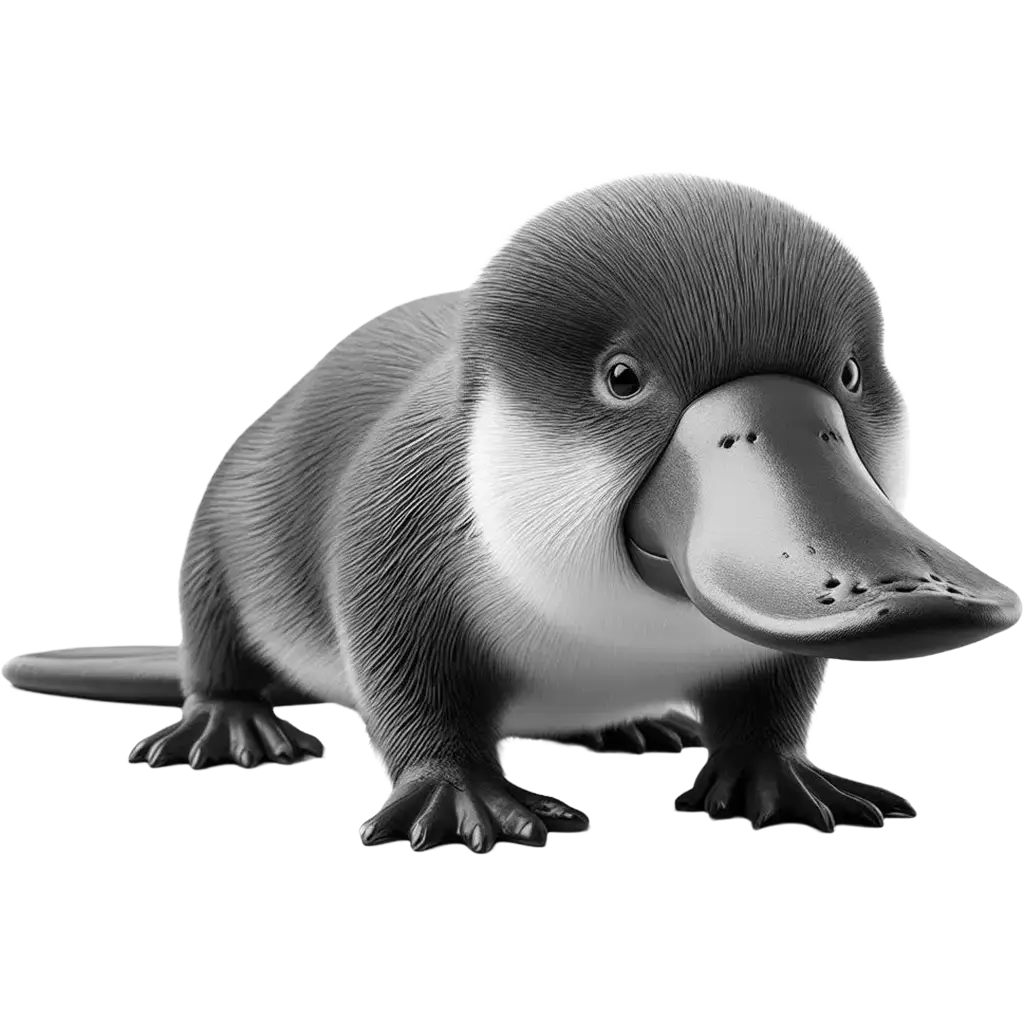
Ornithorhynchus Anatinus
Duck-Billed Platypus
Freshwater rivers and lakes
The Duck-Billed Platypus, ornithorhynchus anatinus, is one of the most unusual and fascinating mammals on the planet, native to eastern Australia and Tasmania. This semi-aquatic, egg-laying mammal (monotreme) is most notable for its distinctive duck-like bill, webbed feet, and flat tail. Adults can measure between 40 to 60 centimeters in length, including the tail, and weigh between 0.7 to 2.4 kilograms. The male platypus is also known for having a spur on the hind foot that can deliver a venom capable of causing severe pain to humans.
| Population: | Not precisely quantified, but considered near threatened due to habitat destruction and waterway pollution |
| Generation Length: | 6-8 years |
| Average Weight: | 0.7-2.4 kg |
| Average Length: | 50-60 cm |
| Lifespan: | 10-17 years in the wild |
| Diet: | Aquatic invertebrates |
| Conservation Status: | Near Threatened (NT) |
The platypus inhabits rivers, streams, and the freshwater lakes of its range, showcasing remarkable adaptability to both highland and lowland environments. It is an excellent swimmer, using its webbed feet to propel through the water while its eyes and ears are closed, relying on electrolocation to detect its prey. The platypus's diet consists primarily of aquatic invertebrates, such as insect larvae, worms, and freshwater shrimp, which it digs out of riverbeds with its bill.
Reproduction is another aspect that sets the platypus apart from most other mammals; females lay one to three eggs in a burrow dug into the riverbank. After incubating the eggs for about ten days, the female hatches them and nurses the young with milk, although the platypus lacks nipples, secreting milk through pores in the skin.
The Duck-Billed Platypus is classified as Near Threatened due to habitat destruction, water pollution, and the impacts of climate change, including prolonged droughts that affect the freshwater systems it relies on for survival. Conservation efforts for the platypus involve habitat restoration, monitoring of populations, and research into their ecology and biology to better understand how to protect this unique species.
Despite its elusive nature, the platypus is an iconic symbol of Australia's unique biodiversity, captivating the curiosity of scientists and the public alike. Its existence challenges the conventional classification of mammals and provides valuable insights into the evolutionary history of mammalian species.
Classifications
The Key Attributes
Features
- Movement:
Swimming, walking on land
- Territorial Behavior:
Solitary, with males being particularly territorial during breeding season
- Speed:
Adept swimmer but specific speeds not quantified
- Diet:
Carnivore
- Physical Features:
- Duck-like bill
- Webbed feet
- Flat tail
- Brown fur
- Males possess a venomous spur on their hind limbs
- Primary Senses:
- Electrolocation in water
- Sight
- Hearing
Understanding Habitat and Range
Geography
- Habitat:
Freshwater rivers and lakes
- Migration Patterns:
Non-migratory, but may move within its aquatic habitat
- Geographical Range:
Eastern Australia, including Tasmania
- Climate Preferences:
Temperate regions with access to water bodies
Navigating the Wilderness
In the wild
- Predators:
Snakes, birds of prey, and water rats may prey on juveniles
- Prey:
Insects, larvae, shellfish
- Feeding Behavior:
Feeds on aquatic invertebrates by sifting through bottom sediments with its bill
- Diet:
Aquatic invertebrates
- Defensive Mechanisms:
- Venomous spur in males for defense
- Camouflage
- Ability to remain submerged for up to 2 minutes to avoid predation
- Preferred Food Sources:
- Aquatic insect larvae
- Shellfish
- Worms
Insights Into Reproduction
Mating
- Mating System:
Polygynous
- Number of Offspring:
1-3 eggs
- Incubation Period:
About 10 days, followed by approximately 3-4 months of parental care in the burrow
- Parental Involvement:
- Female incubates the eggs and cares for the young in a burrow
Youngsters Section
Duck-Billed Platypus
Fun Fact
The duck-billed platypus is one of the few mammals that lay eggs instead of giving live birth.
They have a unique electroreception ability, allowing them to detect electric fields generated by prey. This adaptation helps them hunt underwater with their eyes, ears, and nostrils closed. They use this sense to locate food like insects and small aquatic animals.

Download word search puzzles
Word Search Puzzles

Check Out Other Mammals
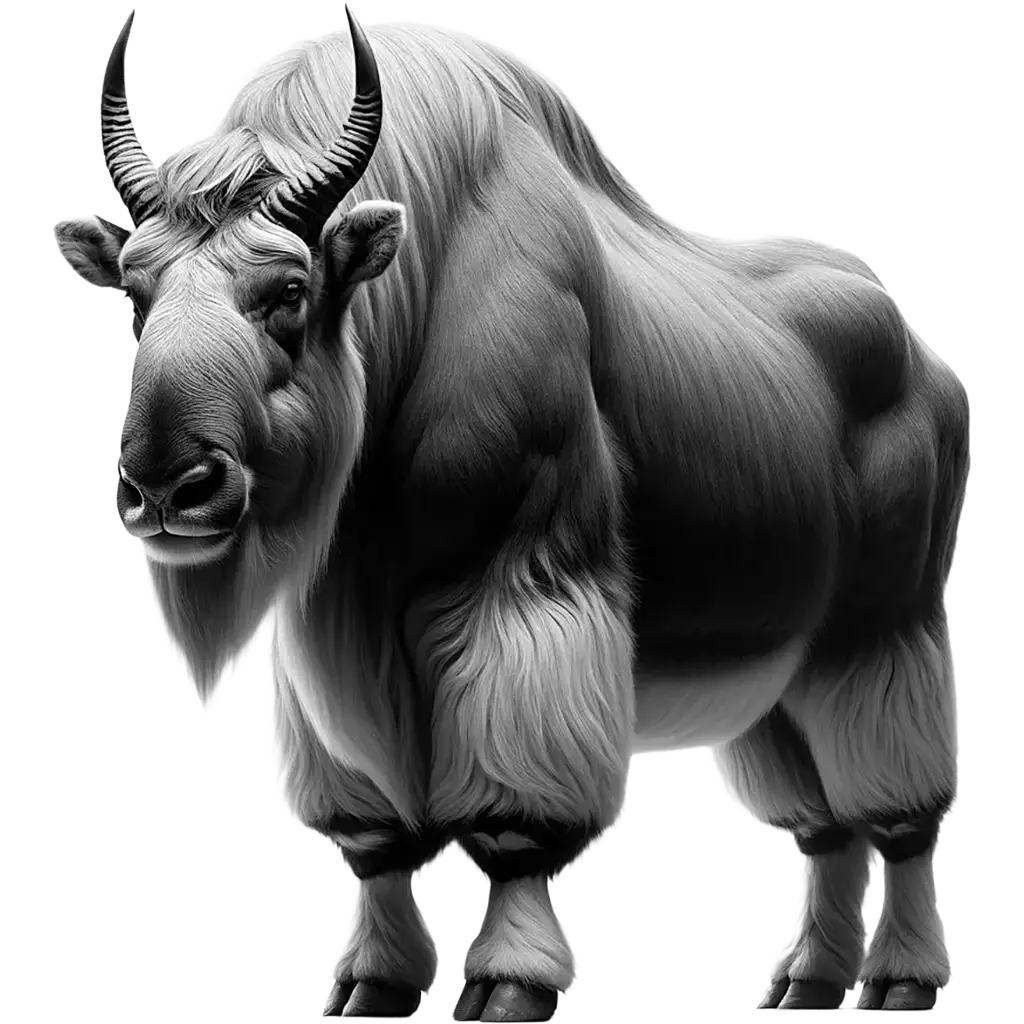
The Bhutan Takin, budorcas taxicolor whitei, is a subspecies of takin, a large, hoofed mammal native to the eastern Himalayas, particularly Bhutan. This unique animal is characterized by its bulky body, short, sturdy legs, and a large head with a pronounced Roman nose, making it appear somewhat like a cross

The Pomeranian, known for its fluffy coat and lively personality, is a small breed of dog that belongs to the Spitz family. Adults typically weigh between 1.4 to 3.2 kg (3 to 7 pounds) and stand about 20 cm (7.9 inches) tall at the shoulder, making them one of the

The Golden-Mantled Ground Squirrel, Callospermophilus lateralis, is a small, robust rodent widely distributed across the forests and mountainous regions of western North America. This species is easily recognizable by its distinctive coloring: a rich brown or greyish body adorned with a bold white stripe bordered by black along each side,

The Grizzly Bear, ursus arctos horribilis, is a formidable subspecies of the brown bear, residing primarily in the forests, mountains, and tundras of North America, particularly in Alaska, western Canada, and parts of the northwestern United States. Characterized by its distinctive hump on its back—a result of powerful muscles used