
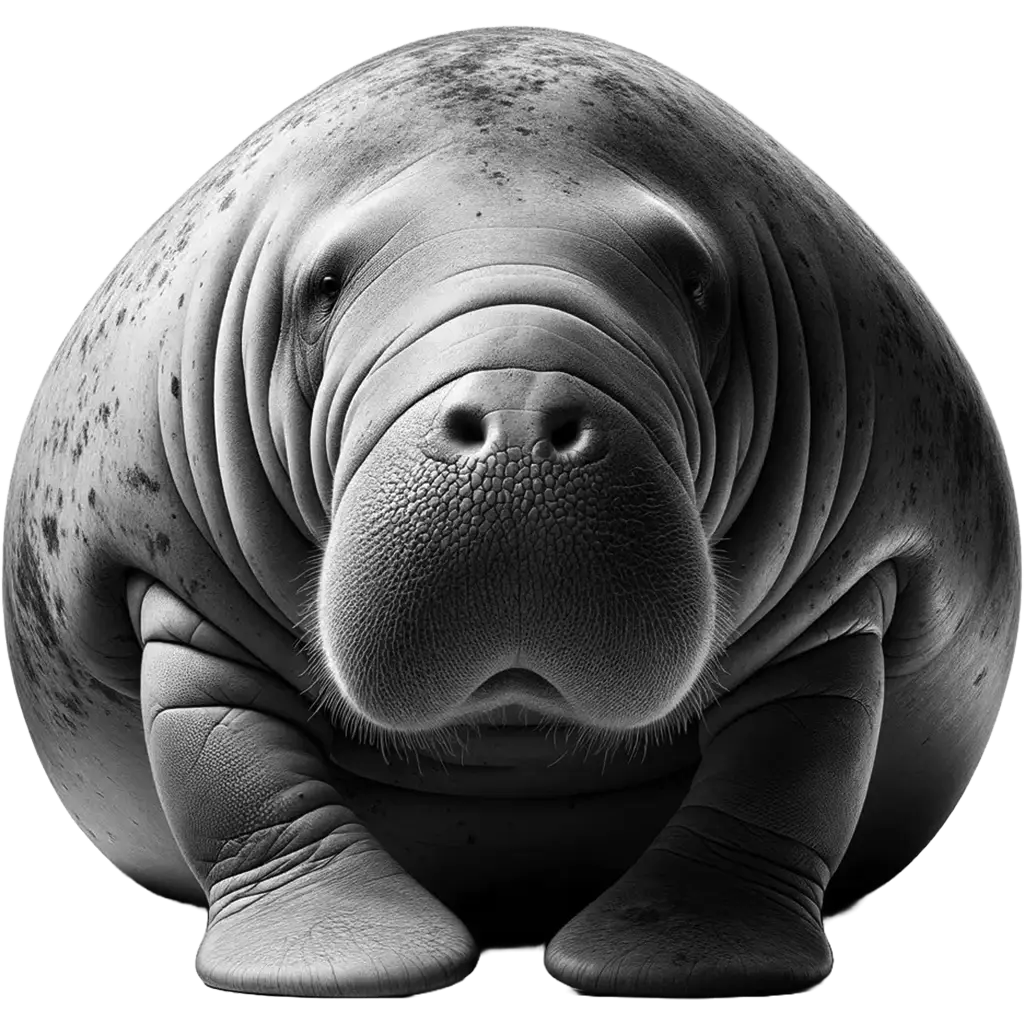
Trichechus Senegalensis
African Manatee
Coastal areas, rivers, and estuaries with abundant vegetation
The African Manatee, trichechus senegalensis, is a gentle aquatic mammal found in the waterways of West Africa, from Senegal to Angola. This species, one of the least studied of all manatees, has a robust, streamlined body that can reach lengths of up to 4.5 meters and weigh as much as 590 kg. Its skin is a wrinkled, grayish-black, covered in fine, sparse hairs that enhance its tactile sense. The African Manatee's flippers are used for propulsion and manipulation of food, and its paddle-shaped tail aids in swimming. Unlike other marine mammals, manatees have a unique upper lip that is split in the middle and movable, allowing them to grasp and manipulate vegetation.
| Population: | Listed as Vulnerable due to habitat loss, hunting, and accidental capture |
| Generation Length: | 20-25 years |
| Average Weight: | Up to 360-600 kg |
| Average Length: | 4-4.5 meters |
| Lifespan: | Up to 30 years or more in the wild |
| Diet: | Mainly herbivorous, consuming a variety of aquatic vegetation |
| Conservation Status: | Vulnerable (VU) |
African Manatees inhabit a variety of freshwater and marine environments, including rivers, coastal estuaries, lagoons, and coastal marine waters where seagrass beds are abundant. They are mostly solitary animals, although they can occasionally be found in small groups, especially in areas with abundant food resources. Manatees are known to migrate in response to changes in water levels and availability of fresh water, showcasing their adaptability to varying environmental conditions.
The diet of the African Manatee is herbivorous, primarily consisting of a wide variety of aquatic plants, including mangrove leaves, water hyacinths, and over 60 other plant species. This diet reflects their role as 'ecosystem engineers,' helping to maintain healthy aquatic environments by controlling the growth of vegetation. Manatees are also known to consume fish and invertebrates, indicating a more varied diet than previously thought.
Reproduction in African Manatees is not well understood, but it is known that they have a low reproductive rate, with females giving birth to a single calf every two to five years after a gestation period of about 13 months. The slow reproductive rate, combined with a long lifespan of up to 70 years, makes population recovery slow and the species vulnerable to threats.
The population of the African Manatee is classified as Vulnerable by the IUCN, facing threats from habitat loss, entanglement in fishing nets, hunting for meat and oil, and collisions with watercraft. Conservation efforts are crucial for their survival, focusing on habitat protection, research, and community-based conservation programs to reduce hunting and bycatch. The protection of the African Manatee is vital for the health of West Africa's aquatic ecosystems.
Classifications
The Key Attributes
Features
- Movement:
Swimming
- Territorial Behavior:
Solitary or in small groups
- Speed:
Not specifically quantified; known for slow and gentle swimming
- Diet:
Herbivore
- Physical Features:
- Large, elongated body with a paddle-shaped tail
- Flipper-like front limbs with no hind limbs
- Thick, wrinkled skin with sparse hair
- Small eyes and a large, flexible upper lip used for feeding
- Primary Senses:
- Tactile
- Hearing
- Smell
- Poor eyesight
Understanding Habitat and Range
Geography
- Habitat:
Coastal areas, rivers, and estuaries with abundant vegetation
- Migration Patterns:
Partially migratory, following seasonal changes in water levels and vegetation availability
- Geographical Range:
West African waters, including the coasts and rivers of Senegal, Guinea, Sierra Leone, Liberia, Ivory Coast, Ghana, Nigeria, and Cameroon
- Climate Preferences:
Tropical aquatic environments
Navigating the Wilderness
In the wild
- Predators:
Humans are the primary threat; young may be vulnerable to large aquatic predators
- Prey:
Aquatic plants
- Feeding Behavior:
Feeds on aquatic vegetation, roots, and leaves found in shallow waters
- Diet:
Mainly herbivorous, consuming a variety of aquatic vegetation
- Defensive Mechanisms:
- Camouflage in murky waters
- Using secluded waterways to avoid predation and human interaction
- Preferred Food Sources:
- Mangroves, freshwater grasses, and other aquatic plants
Insights Into Reproduction
Mating
- Mating System:
Polygamous
- Number of Offspring:
Usually one calf
- Gestation Period:
About 13 months
- Parental Involvement:
- Females care for the calves, providing milk and protection for up to two years
Youngsters Section
African Manatee
Fun Fact
The African manatee is the least studied of all manatee species, residing in West African waters.
These gentle giants are herbivores, primarily feeding on aquatic plants. They can consume up to 8% of their body weight daily. African manatees are vital for maintaining healthy aquatic ecosystems by preventing overgrowth of vegetation, which can obstruct waterways.

Download word search puzzles
Word Search Puzzles


Check Out Other Mammals
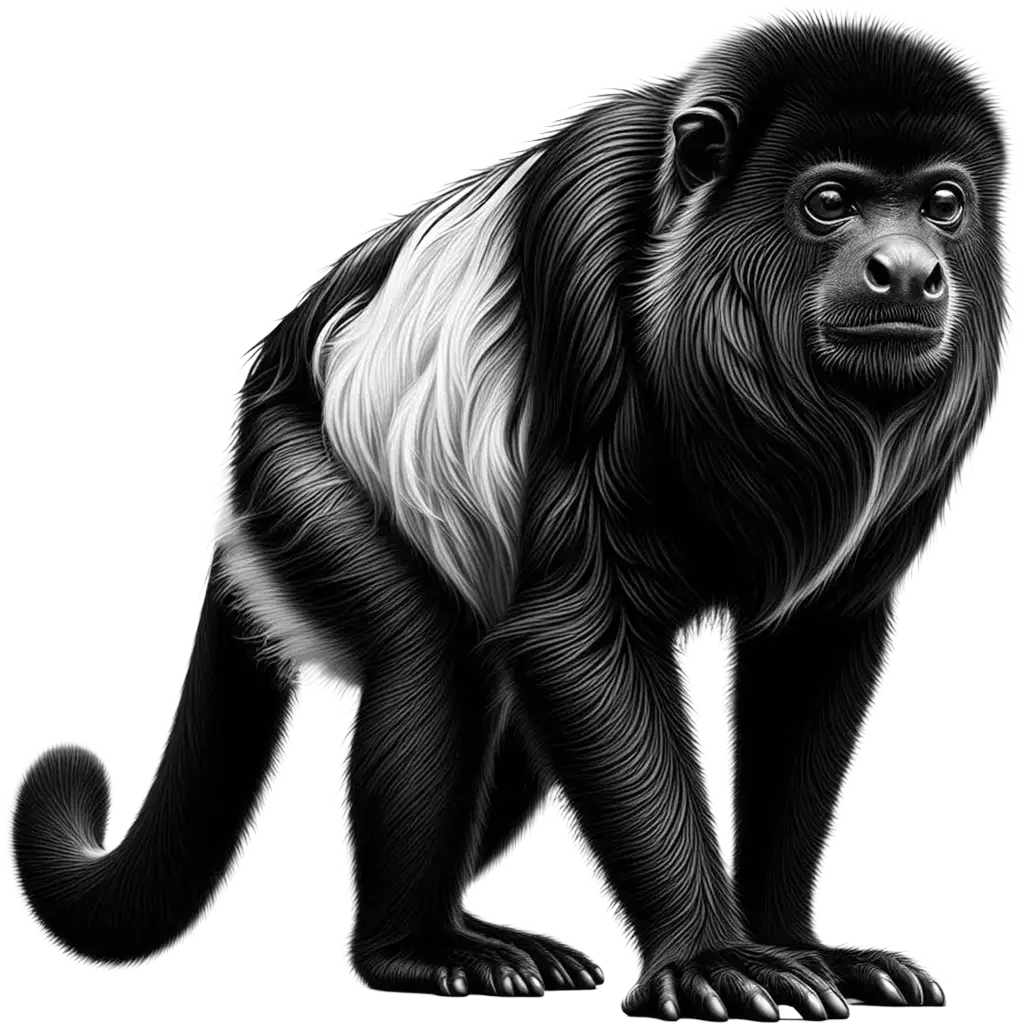
The Brown Howler, alouatta guariba, is a robust primate characterized by its thick brown fur, which can vary in shade from light brown to almost black. This species is notable for its large throat sac, used to amplify their distinctive howling calls, which can be heard up to several kilometers
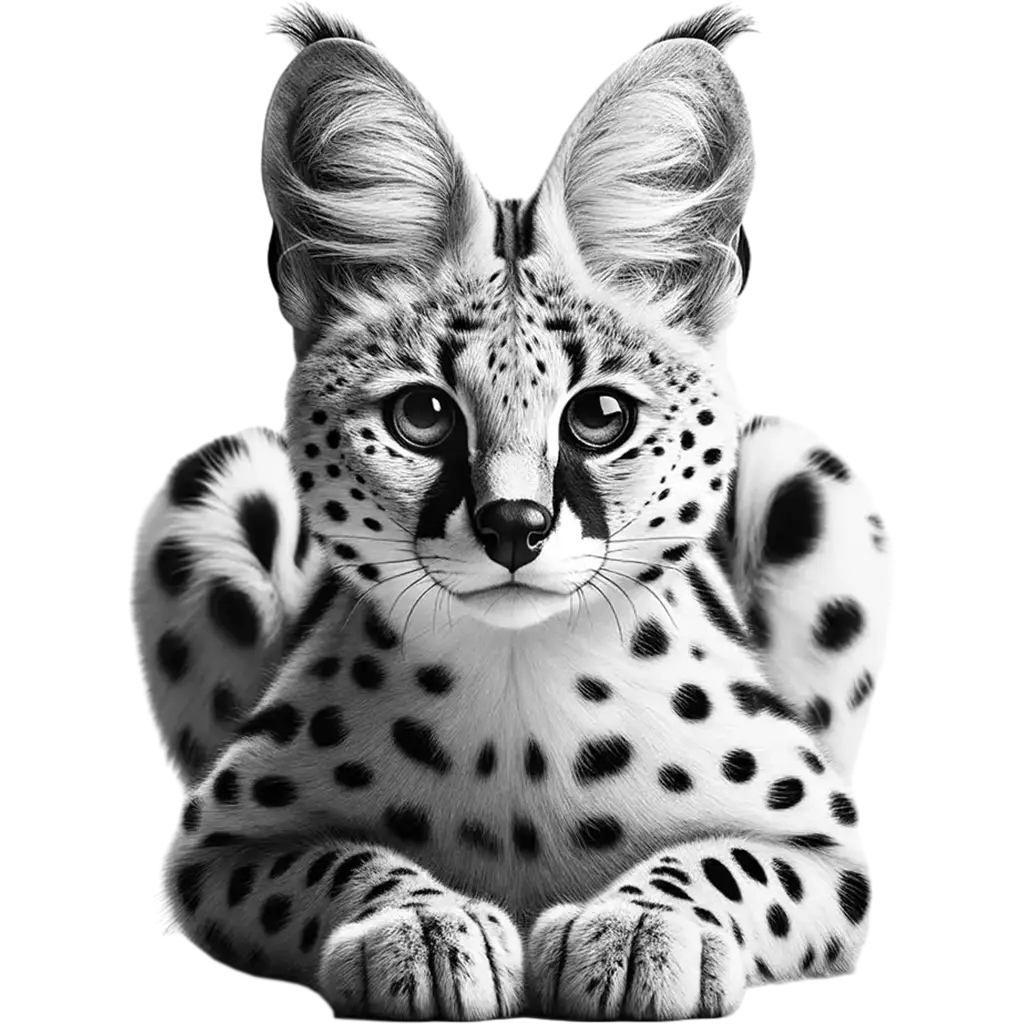
The Serval, leptailurus Serval, is a medium-sized African wild cat known for its distinctive physical characteristics and hunting prowess. Adults can stand up to 60 cm at the shoulder and weigh between 9 to 18 kg. The Serval is characterized by its slender build, long legs, and large ears, which
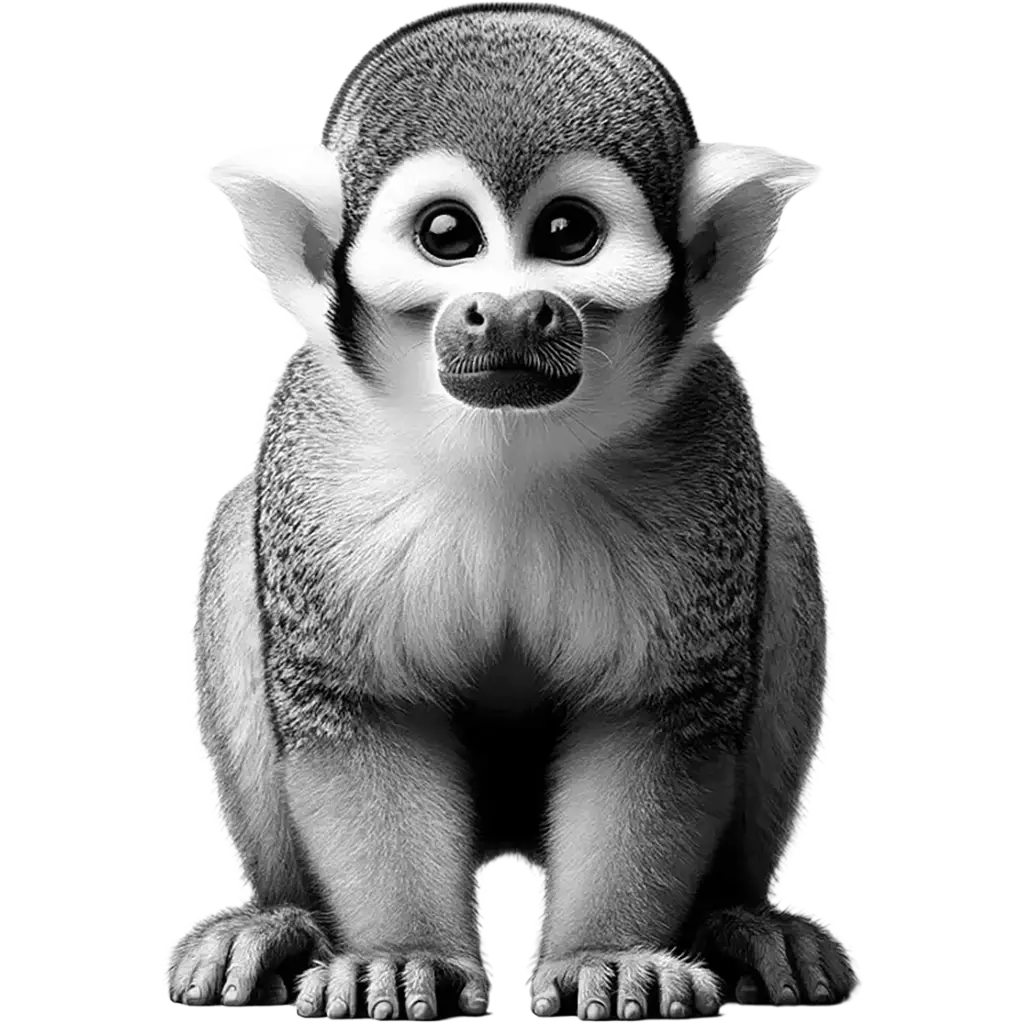
The Central American Squirrel Monkey, saimiri oerstedii, is a small and vibrant primate native to the tropical forests of Costa Rica and Panama. This species is distinguished by its bright fur, with a back of olive or yellowish-green and a white or yellowish belly, creating a striking contrast. Adults weigh
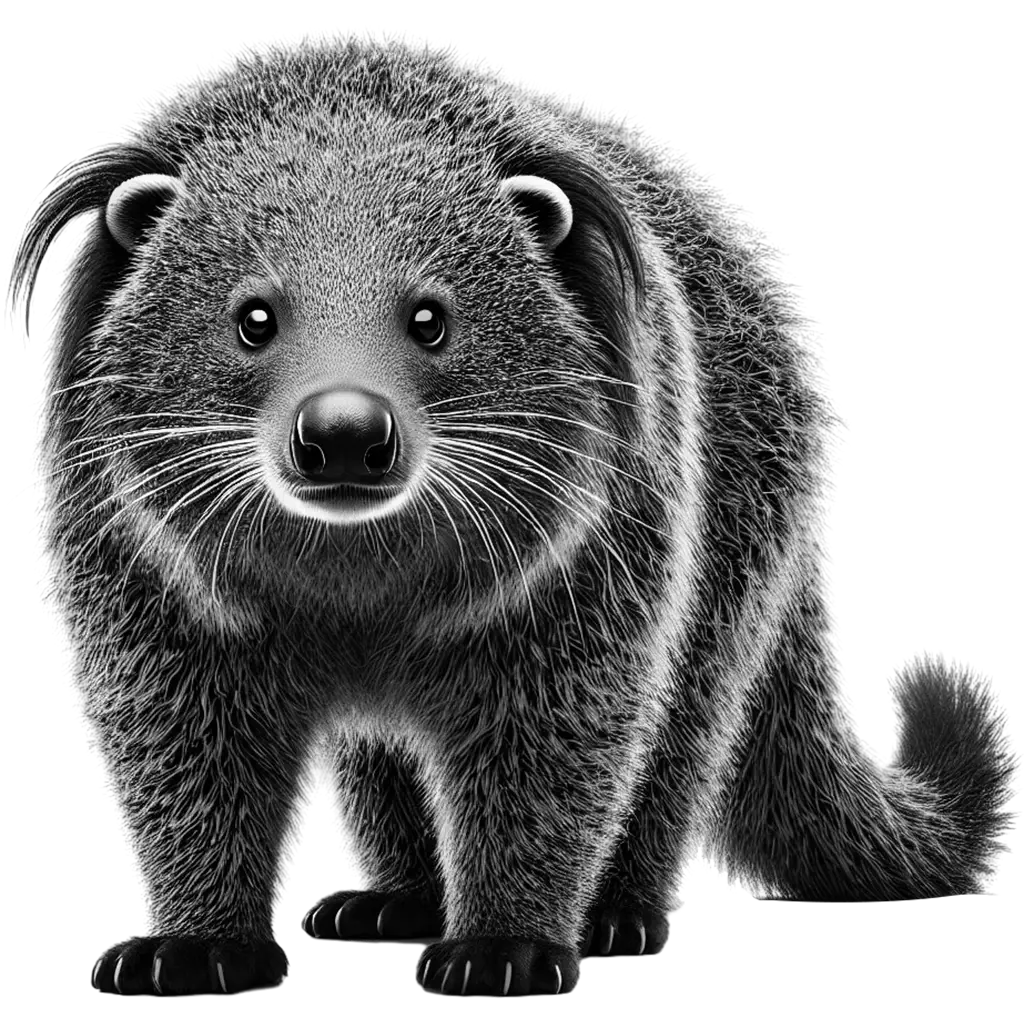
The binturong is a large, bearcat-like mammal with a shaggy, dark fur coat and a long, prehensile tail nearly as long as its body. Its robust build is complemented by expressive round ears and a broad, flat face accented by prominent whiskers. The animal's eyes are soulful and reflective, adding