
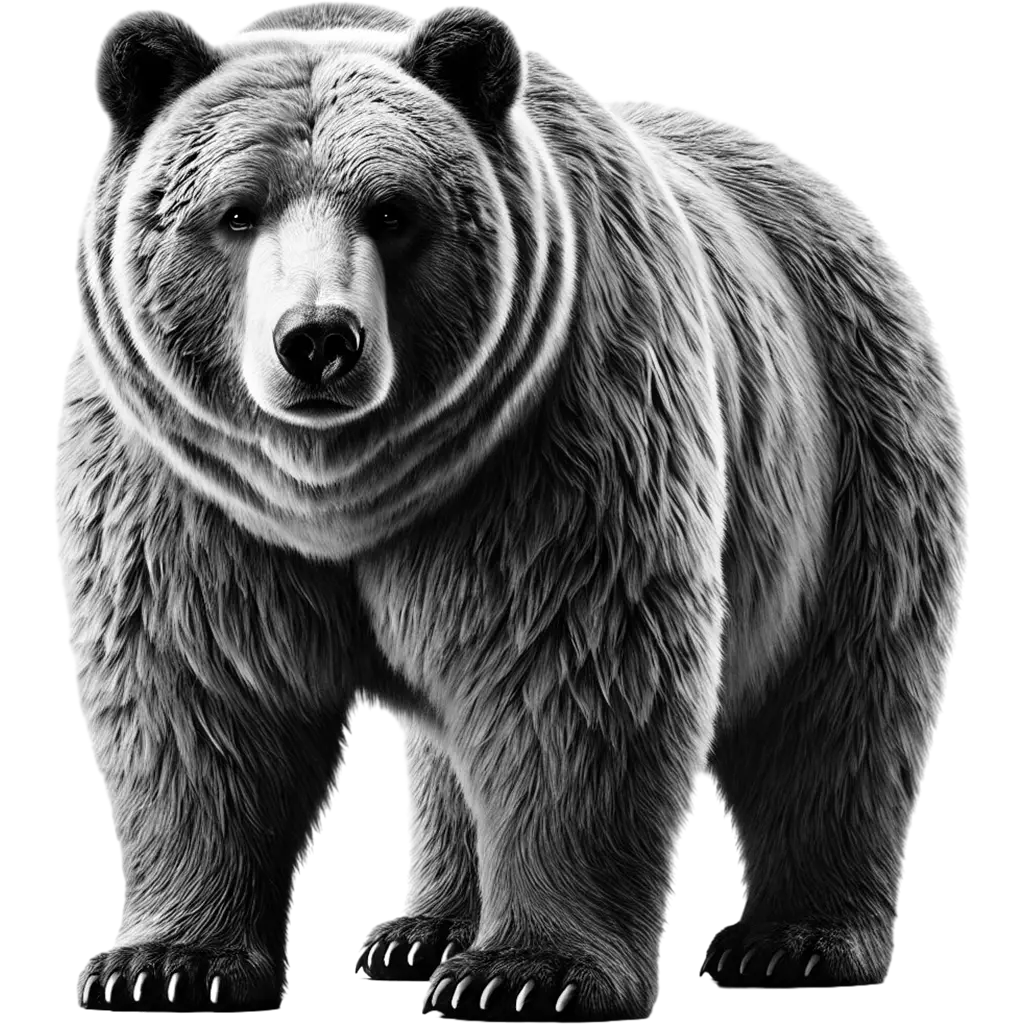
Ursus Arctos Californicus
California Grizzly Bear
Forests, mountains, coastal meadows, and valleys
The California Grizzly Bear was a massive, golden-brown bear once abundant throughout California. It was one of the largest subspecies of brown bear, with males reaching weights of up to 900 kg and lengths of over 3 meters. Known for its immense strength and adaptability, this bear thrived in a wide range of environments, from coastal valleys to dense forests and mountainous regions.
| Population: | Extinct (Last confirmed sighting in the 1920s) |
| Generation Length: | 10-15 years |
| Average Weight: | 400-900 kg (males), 250-450 kg (females) |
| Average Length: | 2.5-3 meters |
| Lifespan: | 20-30 years in the wild |
| Diet: | Omnivorous, consuming both plants and animals |
| Conservation Status: | Extinct (EX) |
Unlike other brown bears, California Grizzlies had little fear of humans and often roamed near settlements, leading to frequent conflicts. They were largely solitary animals, with the exception of mating pairs and mothers raising cubs. These bears were highly opportunistic, foraging for food throughout the year, using their keen sense of smell to locate meals over great distances.
Their diet was omnivorous, consisting of berries, grasses, fish, and mammals such as deer. They were also skilled scavengers, often feeding on carcasses left by other predators. During salmon spawning seasons, they gathered near rivers to catch fish, much like their modern relatives in Alaska. Their powerful claws allowed them to dig for roots and overturn logs in search of insects.
Mating occurred in late spring to early summer, with cubs born during the winter while the mother hibernated in dens. The cubs were entirely dependent on their mother for survival and stayed with her for up to three years. Females fiercely protected their young from threats, teaching them essential survival skills before they ventured off on their own.
Despite being an iconic symbol of California, the species was declared extinct in the early 20th century due to excessive hunting and habitat destruction. By the mid-1800s, gold rush settlers and ranchers saw them as a threat to livestock and hunted them relentlessly. The last confirmed sighting occurred in the 1920s. Today, efforts to reintroduce grizzly bears to California have been discussed, but no formal plans have been implemented.
Classifications
The Key Attributes
Features
- Movement:
Quadrupedal
- Territorial Behavior:
Solitary, except during mating and mother-cub interactions
- Speed:
Up to 56 km/h
- Diet:
Omnivore
- Physical Features:
- Massive muscular build
- Thick golden-brown fur
- Long claws for digging and climbing
- Powerful jaw and strong teeth
- Primary Senses:
- Smell
- Hearing
- Sight
Understanding Habitat and Range
Geography
- Habitat:
Forests, mountains, coastal meadows, and valleys
- Migration Patterns:
Non-migratory, but traveled widely for food
- Geographical Range:
Historically found across California
- Climate Preferences:
Temperate forests and coastal climates
Navigating the Wilderness
In the wild
- Predators:
No natural predators as adults
- Prey:
Deer, fish, small mammals
- Feeding Behavior:
Foraged for food during dawn and dusk
- Diet:
Omnivorous, consuming both plants and animals
- Defensive Mechanisms:
- Large size and strength for intimidation
- Powerful bite and claws for defense
- Roaring as a warning signal
- Preferred Food Sources:
- Berries
- Salmon
- Grasses
- Carcasses
Insights Into Reproduction
Mating
- Mating System:
Polygynous
- Number of Offspring:
1-4 cubs per litter
- Gestation Period:
180-250 days (includes delayed implantation)
- Parental Involvement:
- Mother raises cubs alone
- Cubs stay with mother for up to 3 years
Youngsters Section
California Grizzly Bear
Fun Fact
The California Grizzly Bear was once the state's most powerful predator, dominating the wilderness.
It was featured on California's state flag before the species was officially declared extinct in the 1920s. Despite their fearsome reputation, they primarily fed on plants and scavenged more often than they hunted.

Download word search puzzles
Word Search Puzzles
Check Out Other Mammals
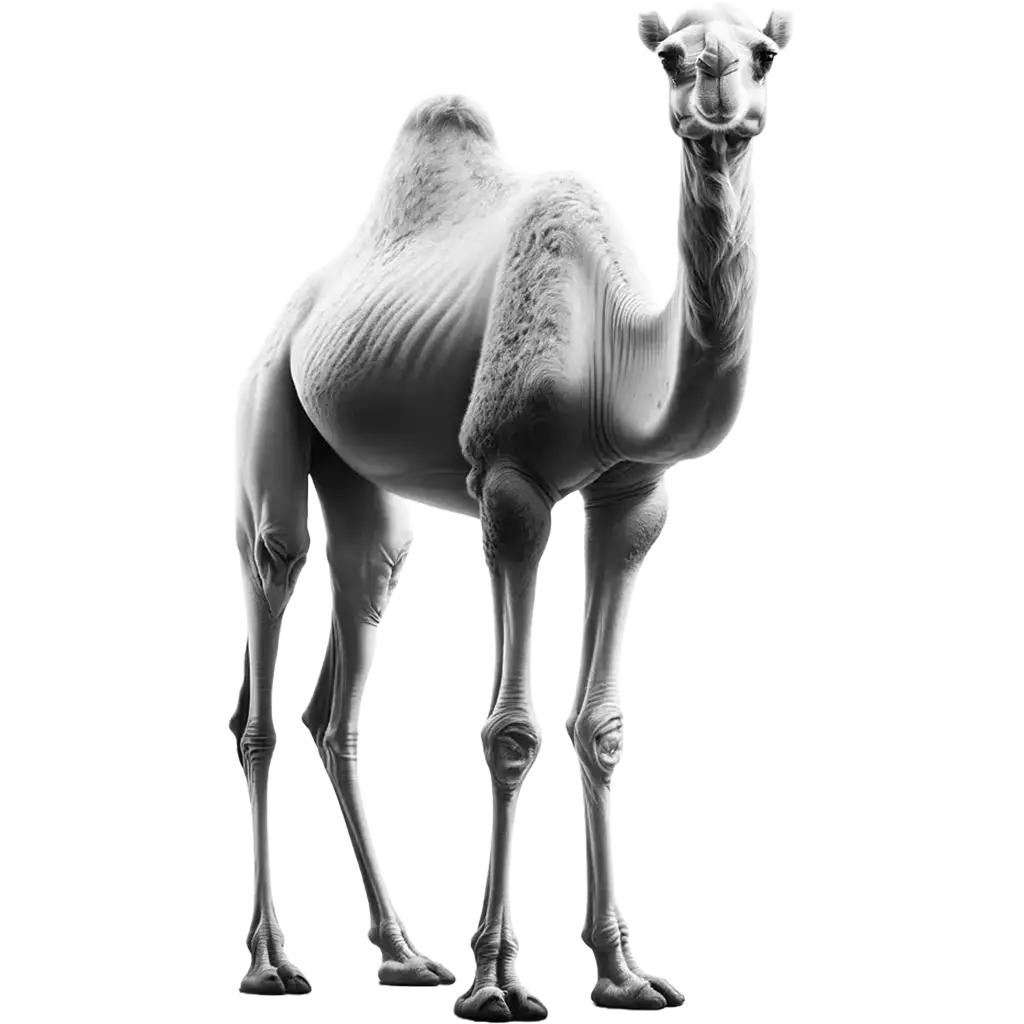
The Dromedary, camelus dromedarius, is an iconic animal of the desert, easily recognized by its single large hump on its back. This hump is a reservoir of fatty tissue, which the camel can convert into water and energy, enabling it to endure long periods without food or water. Adult dromedaries
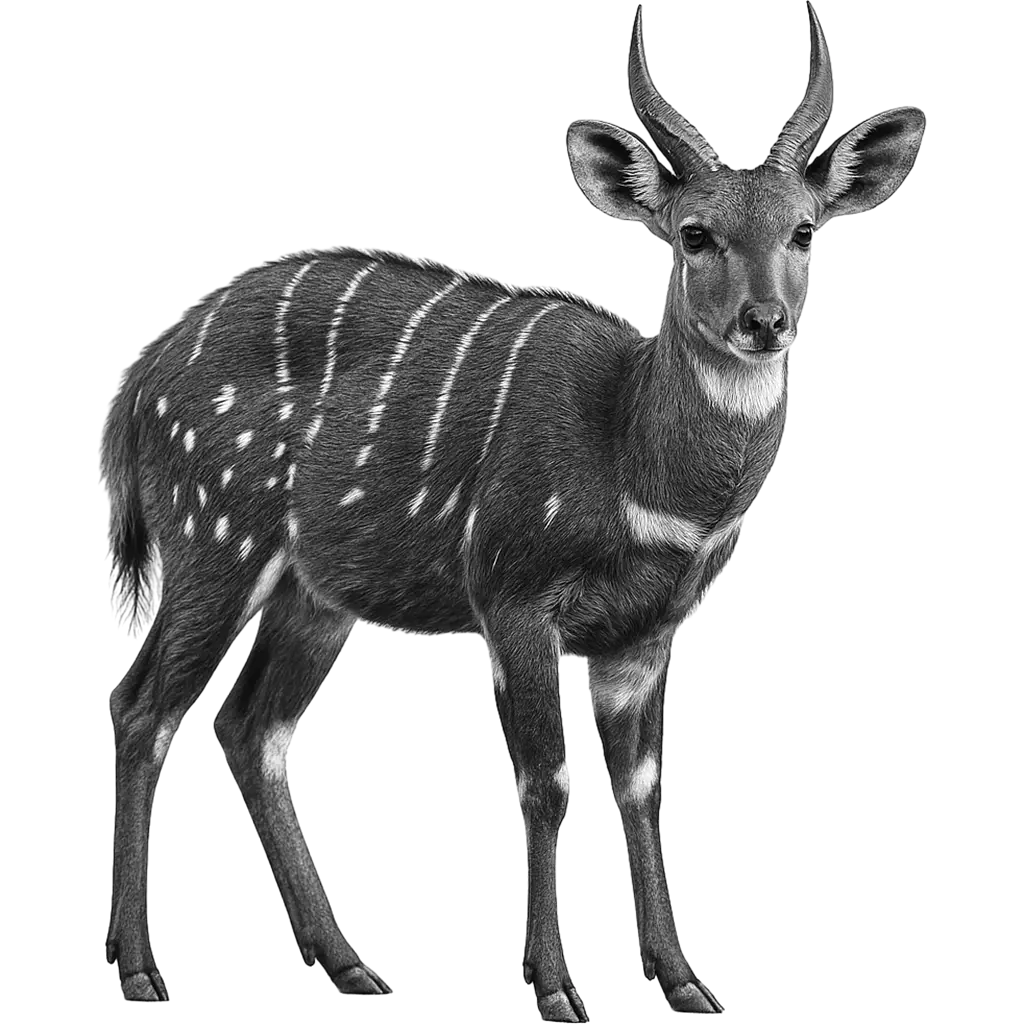
The Harnessed Bushbuck is a strikingly agile and graceful antelope, boasting a lean yet muscular body marked by a distinctive pattern of dark and light hues. Its coat is a complex tapestry of deep chocolate and subtle cream, with defined white stripes running along its sides. The animal's large, expressive
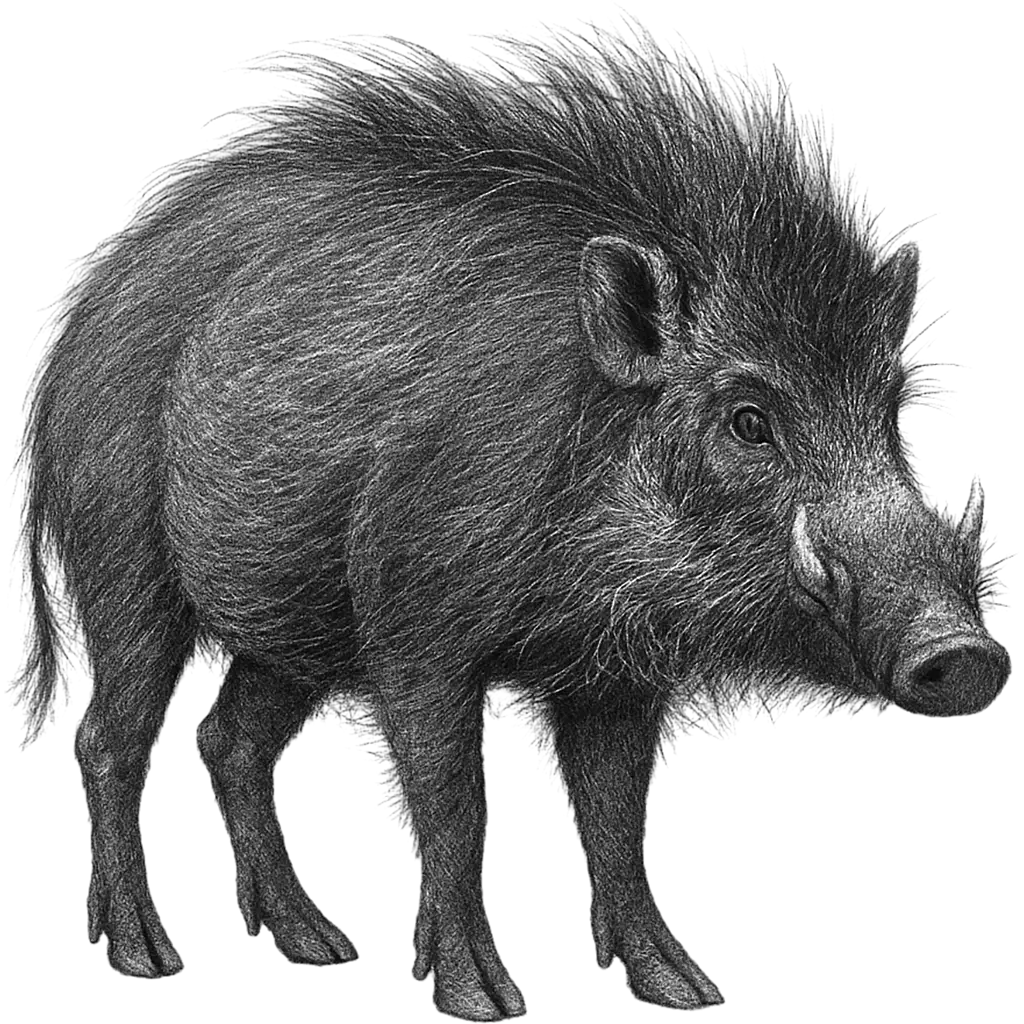
The Visayan Warty Pig has a compact, sturdy body measuring approximately 100 to 125 centimeters in length, supported by short, powerful legs. Its coarse fur ranges from dark gray to black, often with a lighter dorsal stripe and faint speckling. Adult males bear three pairs of distinctive fleshy warts along
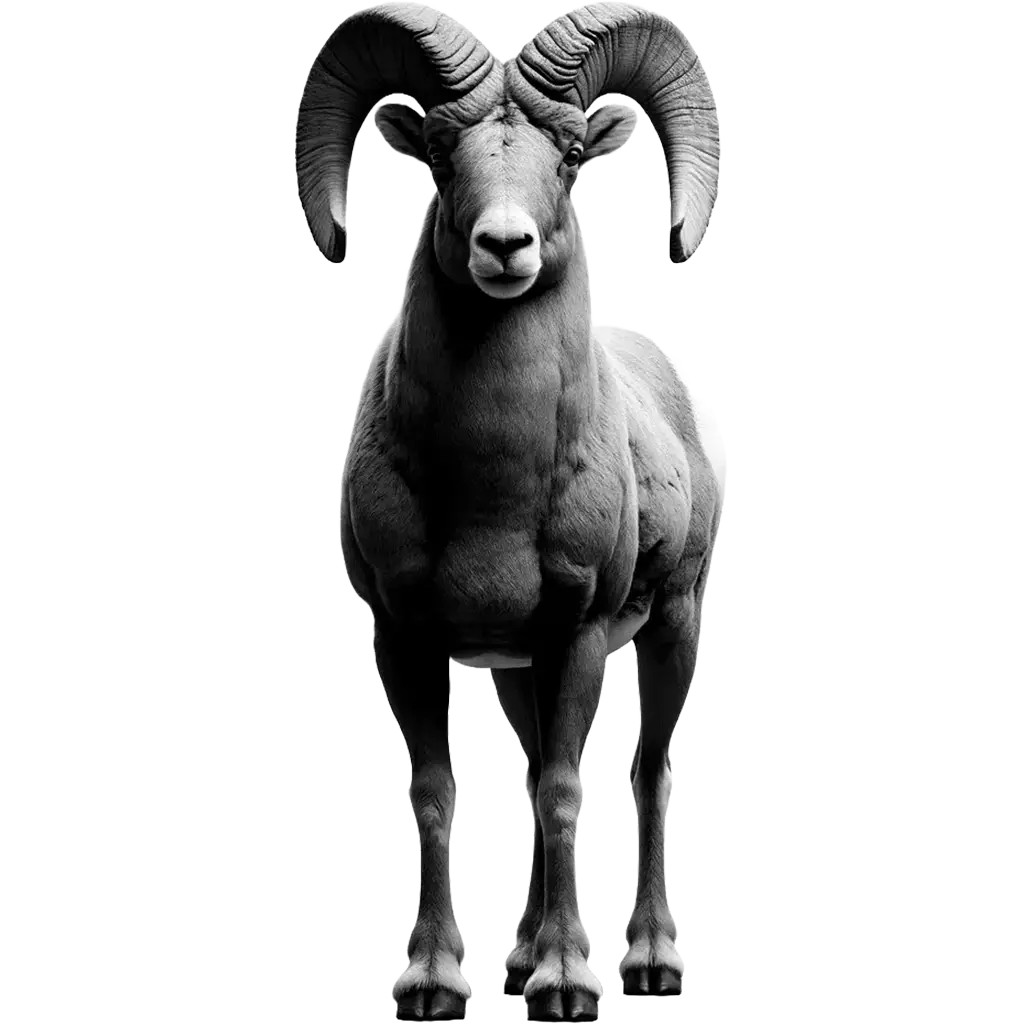
The Bighorn Sheep, Ovis canadensis, is a symbol of the rugged mountain ranges of North America, from Canada's cold northern regions down through the western United States and into Mexico's desert landscapes. Distinguished by their large, curved horns, which can weigh up to 14 kilograms in males, Bighorn Sheep exhibit