Sus Scrofa Libycus
Anatolian Boar
Inhabits rocky forests, scrublands, and mixed woodlands in Anatolia and adjacent regions.
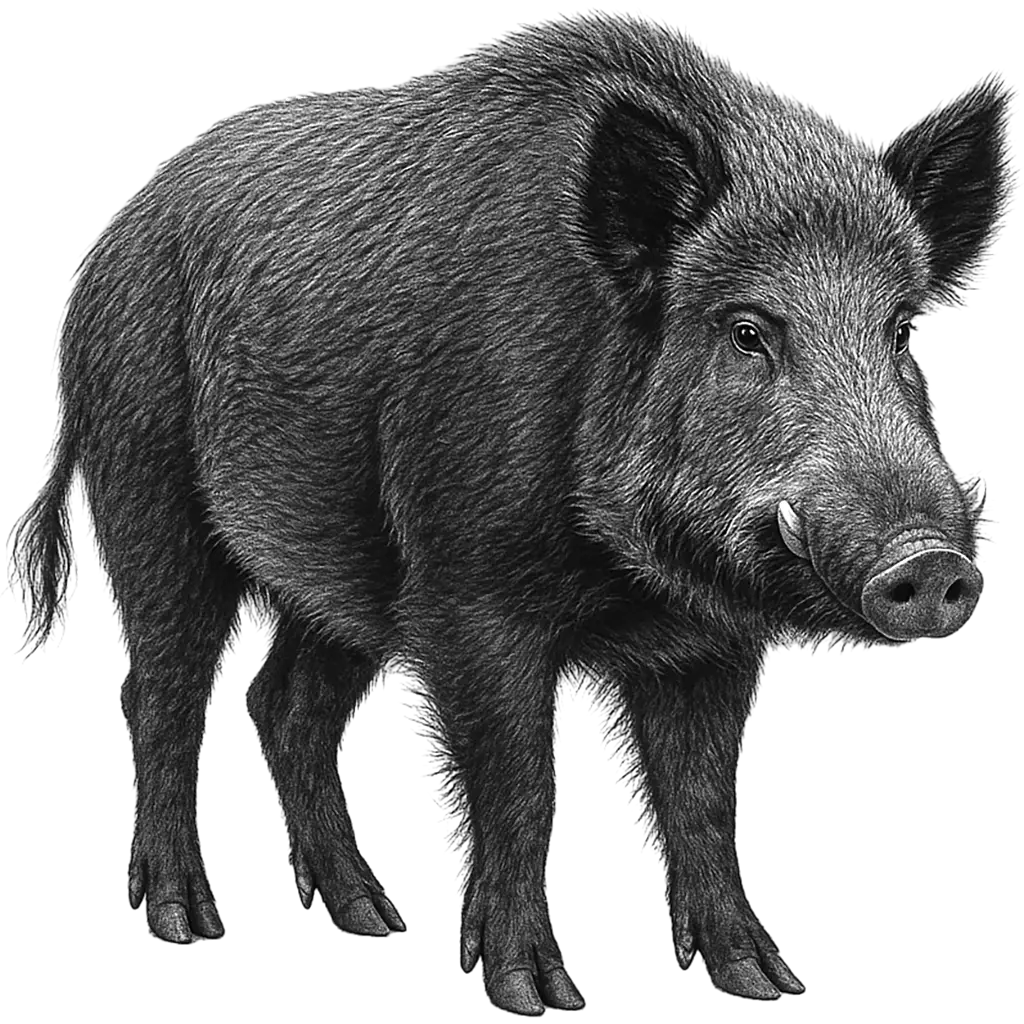
The Anatolian boar is a rugged, muscular wild pig with coarse, bristly hair that ranges from dark brown to black. Its elongated snout, armed with formidable tusks, and stout, cloven hooves contribute to a powerful appearance. The animal's robust frame and distinctive facial features exude raw power and resilience, adapted perfectly to harsh, temperate landscapes. Its overall look is both impressive and intimidating, reflecting a long evolutionary history in challenging environments.
| Population: | Stable in Anatolia despite localized hunting and habitat fragmentation |
| Generation Length: | Approximately 4-5 years |
| Average Weight: | Approximately 80-150 kg |
| Average Length: | Approximately 1.2-1.8 meters |
| Lifespan: | Approximately 10-14 years in the wild; up to 20 years in captivity |
| Diet: | Omnivorous: roots, tubers, invertebrates, and plant matter |
| Conservation Status: | Least Concern (LC) |
In the wild, Anatolian boars are active diurnal foragers that traverse diverse terrains ranging from dense forests to rocky scrublands. They exhibit an adaptable lifestyle, often moving in loose groups while also roaming solitarily in search of food and water. Their behavior includes frequent rooting in the soil with their strong snouts to locate underground tubers and roots. They communicate through a series of grunts and scent markings, which help establish social hierarchies and territorial boundaries within their environment. Their daily routines are shaped by the need to balance foraging and rest in a landscape where resources can be sporadic and competition is fierce.
The diet of Anatolian boars is omnivorous, with a heavy reliance on underground roots, tubers, and assorted plant materials, complemented by occasional small animals and insects. Their powerful jaws and digestive systems are well-adapted to break down fibrous, nutrient-poor vegetation, ensuring they extract necessary energy even in lean conditions. This varied nutritional intake supports their high metabolism and provides the stamina required to navigate rugged terrain. Their foraging habits contribute to soil aeration and seed dispersal, playing a key role in ecosystem dynamics by influencing plant regeneration and nutrient cycling throughout their habitat.
During the mating season, dominant males engage in fierce contests to secure breeding rights, using vocalizations and displays to intimidate rivals. Brief courtship encounters lead to mating, after which females undergo a gestation of 115-120 days. Typically, a female gives birth to 1-3 piglets, ensuring the continuation of the subspecies through careful maternal care.
Although overall populations of Anatolian boar remain stable in protected areas, localized declines occur due to hunting and habitat fragmentation. Continuous monitoring and targeted conservation efforts are essential to mitigate long-term impacts and safeguard the genetic diversity of this resilient subspecies in its natural environment.
Classifications
The Key Attributes
Features
- Movement:
Moves with robust, steady strides; adept at traversing rugged terrain.
- Territorial Behavior:
Often marks small home ranges with scent and grunts; tends to form loose social groups.
- Speed:
Generally moderate; can sprint rapidly when threatened.
- Diet:
Omnivorous; eats roots, tubers, small animals, and plant matter.
- Physical Features:
- Robust, muscular build with coarse, bristly hair
- Prominent elongated snout with formidable tusks
- Sturdy, cloven hooves and a broad, stocky body
- Primary Senses:
- Sight
- Hearing
- Smell
Understanding Habitat and Range
Geography
- Habitat:
Inhabits rocky forests, scrublands, and mixed woodlands in Anatolia and adjacent regions.
- Migration Patterns:
Non-migratory; local movements occur with seasonal food and water availability.
- Geographical Range:
Restricted to Anatolia and neighboring areas in the Eastern Mediterranean.
- Climate Preferences:
Prefers temperate to Mediterranean climates with hot, dry summers and mild winters.
Navigating the Wilderness
In the wild
- Predators:
Large carnivores and humans are primary threats.
- Prey:
Eats a mix of small animals and plant material.
- Feeding Behavior:
Forages on the ground, using its keen snout to root out food.
- Diet:
Omnivorous: roots, tubers, invertebrates, and plant matter
- Defensive Mechanisms:
- Uses strong charge and tusks to fend off predators
- Employs rapid, agile movements to escape danger
- Preferred Food Sources:
- Underground roots
- Tubers
- Wild fruits
Insights Into Reproduction
Mating
- Mating System:
Polygynous; dominant males compete for access to multiple females.
- Number of Offspring:
Typically 1-3 piglets per litter.
- Incubation Period:
Gestation lasts approximately 115-120 days.
- Parental Involvement:
- Females care for the litter independently.
Youngsters Section
Anatolian Boar
Fun Fact
Renowned for their strength and impressive foraging skills, Anatolian boars thrive in harsh landscapes.
Their powerful charge and ability to root for food in rugged terrain inspire admiration among wildlife enthusiasts and contribute significantly to ecosystem functions like soil aeration and seed dispersal.
Download word search puzzles
Word Search Puzzles
Check Out Other Mammals
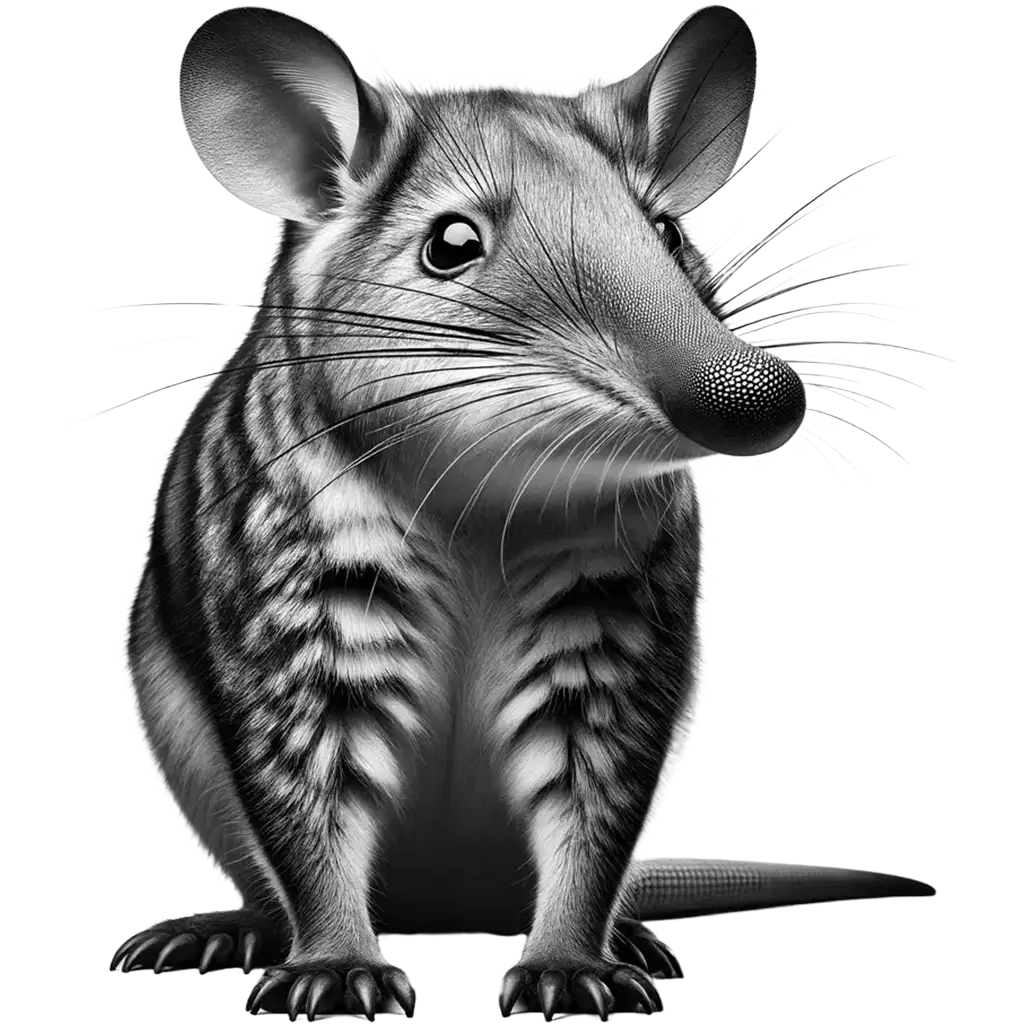
The Long-Nosed Bandicoot, perameles nasuta, is a small marsupial native to eastern Australia, distinguished by its elongated snout and hunched back. This nocturnal creature has coarse, grey-brown fur, with a lighter underside, and measures about 31 to 43 cm in length, including a thin, sparsely furred tail that adds another
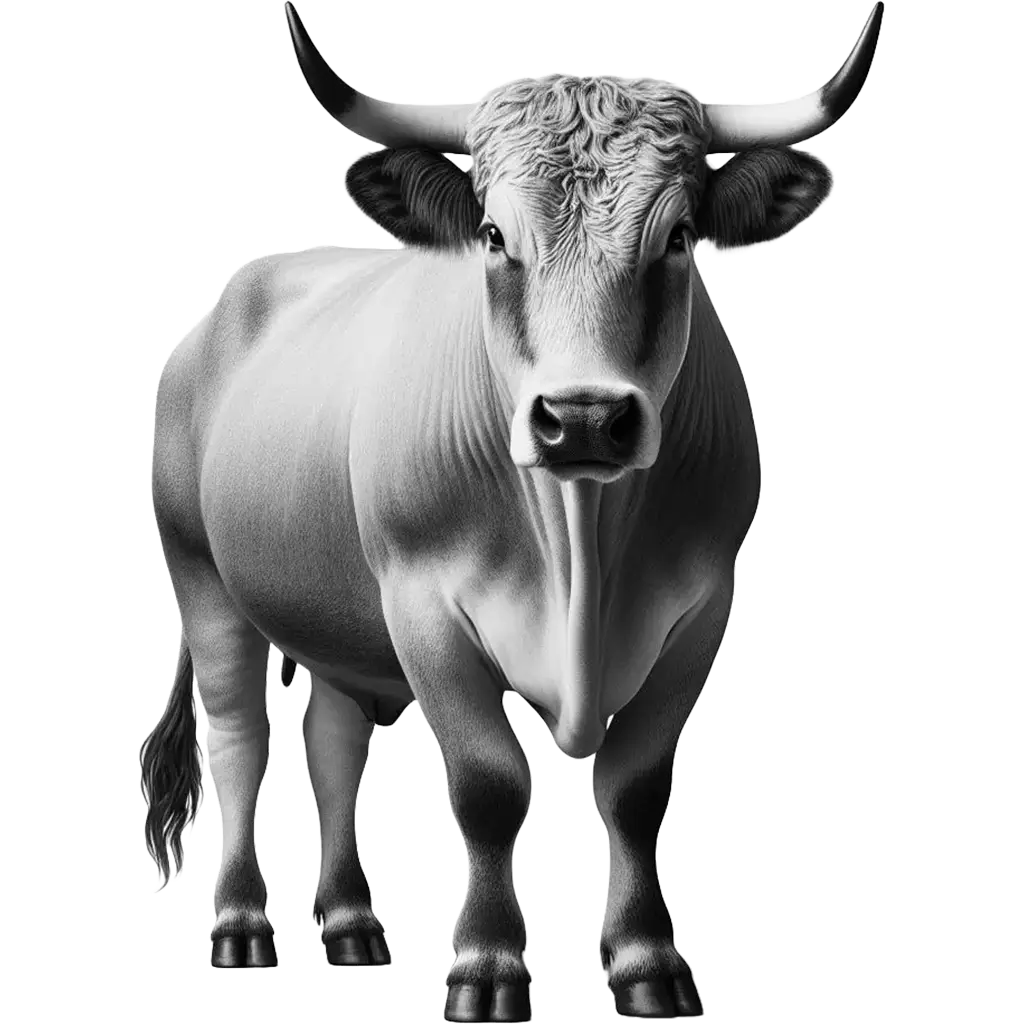
The Hungarian Grey, also known as the Hungarian steppe cattle, is a majestic breed of domestic cattle renowned for its striking appearance and hardy nature. Characterized by its uniform grey coat, which can range from a light silver to a darker ash grey, this breed presents an imposing figure. Adult
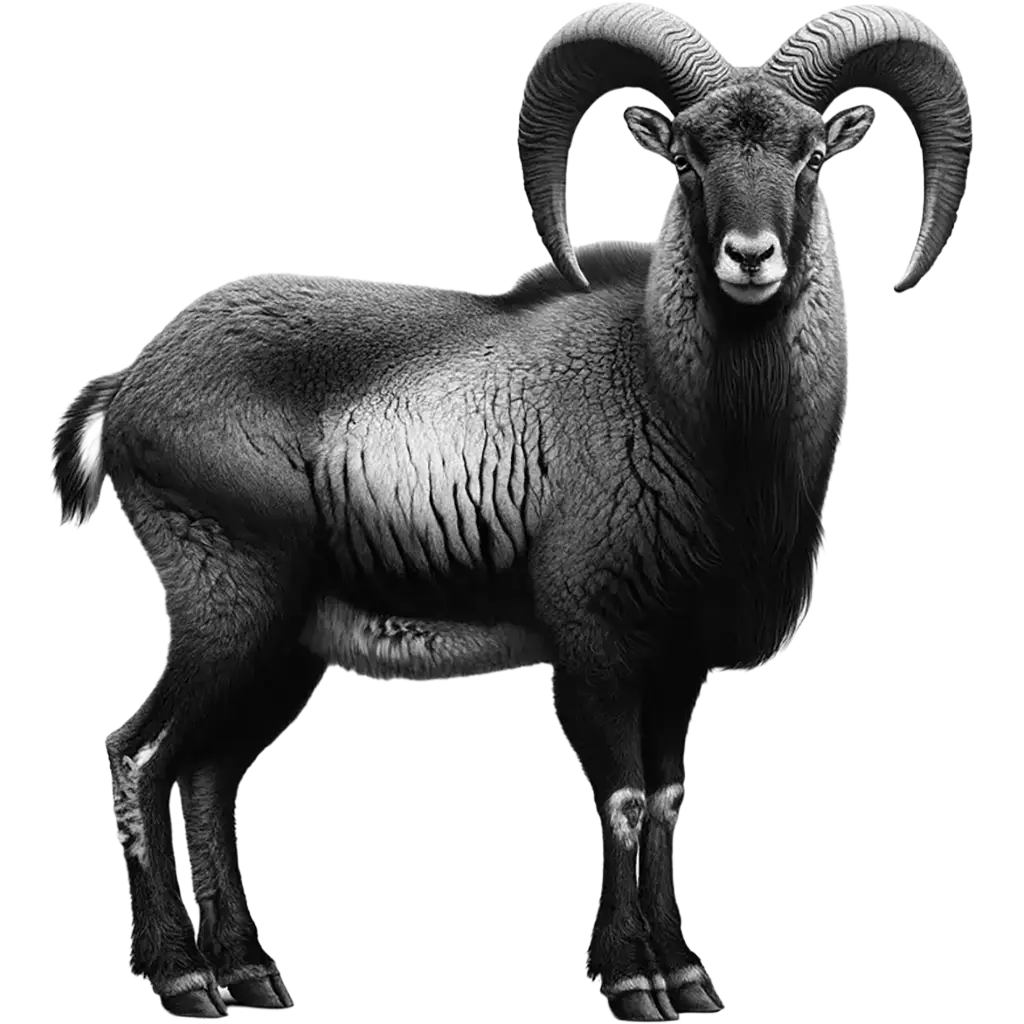
The Mouflon, ovis gmelini, is considered one of the ancestors of modern domestic sheep, distinguished by its rugged appearance and impressive horns. This wild sheep exhibits a short, brownish-red coat in summer that turns to a darker, thicker wool in winter, providing insulation against harsh climates. Males, or rams, boast
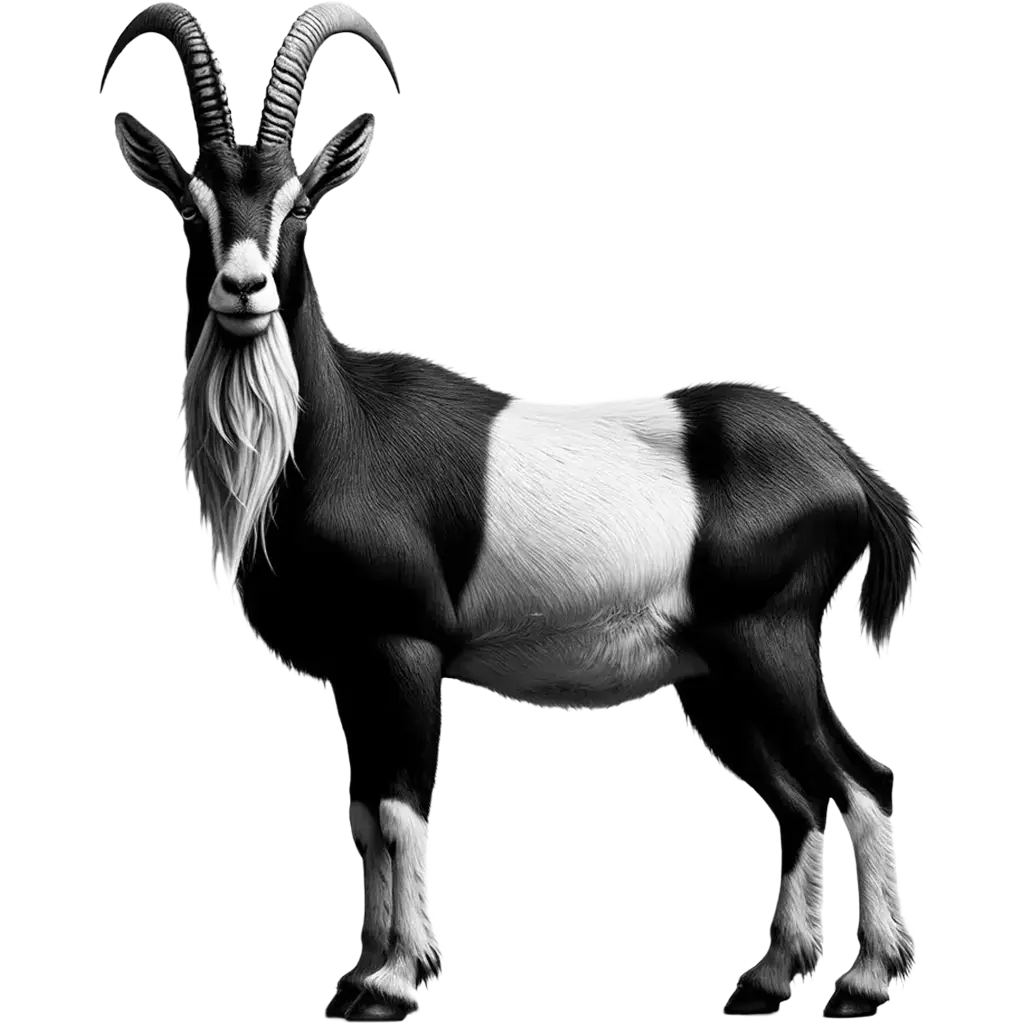
The Wild Goat, capra aegagrus, is the ancestral species from which domestic goats (Capra aegagrus hircus) are derived. It exhibits a robust and agile physique, with adults typically measuring 120 to 150 cm in length and standing 70 to 90 cm tall at the shoulder. Males are larger and more