
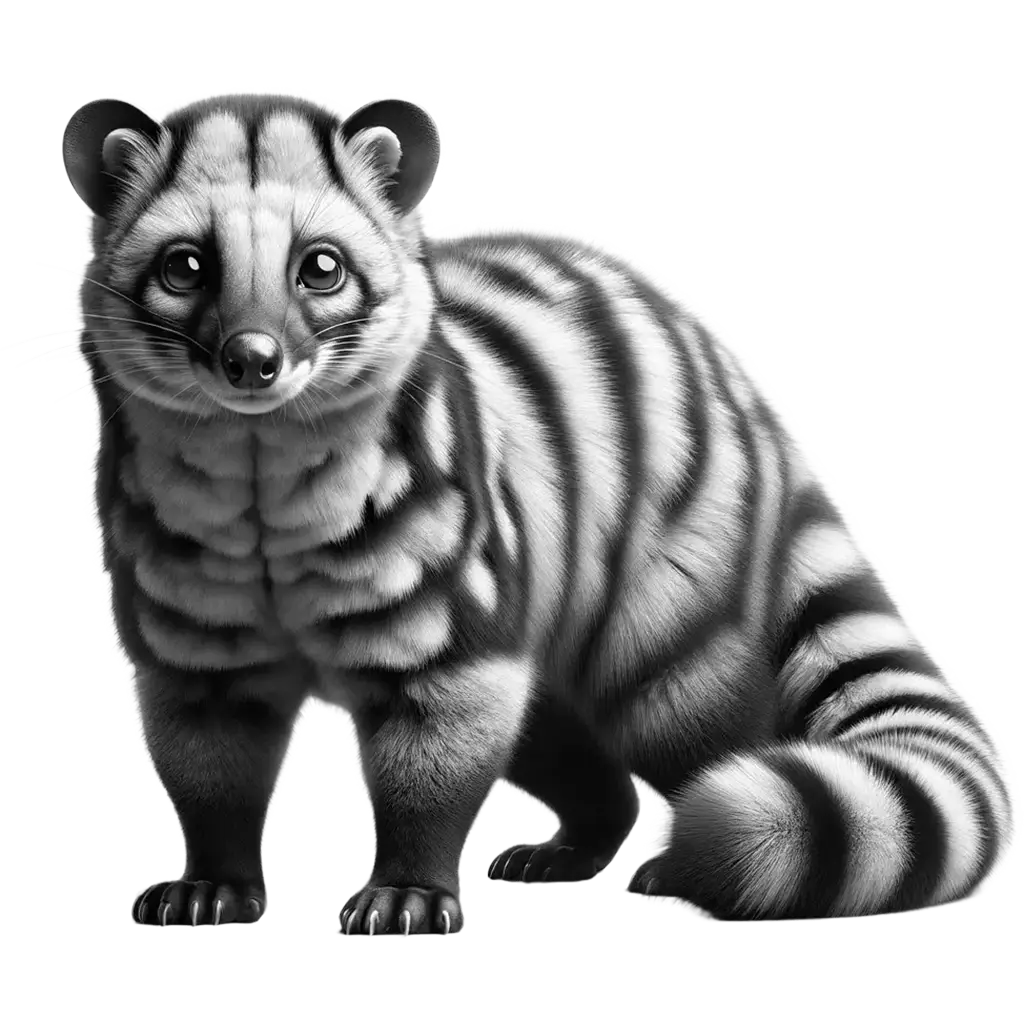
Hemigalus Derbyanus
Banded Palm Civet
Tropical forests, including lowland rainforests and mountain forests
The Banded Palm Civet, hemigalus derbyanus, is a small, nocturnal mammal unique to the dense tropical forests of Southeast Asia, including Malaysia, Indonesia, and Thailand. Characterized by its striking appearance, this civet has a slender body measuring 41 to 53 cm in length, with a tail almost equal in length, enhancing its agility in the forest canopy. Its coat is notable for the distinctive dark bands against a lighter background, which provides excellent camouflage in the dappled light of its rainforest habitat. The face features sharp, pointed features and large, expressive eyes, with dark markings that enhance its sensory capabilities for nocturnal life.
| Population: | Listed as Near Threatened due to habitat loss and deforestation |
| Generation Length: | 2-3 years |
| Average Weight: | 1-3 kg |
| Average Length: | 40-55 cm, plus a tail of 25-35 cm |
| Lifespan: | Unknown in the wild, but small carnivores like this typically live 10-15 years in captivity |
| Diet: | Omnivorous, with a preference for animal-based food sources |
| Conservation Status: | Near Threatened (NT) |
Adapted to a life primarily in the trees, the Banded Palm Civet is an adept climber, utilizing its long tail for balance as it navigates the forest in search of food. Its diet is remarkably diverse, consisting of fruits, berries, insects, and small vertebrates, making it an important seed disperser and part of the ecological balance in its environment.
Breeding behaviors and practices of the Banded Palm Civet remain relatively understudied, but it is known to produce small litters, typically one or two offspring, with a gestation period that mirrors that of similar-sized carnivores. The solitary nature of this species extends to its reproductive habits, with minimal interaction between males and females outside of mating.
The Banded Palm Civet's status is currently considered Vulnerable due to ongoing habitat destruction, deforestation for palm oil plantations, and human encroachment. These factors significantly threaten its survival by fragmenting its natural habitat and reducing its food sources. Conservation efforts are urgently needed to protect the remaining forested areas and ensure the preservation of this unique species. Such efforts include establishing protected areas, enforcing anti-poaching laws, and promoting sustainable land-use practices that consider the needs of wildlife.
The Banded Palm Civet's role in the biodiversity of Southeast Asian forests highlights the importance of conservation work to protect these complex ecosystems and the myriad of species that inhabit them.
Classifications
The Key Attributes
Features
- Movement:
Climbing, walking
- Territorial Behavior:
Likely to be solitary or live in small groups
- Speed:
Agile in trees, but specific speeds are not well documented
- Diet:
Carnivore and omnivore
- Physical Features:
- Slender body with short legs
- Long tail for balance while climbing
- Sharp teeth and claws for catching and consuming prey
- Distinctive dark bands across the back and tail
- Primary Senses:
- Sight
- Smell
- Hearing
Understanding Habitat and Range
Geography
- Habitat:
Tropical forests, including lowland rainforests and mountain forests
- Migration Patterns:
Non-migratory
- Geographical Range:
Southeast Asia, including parts of Indonesia, Malaysia, and Thailand
- Climate Preferences:
Prefers humid, tropical environments
Navigating the Wilderness
In the wild
- Predators:
Larger mammals and birds of prey
- Prey:
Small vertebrates, insects, and occasionally fruit
- Feeding Behavior:
Feeds on small animals like rodents and birds, as well as insects and fruits
- Diet:
Omnivorous, with a preference for animal-based food sources
- Defensive Mechanisms:
- Climbing and hiding in trees to avoid predators
- Nocturnal habits to reduce confrontation with larger predators
- Preferred Food Sources:
- Dense forest areas with abundant underbrush and tree cover
Insights Into Reproduction
Mating
- Mating System:
Not well documented; likely polygynous
- Number of Offspring:
Usually 1-2 offspring
- Gestation Period:
Unknown, but similar species have gestation periods of 2-3 months
- Parental Involvement:
- Likely minimal; offspring are usually weaned and independent at a young age
Youngsters Section
Banded Palm Civet
Fun Fact
The banded palm civet is a nocturnal mammal found in Southeast Asia's tropical forests.
These civets are solitary creatures with distinctive dark bands on their bodies. They have a keen sense of smell, aiding them in locating food like insects, small mammals, and fruits. As excellent climbers, they often forage in trees during the night.

Download word search puzzles
Word Search Puzzles


Check Out Other Mammals
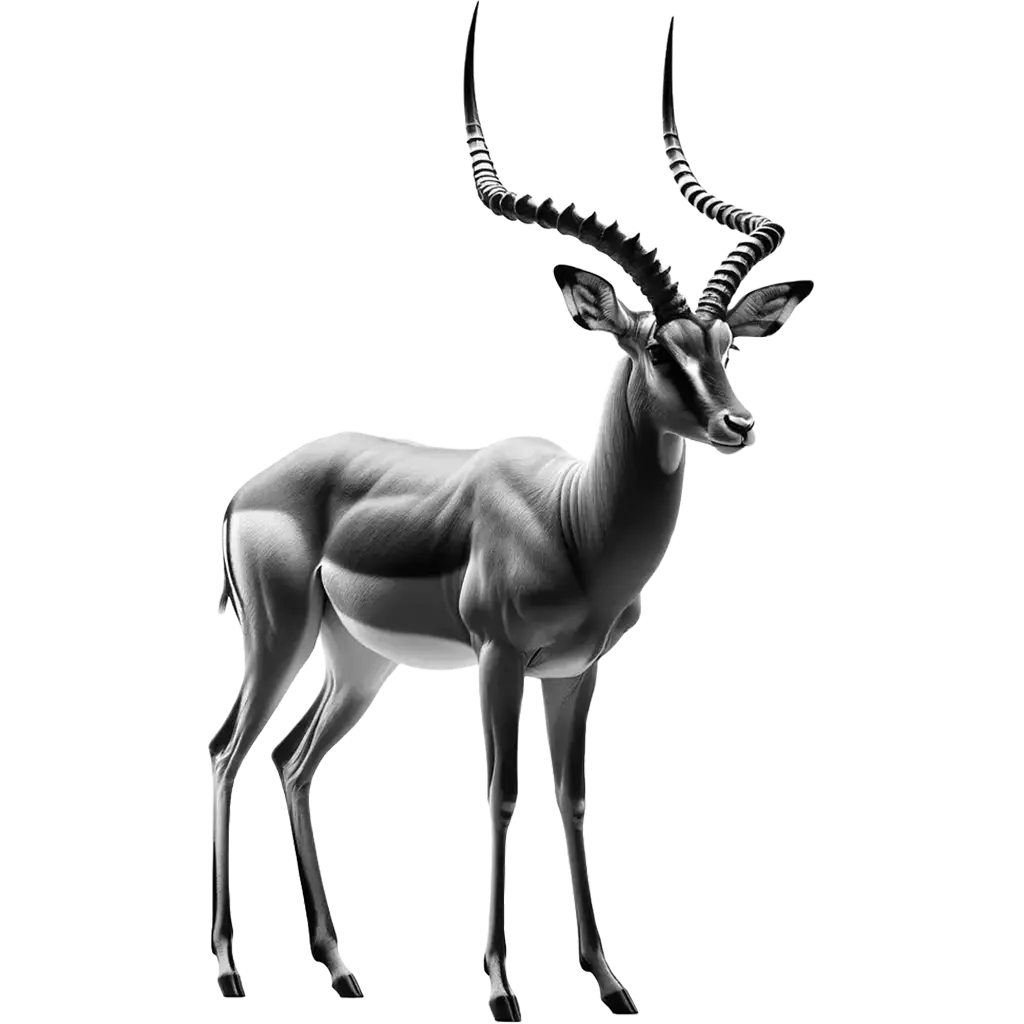
The Impala, aepyceros melampus, is a graceful and agile antelope found across the savannas and woodlands of eastern and southern Africa. Characterized by its slender, athletic build, the Impala has a glossy, reddish-brown coat, with lighter flanks and a distinctive white underbelly. Males boast impressive lyre-shaped horns, which can grow

The Sumatran Tiger, Panthera tigris ssp. sumatrae, is the smallest of the surviving tiger subspecies, native exclusively to the Indonesian island of Sumatra. Adults typically weigh between 100 to 140 kilograms (220 to 310 pounds) for males and 75 to 110 kilograms (165 to 243 pounds) for females, with a
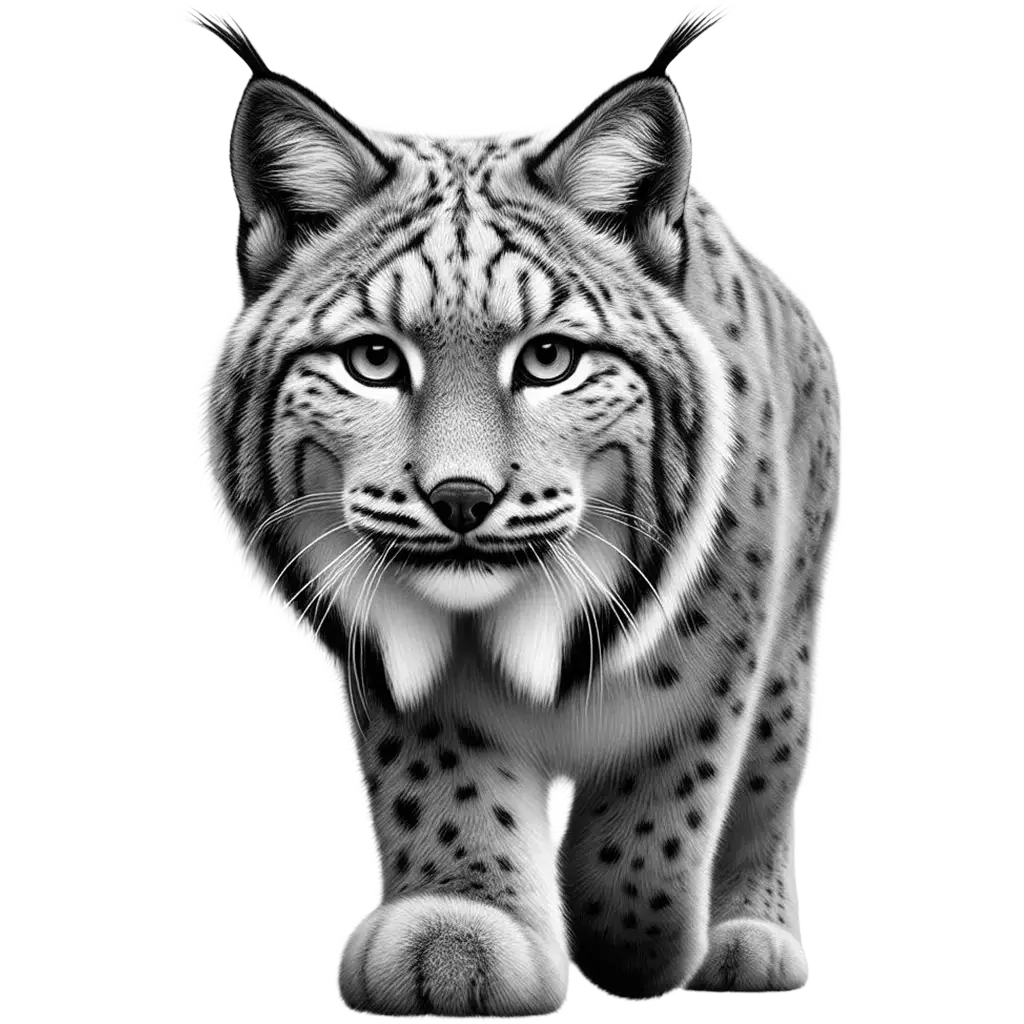
The Canada lynx, lynx canadensis, is a medium-sized wildcat native to North America, primarily found in the boreal forests of Canada and Alaska, with smaller populations extending into the northern United States. Characterized by its thick fur, prominent ear tufts, and large, padded paws that act as natural snowshoes, the
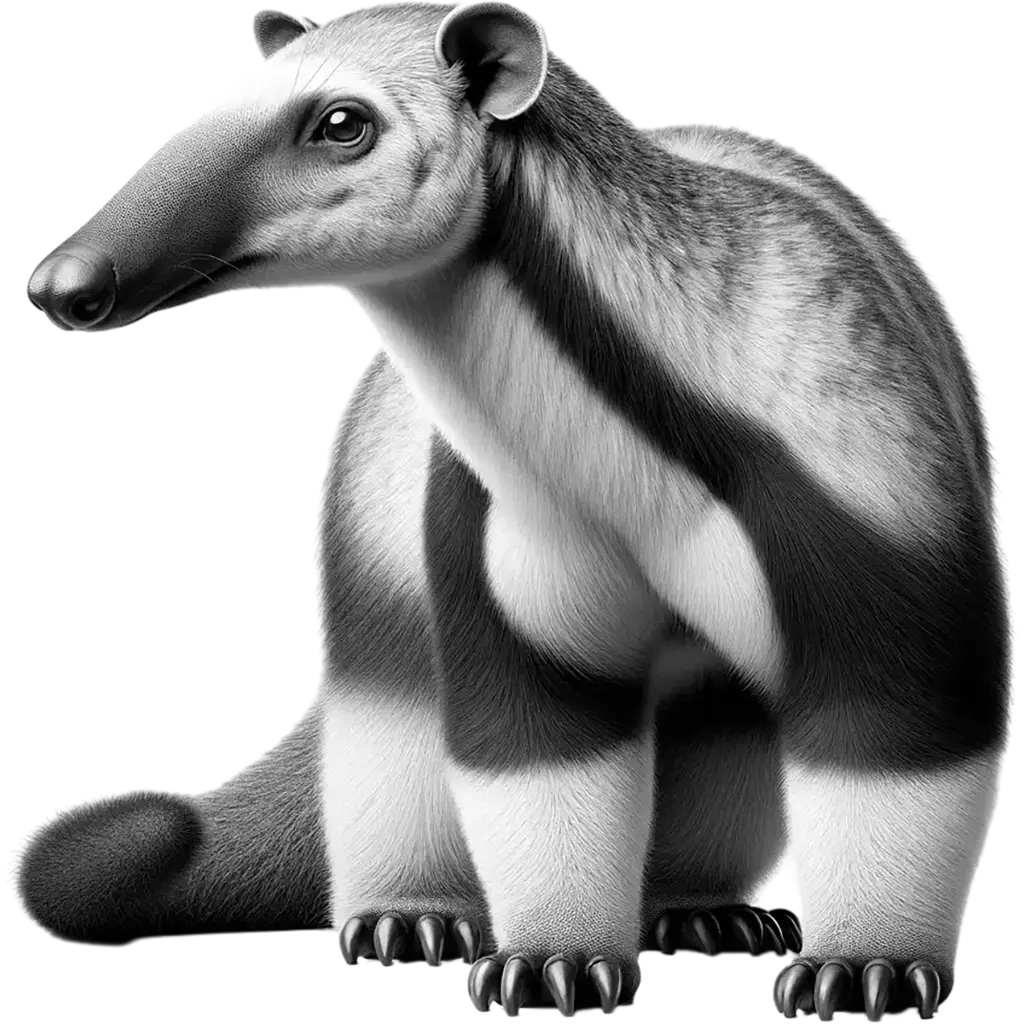
The Southern Tamandua, tamandua tetradactyla, also known as the Collared Anteater or Lesser Anteater, is a medium-sized arboreal mammal native to South America. This species is distinguished by its long, prehensile tail, elongated snout, and a distinctive black 'vest' pattern over its otherwise yellowish-brown fur, although coloration can vary significantly