

Delphinus Delphis
Short-Beaked Common Dolphin
Oceanic and coastal waters, often seen in bays and gulfs
The Common dolphin, delphinus delphis, is a highly social and widely distributed species of dolphin known for its striking coloration and slender body. Adults typically range from 1.9 to 2.5 meters in length and weigh between 70 to 110 kg. They are characterized by their distinctive crisscross or hourglass color pattern, featuring a dark back, white belly, and yellowish-tan sides, making them one of the most beautifully colored cetaceans. The dorsal fin is tall and curved, and the beak is long and thin, contributing to their streamlined appearance for efficient swimming.
| Population: | Listed as Least Concern, with large populations worldwide |
| Generation Length: | 10 years |
| Average Weight: | 70-110 kg |
| Average Length: | 1.9-2.5 meters |
| Lifespan: | 20-25 years in the wild |
| Diet: | Primarily piscivorous, with some cephalopods and small invertebrates |
| Conservation Status: | Least Concern (LC) |
Common dolphins inhabit a variety of marine environments, including both offshore and coastal waters around the world, from temperate to tropical regions. They are often found in large, dynamic groups called pods, which can number in the hundreds or even thousands of individuals. These dolphins are known for their acrobatic displays, including leaping from the water, riding waves and ship bow waves, showcasing their playful nature and agility.
Their diet consists primarily of small schooling fish and squid, which they hunt using sophisticated echolocation to locate and track their prey. This diet reflects their role as important predators in the marine food web, helping to regulate populations of small fish and maintain the balance of their ecosystem.
Reproduction in Common dolphins involves complex social interactions, with no specific breeding season; mating and births can occur throughout the year. Females give birth to a single calf after a gestation period of about 10 to 11 months. Calves are born tail-first and are nursed for up to 18 months, though they may remain with their mothers for several years, learning vital skills for survival.
The population of the Common dolphin is considered large, but certain areas have seen declines due to factors such as bycatch in fishing gear, pollution, and habitat degradation. Conservation efforts focus on reducing bycatch, protecting critical habitats, and monitoring populations to ensure the continued health and survival of this iconic dolphin species.
Classifications
The Key Attributes
Features
- Movement:
Swimming
- Territorial Behavior:
Highly social, living in large pods
- Speed:
Can swim at speeds over 60 km/h
- Diet:
Carnivore
- Physical Features:
- Streamlined body with a long, slender beak
- Dorsal fin in the middle of the back and pointed flippers
- Distinct color pattern with a dark back, light belly, and grey sides
- Sharp teeth for catching fish and squid
- Primary Senses:
- Echolocation
- Sight
- Hearing
Understanding Habitat and Range
Geography
- Habitat:
Oceanic and coastal waters, often seen in bays and gulfs
- Migration Patterns:
Migratory, following seasonal movements of their prey
- Geographical Range:
Global in temperate and tropical waters, excluding polar regions
- Climate Preferences:
Prefers temperate, subtropical, and tropical waters
Navigating the Wilderness
In the wild
- Predators:
Large sharks and orcas
- Prey:
Fish, squid, and crustaceans
- Feeding Behavior:
Feeds on a variety of fish and squid, often hunting in groups
- Diet:
Primarily piscivorous, with some cephalopods and small invertebrates
- Defensive Mechanisms:
- Speed and agility in the water
- Social behavior for protection and cooperative hunting
- Use of echolocation for navigation and locating prey
- Preferred Food Sources:
- Areas rich in small to medium-sized fish and squid, including upwelling zones and over continental shelves
Insights Into Reproduction
Mating
- Mating System:
Polygamous
- Number of Offspring:
Usually one calf
- Gestation Period:
10-12 months
- Parental Involvement:
- Females nurse and care for their calves, with weaning occurring at about 6 months to 2 years
Youngsters Section
Short-Beaked Common Dolphin
Fun Fact
The short-beaked common dolphin can reach speeds up to 60 km/h, making it one of the fastest marine mammals.
These dolphins are highly social and often travel in groups called pods, sometimes numbering hundreds or even thousands. They communicate with each other using a series of clicks and whistles. Known for their playful behavior, they often surf the bow waves created by boats and ships.

Download word search puzzles
Word Search Puzzles


Check Out Other Mammals
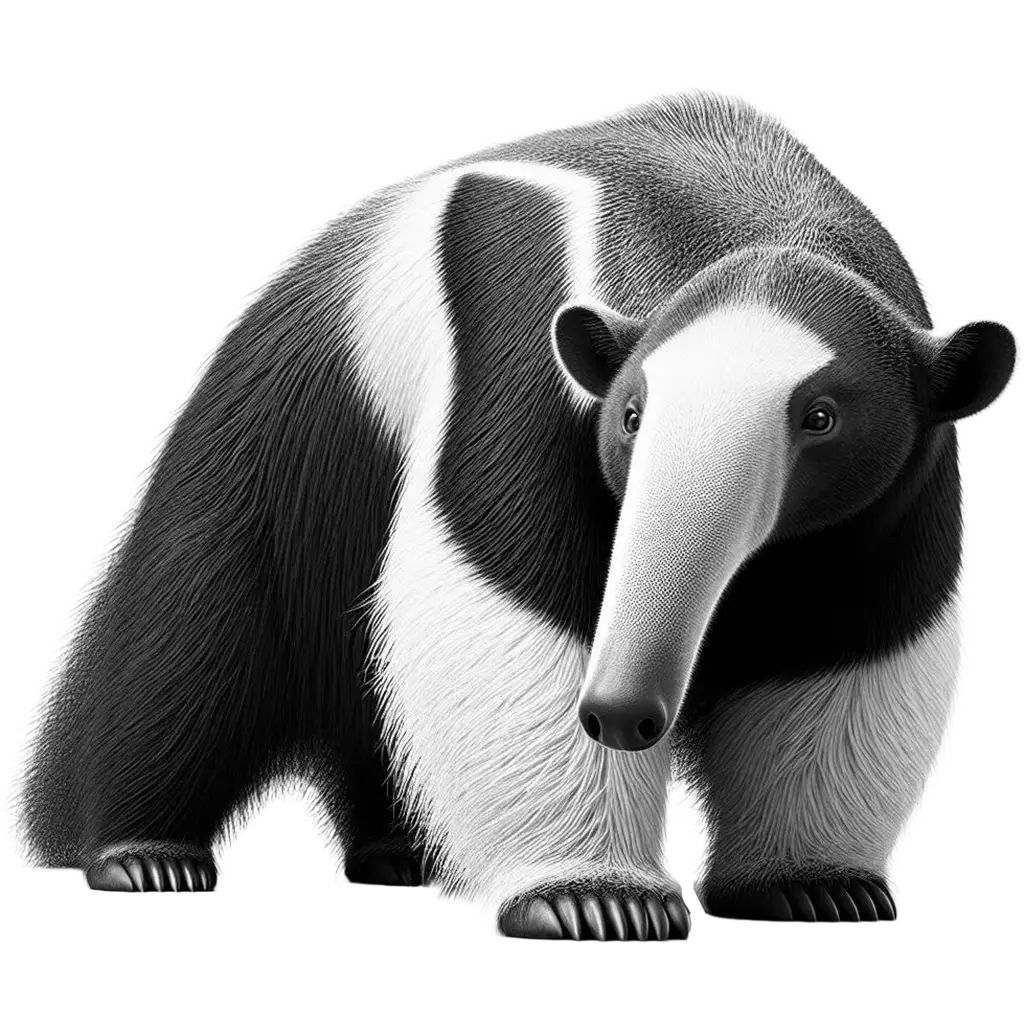
The Giant Anteater, myrmecophaga tridactyla, is an easily recognizable mammal known for its elongated snout, bushy tail, and distinctive black and white shoulder stripes. Adults can grow up to 2.1 meters (7 feet) in length, including the tail, and weigh between 18 to 39 kilograms (40 to 86 pounds). Their

The Bighorn Sheep, Ovis canadensis, is a symbol of the rugged mountain ranges of North America, from Canada's cold northern regions down through the western United States and into Mexico's desert landscapes. Distinguished by their large, curved horns, which can weigh up to 14 kilograms in males, Bighorn Sheep exhibit
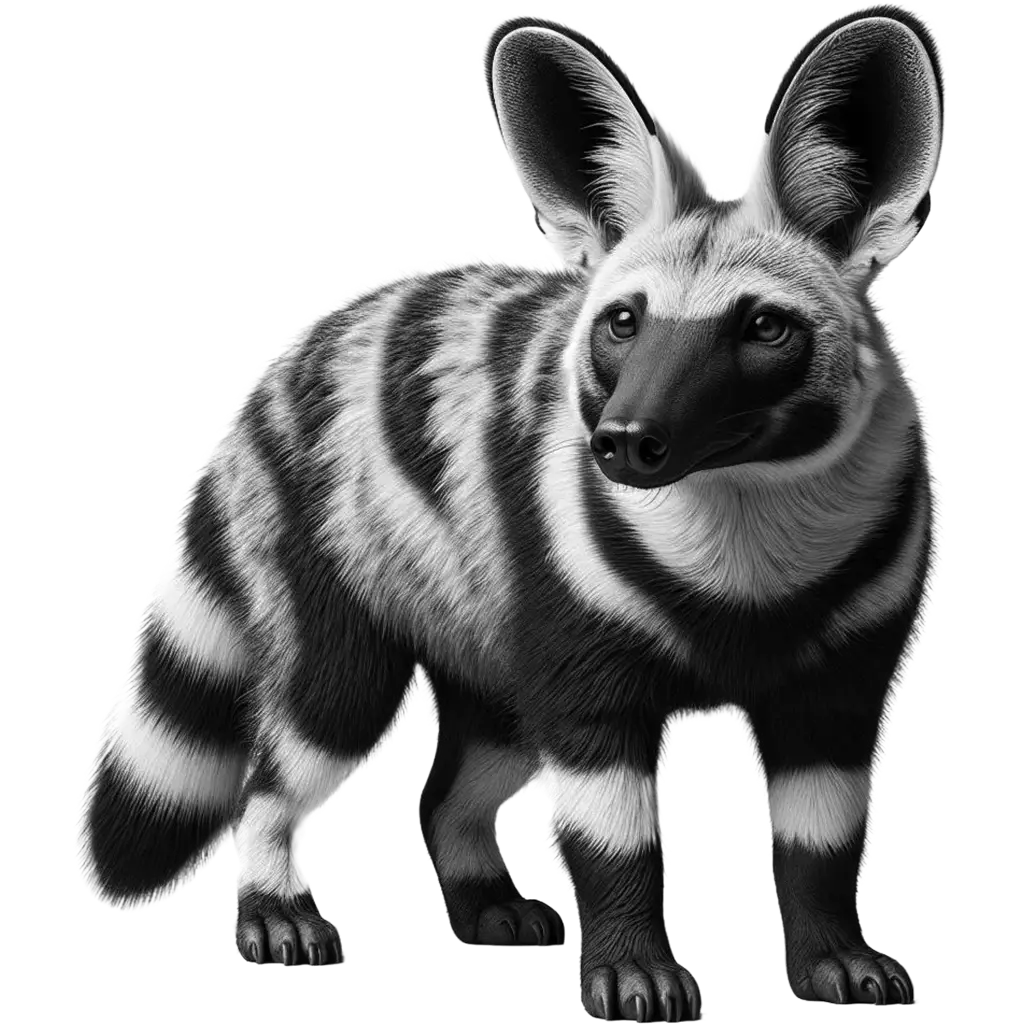
The Aardwolf, proteles cristatus, is a small, insectivorous mammal, distinct from its larger carnivorous relatives in the Hyaenidae family, such as hyenas. With a shoulder height of about 40 to 50 cm and weighing between 8 to 14 kg, the Aardwolf possesses a slender frame, covered in a coarse yellow-brown

The Noriker, norico-pinzgauer, is a breed of draft horse that originated in the mountainous regions of Austria and northern Italy. Known for their large, muscular build and calm, cooperative temperament, Norikers are typically 15 to 16 hands high (60 to 64 inches at the shoulder) and weigh between 500 to