
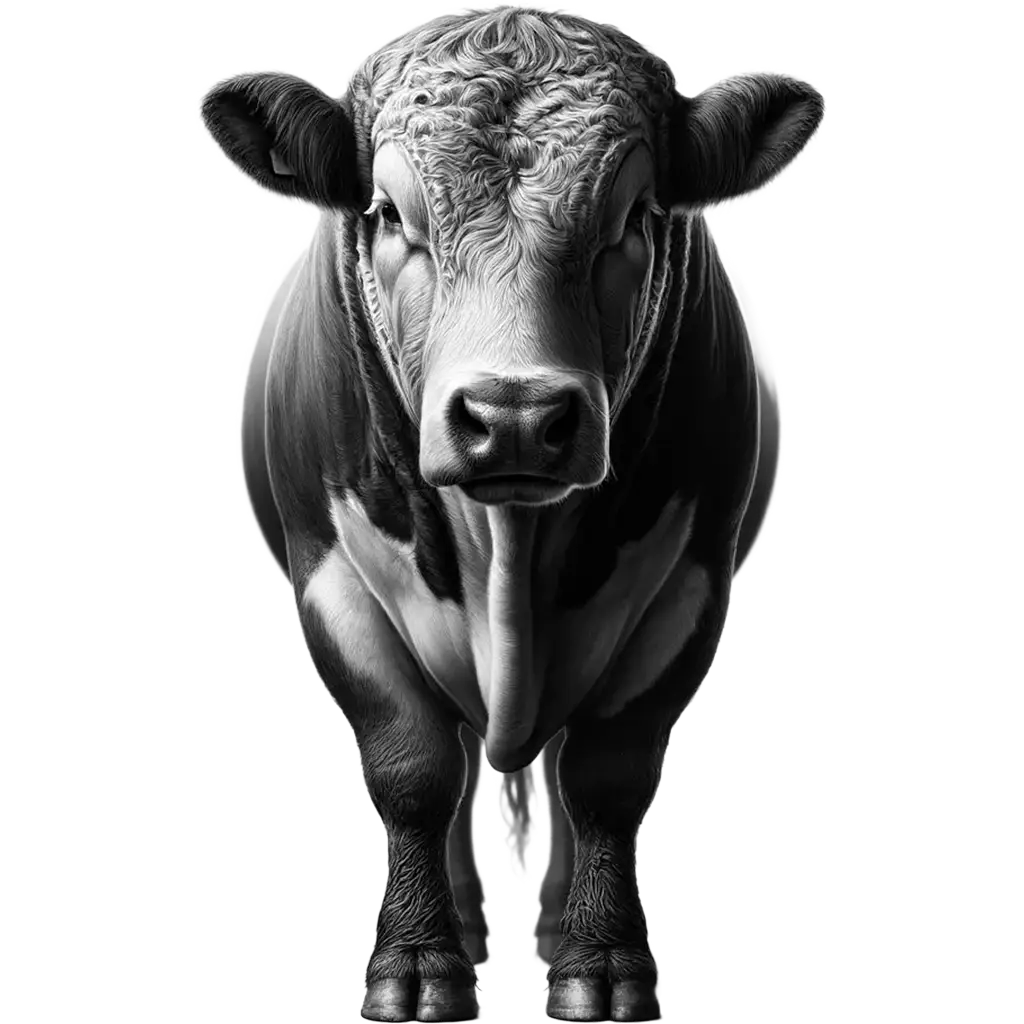
Bos Taurus
Shorthorn
Domesticated, found in a variety of environments including farms, ranches, and grasslands
The Shorthorn breed of cattle, known for its diverse utility in both dairy and beef production, showcases a variety of coat colors including red, white, and the distinctive roan, which is a mix of the two. This medium to large-sized breed features a broad and deep body, strong legs, and a short, wide head. Bulls typically weigh between 1,000 to 1,100 kg, while cows weigh 600 to 800 kg. Their gentle disposition and distinctive appearance, including the sometimes curly hair, make them easily recognizable.
| Population: | Not classified as endangered; widely bred and distributed |
| Generation Length: | 5-7 years |
| Average Weight: | Females: 600-800 kg, Males: 1,000-1,300 kg |
| Average Length: | Varies widely; height at the shoulder can be 135-150 cm |
| Lifespan: | Around 15-20 years in managed conditions |
| Diet: | Herbivorous, consuming grass, hay, and sometimes grains in managed diets |
| Conservation Status: | Not Evaluated (NE) |
Shorthorns are adaptable to a variety of environments, thriving in both intensive farming systems and more extensive grazing setups. Originating from the Northeastern England in the 18th century, they have spread worldwide due to their versatility and hardiness. They are social animals, preferring to live in herds, which mirrors their natural behavior and promotes a stress-free environment. This breed is known for its docile temperament, making them a favorite among farmers for ease of handling and management.
The diet of Shorthorn cattle is primarily grass-based, supplemented with grains, hay, and silage to meet nutritional needs, especially in dairy-producing animals. They are efficient foragers, capable of converting foraged foods into high-quality milk and meat, which is a trait that has made them popular in sustainable farming practices. Their ability to thrive on a varied diet contributes to their adaptability and the economic viability of farming them.
Shorthorn cattle have a straightforward mating system, with the breeding season typically planned by the farmer to ensure calves are born at the most advantageous time of year for the operation. They reach sexual maturity at about two years of age, with a gestation period of approximately nine months. The breed is known for its ease of calving, a trait that reduces the need for human intervention and contributes to the breed's longevity and productivity.
The global population of Shorthorn cattle is stable, with strong numbers in both the beef and dairy sectors. They are especially prevalent in the United Kingdom, United States, Canada, and Australia, where breed societies and associations work to preserve the breed's genetic lines and promote their utility. Efforts to maintain genetic diversity within the breed help ensure its sustainability and adaptability to changing agricultural practices and environments.
Classifications
The Key Attributes
Features
- Movement:
Walking, grazing
- Territorial Behavior:
Herd animals, not typically territorial
- Speed:
Not known for speed; domesticated for docility
- Diet:
Herbivore
- Physical Features:
- Robust and muscular body
- Short-horned head
- Known for a variety of coat colors, including red, white, and roan
- Docile temperament suited for domestication
- Primary Senses:
- Sight
- Hearing
- Smell
Understanding Habitat and Range
Geography
- Habitat:
Domesticated, found in a variety of environments including farms, ranches, and grasslands
- Migration Patterns:
Non-migratory, movements are managed by humans
- Geographical Range:
Originated in England, now found worldwide
- Climate Preferences:
Adaptable to a range of climates
Navigating the Wilderness
In the wild
- Predators:
Not applicable in domestic settings
- Prey:
Not applicable
- Feeding Behavior:
Primarily grazing on grasses, also fed supplementary grains and forages
- Diet:
Herbivorous, consuming grass, hay, and sometimes grains in managed diets
- Defensive Mechanisms:
- Herd behavior for vigilance and protection
- Domestication has reduced natural defensive mechanisms
- Preferred Food Sources:
- Pastures, meadows, and controlled feed environments in agricultural settings
Insights Into Reproduction
Mating
- Mating System:
Controlled breeding in domestication
- Number of Offspring:
Typically one calf
- Gestation Period:
About 283 days
- Parental Involvement:
- Cows are responsible for nursing and caring for calves, with human intervention in domestic settings
Youngsters Section
Shorthorn
Fun Fact
Shorthorns are a versatile cattle breed known for their adaptability and high-quality milk and beef.
Originating in England, Shorthorns are one of the oldest recognized cattle breeds, dating back to the 18th century. They are popular worldwide due to their gentle disposition and efficient feed conversion. Shorthorns are used in crossbreeding programs to enhance traits in other cattle breeds, making them invaluable in the livestock industry.

Download word search puzzles
Word Search Puzzles
Check Out Other Mammals
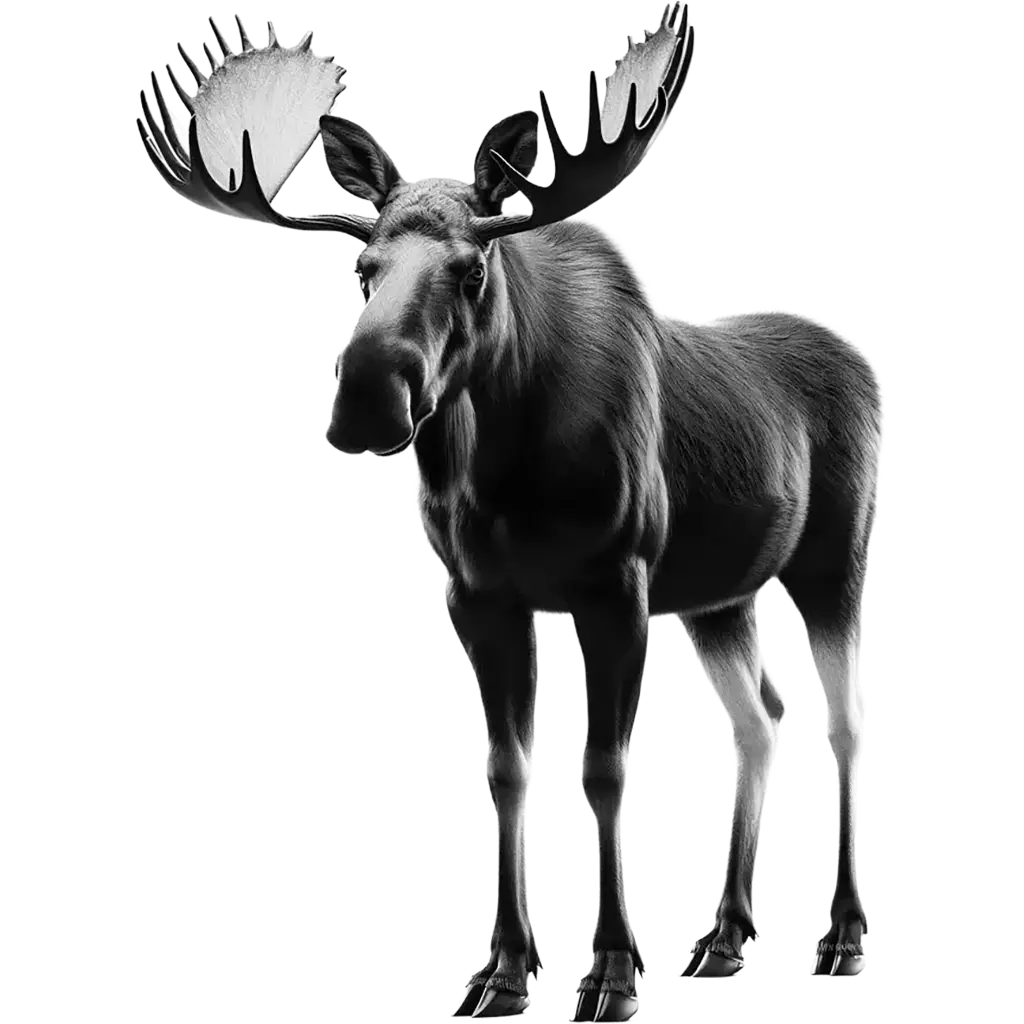
The Moose, alces alces, is the largest and most majestic member of the deer family, known for its impressive stature and distinctive features. With a towering height that can reach up to 2.1 meters (6.9 feet) at the shoulder, adult males are adorned with massive, palmate antlers that can span
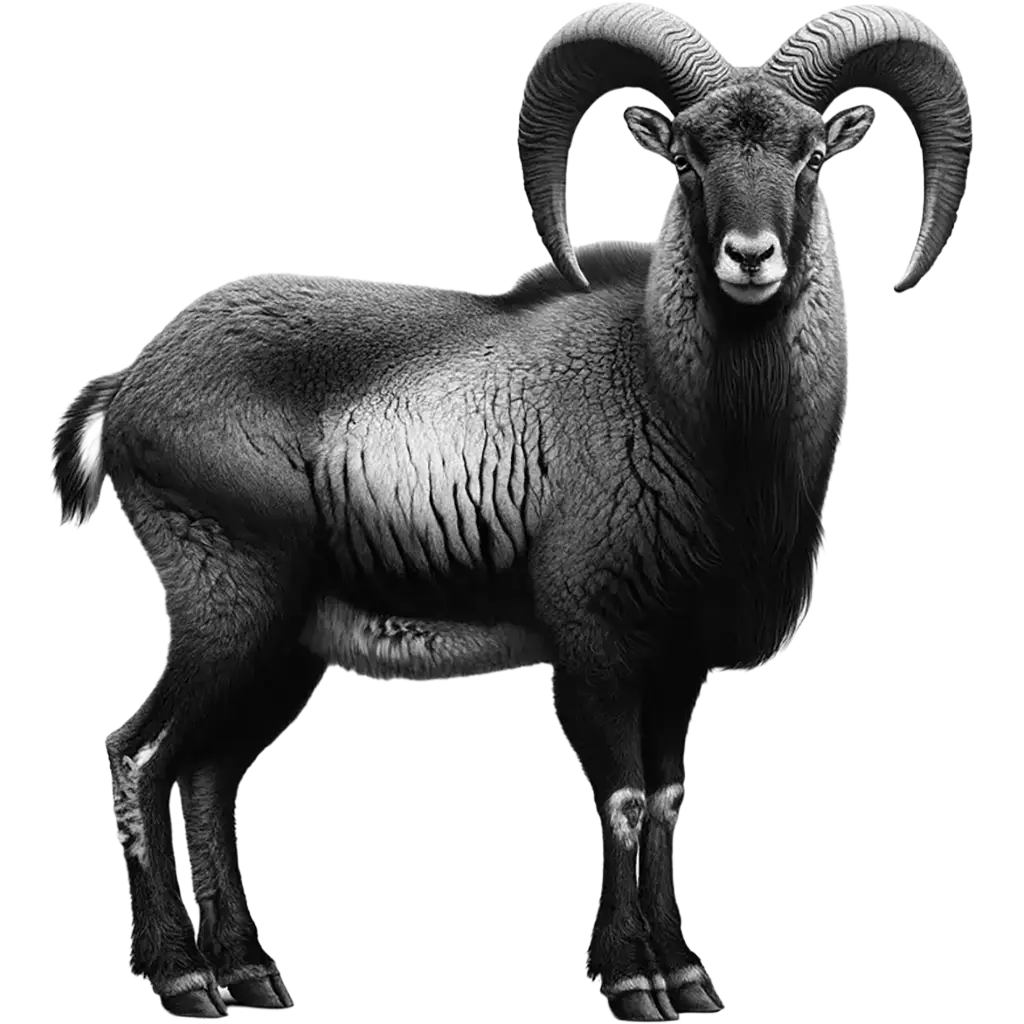
The Mouflon, ovis gmelini, is considered one of the ancestors of modern domestic sheep, distinguished by its rugged appearance and impressive horns. This wild sheep exhibits a short, brownish-red coat in summer that turns to a darker, thicker wool in winter, providing insulation against harsh climates. Males, or rams, boast
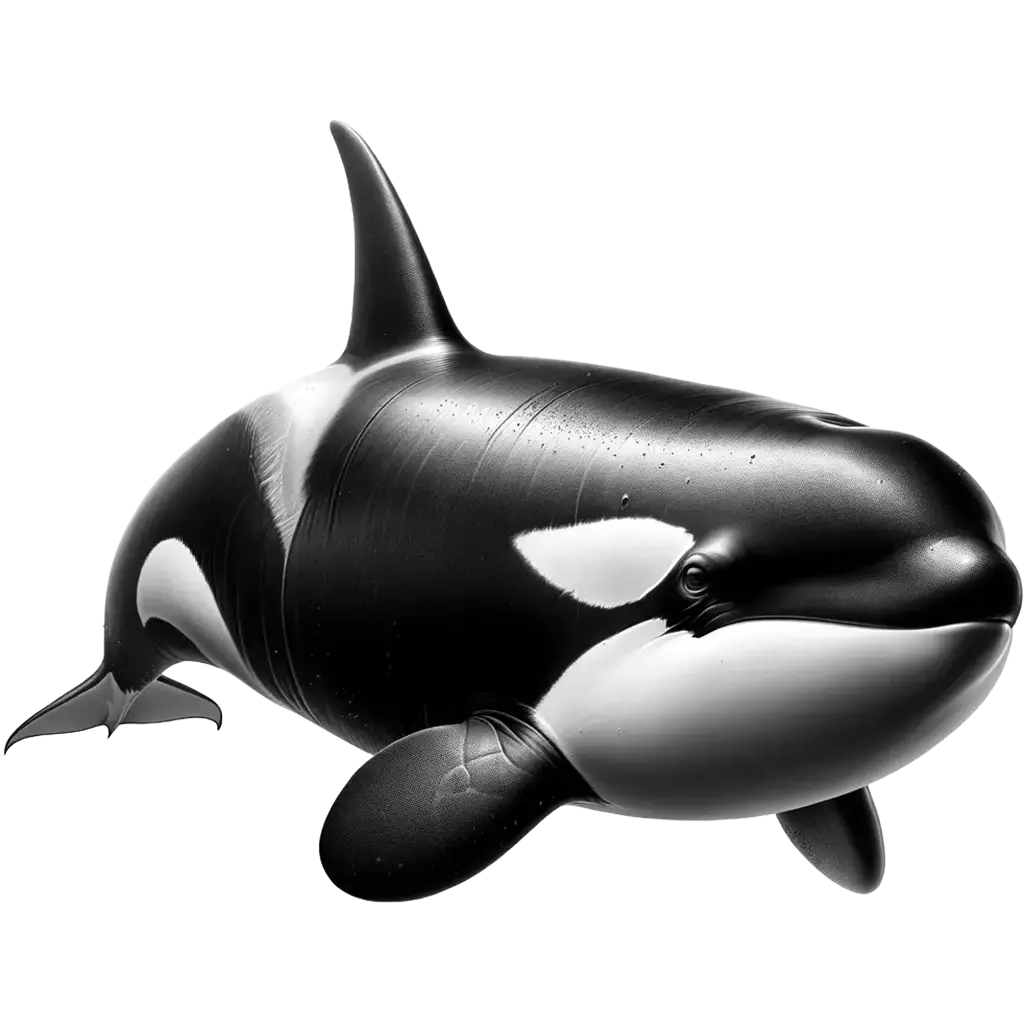
The Orca, orcinus Orca, commonly known as the killer whale, is a highly intelligent and adaptable marine mammal found in all the world's oceans. Recognized by their striking black and white coloration, adult males are distinguished by their tall, triangular dorsal fins, which can reach heights of up to 1.8
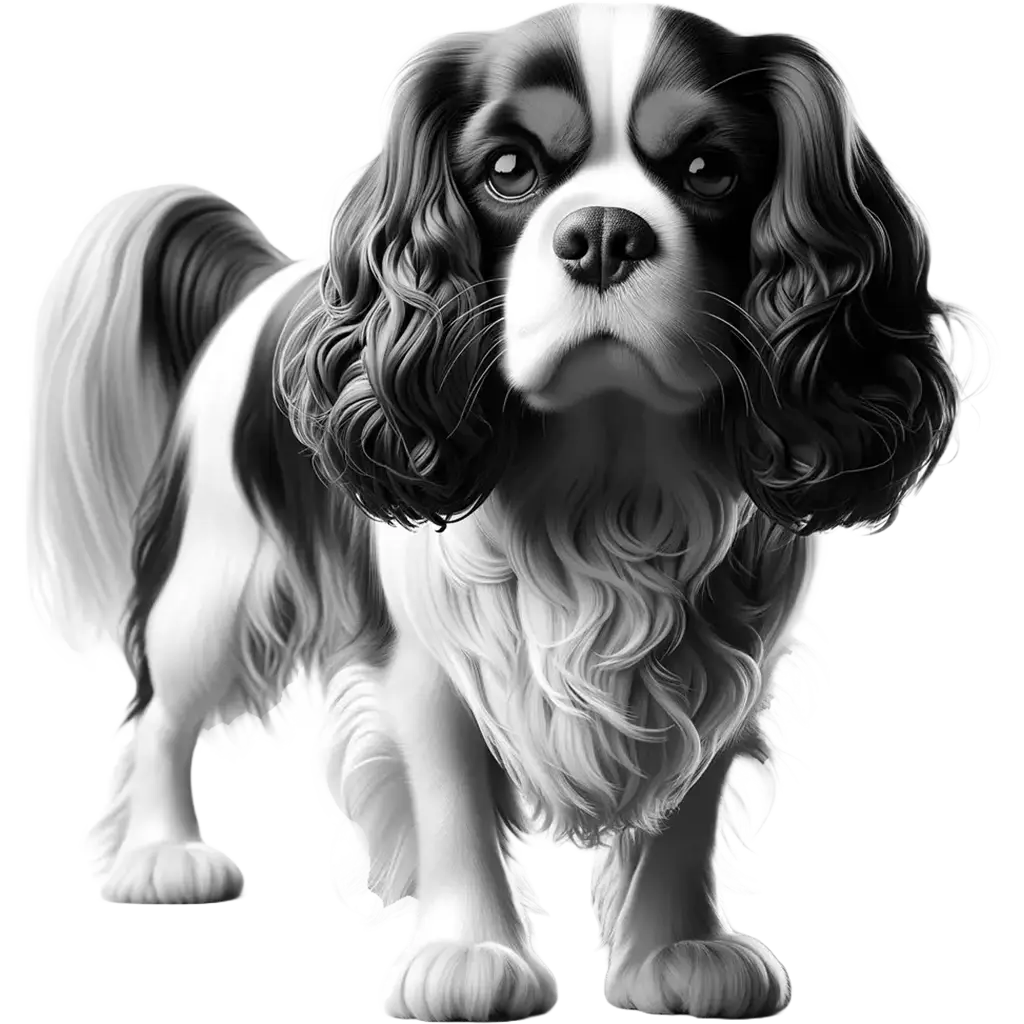
The Cavalier King Charles Spaniel, a breed esteemed for its graceful elegance and expressive, soulful eyes, embodies the essence of a companion dog. Originating from the United Kingdom, this breed stands out with its silky, medium-length coat, which comes in four distinct color patterns: Blenheim (chestnut and white), Tricolor (black/white/tan),